
The search for the perfect round LED pendant light for a Singaporean home often leads to the Japandi aesthetic—a design movement that blends Scandinavian functionality with Japanese wabi-sabi simplicity. This style prioritizes clean lines, organic textures, and a calm, uncluttered atmosphere. Selecting a round led light that captures this look requires balancing natural materials with modern lighting technology to create a warm, inviting glow. By understanding how these design principles translate into physical fixtures, you can transform your living space into a tranquil sanctuary that stands up to the tropical climate.
Defining the Japandi Aesthetic in Round LED Light Fixtures
Japandi design is a thoughtful philosophy that unites two distinct yet deeply compatible design heritages. Scandinavian design contributes hygge—the pursuit of warmth, comfort, and functional simplicity. Japanese design brings wabi-sabi—the appreciation of natural imperfections and rustic honesty. When these philosophies meet in lighting design, they manifest as fixtures that prioritize raw textures, geometric clarity, and an absence of unnecessary ornamentation.
The spherical shape plays a vital role in this aesthetic framework. Modern urban architecture, particularly in Singapore’s high-density housing, is dominated by sharp, linear forms and hard surfaces. Introducing a round pendant light breaks this visual rigidity, softening the room’s overall flow. A circular fixture acts as a natural focal point, mimicking organic elements like the sun or moon, which inherently brings a sense of calm and balance to an indoor environment.
Products mentioned in this guide
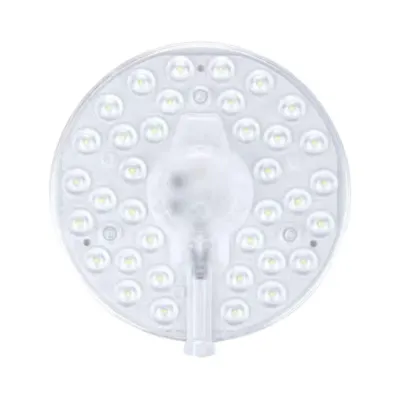
Prices are valid at publication and may change. Please refer to the product page for the latest price.
Materiality is equally critical when selecting a Japandi-style fixture. The preferred palette avoids highly polished, reflective surfaces in favor of materials that showcase tactile depth. Unglazed ceramics, light-toned timber, woven bamboo, and matte-finished metals are the hallmarks of this style. These materials interact beautifully with light, absorbing and diffusing it rather than reflecting it harshly, which reinforces the grounded, organic feel of the space.
To complement these materials, the choice of light source must be carefully considered. An ideal Japandi ambiance relies on a warm white color temperature, typically between 2700K and 3000K, which mimics the gentle glow of candlelight. While perceived color temperature and its psychological effects remain a matter of personal preference, a warm, high-Color Rendering Index (CRI) LED is highly recommended to bring out the natural grain of wood and the subtle textures of ceramic or fiber. This soft, diffused illumination avoids the clinical, cold atmosphere often associated with higher-temperature utility lighting.
Key Selection Criteria for a Round LED Light in Singapore
When bringing the Japandi aesthetic into a Singaporean home, practical environmental and structural realities must guide your purchase. The unique architectural landscape of local housing, combined with a tropical climate, requires careful technical verification before installing any new light fixture.

Ceiling height is the first physical constraint to address. Standard Housing & Development Board (HDB) flats and private condominiums typically feature ceiling heights between 2.6 and 2.8 metres. Because of this limited vertical space, a long, dramatic pendant drop can make a room feel cramped and interfere with daily movement. For these spaces, homeowners should prioritize low-profile round pendants, semi-flush mounts, or fixtures with highly adjustable suspension cables. This flexibility allows you to customize the hanging height to maintain open sightlines while still enjoying the visual impact of a hanging light.
Electrical compatibility is another vital check. Singapore’s electrical grid operates on a standard voltage of 230V AC at a frequency of 50Hz. Before purchasing any imported round LED light online, you must verify that the integrated LED driver or the bulb socket is rated for this specific voltage. Connecting a fixture designed solely for 110V systems will result in immediate driver failure, persistent flickering, or a potential electrical hazard. Always look for recognized safety certifications, such as the Enterprise Singapore Safety Mark, to ensure the driver complies with local safety regulations.
Singapore’s tropical climate, characterized by high relative humidity that frequently exceeds 80%, presents a unique challenge for natural materials. Untreated organic fibers, raw woods, and unprotected metals are highly susceptible to mold growth, warping, and corrosion in non-air-conditioned spaces. When choosing a Japandi fixture, ensure that wood components are sealed with moisture-resistant lacquers, woven elements like rattan are treated with anti-fungal coatings, and metal parts are powder-coated or rust-proofed. This is especially important for fixtures installed near kitchens, bathrooms, or open balconies.
Finally, you must calculate the required light output, measured in lumens, to ensure the room is functionally lit. Relying solely on wattage is outdated, as modern LEDs produce significantly more light per watt than older bulbs. For general ambient lighting in a living room, aim for roughly 100 to 200 lumens per square metre. For task-focused areas like a dining table or kitchen island, a higher concentration of 300 to 400 lumens per square metre is recommended. Opting for dimmable LED drivers allows you to adjust these levels dynamically, shifting from bright functional light to a relaxed evening glow.
Top Japandi Round LED Pendant Styles to Consider
Fulfilling the Japandi vision requires selecting a fixture where material integrity and structural simplicity take center stage. Rather than relying on intricate details or glittering components, the best designs celebrate raw textures and clean geometry. Here are four distinct round pendant styles that beautifully capture this balance while suiting the practical needs of Singaporean interiors.
Woven Rattan and Bamboo Spheres
Woven rattan and bamboo spheres offer an excellent way to introduce organic texture and warmth into a minimalist interior. The intricate, open-weave patterns of these natural fibers allow light to escape in a dappled, dancing pattern, casting soft shadows across the walls and ceiling. This interaction between light and shadow adds a layer of visual interest that feels deeply connected to nature, aligning perfectly with the wabi-sabi appreciation for organic irregularity.
These fixtures are highly suited for living rooms, cozy reading nooks, or sheltered balconies where they can serve as a relaxed, breezy focal point. Because they are lightweight, they place minimal structural strain on your ceiling, making them easy to install in various locations.
When purchasing a woven pendant, carefully inspect the tightness and uniformity of the weave to ensure structural durability. Because the weave is open, an exposed clear bulb can create an uncomfortable, high-glare experience. To prevent this, verify that the fixture includes an internal frosted glass or acrylic diffuser, or plan to install a high-quality frosted LED bulb that scatters the light evenly before it passes through the woven frame.
Matte Ceramic and Plaster Domes
Matte ceramic and plaster domes lean heavily into the earthy, sculptural side of the Japandi aesthetic. Featuring solid, opaque forms with textured, unglazed exterior finishes in tones of terracotta, sand, beige, or chalky white, these fixtures have a heavy, grounded presence. They direct their light downward, creating an intimate pool of light that naturally draws people together.
This focused light distribution makes ceramic and plaster domes exceptionally well-suited as centerpieces over dining tables, kitchen islands, or low coffee tables in the living room. The contrast between the rough, tactile exterior of the dome and the warm light reflecting from its interior surface creates a beautiful, understated elegance.
However, the solid nature of ceramic and plaster means these fixtures are significantly heavier than their wooden or woven counterparts. Before committing to a purchase, verify the net weight of the fixture on the product specification sheet. Standard ceiling junction boxes in false ceilings may require additional timber or metal reinforcement to safely support a heavy fixture; always ensure your mounting hardware is rated for the specific weight of the dome.
Spun Wood and Veneer Discs
Spun wood and veneer discs represent the sleek, Scandinavian-leaning side of Japandi design. These fixtures utilize thin, flexible sheets of light woods—such as ash, white oak, or bamboo veneer—to create flat, disc-like profiles or shallow, wide bowls. This design provides a clean, architectural silhouette that offers a wide, even distribution of downward light without dominating the vertical space of a room.
Their shallow vertical profile makes them highly practical for rooms with lower ceilings, such as standard HDB living rooms or home offices, where a deep spherical globe would hang too low. They deliver the warmth of natural wood grain while maintaining a modern, streamlined look.
When selecting a wood veneer pendant, pay close attention to the quality of the edge banding and the protective finish. In Singapore’s humid climate, poorly sealed veneers can absorb moisture, leading to delamination, peeling, or warping over time. Additionally, ensure the fixture is designed with a high-quality aluminum heat sink or channel to separate the LED light source from the wood, as prolonged exposure to localized heat can dry out the wood and cause it to crack.
Frosted Glass and Washi Paper Globes
Frosted glass and washi paper globes are modern interpretations of traditional Japanese lanterns, designed to emit a soft, uniform, 360-degree glow. By completely enclosing the light source within a translucent white sphere, these fixtures eliminate harsh shadows and glare, creating a serene, floating-orb effect. Whether crafted from classic hand-blown opal glass or durable, modern synthetic polymers that mimic the texture of handmade paper, they provide unmatched ambient diffusion.
These glowing globes are ideal for bedrooms, entryways, or quiet lounge areas where a calm, soothing atmosphere is the primary goal. Their minimalist shape allows them to blend seamlessly into almost any interior layout without creating visual clutter.
If you opt for a paper-style globe, ensure the material is a modern synthetic blend that is tear-resistant and treated to repel dust. Check the Ingress Protection (IP) rating of the fixture; while a standard IP20 rating is sufficient for dry bedrooms, glass or acrylic globes are much easier to wipe clean and are highly recommended for multi-use spaces where dust or kitchen grease might accumulate.
Installation and Safety Considerations
Installing a new round LED pendant light involves both aesthetic positioning and strict adherence to electrical safety standards. Because lighting fixtures are suspended overhead and connected directly to your home’s electrical grid, taking shortcuts during installation can lead to structural failures or severe electrical hazards.
The physical mounting of your fixture depends entirely on your ceiling structure. Many Singaporean homes feature solid concrete structural ceilings, while others incorporate hollow plasterboard false ceilings to conceal wiring or air-conditioning ducts. Heavy fixtures, such as solid ceramic domes or large timber pendants, must never be anchored directly into plasterboard alone. For concrete ceilings, use high-quality steel expansion bolts or masonry wall plugs. For false ceilings, you must locate the underlying metal suspension runners to secure the mounting bracket, or utilize heavy-duty metal toggle bolts that distribute the weight across a larger surface area, ensuring the load remains well within safe structural limits.
Electrical safety must be your top priority before beginning any installation or maintenance work. You must isolate the power supply by switching off the corresponding miniature circuit breaker (MCB) at your home’s main consumer unit (DB box)—simply turning off the wall switch is not sufficient to guarantee safety. Under Singapore regulations, while homeowners are permitted to perform basic, like-for-like replacements of existing light fittings, any work that involves installing new electrical wiring, extending circuits, or relocating junction boxes must be performed by a Licensed Electrical Worker (LEW) registered with the Energy Market Authority (EMA).
Adjusting the suspension cord to the correct height requires care to prevent damage to the internal wiring. When shortening a cable, always utilize the integrated strain relief clamp or grub screw located inside the ceiling canopy. The physical weight of the pendant must be supported entirely by the suspension cable or chain, never by the copper electrical wires or the terminal block. When making electrical connections, ensure that the wire insulation is stripped cleanly, the copper strands are twisted tightly, and they are fully inserted into the terminal block before tightening the screws. Loose connections are a primary cause of electrical arcing, flickering, and potential fire hazards.
Frequently Asked Questions (FAQ)
Can I use smart bulbs in Japandi round LED pendants?
Whether you can use a smart bulb depends on whether the pendant features an integrated LED module or a standard bulb socket. Integrated LED pendants have the light source permanently built into the fixture’s internal circuitry; these cannot be swapped out for a standard smart bulb, and smart control must instead be managed via a compatible smart wall switch or dimming driver. If your pendant features a standard socket, such as an E27 or B22 base, you can easily install a smart bulb. However, always check the physical dimensions of the smart bulb before purchasing. Many smart bulbs are larger or longer than traditional incandescent bulbs and may press against the sides of a tight, round glass or paper globe, preventing proper installation or causing overheating.
How low should a round pendant hang over a dining table?
As a general design guideline, the bottom of a round pendant light should hang approximately 70cm to 90cm above the flat surface of your dining table. This height provides excellent illumination for dining and socializing while keeping the fixture out of your direct line of sight when seated. In Singaporean homes with standard 2.6-metre ceilings, it is often best to lean toward the higher end of this range, hanging the fixture about 85cm to 90cm above the table. This slight upward adjustment helps the room feel more spacious, prevents taller individuals from bumping into the light, and maintains the clean, uncluttered visual flow that is central to the Japandi aesthetic.
Are natural material pendants safe for Singapore's humid climate?
Yes, natural materials like rattan, bamboo, and wood are perfectly safe for indoor use in Singapore, provided they have been properly treated and sealed by the manufacturer. In air-conditioned rooms where humidity levels are actively managed, these materials will remain stable and durable for years. However, you should avoid placing untreated natural fiber or paper fixtures in high-humidity zones, such as unventilated bathrooms, kitchens, or semi-outdoor balconies exposed to rain. To keep these fixtures looking their best, perform regular light cleaning using a dry, soft-bristled brush or a clean microfiber cloth to remove dust. Avoid using damp cloths, water, or harsh chemical sprays, as moisture can penetrate the fibers and promote mold growth or damage protective surface finishes.
Community discussion
Share your experience or ask a question. Comments are reviewed before publication.