
Finding the best sandalwood incense cone for meditation and relaxation in Singapore requires looking beyond marketing buzzwords and focusing on the botanical origin of the wood, the purity of the ingredients, and how the scent behaves in tropical, often air-conditioned indoor spaces. Sandalwood has been utilized for centuries across various cultures to quiet the mind, anchor focus, and prepare spaces for contemplation. However, the modern market is saturated with options ranging from premium, single-origin botanical pressings to cheap, synthetically perfumed alternatives.
For Singaporeans living in compact, often air-conditioned apartments, making the wrong choice can lead to an overwhelming, headache-inducing experience rather than a peaceful sanctuary. Identifying the right product involves evaluating the wood source, verifying the purity of the binders, and understanding how the local tropical climate affects the burning process. By understanding these factors, you can select a sandalwood incense cone that truly supports your mindfulness practice and home wellness routine.
Understanding Sandalwood Profiles for Mindfulness and Unwinding
Not all sandalwood is the same, and the specific botanical origin of the wood used in your incense cone dramatically influences its aromatic profile and therapeutic effect.
Products mentioned in this guide
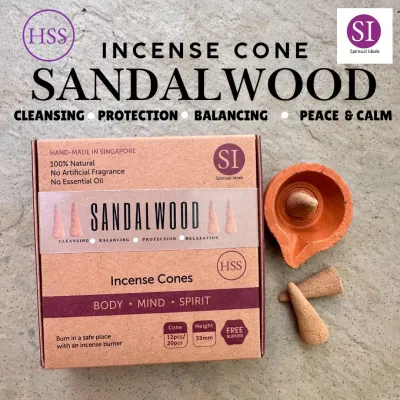
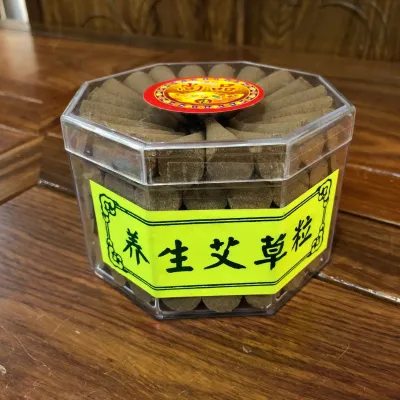
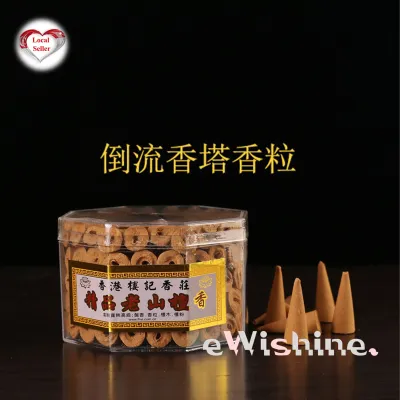
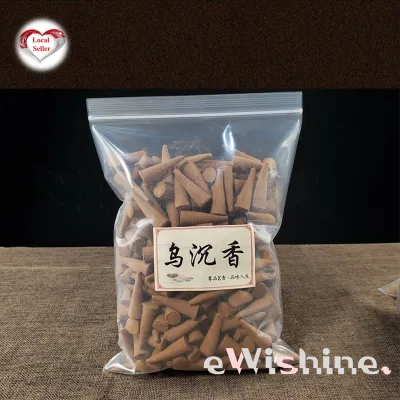
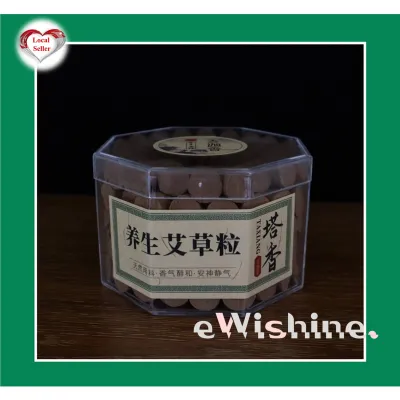
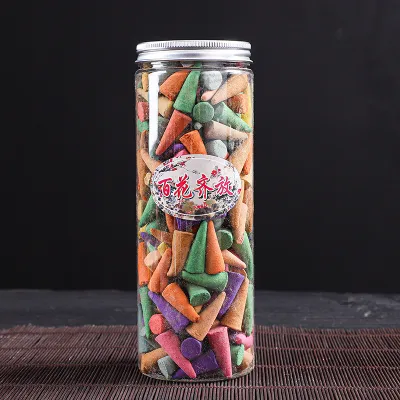
Prices are valid at publication and may change. Please refer to the product page for the latest price.
Santalum album, commonly known as Indian or East Indian sandalwood, is the traditional gold standard for deep meditation and spiritual practices. It is highly prized for its rich, sweet, warm, and deeply creamy aroma. The scent profile of genuine Indian sandalwood is exceptionally stable and long-lasting, containing high concentrations of santalol, the active compound responsible for its grounding and calming properties. This deep, heavy profile is ideal for quietening mental chatter, lowering stress levels, and anchoring your focus during intensive mindfulness sessions. However, due to historical over-harvesting, genuine Indian sandalwood is highly regulated and carries a premium price.
Santalum spicatum, or Australian sandalwood, offers a distinctly different aromatic experience. It features a lighter, woodier, slightly sharper, and more herbaceous aroma. Because it contains lower levels of santalol and higher amounts of farnesol, its character is fresher, greener, and more clinical. This makes Australian sandalwood excellent for daytime focus, light reading, yoga, or refreshing an indoor space, though it may lack the deep, heavy grounding effect sought for deep meditation.
Santalum austrocaledonicum and Santalum yasi, which are Indonesian and Pacific island variants, provide an earthy, robust, and slightly smoky aroma. These regional species offer a rustic, wood-forward profile that is highly comforting for general evening relaxation and casual unwinding.
Beyond botanical origin, the physical layout of Singapore homes, such as HDB flats or high-rise condominiums, plays a critical role in scent selection. In smaller, enclosed, or air-conditioned spaces, a heavy scent can quickly saturate the air. If you burn a highly concentrated or synthetic cone in a room with limited air volume, the scent can become cloying and irritating. Conversely, a light Australian sandalwood profile may disperse too quickly in a large, naturally ventilated living room with open windows. Matching the botanical profile to your specific room size and ventilation setup ensures the aroma remains a subtle, supportive background element rather than an intrusive distraction.
It is also vital to distinguish between pure wood powder and synthetic “sandalwood fragrance.” Pure sandalwood cones are made by grinding the heartwood of the tree into a fine powder and mixing it with a natural binder. Synthetic cones, on the other hand, often use cheap, unscented wood sawdust or charcoal as a base, which is then soaked in synthetic fragrance oils designed to mimic sandalwood. These synthetic formulations frequently contain phthalates, synthetic musks, and petrochemical solvents. When burned, these chemicals release volatile organic compounds (VOCs) that can cause sensory fatigue, headaches, coughing, or respiratory irritation during prolonged relaxation sessions. Checking labels for botanical names like Santalum album rather than generic terms like “sandalwood fragrance” or “perfume” is the first step toward a safe, clean burn.
Essential Quality and Safety Checks Before Purchasing
Evaluating the quality and safety of an incense cone before purchasing is essential for maintaining a healthy indoor environment.

Ingredient Transparency High-quality incense manufacturers are transparent about their ingredients. A premium sandalwood incense cone typically consists of only two or three ingredients: pure sandalwood wood powder, a natural plant-based binder, and sometimes pure essential oils or natural water. The most respected natural binder is makko powder, derived from the bark of the Machilus thunbergii tree. Makko is water-soluble, adhesive, and virtually odorless, meaning it does not alter the natural scent of the burning sandalwood. In contrast, mass-produced, low-quality cones often utilize synthetic chemical binders, animal glues, or chemical combustion accelerants like potassium nitrate (saltpeter). These additives are used to ensure the cone burns quickly and completely, but they produce a harsh, acrid, black smoke that smells of burning chemicals and leaves a bitter residue in the air.
Burn Characteristics You can assess the quality of a sandalwood incense cone by observing its physical burn behavior. When lit, a high-quality cone should ignite easily and, after the flame is gently blown out, maintain a steady, glowing red ember without sparking, popping, or spitting. The smoke rising from the tip should be thin, pale blue or white, and rise in a gentle, continuous stream. If you notice thick, dark, or black smoke, this is a clear indicator of synthetic additives, heavy oils, or chemical binders. Additionally, pay attention to the ash left behind. Natural sandalwood and makko powder burn down to a very fine, light grey or off-white ash that retains the shape of the cone briefly before crumbling into a soft, flour-like dust. If the ash is dark grey, black, gritty, or hard, it suggests the presence of charcoal fillers or synthetic binding agents. Always check the manufacturer-stated burn times on the packaging. A standard 2.5 cm to 3 cm cone typically burns for 15 to 30 minutes, but actual times can vary based on density and formulation; do not assume a universal duration.
Safety and Emissions While the term “natural” is frequently used as a marketing buzzword, it is not a guarantee of safety. When shopping for incense, look for manufacturers that provide clear ingredient lists and, where possible, safety or non-toxic certifications from reputable testing laboratories (such as SGS or local environmental standards). These tests verify that the burning incense does not release harmful levels of heavy metals, formaldehyde, or benzene into your home. Always turn the packaging over to verify vague front-of-box claims like “all-natural” or “pure organic” against the actual ingredient list on the back. If the manufacturer does not list the ingredients or relies solely on terms like “proprietary fragrance blend,” it is safer to avoid using them in enclosed spaces.
Recommended Sandalwood Incense Cone Types for Specific Relaxation Scenarios
To help you choose the right format for your home, we have categorized the most common sandalwood incense cone options based on your specific activity, spatial constraints, and aesthetic preferences.
Pure Sandalwood Cones for Deep Meditation
For individuals dedicated to deep meditation, mindfulness, or breathwork, pure, single-origin sandalwood cones offer an unparalleled experience. These cones are formulated without any secondary aromatic ingredients, allowing the true, unadulterated character of the wood to shine. The scent profile of pure sandalwood is linear, meaning it remains consistent from the moment the cone is lit until the last ember dies down. This consistency is highly beneficial for meditation, as it provides a stable, grounding sensory anchor that does not distract the mind with changing scent notes.
Because genuine, high-quality Santalum album is a scarce and highly regulated resource, pure sandalwood cones are significantly more expensive than blended or synthetic options, often costing between S$1.50 and S$3.00 per cone. To fully appreciate their subtle, complex, and creamy nuances, they should be burned in a quiet, dedicated space free from competing household odors, cooking smells, or strong drafts.
Blended Sandalwood Cones for Casual Home Relaxation
If your goal is to create a warm, inviting, and comfortable atmosphere for casual activities like reading, gentle yoga, or unwinding after a long workday, blended sandalwood cones are an excellent choice. These products combine a sandalwood base with complementary natural botanicals, resins, or essential oils to soften the heavy, dry woodiness of pure sandalwood.
Common natural additions include lavender (for promoting restful sleep), frankincense or myrrh (for an earthy, resinous, and purifying atmosphere), citrus notes like bergamot or sweet orange (to uplift the mood and reduce anxiety), or light florals like jasmine and rose. These blends create a more dynamic, multi-layered ambient scent that is highly suitable for general living spaces. When selecting blended cones, it is crucial to verify that the secondary scent notes are derived from natural plant powders or pure essential oils rather than synthetic perfumes, ensuring that the blend remains gentle on your respiratory system.
Backflow Sandalwood Cones for Visual and Aromatic Ambience
For those who prioritize visual relaxation alongside aromatic benefits, backflow sandalwood cones offer a unique sensory experience. These cones are specifically designed with a hollow inner chamber that runs vertically through the center, ending in an exit hole at the flat base. As the cone burns, the smoke travels downward through this hollow core. Because the air inside the chamber is cooler than the air surrounding the burning tip, the smoke cools, condenses, becomes heavier than the ambient air, and cascades downward through the bottom hole like a slow-flowing liquid waterfall. This creates a mesmerizing, highly soothing visual effect when paired with a dedicated backflow burner.
However, because backflow cones require a higher oil content and specific natural binders to ensure the smoke is dense enough to flow downward, their aroma is often stronger, heavier, and sometimes slightly more pungent or smoky than standard upward-burning cones. Furthermore, backflow cones must be used with specialized backflow burners that feature a matching center hole to allow the smoke to pass through. Regular maintenance is non-negotiable: the heavy oils and resins in the smoke leave a sticky, yellowish, and highly fragrant residue on the burner surface. If this residue is not cleaned regularly with warm, soapy water or a quick wipe of isopropyl alcohol, it will scorch during subsequent burns, creating an unpleasant burnt smell, blocking the airflow, and posing a minor fire hazard.
Optimizing the Burning Experience in Singapore Homes
Singapore’s tropical climate and unique indoor environments require specific adjustments to ensure your incense burns safely and effectively.
Airflow and Ventilation Singapore’s tropical climate presents unique challenges for burning incense indoors. Many residents alternate between natural ventilation with open windows and sealed, air-conditioned rooms. When burning a sandalwood incense cone in an air-conditioned space, position the burner away from the direct path of the AC blower, ceiling fans, or standing fans. Direct, strong drafts will cause the cone to burn much too quickly, unevenly, or even blow fine ash across your furniture. However, you should never burn incense in a completely sealed, unventilated room. Always crack a window or keep a door slightly open to allow a gentle, continuous exchange of fresh air. This prevents the accumulation of smoke and carbon monoxide while ensuring the delicate aroma of the sandalwood remains pleasant and subtle.
Humidity and Storage The high ambient humidity in Singapore, which frequently averages above 80%, can severely impact the quality and performance of your incense cones. Sandalwood and natural binders are highly hygroscopic, meaning they readily absorb moisture from the surrounding air. If your cones become damp, they will be difficult to light, may sputter, burn unevenly, or repeatedly self-extinguish before reaching the base. To prevent this, never store your incense in its original cardboard box or paper packaging exposed to the open air. Instead, transfer your cones into airtight glass jars, metal tins, or high-quality plastic containers. Adding a few food-safe silica gel desiccant packets (commonly found in food packaging) into the storage container will absorb any trapped moisture and keep your incense dry, ensuring a clean, reliable, and consistent burn every time.
Burner Selection and Fire Safety Fire safety is paramount when burning any form of incense. Always place your incense burner on a stable, flat, heat-resistant, and non-combustible surface, such as a tray made of ceramic, stone, concrete, or heavy metal. Never place a burner directly on wooden tables, plastic mats, or near flammable household items like curtains, books, paper, or bedding. Ensure the burner is positioned out of reach of curious pets and young children who might accidentally knock it over. Never leave a burning incense cone unattended. If you must leave the room or step out of your home before the cone has finished burning, do not simply blow on it or assume it will go out safely. You must fully extinguish the glowing ember. The safest way to do this is to carefully dip the burning tip into a small cup of water or smother it completely in a bowl of clean sand.
Frequently Asked Questions (FAQ)
How can I tell if my sandalwood incense cones are made from natural ingredients?
You can verify the authenticity of your sandalwood incense cones through several simple, low-risk observations at home. First, evaluate the scent of the unlit cone. Natural sandalwood cones have a very subtle, mild, and warm woody aroma that only releases its full depth when heated. If the unlit cone smells intensely sweet, soapy, or like strong perfume right out of the box, it likely contains synthetic fragrance oils. Second, observe the smoke during burning. Natural cones produce a thin, light-colored (white or pale blue) smoke that disperses easily and is gentle on the eyes and throat. Synthetic cones often produce thick, dark smoke that can cause your eyes to water or irritate your throat. Finally, examine the ash. Natural sandalwood and plant-based binders burn down to a fine, soft, light grey or off-white ash that crumbles easily into a flour-like powder. If the ash is dark, black, gritty, or hard, it indicates the presence of synthetic fillers, charcoal, or chemical binders.
Why does my incense cone keep going out before it finishes burning?
If your sandalwood incense cone repeatedly self-extinguishes before burning to the base, it is usually due to one of three common issues: excess moisture, poor oxygen supply, or a manufacturing defect. In Singapore’s humid climate, the most frequent culprit is moisture absorption. If the cone has absorbed dampness from the air, the ember cannot sustain the heat required to burn through the wood powder. You can easily resolve this by placing the damp cones in an airtight container with several silica gel desiccant packets for 24 to 48 hours to dry them out. Another common cause is suffocation due to poor airflow. If you are using an enclosed decorative burner, ensure it has sufficient ventilation holes to allow oxygen to reach the ember; otherwise, burn the cone on an open dish. Lastly, if the cone still fails to burn after drying and ensuring proper ventilation, it may be a defective batch with an incorrect ratio of wood powder to binder, in which case you should contact the manufacturer or switch to a higher-quality brand.
Community discussion
Share your experience or ask a question. Comments are reviewed before publication.