
Sandalwood incense has been cherished for centuries across various cultures for its rich, warm, and grounding aroma. Finding the best sandalwood incense sticks for your home depends entirely on how you plan to use them. Whether you want to deepen your meditation practice, unwind after a demanding workday, or simply maintain a welcoming ambient scent in your living space, the composition and format of the incense will determine your experience.
Selecting the right stick requires balancing scent purity, smoke output, and ingredients. For focused mindfulness, pure solid-wood sticks offer a clean, distraction-free atmosphere. For relaxation, blended sticks featuring soothing botanicals provide a softer aromatic profile. For daily home use, lighter formulations with shorter burn times keep spaces fresh without overwhelming them. Understanding these distinctions ensures you select a high-quality product that aligns with your lifestyle and home environment.
How to Choose the Right Sandalwood Incense
To make an informed purchase, you must first understand what goes into a high-quality incense stick. The market is flooded with options ranging from premium, artisanal creations to mass-produced synthetic alternatives. Knowing how to read product labels and identify core materials will help you find a product that is both safe to burn and true to the natural fragrance of sandalwood.
Products mentioned in this guide
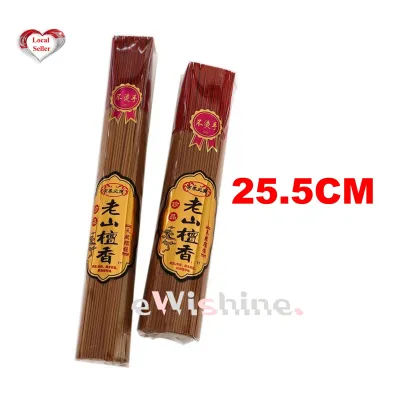
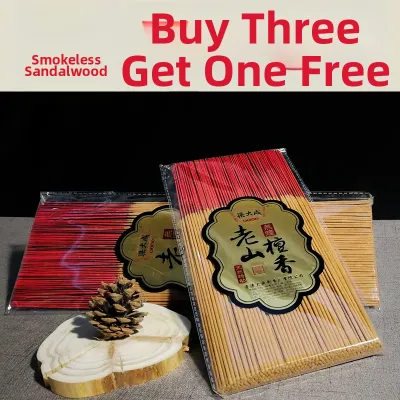
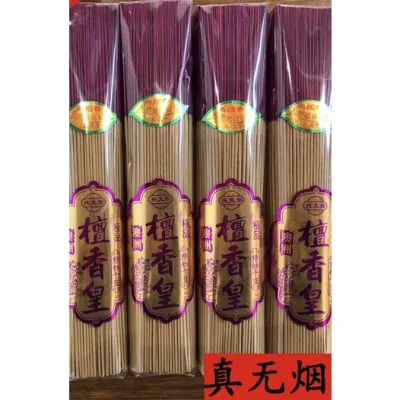
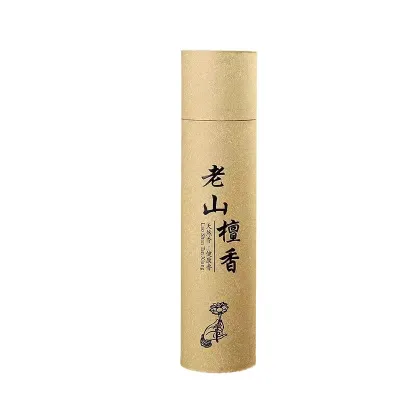
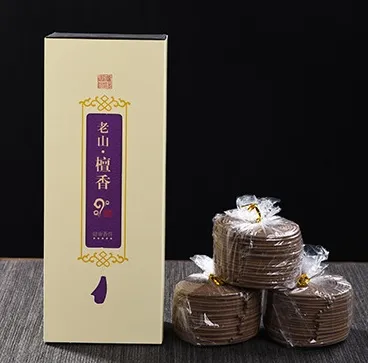
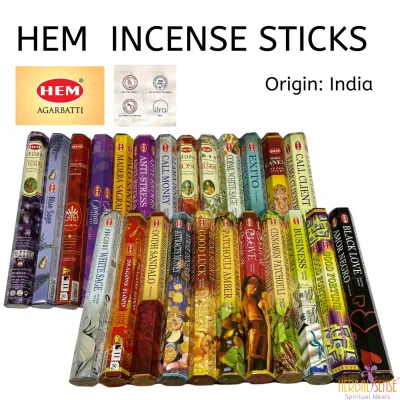
Prices are valid at publication and may change. Please refer to the product page for the latest price.
Ingredient Composition and Transparency The primary factor in incense quality is the source of the fragrance. Premium incense utilizes 100% natural wood powder, typically derived from Santalum album (Indian sandalwood) or Santalum spicatum (Australian sandalwood). These natural powders are bound together using natural plant-based binders, such as tabu-no-ki (the bark of the Machilus thunbergii tree). Mid-tier options may use a charcoal or wood base infused with natural essential oils. Lower-grade options, however, rely heavily on synthetic fragrance oils and chemical binders. When shopping, look for brands that explicitly state their ingredients. Avoid packaging that lists generic terms like “perfume” or “fragrance” without specifying the natural origin, as synthetic additives can produce harsh, acrid smoke that irritates the eyes and respiratory system.
Bamboo-Cored vs. Solid Extruded Sticks Incense sticks generally fall into two structural categories: bamboo-cored (often associated with Indian agarbatti style) and solid extruded (typical of Japanese senko style).
- Bamboo-Cored Sticks: These feature a central bamboo sliver coated in a paste of wood powder, binder, and fragrance. They are highly durable, easy to handle, and typically offer a robust fragrance throw with a longer burn time. However, as the stick burns, the bamboo core itself combusts, introducing a distinct woody, smoky undertone to the aroma.
- Solid Extruded Sticks: These are composed entirely of incense paste pressed into a stick shape without any central core. Because there is no wood core to burn, the scent remains exceptionally pure and consistent from start to finish. They also produce significantly less smoke, making them highly desirable for smaller rooms or sensitive noses.
Ash Drop and Burn Consistency The physical behavior of the burning incense is an important consideration for indoor use. High-quality sticks burn evenly without sputtering or self-extinguishing. Additionally, pay attention to the ash drop. Well-formulated sticks produce cohesive ash that falls directly downward rather than scattering. This makes cleanup straightforward and prevents fine ash from drifting onto furniture or textiles.
A Quick Verification Checklist Before finalizing a purchase from an online marketplace or a specialty boutique, run through this quick checklist to verify quality:
- Check for a clear list of ingredients, prioritizing natural wood powders and essential oils over synthetic perfumes.
- Identify the country of origin and the manufacturing style (such as traditional Japanese or Indian methods).
- Look for safety certifications or statements indicating the product is free from synthetic binders, phthalates, and heavy metals.
- Verify the physical dimensions and core type to ensure the stick fits your existing burner or holder.
Best Sandalwood Incense for Meditation and Focus
Meditation and mindfulness practices require an environment free from sensory distractions. The ideal incense for this scenario must support a calm, focused mental state without drawing undue attention to itself or causing physical discomfort during deep breathing exercises.

The Ideal Scent Profile for Focus For deep focus, look for a pure, grounding, and traditional sandalwood profile. High-quality aged sandalwood possesses a deep, dry, and slightly sweet woody character that naturally encourages slow, deep breathing. This aroma acts as an olfactory anchor, helping to quiet mind chatter and establish a sacred space for practice. Avoid complex blends that introduce bright florals or heavy musks, as these active notes can stimulate the mind rather than settle it.
The Importance of Low-Smoke Formulations During long meditation or breathing sessions, air quality is paramount. Standard incense can release heavy smoke that irritates the throat and lungs, disrupting your concentration. Opt for low-smoke or designated “smokeless” formulations. These are typically solid extruded sticks made with high-grade carbonized wood or pure wood powders with minimal binders. They release a delicate, thin stream of smoke that carries the aroma efficiently without clouding the room or triggering a cough reflex.
Why Solid Extruded Sticks Excel Solid extruded sticks are the gold standard for meditation. Because they lack a bamboo core, you experience only the pure, unadulterated aroma of the sandalwood itself. The absence of burning bamboo ensures that no acrid, smoky notes interfere with the clean, woody fragrance. This purity allows you to maintain a consistent sensory environment throughout your entire practice.
Meditation Buyer’s Checklist When selecting sandalwood incense specifically for meditation or yoga, keep these criteria in mind:
- Core Style: Choose solid extruded (coreless) sticks to ensure maximum scent purity.
- Smoke Level: Look for products explicitly labeled as "low-smoke" or "smokeless."
- Purity: Confirm the use of natural sandalwood powder or pure essential oils rather than synthetic substitutes.
- Additive Check: Avoid products containing heavy synthetic musks, artificial colorants, or strong floral additives.
Top Sandalwood Picks for Relaxation and Stress Relief
After a long, demanding day, your sensory needs shift from intense focus to deep relaxation and comfort. Sandalwood incense designed for stress relief often incorporates complementary botanical elements to create a warm, enveloping atmosphere that helps ease physical and mental tension.
Calming Botanical Blends While pure sandalwood is highly grounding, blending it with other calming herbs and resins can enhance its stress-relieving properties. Look for formulations that pair a rich sandalwood base with soothing top and middle notes:
- Lavender: Known for its calming properties, lavender softens the dry woodiness of sandalwood, creating a peaceful, herbaceous blend perfect for evening use.
- Chamomile: Adds a subtle, sweet, apple-like herbal note that promotes a sense of quiet comfort.
- Vanilla or Benzoin: These ingredients introduce a warm, balsamic sweetness that makes the overall aroma feel incredibly cozy and reassuring.
- Frankincense: Combining sandalwood with frankincense creates a classic, resinous blend that helps slow down a racing mind and encourages deep relaxation.
Exploring Alternative Sandalwood Profiles Not all sandalwood smells the same. While traditional Indian Mysore sandalwood is prized for its deep, rich, and dry woody notes, Australian sandalwood (Santalum spicatum) offers a distinct alternative. Australian sandalwood is often described as lighter, slightly sweeter, and creamier, with a subtle green or earthy undertone. This softer, gentler profile is highly approachable and excellent for creating an inviting, stress-free environment in your living room or bedroom.
Atmospheric Medium-Smoke Options Unlike the strict low-smoke requirements of meditation, a medium-smoke incense can be highly effective for relaxation. The gentle, visible drift of smoke rising from a burner has a mesmerizing, almost hypnotic quality that can help quiet a busy mind. As long as the space is properly ventilated, a light plume of smoke adds a cozy visual element to your wind-down routine.
Integrating Incense into Your Evening Routine To maximize the stress-relieving benefits of your incense, pair it with a dedicated evening transition routine. Light your stick ten to fifteen minutes before you plan to relax, allowing the fragrance to disperse throughout the room. Always check the product packaging for non-toxic, allergen-aware, or natural-only labels to ensure that your path to relaxation does not introduce unwanted chemical irritants into your resting space.
Ideal Sandalwood Incense for Everyday Home Fragrance
Using incense as a daily home fragrance requires a different approach than using it for specialized practices. For everyday use, the goal is to keep your living space smelling clean, fresh, and inviting without causing scent fatigue or overwhelming the household.
Lighter, Modern Interpretations To prevent a heavy, temple-like atmosphere in your daily life, look for modern, lighter interpretations of sandalwood. Many contemporary incense makers blend sandalwood with fresh, uplifting notes:
- Citrus and Bergamot: These bright, zesty notes cut through the density of the wood, resulting in a clean, energizing fragrance that works beautifully in the morning or afternoon.
- Green Tea: Pairing green tea with sandalwood yields a crisp, dry, and slightly grassy aroma that feels incredibly refreshing and modern.
- Light Florals: Subtle hints of jasmine or cherry blossom can lift the sandalwood base, adding a delicate, airy quality to your home's ambient scent.
Shorter Burn Times and Portion Control For quick fragrance refreshes, especially in smaller apartments or high-rise homes, a standard 40-minute burn time can sometimes deposit too much scent. Consider purchasing shorter sticks designed for 15 to 20 minutes of burn time. Alternatively, you can easily break longer, solid extruded sticks in half to customize the burn duration. This practice allows you to enjoy a burst of fresh fragrance without letting the smoke accumulate or become overpowering.
Aesthetic and Functional Burners Daily use means your incense burner will become a permanent fixture of your home decor. Investing in a high-quality, decorative burner serves both aesthetic and functional purposes. Look for ceramic, brass, or stone holders designed with wide catch-basins to ensure all falling ash is contained. Tower-style burners or horizontal box burners (where the stick lies flat on a bed of non-combustible felt or ash) are excellent options for keeping your surfaces clean and preventing ash from blowing away in a breeze.
Managing Fragrance Throw and Airflow Before lighting incense daily, assess the layout and airflow of your living space. A large, open-concept living area can handle a more robust incense stick with a wider fragrance throw. Conversely, a compact study or bedroom requires a delicate, low-smoke stick. Always place the burner in a location with gentle, indirect airflow to help distribute the scent evenly throughout the room rather than letting it pool in a single corner.
Safe Burning and Ventilation Tips for Your Home
Burning incense involves open flame and combustion, making safety and proper ventilation essential considerations for any indoor environment. This is particularly true in modern, compact, or high-rise apartments where airflow may be limited.
Fundamental Fire Safety Guidelines To enjoy your sandalwood incense safely, always adhere to these core fire safety practices:
- Use Heat-Resistant Burners: Always place your incense in a burner made of non-flammable, heat-resistant materials such as ceramic, stone, brass, or thick glass.
- Stable Placement: Set your burner on a flat, stable, and heat-resistant surface away from the edges of tables or shelves.
- Clear the Area: Ensure the burning stick is kept far away from drafts, open windows, curtains, hanging textiles, books, and any other flammable materials.
- Supervision: Never leave burning incense unattended. Always extinguish the ember completely if you need to leave the room or go to sleep.
Smart Ventilation Strategies In high-rise apartments, keeping indoor air clean while burning incense requires deliberate ventilation. Never burn incense in a completely sealed, air-conditioned room. Instead, crack a window or balcony door slightly to establish a gentle cross-breeze that carries excess smoke outside. If you use an air purifier, position it a reasonable distance away from the burner; this allows the fragrance to disperse naturally before the purifier’s HEPA and carbon filters capture the smoke particles.
Ash Disposal and Burner Maintenance Regular maintenance of your incense accessories prevents safety hazards and preserves the purity of your fragrance. Allow the ash to cool completely before discarding it. Over time, residual oils, tar, and unburnt binders can build up on your burner, creating a stale, burnt odor when heated. Clean your burners regularly with warm, soapy water or a damp cloth, following any specific care instructions provided by the manufacturer.
Knowing When to Stop Always prioritize your physical well-being. If burning incense triggers coughing, throat irritation, watery eyes, or makes the room feel stuffy, extinguish the stick immediately and open your windows fully. Always read and follow the specific safety and usage instructions printed on your product’s packaging. If you have pre-existing respiratory conditions, consult a medical professional before introducing incense into your home.
Frequently Asked Questions (FAQ)
How long do sandalwood incense sticks typically burn?
The burn time of a sandalwood incense stick depends on its physical dimensions, thickness, and composition. Generally, short, solid extruded Japanese-style sticks (around 12 to 14 centimeters in length) burn for approximately 20 to 30 minutes. Standard-length bamboo-cored sticks (around 20 to 22 centimeters) typically burn for 40 to 60 minutes. Because these times vary widely by brand and environmental factors like drafts, always verify the estimated burn time on the manufacturer’s packaging.
Can sandalwood incense expire or lose its scent?
While dry wood powder does not expire or spoil in the traditional sense, incense can lose its aromatic potency over time. The natural essential oils responsible for the rich sandalwood scent will gradually evaporate if exposed to air, heat, and light. To preserve the quality of your incense, store the sticks in an airtight container, such as a sealed tin or a glass tube, and keep them in a cool, dry place away from direct sunlight and high humidity.
Is it safe to burn incense around pets?
Pets, particularly cats, dogs, and birds, have highly sensitive respiratory systems and olfactory senses that can easily be irritated by smoke and strong fragrances. If you choose to burn incense in a home with pets, ensure the room is exceptionally well-ventilated, keep the burner completely out of their physical reach, and never leave them unattended with a burning stick. Monitor your pet’s behavior closely for signs of respiratory discomfort, such as sneezing, watery eyes, or coughing, and stop burning immediately if these occur.
Community discussion
Share your experience or ask a question. Comments are reviewed before publication.