
A candle warmer offers a flame-free way to enjoy home fragrances, but not all candles perform equally under a heating element. To achieve a strong fragrance throw, you must match your candle’s wax formulation and jar design to the specific heating mechanism of your warmer.
The strength of a candle’s scent throw under a warmer depends on three primary factors: the wax’s melting point, the concentration of fragrance oils (fragrance load), and how evenly heat distributes through the jar.
For an immediate, room-filling aroma, candles made with high-quality paraffin or custom paraffin-blend waxes generally perform best because of their lower melting points and high oil capacities. If you prefer a slower, more sustained release of complex scent notes, natural waxes like coconut, soy, or apricot blends are highly effective, particularly when paired with a top-down lamp warmer.
Products mentioned in this guide
![[SG Stock] Candle Warmer Lamp Lamp for Scented Candles like Yankee Candle Holder Burner](https://img.lazcdn.com/g/ff/kf/Sfe69efd5ae8a42b9ac7839067b238b9fb.jpg_400x400q80.jpg_.webp)
![Modern Candle Wax Warmer Lamp with Wooden Base [local SG stocks]](https://img.lazcdn.com/g/p/fc004a6ccc56f9a64ac05d0a79e923d3.jpg_400x400q80.jpg_.webp)
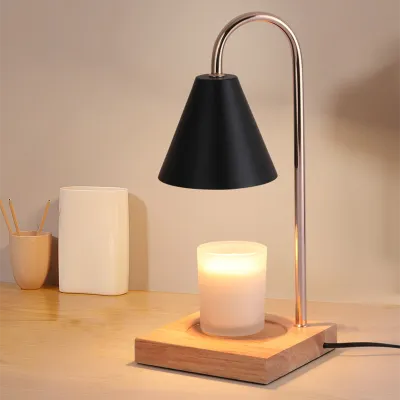
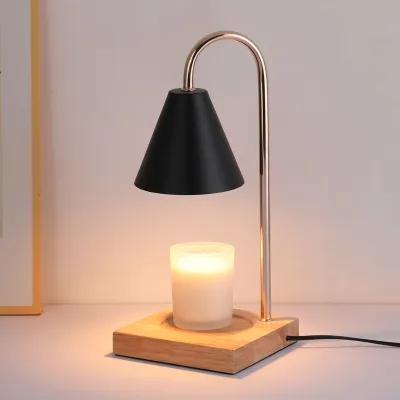
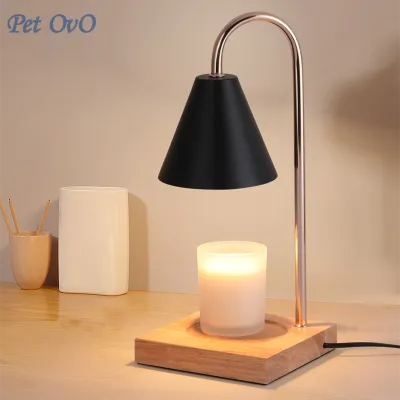
![🇸🇬 [In Stock]Candle Warmer Lamp Scented Candles Electric Mini Small Aromatherapy Atmosphere Lamp Expand Fragrance](https://img.lazcdn.com/g/p/77a67cdeb1d2a459113325586acec57f.jpg_400x400q80.jpg_.webp)
![[😀SG Ready Stock]Scented Candles Electric Candle Warmer Lamp Expand Fragrance Mini Small Aromatherapy Atmosphere Lamp](https://img.lazcdn.com/g/p/97ca54a89529253d57f14d00974e4194.jpg_400x400q80.jpg_.webp)
Prices are valid at publication and may change. Please refer to the product page for the latest price.
Ultimately, the best brand for your setup depends on your spatial needs. A large, open-concept living area in a typical Singapore apartment requires a highly concentrated formulation, whereas a small study or air-conditioned bedroom benefits from the gradual, nuanced diffusion of a premium natural wax blend.
How Warmers Change Fragrance Diffusion Compared to Burning
To understand why certain candles excel on a candle warmer, it helps to examine how heating methods alter the chemical behavior of scented wax. When you light a candle wick, you initiate combustion. The flame melts the wax, draws it up the wick, and burns it, which vaporizes both the wax and the fragrance oils.
While combustion projects scent quickly, the high temperature of an open flame can actually degrade or burn off delicate top notes before they can disperse into the room. This process also produces soot, smoke, and carbon byproducts, which can subtly alter the purity of the fragrance and leave residue on nearby walls or ceilings.
In contrast, a candle warmer relies on gentle convection or radiant heat to liquefy the wax. Because there is no open flame, the temperature remains significantly lower and more stable. The wax pool melts evenly from the top down (with lamp warmers) or bottom up (with plate warmers), allowing the fragrance oils to evaporate steadily into the air.
This flame-free evaporation preserves the integrity of complex scent profiles, resulting in a cleaner, more true-to-life fragrance throw. Because the wax itself does not burn away—only the volatile fragrance oils evaporate—the physical volume of the wax remains unchanged, even as the scent gradually diffuses over dozens of hours.
Key Formulation Traits for Warmer-Compatible Candles
When selecting candles specifically for use with a candle warmer, relying on brand names alone is rarely enough. You must evaluate the physical and chemical traits of the candle to predict how it will behave under a thermal heat source.

Wax Blends and Melting Points
The composition of the wax dictates how quickly a melt pool forms. Paraffin wax has a relatively low melting point and a crystalline structure that releases fragrance molecules easily, making it highly responsive to low-heat warmers.
Natural waxes, such as soy, coconut, and apricot, have different thermal properties. Pure soy wax has a higher melting point and a tighter molecular structure, which means it requires sustained, steady heat to release its scent. Coconut and apricot waxes melt at lower temperatures than soy and possess an excellent natural ability to bind with fragrance oils, resulting in a smooth, highly efficient throw when warmed.
Fragrance Load and Oil Binding
The fragrance load refers to the percentage of fragrance oil mixed into the wax during manufacturing, typically ranging from 6% to 12%. High-quality candles formulated for maximum throw push this limit to the maximum stable percentage.
However, if the oil is not properly bound to the wax, it can pool at the bottom or separate. Warmers are excellent at drawing out these oils evenly, but a candle with a low fragrance load will quickly lose its aroma under the continuous heat of a warmer.
Jar Geometry and Glass Thickness
The physical vessel plays a crucial role in thermal conductivity. Thick, heavy glass jars act as insulators, slowing down the heat transfer from a plate warmer to the wax.
Conversely, thin-walled, wide-mouthed jars allow heat to penetrate quickly, creating a broad surface area of melted wax. A wider melt pool directly correlates with a stronger scent throw, as more surface area allows more fragrance oil to evaporate simultaneously.
Candle Brand Profiles Known for Strong Fragrance Throw
Different candle manufacturers use proprietary wax recipes and fragrance oil grades designed for specific performance characteristics. When using a candle warmer, identifying these formulation styles helps you select the right candle for your desired scent intensity and longevity.
The following profiles highlight how different brand formulations interact with warmers. These examples showcase broader categories of wax chemistry and design, helping you make informed decisions based on the technical specifications of your home setup.
High-Oil Paraffin and Custom Blends
Brands that specialize in paraffin-dominant or custom mineral wax blends are renowned for producing a powerful, immediate fragrance throw that can easily fill large rooms or open floor plans.
- Yankee Candle: Known for its classic paraffin formulation, this brand performs exceptionally well on both plate and lamp warmers. The dense wax holds a high volume of fragrance oil, which is released rapidly once a full melt pool is established. Because the wax melts completely, the scent throw is highly pronounced, though the initial intensity may taper off more quickly than natural wax alternatives.
- Bath & Body Works: These candles typically feature a proprietary soy-paraffin blend paired with three wicks. When placed under a top-down lamp warmer, the wide jar diameter and the highly concentrated fragrance oils create an almost instantaneous, robust scent throw.
While these formulations offer unparalleled immediate volume, the high rate of fragrance evaporation means the scent will deplete faster. Additionally, because paraffin holds heat efficiently, you must monitor the glass jar closely on bottom-up plate warmers to ensure it does not overheat or crack if left on for extended periods.
Premium Coconut, Apricot, and Soy Wax Blends
For users who prefer a cleaner, more gradual fragrance release that persists over several weeks, natural wax blends offer an excellent balance of longevity and throw.
- Voluspa: This brand utilizes a proprietary coconut wax blend that has an exceptionally low melting point and a highly receptive molecular structure. When warmed under a top-down lamp, these candles liquefy quickly and release their complex, phthalate-free fragrances in a smooth, non-overwhelming manner. The coconut wax preserves the delicate middle and base notes beautifully.
- P.F. Candle Co.: Utilizing 100% soy wax, these candles feature botanical and earthy scent profiles. Because soy wax melts slowly and holds heat steadily, it performs best under a top-down lamp warmer that can maintain a consistent surface temperature. The scent throw is gentle and continuous, making it ideal for daily use in standard-sized rooms or home offices.
These natural blends excel under top-down radiant heat, which prevents the tunneling that often occurs when burning soy candles with a wick. They provide a highly sustainable scent life, though they may take slightly longer to reach peak fragrance intensity compared to paraffin-based options.
Luxury Botanical and Complex Scent Profiles
Luxury candle brands focus heavily on multi-layered perfumery, using high-grade essential oils and complex synthetic compounds that can be easily ruined by the high heat of a direct flame.
- Diptyque and Jo Malone: These high-end brands formulate their candles with custom wax blends designed to optimize the diffusion of highly sophisticated, delicate fragrance notes. When burned, the heat of the flame can sometimes scorch the premium botanical oils, altering the intended scent profile.
- Preserving Delicate Notes: Using a candle warmer with these luxury options preserves the top notes—such as citrus, light florals, and fresh herbs—allowing them to diffuse alongside the heavier base notes. This results in a much more accurate representation of the perfumer's original creation.
Because luxury candles often prioritize nuance over sheer volume, their scent throw may be more localized. To maximize your investment, place these candles under a dimmable lamp warmer in a smaller, draft-free space, such as a master bedroom or a dedicated study, where the intricate scent layers can be fully appreciated.
Matching Jar Shapes and Sizes to Your Warmer Type
To achieve an optimal melt pool and a strong fragrance throw, you must ensure that the physical dimensions of your candle jar align with the mechanical design of your candle warmer. Misaligned hardware and glassware can lead to uneven heating, weak diffusion, or even structural damage to the jar.
Lamp-Style Warmers (Top-Down Heat)
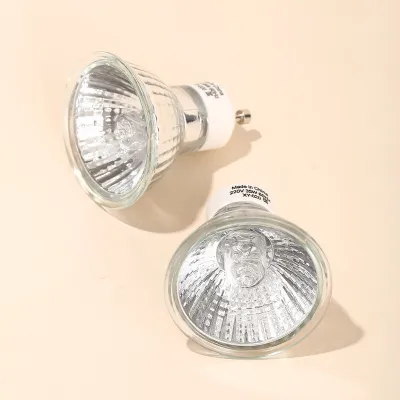
Top-down lamp warmers rely on halogen bulbs (typically 35W to 50W) to radiate heat onto the surface of the wax. For this system to work efficiently, the distance between the bulb and the top of the wax must be carefully managed.
If the candle jar is too tall, the wax surface will sit too close to the bulb, risking localized overheating, wax scorching, or thermal shock to the glass. If the jar is too short, the heat may not be intense enough to melt the wax fully, resulting in a weak scent throw. Look for adjustable-height lamp warmers or select medium-to-tall jars (such as standard apothecary jars) that sit roughly 8 to 12 centimeters below the light source.
Plate-Style Warmers (Bottom-Up Heat)
Bottom-up plate warmers transfer heat directly from a heating element through the bottom of the candle jar. This mechanism requires maximum surface contact between the plate and the glass.
Flat-bottomed jars are essential; any jar with a deeply recessed base, a pedestal, or heavily textured decorative glass will create an insulating air gap, preventing the heat from reaching the wax efficiently.
Jar Width and Melt Pools
The diameter of the jar mouth directly dictates the size of the melt pool. Wide-mouthed jars allow for a larger surface area of liquefied wax, which dramatically increases the rate of fragrance evaporation.
However, if a jar is too wide for a plate warmer, the outer edges of the wax may remain solid while the center liquefies. For plate warmers, stick to jars with a diameter that closely matches the heating pad (typically 8 to 10 centimeters). For lamp warmers, ensure the light beam is wide enough to melt the wax edge-to-edge to prevent tunneling down the center.
Electrical Safety, Heat Management, and Wax Maintenance
Operating a candle warmer requires careful attention to electrical specifications, thermal control, and regular maintenance of the wax to ensure both safety and consistent performance.
Electrical and Voltage Compatibility
In Singapore, the standard household electrical supply is 230V at 50Hz. If you purchase a candle warmer imported from overseas, you must verify that the device is rated for this voltage and matches local plug standards (typically Type G).
Operating a 110V appliance on a 230V circuit without a proper step-down transformer is an extreme fire hazard and will destroy the unit. Always check for valid electrical safety certifications and ensure the replacement halogen bulbs you buy match the exact wattage limit specified by the warmer manufacturer (usually GU10 fittings rated for 35W or 50W).
Heat Management and Dimmers
Excessive, uncontrolled heat can degrade fragrance oils, turning a pleasant aroma into a scorched, chemical smell and discoloring the wax. To prevent this, opt for candle warmers equipped with adjustable dimmer switches.
Starting the warmer on a high setting to establish the initial melt pool, then dimming it to a lower, stable temperature helps preserve the fragrance oils and extends the lifespan of the candle. Built-in automatic timers are also highly recommended to prevent the device from running continuously if you accidentally leave the house or fall asleep.
Wax Maintenance and Cleaning
Because a candle warmer does not consume the wax, the physical volume of the wax in the jar will remain constant even after all the fragrance oils have completely evaporated. Once you notice the scent throw has faded, you must remove the depleted top layer of wax to expose the fresh, highly fragranced wax underneath.
- The Cotton Ball Method: While the wax is still warm and liquid, carefully dip several cotton balls into the top layer to absorb the unscented wax. Dispose of the saturated cotton balls safely in a trash bin.
- The Freezer Method: For solid wax removal, place the cooled candle jar in the freezer for a few hours. The cold temperature will cause the wax to contract, allowing you to pop out the depleted solid disk easily.
Never pour liquid wax down household drains, as it will solidify and cause severe plumbing blockages.
Safety Boundaries
Always place your candle warmer on a flat, stable, heat-resistant surface away from drafts, open windows, and flammable materials like curtains or paper. Keep the operating unit completely out of reach of children and domestic pets to prevent accidental tips or burns from hot liquid wax. Always isolate the power supply by unplugging the device when cleaning the unit, changing the bulb, or leaving the room for an extended period.
Frequently Asked Questions (FAQ)
Can I use wooden wick candles on a warmer?
Yes, you can use wooden wick candles on both top-down and bottom-up warmers. Because the warmer relies on external heat rather than lighting the wick, the wood material does not affect the melting process. However, the wooden wick will remain saturated with wax and will not stand upright or function as a light source. If you plan to burn the candle in the future, keep in mind that repeated warming can drown the wick, making it difficult to relight.
Why does the scent fade after a few uses on a warmer?
Fragrance oils have a much lower boiling point than wax, meaning they evaporate into the air while the physical wax remains behind. After several warming cycles, the top layer of melted wax becomes completely depleted of fragrance oils. Even though the wax still melts, it will no longer emit a scent. To restore the fragrance throw, you must remove the unscented top layer of wax using cotton balls or by scraping it away once cooled, exposing the fresh, scented wax underneath.
Are candle warmers safe to leave on overnight?
No, it is not safe to leave a candle warmer operating overnight or while you are sleeping. Although warmers eliminate the open-flame hazard of traditional candles, they are still high-wattage electrical heating appliances. Continuous operation can cause the heating element or bulb to overheat, posing an electrical fire risk or causing the glass candle jar to crack from prolonged thermal stress. Always turn off and unplug the device before going to bed.
Community discussion
Share your experience or ask a question. Comments are reviewed before publication.