
For homeowners seeking a safer, cleaner, and more consistent way to fragrance their living spaces, a scented candle warmer has become an indispensable home accessory. By eliminating the open flame, these devices melt candle wax using top-down or bottom-up heat, releasing the embedded fragrance oils without producing smoke, soot, or indoor air pollutants. This flameless method is particularly beneficial in Singapore’s high-rise apartments and condominiums, where active air-conditioning systems create drafts that interfere with traditional candle burning, often leading to uneven melting, tunneling, and rapid wax consumption. To achieve the best olfactory experience, it is essential to pair your warmer with candles designed to respond optimally to gentle, controlled heat.
Selecting the right candle for a warmer involves understanding how different wax formulations, jar geometries, and fragrance concentrations react to thermal energy. While any candle will technically melt when exposed to heat, certain brands formulate their products with lower melting points and wider surface areas, making them exceptionally compatible with flameless warming. By choosing candles that align with these physical and chemical parameters, you can maximize scent throw, extend the lifespan of your candles, and maintain a safe, beautifully illuminated home environment.
What Makes a Candle Ideal for a Candle Warmer?
To understand why some candles perform better under a warmer than others, it is helpful to look at how these appliances operate. Unlike a flame that consumes both the wick and the wax, a warmer uses a heat source—typically a halogen bulb in a top-down lamp or a heating element in a bottom-up plate—to liquefy the wax. This distinction shifts the focus from how well a candle burns to how efficiently its wax melts and releases fragrance molecules under moderate thermal exposure.
Products mentioned in this guide
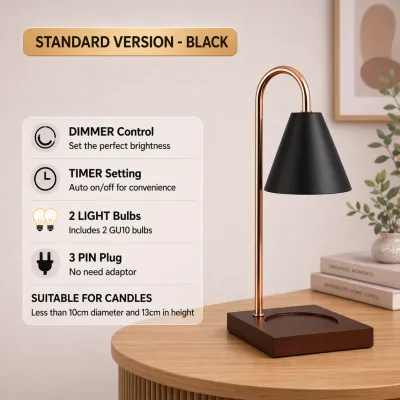
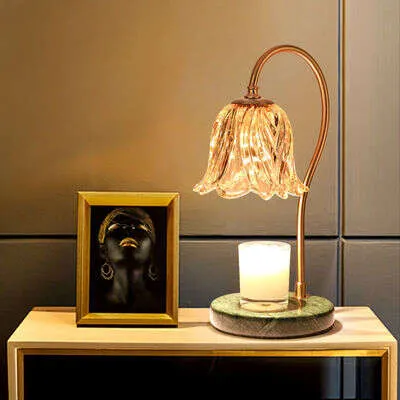
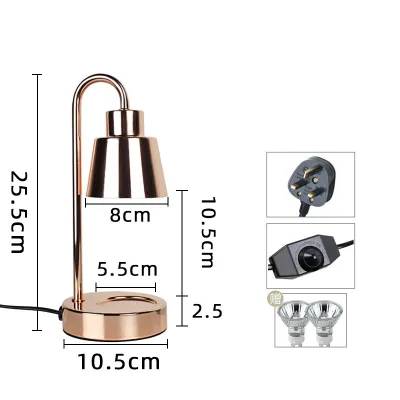
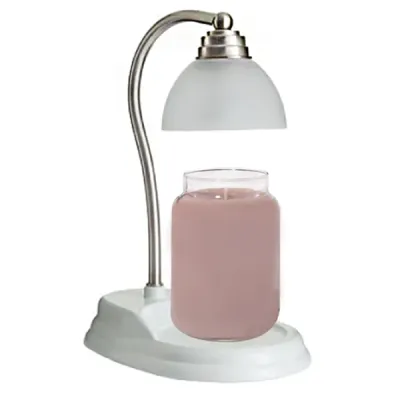
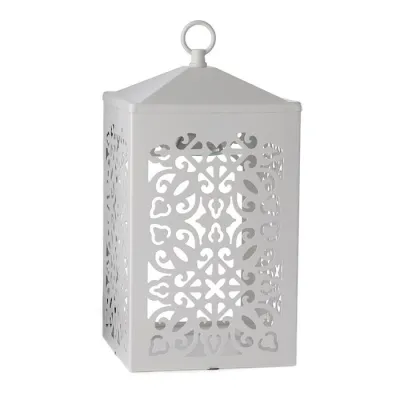
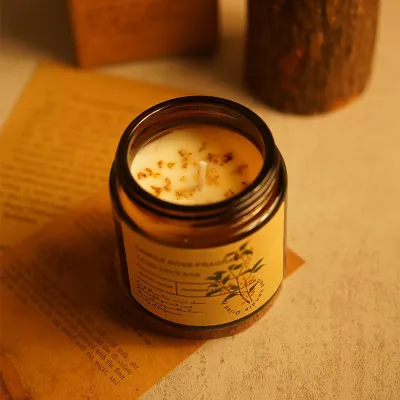
![[😀SG Ready Stock]Scented Candles Electric Candle Warmer Lamp Expand Fragrance Mini Small Aromatherapy Atmosphere Lamp](https://img.lazcdn.com/g/p/97ca54a89529253d57f14d00974e4194.jpg_400x400q80.jpg_.webp)
Prices are valid at publication and may change. Please refer to the product page for the latest price.
The chemical composition of the wax is the most critical factor in determining compatibility. Natural waxes, such as soy, coconut, and specialized vegetable blends, have lower melting points than traditional paraffin wax. For instance, coconut wax blends often begin to liquefy at temperatures as low as 38°C to 45°C, while pure soy wax typically melts between 49°C to 54°C. Because these waxes require less thermal energy to transition from a solid to a liquid state, they respond rapidly to the gentle heat of a 25-watt halogen bulb. This rapid transition creates a deep, even melt pool quickly, which is essential for a robust and immediate scent throw.
Jar geometry also plays a significant role in fragrance dispersion. The surface area of the exposed wax pool directly dictates the volume of fragrance oils that can evaporate into the air at any given time. Wide-mouth jars and multi-wick candle designs provide a much larger surface area than narrow, deep jars. When placed under a top-down warmer, a wide jar allows a larger portion of the wax to melt simultaneously, resulting in a more powerful scent throw that can easily fill open-concept living spaces. Conversely, tall, straight-sided jars are highly compatible with dome-style warming lamps, as their uniform shape allows the heat to distribute evenly down the sides of the glass.
In Singapore’s humid tropical climate, many households rely heavily on air conditioning to maintain a comfortable indoor temperature. This creates a unique challenge for traditional candle burning, as the constant draft from AC vents causes wicks to flicker, producing black soot and causing the wax to “tunnel” down the center, leaving a thick ring of wasted wax along the jar walls. A top-down warmer completely bypasses this issue by heating the entire surface of the wax uniformly, ensuring that no wax is wasted and no soot deposits accumulate on your walls, ceilings, or air filtration systems.
Top Scented Candle Brands for Warmers and Their Signature Scents
Certain home fragrance brands have gained a reputation among aromatherapy enthusiasts for producing candles that perform exceptionally well with flameless heating methods. These brands utilize high-quality wax blends and thoughtful vessel designs that maximize both the aesthetic and functional benefits of a warmer.

Voluspa
Voluspa is highly regarded for its proprietary coconut wax blend, which is specifically formulated to hold a high concentration of fragrance oils while maintaining an extremely low melting point. This clean-burning, sustainable wax base liquefies almost immediately under the light of a halogen warmer bulb. Because coconut wax is highly responsive to low levels of heat, it creates a generous melt pool within minutes, releasing complex, layered fragrances without requiring high-wattage bulbs that can overheat the container.
The brand’s packaging is equally optimized for warmers. Voluspa candles are housed in beautifully embossed glass jars, metal tins, and decorative vessels. When placed under a top-down warmer lamp, the light filters through the textured glass patterns, casting intricate shadows and serving as a striking decorative light fixture in your living room or bedroom. The wide-mouth design of their classic jars further enhances the rate of fragrance evaporation, making them ideal for larger rooms.
- French Cade Lavender: This calming, herbal fragrance features notes of French cade wood, rare verbena, and Bulgarian lavender. Under a warmer, the woody and herbal notes unfold gradually, creating a serene, spa-like atmosphere that is perfect for winding down in an air-conditioned bedroom after a long day.
- Goji Tarocco Orange: A vibrant, uplifting scent profile that combines tart goji berries, ripe mango, and sun-drenched tarocco orange. The low heat of a warmer preserves the bright, sparkling citrus top notes, which can sometimes be scorched or distorted by an open flame, delivering a clean and energizing aroma.
Yankee Candle
Yankee Candle is a household name famous for its extensive fragrance library and classic apothecary jar design. While traditionally burned via a cotton wick, these candles are remarkably well-suited for tall, dome-style warming lamps. The brand’s signature paraffin and paraffin-soy wax blends are engineered to carry an exceptionally high fragrance load, ensuring that the scent remains potent even when subjected to repeated heating and cooling cycles.
The iconic tall, straight-sided jars fit securely under standard dome warmers, which direct heat straight down onto the wax surface. Because Yankee Candles contain a substantial volume of wax, using them with a top-down warmer is an excellent way to enjoy their fragrances for hundreds of hours without the risk of tunneling or soot buildup that often plagues large jars during traditional burning.
- Clean Cotton: A crisp, nostalgic fragrance that mimics the scent of sun-dried linen warming in a gentle breeze, accented by green notes, white flowers, and a hint of lemon. Warming this candle is an effective way to refresh your home's air quality, neutralizing cooking odors and creating a clean, airy environment.
- Balsam & Cedar: A rich, forest-inspired blend of balsam, aromatic cedarwood, and juniper berry. The steady heat of a warmer coaxes out the deep, resinous wood notes, bringing a cool, festive, and grounding outdoor atmosphere into a tropical indoor setting.
Bath & Body Works
Bath & Body Works is famous for its highly potent 3-wick candles, which are a favorite among those who prioritize maximum scent throw. These candles utilize a patented soy-blend wax that is formulated to melt rapidly and evenly. The physical design of a 3-wick candle—featuring a wide 10-centimeter diameter—creates an expansive surface area that is perfectly matched for large-format warming lamps or wide bottom-up plate warmers.
When placed on a compatible plate warmer or under a wide-dome lamp, the entire top layer of a 3-wick candle liquefies rapidly. This massive melt pool releases an intense burst of fragrance that can quickly fill large, open-concept living areas or multi-story spaces. However, because of the wide diameter, users must verify that their warmer’s base plate or lamp clearance can safely accommodate a candle of this size without stability issues.
- Eucalyptus Spearmint: Part of the brand's aromatherapy lineup, this scent combines invigorating eucalyptus essential oil with refreshing spearmint. The massive melt pool created by a warmer releases a concentrated burst of herbal steam, transforming a master bathroom or bedroom into a rejuvenating sanctuary.
- Mahogany Teakwood: A deep, masculine fragrance featuring rich mahogany, dark oak, black teakwood, and frosted lavender. Under a warmer, the heavy wood notes disperse smoothly without the smoky undertone that can sometimes accompany a burning wick, resulting in a cleaner, more sophisticated scent profile.
P.F. Candle Co.
P.F. Candle Co. appeals to those who appreciate a minimalist, craft-focused aesthetic. Their candles are hand-poured using 100% domestically grown soy wax, cotton wicks, and fine fragrance oils. Soy wax is highly prized for its clean melting characteristics and ability to distribute fragrance evenly under moderate temperatures, making it an exceptional candidate for flameless warming.
The brand’s signature amber glass apothecary jars provide a warm, vintage aesthetic. When illuminated by the halogen bulb of a top-down warmer, the amber glass glows with a soft, golden light that instantly enhances the cozy ambiance of any room. The relatively compact size of their standard 7.2-ounce jars makes them highly versatile, fitting easily into smaller, space-saving warmers designed for desks, side tables, or shelving units.
- Teakwood & Tobacco: A complex, earthy fragrance with notes of leather, tobacco, amber, and musk, brightened by a touch of black tea and patchouli. The gentle warmth of a halogen bulb coaxes out the warm, spicy undertones of this scent, making it an excellent choice for study rooms or cozy reading nooks.
- Amber & Moss: A fresh, damp-forest scent that blends sage and moss with a warm base of amber and lavender. This clean, green fragrance profile is beautifully preserved by the low, consistent heat of a warmer, evoking the sensation of a cool morning walk in the woods.
How to Match Your Candle to the Right Candle Warmer
Achieving the perfect balance of scent throw, aesthetic appeal, and safety requires matching the physical dimensions and material of your candle to the correct type of warmer and electrical specifications.
Plate Warmers vs. Lamp Warmers
Candle warmers generally fall into two categories: bottom-up plate warmers and top-down lamp or dome warmers. Bottom-up plate warmers utilize a heated ceramic or metal plate to melt the wax from the base of the jar upward. These are highly compact, affordable, and excellent for wide, flat-bottomed jars like Bath & Body Works 3-wick candles. However, because they must heat the entire volume of wax to create a melt pool, they take longer to release fragrance.
Top-down lamp warmers use a heat-generating halogen bulb suspended above the candle to melt the top layer of wax downward. This method provides almost instantaneous scent throw, as the top layer of wax liquefies within minutes. Additionally, lamp warmers allow you to adjust the height or use a dimming switch to control the intensity of the heat, making them much more versatile for managing different wax types and jar heights.
Clearance and Dimensions
Before purchasing a top-down lamp warmer, measure the physical dimensions of your preferred candles. There must be adequate vertical clearance between the top of the candle jar and the protective cover of the halogen bulb—ideally between 2 to 5 centimeters. If the candle is too tall and sits too close to the bulb, the localized heat can become intense enough to crack the glass jar or degrade the fragrance oils instantly. Conversely, if the candle is too short, the heat may not reach the wax surface effectively, resulting in an incomplete melt pool. Many modern warmers feature adjustable stands to accommodate varying jar heights.
Bulb Wattage and Electrical Specifications
Most top-down candle warmers utilize a GU10 halogen bulb, typically rated at 25 watts or 35 watts. It is critical to adhere strictly to the maximum wattage specified on the appliance’s safety label. Never substitute a higher-wattage bulb (such as a 50-watt bulb) in an attempt to speed up the melting process. Doing so can cause thermal shock, shattering the glass jar and posing a severe fire hazard.
Furthermore, because Singapore operates on a standard household voltage of 230V at 50Hz, any candle warmer purchased from online marketplaces must be rated for 220V-240V and equipped with a compatible Type G (UK 3-pin) plug. Avoid importing 110V models designed for other regions unless you plan to use a certified step-down voltage transformer, as plugging a lower-voltage appliance directly into a local outlet will destroy the device and create an immediate electrical hazard. Look for appliances that carry recognized safety certifications to ensure reliable operation.
LED warmers, while visually appealing, are generally unsuitable for melting wax. Standard light-emitting diodes (LEDs) are designed to be highly energy-efficient and emit very little heat. While they can be used for purely decorative illumination, they do not generate the thermal energy required to liquefy candle wax and release fragrance oils.
Safety and Maintenance for Flameless Candle Warming
While candle warmers eliminate the hazards associated with an open flame, they are still heat-generating electrical appliances that require proper safety precautions and routine maintenance to ensure safe operation.
- Never Add Water to the Wax: Under no circumstances should you add water to the wax pool of a warming candle. Water and hot wax do not mix; if water becomes trapped beneath the surface of melting wax, it can rapidly boil, turn to steam, and cause the hot wax to splatter violently, leading to skin burns or damage to nearby surfaces.
- Inspect Glass Jars for Damage: Always inspect your candle jars for tiny cracks, chips, or manufacturing defects before placing them on a warmer. The thermal expansion caused by continuous heating can cause compromised glass to fracture, spilling hot liquid wax onto your furniture or the electrical components of the warmer.
- Practice Power Isolation: Always switch off and unplug your candle warmer when leaving the room, going to sleep, or exiting the house. Never leave a heat-generating appliance unattended. Allow the melted wax to cool and solidify completely before attempting to move the candle, as carrying liquid wax can easily lead to accidental spills and severe burns.
- Warm in Intervals: Limit your warming sessions to intervals of 3 to 4 hours. Continuous, prolonged heating will cause the volatile fragrance oils to evaporate rapidly, depleting the candle's scent while leaving the physical wax intact. Warming in shorter intervals preserves the longevity of the fragrance oils.
- Dispose of Spent Wax Safely: Because the wax does not burn away under a warmer, the top layer of wax will eventually lose its fragrance while remaining in the jar. When you notice the scent throw weakening, turn off the warmer, let the wax cool slightly but remain liquid, and carefully pour the top 1 to 2 centimeters of scentless wax into a disposable paper cup or container. Allow it to solidify, then discard it in the trash. Never pour liquid wax down your sink drain, as it will solidify inside the pipes and cause a severe blockage.
Frequently Asked Questions (FAQ)
Can I use any jar candle with a candle warmer?
Most standard glass jar candles are compatible with warmers, provided the glass is thick enough to withstand continuous heat. However, you should never place tapered candles, pillar candles, or candles housed in thin plastic, cheap tins, or non-heat-safe containers directly onto a warmer without a proper heat-resistant dish. Always consult the candle manufacturer’s label to verify warmer compatibility and safety guidelines.
Do candle warmers make the scent last longer?
Yes, candle warmers significantly extend the physical life of a candle because the wax is melted at a lower, more controlled temperature and is not consumed by a flame. However, while the physical wax remains intact, the fragrance oils embedded within it will still evaporate over time. Eventually, the melted wax layer will lose its scent, requiring you to pour off the spent top layer to expose the fresh, fragrant wax underneath.
Community discussion
Share your experience or ask a question. Comments are reviewed before publication.