
Using a candle warmer electric device is an increasingly popular way to enjoy home fragrances in Singapore, especially in modern HDB apartments and condominiums where open flames present safety hazards or trigger sensitive smoke detectors. Unlike traditional burning, which relies on a flame to consume the wax and disperse scent, an electric warmer uses gentle, flameless heat to liquefy the wax pool. This fundamental mechanical difference completely changes how a candle behaves, making the specific wax formulation and jar design critical factors in how much fragrance is released into your living space.
Traditional wick-burning subjects the candle to high, localized heat that can exceed 400 degrees Celsius at the flame core. This intense heat rapidly vaporizes both the wax and the fragrance oils, often burning off delicate top notes before they can be fully appreciated. In contrast, an electric warmer—whether a top-down halogen lamp or a bottom-up heating plate—operates at a much lower, sustained temperature, typically between 50 and 80 degrees Celsius. This milder heating method preserves the integrity of the fragrance oils, allowing for a cleaner and more nuanced scent throw, but it also requires a wax pool that can melt efficiently under these gentler conditions.
Why Candle Formulation Matters for Electric Warmers
The physical and chemical structure of a candle determines how it responds to different heat sources. Traditional candles are formulated to draw liquid wax up a cotton or wooden wick, combusting it to release scent. When you transition to an electric warmer, the heat source is external and much more uniform, meaning the candle must rely entirely on passive thermal conduction to liquefy and release its aromatic compounds.
Products mentioned in this guide
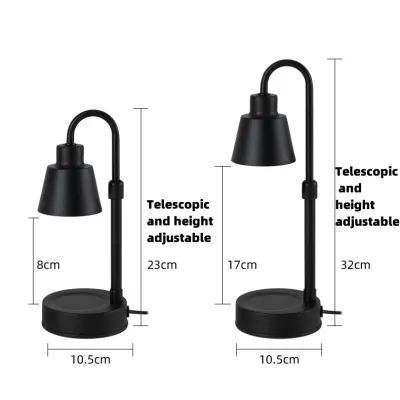
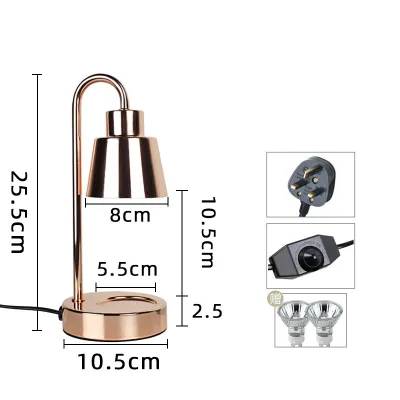
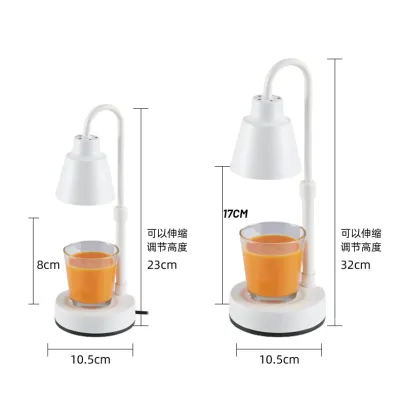
![[😀SG Ready Stock]Scented Candles Electric Candle Warmer Lamp Expand Fragrance Mini Small Aromatherapy Atmosphere Lamp](https://img.lazcdn.com/g/p/97ca54a89529253d57f14d00974e4194.jpg_400x400q80.jpg_.webp)
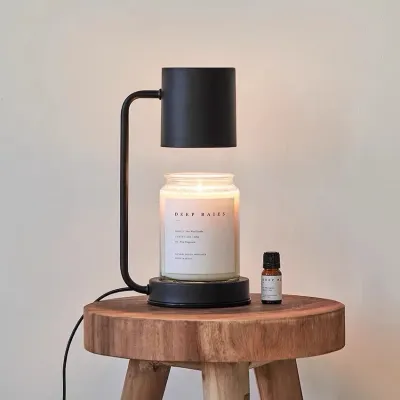
Prices are valid at publication and may change. Please refer to the product page for the latest price.
Because there is no flame to consume the wax, the physical volume remains virtually unchanged. The fragrance oils, however, are highly volatile and slowly evaporate from the melted wax pool. This means the candle’s performance is entirely dependent on the wax’s ability to maintain a consistent, fully melted liquid state at lower temperatures, making the choice of wax formulation the single most important factor for a successful flameless experience.
Furthermore, some standard candles are formulated with heavy dyes, stabilizers, or dense paraffin bases designed to slow down the burn rate of a flame. While these additives extend the life of a lit candle, they can severely hinder the performance of an electric warmer. Under gentle electric heat, these dense formulations often fail to reach the necessary temperature to release their fragrance, resulting in a disappointing scent throw.
Best Wax Types and Scent Profiles for Optimal Scent Throw
The chemical composition of a candle’s wax directly dictates its melting point and performance under the consistent heat of an electric warmer. Soy wax and coconut wax blends are highly favored due to their relatively low melting points, typically ranging from 45 to 52 degrees Celsius. These softer waxes liquefy quickly and evenly under a standard 35-watt or 50-watt halogen bulb, creating a deep, uniform wax pool that maximizes scent dispersion without requiring excessive energy.

Conversely, harder waxes like pure paraffin, beeswax, or highly structured vegetable waxes have significantly higher melting points, often exceeding 60 to 65 degrees Celsius. When placed under a low-wattage top-down lamp or on a standard bottom-up heating plate, these hard waxes may only melt partially, leaving a stubborn outer ring of solid wax. To achieve a proper melt pool with these harder formulations, you will generally need a higher-wattage bulb or a high-performance plate warmer designed to sustain elevated temperatures.
Beyond the wax base, the concentration and complexity of the fragrance oils play a pivotal role in scent throw. Traditional burning combusts some of the fragrance, but an electric warmer gently coaxes the scent out over a longer period. This means that candles with high fragrance loads—typically between 8% and 12% concentration—will perform exceptionally well, providing a robust throw that can easily fill a large living room. However, because there is no flame to burn off the heavier base notes, deep, warm scent profiles featuring vanilla, amber, sandalwood, or patchouli tend to project more intensely and last longer on a warmer than light, volatile citrus or delicate floral top notes.
When shopping for candles to use with your electric device, look beyond marketing buzzwords and actively examine the product labels for wax composition. Many premium brands use proprietary blends, combining soy with coconut or food-grade paraffin to achieve a balance of a low melting point and high fragrance retention. Checking the label for these specific wax types ensures you select a product that will respond beautifully to flameless heat, rather than a hard-wax candle that might remain stubbornly solid.
Identifying Candle Brands and Jar Styles That Suit Warmers
Not all candle containers are created equal, and physical jar characteristics are just as important as the wax inside when pairing a candle with an electric warmer. The ideal jar for a top-down lamp warmer features a wide-mouth opening, which allows the heat from the halogen bulb to distribute evenly across the entire surface of the wax. Narrow-neck jars or bottles restrict heat penetration, causing the wax in the lower, wider portions of the container to remain solid while only a small central column melts, severely limiting the scent throw.
For bottom-up plate warmers, heat transfer efficiency relies entirely on direct contact between the heating element and the bottom of the candle container. Transparent, thin-walled glass jars are highly efficient conductors of heat, allowing the thermal energy to rise quickly through the wax column. Thick, heavy-bottomed glass jars or ceramic vessels can act as thermal barriers, absorbing much of the heat before it ever reaches the wax, which slows down the melting process and reduces the overall effectiveness of the warmer.
Some progressive candle brands have recognized the shifting preferences of modern consumers and now explicitly label certain product lines as “warmer safe” or offer “wickless” candle tins. These wickless formulations are specifically optimized for electric devices, containing no cotton or wooden wicks that could otherwise collect dust or present an unnecessary fire hazard. When choosing between traditional jar candles and pillar candles, always match the candle’s physical shape to your specific warmer type: jar candles are highly versatile and work with both lamps and plates, whereas freestanding pillar candles should only be melted on specialized plate warmers with deep, protective wells to contain the liquefied wax.
Before placing any new candle onto an electric heating device, make it a habit to inspect the manufacturer instructions printed on the base or packaging. Confirming that the brand endorses or at least permits electric warming is a simple but crucial step in maintaining a clean and safe home environment.
Physical Pairing: Matching Jar Sizes to Your Candle Warmer Electric
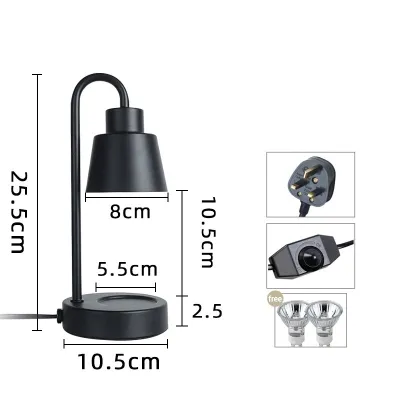
To ensure safe operation and optimal scent throw, you must carefully match the physical dimensions of your candle jar to the specific measurements of your candle warmer electric device. For top-down lamp-style warmers, the most critical dimension is the height clearance, which is the distance between the top of the warming plate and the bottom of the halogen bulb. If a candle jar is too tall, it will sit too close to the hot bulb, creating an intense localized hot spot that can overheat the wax, degrade the fragrance oils rapidly, or even damage the bulb itself.
Conversely, if the candle jar is too short for a top-down lamp, the distance between the bulb and the wax surface will be too great, preventing the heat from reaching the temperature threshold required to create a full melt pool. Additionally, check the width of the warming plate or base platform to ensure the entire bottom of the jar sits completely flat and stable, preventing any risk of the candle tipping over.
For bottom-up plate-style warmers, the primary physical constraints are the base diameter of the heating element and the weight capacity of the device. The candle jar must not overhang the edges of the heating plate, as this uneven contact can cause thermal stress on the glass, potentially leading to micro-fractures or shattering. Furthermore, heavy, large-format candles can exceed the structural and thermal limits of smaller plate warmers, resulting in incomplete melting or premature burnout of the heating element.
Before purchasing a new candle brand or a new electric warmer, take a moment to measure your existing setup with a ruler. Compare the height and diameter of the candle jar against the manufacturer-specified clearance and plate dimensions of your warmer. For Singapore households, also ensure your electric warmer is rated for the local 220V-240V voltage standard and uses a safety-certified plug to prevent electrical hazards. Avoiding the common mistakes of pairing a “too tall” or “too wide” jar with your device not only prevents wasted wax and weak fragrance but also ensures your home fragrance setup remains entirely safe and functional.
Pairing Restrictions: What Never Goes in an Electric Warmer
While electric candle warmers are generally much safer than open flames, they are still electrical heating appliances that require strict safety boundaries. There are several absolute pairing restrictions that you must observe to prevent fire hazards, structural damage, or personal injury. First and foremost, never place sealed containers, such as unopened jars with metal or plastic lids, onto a warmer; the rising temperature will cause the air inside to expand, creating high pressure that can lead to a dangerous explosion.
Plastic jars and containers must never be placed on any electric warmer, as plastic has a low melting point and will easily deform, melt, or catch fire, releasing toxic chemical fumes into your home. Metal tins require extreme caution: while some are designed for top-down lamp warmers, you should never place metal containers on a bottom-up plate warmer unless the manufacturer explicitly states it is safe to do so. Metal is an excellent conductor of heat and can rapidly overheat the bottom-up element, potentially causing an electrical short, damaging the warmer’s internal circuitry, or creating a severe burn hazard.
Another critical safety restriction involves candles that contain flammable decorative elements, such as dried flowers, herbs, wooden wicks, or plastic glitter. While these elements may look beautiful in a cold candle, heating them in an electric warmer can cause them to sink into the liquid wax pool, where they can overheat, scorch, or ignite if they come into contact with a high-wattage bulb or an intense heating plate. Furthermore, avoid heating small, nearly empty candle jars where the wax level has dropped below the safe heating line (typically about 1 to 1.5 centimeters from the bottom). Overheating an almost empty glass jar can cause the glass to thermal-shock and shatter, spilling hot wax across your furniture.
Always defer to the specific safety guidelines provided by both your candle brand and your electric warmer manufacturer to ensure a risk-free experience.
Frequently Asked Questions (FAQ)
Can I use any jar candle with an electric candle warmer?
While many standard glass jar candles can be used with an electric warmer, they are not all universally compatible or optimized for this purpose. Jars made of very thick, opaque ceramic, or those with extremely narrow openings, will struggle to transfer and distribute heat efficiently, leading to incomplete melting. Additionally, candles containing flammable decorations, wooden wicks, or those housed in plastic or sealed containers present serious safety hazards and should never be used on a heating device. Always check the candle manufacturer’s label to confirm the materials and design are safe for electric warming.
Do electric candle warmers make candles last longer?
Yes, electric candle warmers significantly extend the physical lifespan of the wax because the wax is melted by gentle heat rather than being consumed and burned away by an open flame. However, it is important to understand that while the physical wax remains in the jar, the fragrance oils dissolved within it will gradually evaporate into the air over time. Eventually, you will be left with a jar of unscented wax that still looks full but no longer throws any aroma. When this occurs, you can pour off the top layer of scentless liquid wax to expose a fresh, fragrant layer underneath.
Why is my candle not smelling when using a warmer?
If your candle is not releasing a noticeable scent when using an electric warmer, several factors could be at play. The most common cause is insufficient heat, often due to using a low-wattage halogen bulb (such as a 25-watt bulb when a 35-watt or 50-watt bulb is required) or a bottom-up plate warmer that cannot reach the melting point of a hard wax formulation like pure paraffin or beeswax. Alternatively, the candle jar might be too far from the light source, or the room’s air conditioning and ventilation might be dispersing the scent too quickly. Ensuring a proper physical pairing and checking the wax pool depth will usually resolve this issue.
Community discussion
Share your experience or ask a question. Comments are reviewed before publication.