
Selecting the best scented tealight candles for relaxation and better sleep involves choosing high-quality, natural waxes paired with calming, non-stimulating essential oils. A well-chosen tealight provides a gentle, self-limiting burn that fits seamlessly into an evening wind-down routine without the commitment of a large jar candle. By focusing on clean-burning materials and soothing scent profiles, you can transform your bedroom into a tranquil sanctuary conducive to restful sleep.
In Singapore’s fast-paced urban environment, transitioning from a high-stress workday to a state of rest can be challenging. Incorporating aromatherapy through small, controlled scented candles offers a sensory boundary between busy daytime activities and nighttime recovery. Understanding the mechanics of scent, wax performance, and safety boundaries ensures that your evening ritual remains both highly effective and entirely safe.
Why Scented Tealights Work for Evening Wind-Down Routines
The human olfactory system has a direct, unfiltered connection to the limbic system, the region of the brain responsible for regulating emotions, memory, and autonomic nervous system responses. When you inhale the scent of a burning candle, volatile organic compounds from the fragrance bind to olfactory receptors, immediately sending signals to the brain. Utilizing specific calming scents during the evening helps signal to your nervous system that it is time to shift from a sympathetic “fight-or-flight” state into a parasympathetic “rest-and-digest” state, easing physical tension and mental chatter.
Products mentioned in this guide
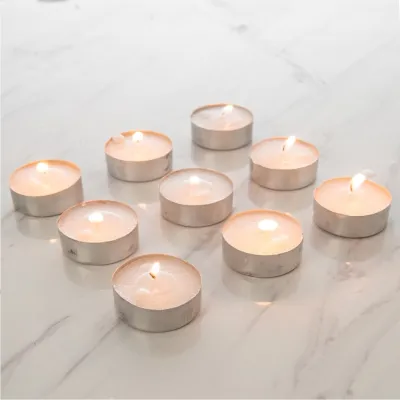
![[SG STOCK] RedLion - 50 White Tealight Candles | 1.5hr (5g) or 3hr (10g) Long Burn Options | Value Pack for W](https://img.lazcdn.com/g/p/9c7e62549444feeb4fb85aa027890273.jpg_400x400q80.jpg_.webp)
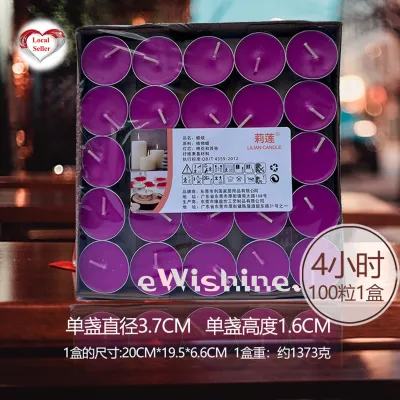
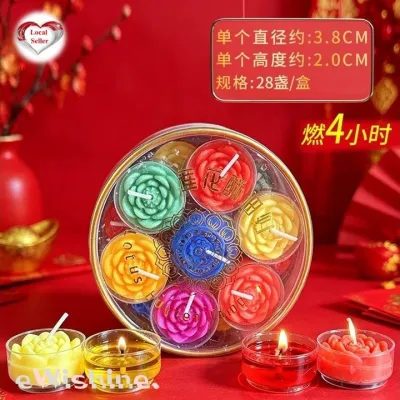
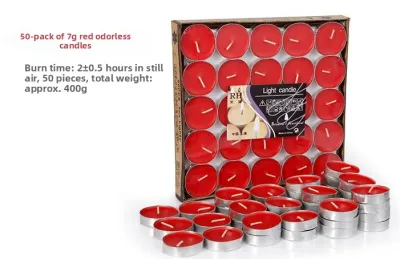
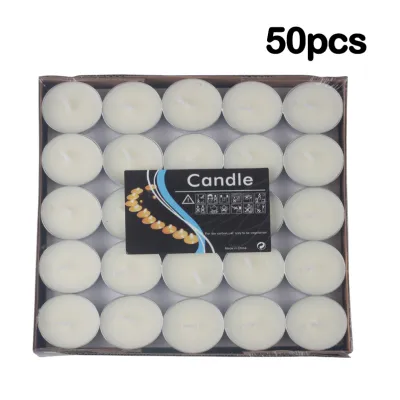
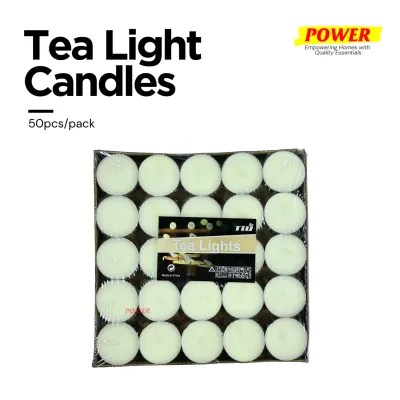
Prices are valid at publication and may change. Please refer to the product page for the latest price.
While large jar candles or pillars are excellent for living rooms, the humble tealight is uniquely suited for bedroom wind-down routines. A standard tealight has a small wax pool and a naturally limited burn time, typically lasting between three and five hours. This self-limiting design is ideal for short evening activities such as reading a book, practicing mindfulness, or completing a skincare routine. You do not have to worry about the candle tunneling—a common issue with larger candles if they are not burned for several hours at a time to melt the wax from edge to edge.
Furthermore, the delicate flame of a tealight provides soft, warm-toned ambient lighting. Exposure to bright overhead LED lights or blue light from smartphones and television screens late in the evening suppresses the natural production of melatonin, the hormone responsible for regulating sleep-wake cycles. Swapping harsh electric lighting for the soft, flickering glow of a candle helps prepare your eyes and brain for darkness, supporting your body’s natural circadian rhythm. Keep these wellness benefits grounded in general relaxation; while aromatherapy is an excellent tool for stress relief, it is a supportive lifestyle practice rather than a medical cure for chronic sleep disorders.
Choosing the Best Tealight Fragrances for Better Sleep
When browsing online retail platforms or local boutique stores in Singapore, the sheer volume of fragrance options can be overwhelming. To achieve a deeply relaxing environment, prioritize scent profiles that are scientifically recognized for their soothing properties. Always check product labels to ensure the candles utilize natural essential oils or high-quality, phthalate-free fragrance oils. Synthetic, low-grade perfumes can release harsh chemical compounds when heated, which frequently cause headaches or respiratory irritation in enclosed, air-conditioned bedrooms.

Lavender and Chamomile for Deep Relaxation
Lavender is perhaps the most thoroughly researched botanical for sleep support, celebrated for its high concentration of linalool and linalyl acetate. These natural chemical compounds have been shown to help lower heart rate and reduce mild anxiety. When combined with chamomile, which features a sweet, herbaceous, and slightly apple-like aroma, the blend becomes a powerful sedative scent profile that gently coaxes a tired mind into a state of quietude.
When selecting lavender and chamomile tealights, look for products that explicitly list natural extracts or pure essential oils rather than generic “floral fragrance.” The scent throw in a bedroom should remain mild to moderate. Overly potent, sharp floral scents can stimulate the senses rather than soothe them, so choose blends that feel soft, rounded, and close to the candle rather than perfume-heavy formulations that dominate the entire home.
Eucalyptus and Cedarwood for Clear Breathing
For those who find floral scents unappealing, woody and herbal combinations offer an excellent alternative. Eucalyptus essential oil is highly regarded for its ability to promote a sensation of clear airways, which is particularly comforting in air-conditioned bedrooms where the air can become dry and stuffy. However, pure eucalyptus on its own can be overly sharp and stimulating, which is counterproductive right before bed.
To balance this sharpness, top-tier aromatherapy candles blend eucalyptus with grounding base notes like cedarwood. Cedarwood contains cedrol, a compound known for its grounding, stabilizing effect on the mood. The resulting scent profile mimics the calming atmosphere of a damp forest floor, offering a warm, earthy base that encourages deep, slow diaphragmatic breathing and fosters a profound sense of physical security.
Sandalwood and Vanilla for Comforting Warmth
Sandalwood and vanilla blends provide a rich, creamy, and comforting aroma that appeals to those seeking a cozy, nesting environment. Sandalwood is a classic meditation aid, prized for its soft, woody, and long-lasting scent that helps quiet repetitive thoughts and reduce mental fatigue after a demanding day. It acts as an olfactory anchor, grounding your awareness in the present moment.
To prevent the blend from becoming cloying, avoid cheap, synthetic vanilla fragrances, which often smell intensely sugary and can cause nausea in warm, enclosed spaces. Instead, seek out candles featuring “warm vanilla,” “bourbon vanilla,” or vanilla absolute blended with rich woods or amber. This combination delivers a subtle, sophisticated sweetness that wraps the bedroom in a comforting blanket of warmth without overwhelming your senses.
How to Evaluate Tealight Quality and Burn Performance
Not all tealights are created equal, and burning low-quality candles in a small bedroom can compromise your indoor air quality. To ensure a clean, non-toxic, and efficient burn, evaluate the physical specifications of the candles before purchasing.
- Wax Type: Traditional, inexpensive tealights are often made from paraffin wax, a byproduct of petroleum refining. Paraffin candles tend to release more soot and volatile organic compounds into the air. For bedroom use, highly recommend soy wax, coconut wax, or beeswax blends. Soy and beeswax burn at a lower temperature, resulting in a cleaner burn, minimal soot, and a slower, more sustained release of fragrance.
- Wick Material: Inspect the wick type before buying. Avoid cheap candles with metal-core wicks (which may contain lead or zinc to keep the wick standing upright). Instead, opt for wicks made from 100% natural cotton, paper-core fibers, or sustainably sourced wood. Wood wicks offer the added benefit of a soft, comforting crackling sound that mimics a tiny fireplace, enhancing the auditory relaxation of your routine.
- Burn Time: A high-quality soy or beeswax tealight should offer a burn time of approximately 3 to 5 hours. Verify this specification on the manufacturer's packaging. If a candle burns too quickly, it typically indicates a wick that is too large, which wastes wax and creates unnecessary smoke.
- Climate Considerations: In Singapore's hot and highly humid tropical climate, natural waxes like pure soy can exhibit "sweating," where small droplets of fragrance oil rise to the surface of the wax. While this does not affect the performance of the candle, it is best to store your tealights in a cool, dry, and dark cupboard away from direct sunlight to preserve their structural integrity and fragrance potency. Always check the candle for any signs of mold or degradation if stored in damp conditions.
- Fragrance Load: High-quality candles balance "cold throw" (how the candle smells when unlit) and "hot throw" (how the scent disperses when lit). Look for brands that clearly state they use phthalate-free, non-toxic fragrance oils. This ensures that the hot throw does not introduce harmful synthetic chemicals into your sleeping quarters.
Safe Usage and Placement in the Bedroom
Because tealights involve an open flame, safety must be your absolute priority, particularly in a space where you intend to sleep. Before lighting any candle, always check the product’s label and the manufacturer’s safety instructions. If instructions conflict, or if the candle’s packaging lacks clear safety guidelines, stop using the product and consult the manufacturer or a qualified safety professional.
Never leave a burning candle unattended, and never go to sleep with a candle still lit. If you begin to feel drowsy or find your eyelids drooping while reading or relaxing, immediately extinguish the flame. It is highly recommended to establish a strict extinguishing routine: blow out your candle at least 30 minutes before you plan to close your eyes. This safety window allows the room to retain the lingering, calming aroma while entirely eliminating the risk of an accidental fire while you sleep.
Proper placement is equally vital for safe operation. Keep your candles on a stable, heat-resistant surface completely clear of drafts, ceiling fans, open windows, air conditioning vents, curtains, bedding, and low-hanging shelves. Drafts can cause the flame to flicker wildly, leading to uneven burning, rapid wax consumption, and increased soot production.
Additionally, never burn a tealight directly on furniture. Although tealights are small, the thin aluminum or plastic cups they are poured into can become extremely hot, easily scorching wooden bedside tables or melting plastic surfaces. Always place the tealight inside a dedicated, heavy-duty holder made of glass, ceramic, or thick metal. This holder acts as a thermal barrier, containing the heat, catching any accidental wax spills, and preventing the hot cup from making direct contact with your furniture.
Frequently Asked Questions (FAQ)
Can I leave a scented tealight burning while I sleep?
No, you must never leave any open flame burning while you are asleep or unattended. If you drift off, a sudden draft, a shifting curtain, or a pet could easily knock the candle over, presenting a severe fire hazard. If you desire a continuous, safe scent throughout the entire night, extinguish your tealight before bed and transition to a flameless alternative. Excellent options include waterless essential oil diffusers, reed diffusers with natural rattan sticks, or UL-certified electric candle warmers that melt the wax safely without a flame.
Do scented tealights produce more soot than unscented ones?
Scented tealights can produce more soot than unscented ones if they are formulated with low-quality synthetic fragrance oils or if the fragrance load exceeds what the wax can naturally hold. When fragrance oils do not bind properly to the wax, they burn unevenly, resulting in dark soot. To minimize soot in your bedroom, choose candles crafted from natural soy or beeswax, keep the wick trimmed to about 6 millimeters, and ensure the candle is burned in a draft-free environment so the flame remains steady and upright.
How many tealights should I use to scent a standard bedroom?
Because tealights have a very small surface area and a shallow melt pool, their scent throw is significantly milder than that of a large three-wick jar candle. For a standard-sized bedroom (approximately 9 to 12 square meters), using 1 to 2 high-quality scented tealights is usually sufficient to create a delicate, relaxing aroma without overwhelming the space. If you choose to burn multiple tealights simultaneously, ensure they are spaced at least 10 centimeters apart in individual, heat-resistant holders to prevent them from heating each other up, which can lead to rapid melting and flare-ups.
Community discussion
Share your experience or ask a question. Comments are reviewed before publication.