
Creating a peaceful sanctuary at home often begins with the senses. When you are looking to unwind after a demanding day, lighting a few high-quality tealights candles can instantly shift the atmosphere of your home, turning a chaotic room into a serene retreat. The gentle flicker of a flame combined with targeted aromatherapy notes offers a simple yet highly effective way to decompress.
However, achieving true relaxation depends heavily on the specific fragrance notes you choose and the physical quality of the ingredients used to make the candle. By understanding how different scents interact with your mind and body, you can curate an environment that actively supports your mental well-being and physical recovery.
How Fragrance Notes Trigger Relaxation and Mood Shifts
The human sense of smell is incredibly powerful, acting as a direct pathway to our emotional center. When you inhale the aroma of burning tealights candles, volatile scent molecules travel up the nasal cavity and bind to specialized olfactory receptors. These receptors immediately send electrical signals to the olfactory bulb, which connects directly to the limbic system—the part of the brain responsible for regulating emotions, memory, stress responses, and heart rate.
Products mentioned in this guide
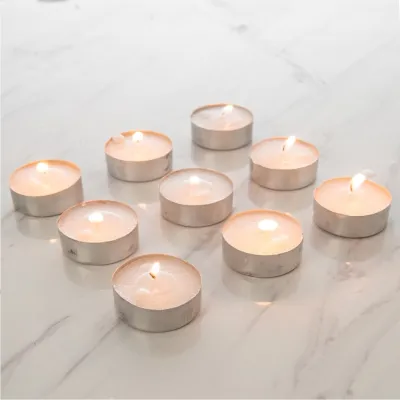
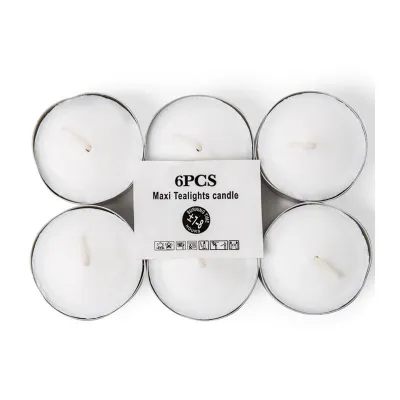
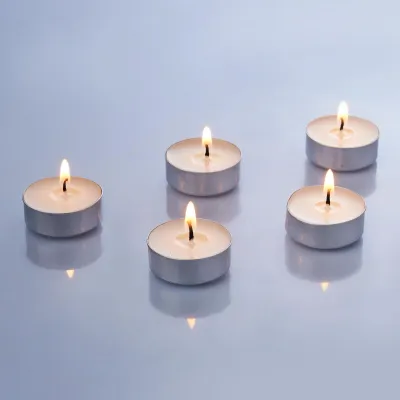
![[SG Stock] Premium Tealight Candle Buddha praying candle 100 pieces 4 hours](https://img.lazcdn.com/g/p/6b9bd993d86fafc4201d726c2f044079.jpg_400x400q80.jpg_.webp)
![[SG STOCK] RedLion - 50 White Tealight Candles | 1.5hr (5g) or 3hr (10g) Long Burn Options | Value Pack for W](https://img.lazcdn.com/g/p/9c7e62549444feeb4fb85aa027890273.jpg_400x400q80.jpg_.webp)
Prices are valid at publication and may change. Please refer to the product page for the latest price.
Because of this direct neural link, certain fragrance profiles can trigger immediate physiological shifts. Relaxing scents work by encouraging the autonomic nervous system to transition from a sympathetic “fight-or-flight” state to a parasympathetic “rest-and-digest” state. This transition helps lower heart rate, ease muscle tension, reduce mental fatigue, and prepare the body for restorative sleep.
To experience these therapeutic benefits, the source of the fragrance is highly important. Natural essential oils are extracted directly from plants, flowers, and woods, retaining complex organic compounds that actively interact with your body’s chemistry. In contrast, synthetic fragrance oils are engineered in laboratories; while they can replicate a wide array of complex scents with excellent stability, they often lack the specific therapeutic properties found in pure botanical extracts.
Furthermore, the baseline quality of your tealights candles dictates whether your aromatic experience is restorative or irritating. Low-quality candles made with cheap synthetic perfumes and paraffin wax often release volatile organic compounds that can trigger headaches, sinus congestion, or respiratory discomfort. To truly support relaxation, it is essential to prioritize clean-burning bases paired with high-quality, thoughtfully blended fragrance notes.
Top Relaxing Fragrance Families and How to Choose Tealights Candles
Finding the right scent depends on your specific relaxation goals, whether you need to quiet a racing mind before bed, clear mental clutter after work, or ground yourself during meditation. Dividing these aromas into distinct fragrance families makes it easier to select the perfect match for your evening routine.

Lavender, Chamomile, and Herbal Blends
For deep calming and sleep preparation, herbal blends dominated by lavender and Roman chamomile remain the gold standard. Lavender contains high concentrations of linalool and linalyl acetate, compounds widely recognized for their ability to soothe the central nervous system and reduce anxiety. Chamomile adds a soft, apple-like herbaceous note that acts as a natural sedative, making this combination highly effective for combatting insomnia.
When shopping for herbal tealights, look closely at the ingredient list to avoid synthetic “candy” lavender. Cheap synthetic versions usually smell sharp, medicinal, or overly sweet, which can stimulate the brain rather than calm it. High-quality herbal candles will list natural essential oils or absolute extracts, giving them a botanical, slightly earthy, and rounded aroma that mimics a real garden.
Because herbal notes generally possess a moderate, delicate scent throw, they are best suited for small to medium-sized rooms. For an optimal wind-down routine, light two or three herbal tealights in your bedroom about thirty minutes before you plan to sleep. This allows the calming molecules to fill the air, signaling to your brain that it is time to transition into rest mode.
Eucalyptus, Lemongrass, and Fresh Botanicals
If your goal is to decompress mentally without feeling sluggish, fresh botanical notes like eucalyptus and lemongrass are exceptional choices. Eucalyptus contains cineole, which helps open up the respiratory system, promotes deep breathing, and relieves mental fatigue. Lemongrass offers a bright, citrusy lift that cuts through stress and anxiety, creating an uplifting, spa-like atmosphere that refreshes the senses after a long day.
To get the most out of these fresh botanicals, seek out balanced blends rather than single-note candles. Pure eucalyptus can sometimes feel overly clinical or astringent on its own; when blended with soft rosemary, mint, or citrus, the profile becomes much smoother and more inviting. These combinations elevate the atmosphere, helping you wash away the day’s stress while keeping your mind clear.
These crisp, clean scents are particularly well-suited for humid climates like Singapore. In tropical environments, heavy, sugary, or highly musky scents can easily feel suffocating and cloying when combined with indoor humidity. Fresh botanicals cut through the heavy air, making your living space feel breezy, ventilated, and instantly revitalized.
Vanilla, Tonka Bean, and Warm Gourmands
For psychological comfort and a sense of security, warm gourmand notes such as vanilla and tonka bean are incredibly powerful. Psychologically, warm and sweet aromas are deeply associated with comfort, home, and safety, helping to ground an overactive mind and create an inviting evening ambience. Tonka bean adds a luxurious layer to this family, offering a complex profile that hints at almond, cinnamon, and warm hay.
However, this category requires careful selection, as cheap synthetic vanilla is one of the most common culprits behind olfactory fatigue and tension headaches. Look for candles that utilize natural vanilla absolute, Madagascar vanilla, or tonka bean blended with woody bases like sandalwood or cedar. This blending tempers the sweetness, resulting in a rich, creamy, and sophisticated aroma that remains pleasant over hours of burning.
These comforting gourmand tealights are perfect for cozy, low-energy activities. Light them while curled up with a book, watching a favorite movie, or hosting an intimate dinner with close friends. The warm glow and sweet, grounding scent will make your living room feel like a protective cocoon against the busy outside world.
Sandalwood, Cedar, and Earthy Woods
When your relaxation practice involves meditation, yoga, or deep mindfulness, earthy and woody notes provide the ultimate grounding experience. Sandalwood offers a rich, creamy, and exotic warmth that has been used in spiritual practices for centuries to quiet thoughts. Cedarwood and vetiver introduce dry, smoky, and resinous tones that mimic the calming atmosphere of a quiet forest, helping to stabilize your emotions.
To fully appreciate these subtle, complex wood notes, the wax type of your tealight is incredibly important. Paraffin-based candles produce a heavy, chemical soot that can easily mask and distort the delicate undertones of cedar or sandalwood. Opting for soy, coconut, or beeswax blends ensures a clean, neutral burn that allows the true, unadulterated character of the wood oils to shine through.
Woody tealights typically have a softer, more intimate hot throw compared to bright florals or citrus. This subtle dispersion makes them ideal for small, enclosed spaces like a home office, study, or a dedicated meditation corner. The scent lingers gently in the background, providing a steady, non-intrusive anchor for your focus.
Evaluating Wax, Wicks, and Scent Throw Before You Buy
Understanding the physical components of a tealight candle is just as important as choosing the right fragrance. Because tealights are small, every element must work in harmony to deliver a clean burn and a satisfying scent throw.
- Wax Type Comparison
The type of wax used serves as the foundation of the candle's performance. Paraffin wax, a byproduct of petroleum refining, is widely used because it is inexpensive and holds a high fragrance load, resulting in a very strong scent throw. However, it burns quickly, produces noticeable black soot, and can release undesirable chemical byproducts into your indoor air.
Natural waxes offer a much cleaner and sustainable alternative. Soy wax, made from soybean oil, burns slowly and at a lower temperature, which helps the fragrance release gradually and even. Coconut wax is highly prized for its incredibly smooth texture and outstanding scent throw, holding natural essential oils beautifully without distorting their aroma. Beeswax is another premium option; it burns exceptionally clean, has a long burn time, and emits a faint, natural honey aroma that complements warm or woody fragrance notes. - Fragrance Load and Quality
A candle's "hot throw" refers to the strength of the scent it emits while burning, which is determined by its fragrance load. This is the percentage of fragrance oil mixed into the wax, typically ranging from 6% to 10% in high-quality formulations. If the load is too low, the tealight will barely smell; if it is too high, the wax structure can weaken, causing the candle to burn unevenly or smoke.
When reviewing product details, look for brands that specify their fragrance sources. Phthalate-free synthetic fragrance oils are safe and stable, while pure essential oils offer authentic therapeutic benefits. A blend of both often provides the best of both worlds: a strong, reliable scent throw combined with the natural healing properties of botanical extracts. - Wick and Burn Time
A standard, high-quality tealight candle should offer a burn time of 3 to 5 hours, which is perfect for a single evening relaxation session. The wick plays a critical role in achieving this longevity. Look for tealights with lead-free cotton wicks, paper-core wicks, or small wood wicks.
A well-constructed cotton wick is braided to curve slightly as it burns, allowing it to self-trim and maintain a steady, medium-sized flame. Avoid candles with cheap, zinc-core or metal-core wicks, as these can release heavy metals into the air and produce an erratic, overly large flame that burns through the wax too quickly. - Packaging and Storage
Tealights are designed to liquefy completely during use, meaning they must always be burned in their original protective cups. These cups are typically made of aluminum, tin, or clear flame-retardant polycarbonate plastic. Clear plastic cups are highly popular for decorative purposes because they allow the warm glow of the flame to shine through the sides of the candle, enhancing the visual ambiance.
Proper storage is vital, especially in warm, tropical climates. Exposure to high temperatures and direct sunlight can cause the wax to soften, warp, or "sweat" out its precious fragrance oils. Keep your unused tealights in a cool, dark drawer or cupboard, sealed in their original packaging or an airtight container, to preserve their aromatic potency and structural integrity.
Safe Burning Practices and Maximizing Scent at Home
To fully enjoy the relaxing benefits of your tealights, you must prioritize fire safety and optimize how the scent disperses throughout your living space. Simple adjustments to where and how you burn your candles can dramatically improve your experience.
- Placement and Fire Safety
Because of their small size, it is easy to underestimate the fire risk of tealight candles. Always place your tealights on a flat, stable, and heat-resistant surface, away from drafts, open windows, ceiling fans, and flammable household items like curtains, books, or bedding.
Never burn a tealight directly on wooden furniture or plastic surfaces without a proper holder. Use dedicated ceramic, glass, or heavy metal tealight holders designed to absorb and dissipate heat safely. Finally, never leave a burning candle unattended, and keep them completely out of reach of curious children and pets. - Climate Considerations
In Singapore, the widespread use of air conditioning and ceiling fans significantly impacts how candles burn. Strong drafts from an AC unit or fan can cause the flame to flicker wildly, leading to uneven wax melting, excessive soot production, and a rapid burn rate.
Furthermore, fast-moving air currents disperse the fragrance molecules too quickly, diluting the scent before it can build up in the room. To maximize the hot throw, place your tealights in a draft-free area with gentle, indirect air circulation. This allows the scent to pool and drift naturally, filling the space with a soft, consistent aroma. - Extinguishing Properly
Blowing out a tealight candle is a common mistake that instantly ruins the relaxing atmosphere you have created. Doing so produces a cloud of acrid black smoke and soot, replacing your carefully curated fragrance with a burnt smell.
Instead, use a small metal candle snuffer to gently smother the flame. Alternatively, you can use a metal tool to carefully dip the lit wick into the liquid wax pool to extinguish it instantly without any smoke, then immediately pull the wick back up and center it for the next burn. - Scent Layering
Because a single tealight has a limited surface area, its scent throw may not be sufficient to fill a large open-plan living room. To safely enhance the fragrance, you can practice scent layering by placing multiple tealights around the room.
Keep each tealight in its own secure holder and space them at least 10 to 15 centimeters apart. Do not cluster them tightly together in a single dish, as the combined heat can cause the wax pools to overheat and ignite, creating a dangerous flare-up. Spacing them out ensures a safe, beautifully distributed canopy of scent.
Frequently Asked Questions (FAQ)
Do scented tealights produce more soot than unscented ones?
Scented tealights can produce slightly more soot than unscented ones because the added fragrance oils introduce more complex organic compounds to the flame. However, excessive soot is rarely caused by the fragrance alone; it is usually the result of low-quality paraffin wax, a wick that is too long, or drafts causing the flame to flicker. You can easily minimize soot by choosing soy or coconut wax tealights, keeping the wick trimmed to about 3 to 5 millimeters, and burning them away from direct drafts.
Can I use scented tealights in a bathroom or small bedroom?
Yes, scented tealights are excellent for bathrooms and small bedrooms, but proper ventilation is essential. In confined spaces, strong or heavy scents can quickly become overwhelming and lead to headaches or sensory fatigue. For smaller rooms, choose lighter, subtle fragrance profiles like soft sandalwood, cedar, or light herbal blends, and ensure there is a gentle flow of fresh air. Always place the candles on a stable, heat-resistant surface far away from towels, tissues, or bedding.
How long should I burn a tealight to get the best fragrance?
To get the best fragrance throw, you should burn a tealight until the entire top layer of wax has melted into a liquid pool from edge to edge. Because tealights have a small diameter, this full melt pool typically forms within 20 to 30 minutes of lighting. Burning the candle for at least this long ensures that the fragrance oils dissolved in the wax can vaporize efficiently and fill the room. Avoid lighting and extinguishing them for only a few minutes at a time, as this prevents the scent from developing properly.
Community discussion
Share your experience or ask a question. Comments are reviewed before publication.