
Selecting the right sculptures and figurines for a professional office desk requires balancing personal taste with workplace etiquette. The most suitable desk decor projects competence, fosters focus, and complements the existing office aesthetic without creating visual clutter. Opting for minimalist geometric shapes, abstract forms, or high-quality stone and metal pieces ensures your workspace remains polished and sophisticated.
In modern professional environments, from corporate offices in Singapore to creative studios worldwide, your desk is a reflection of your professional identity. A carefully chosen sculpture can break up the monotony of digital screens and paper files, offering a brief visual rest that can help restore focus. However, because a desk is primarily a functional workspace, any decorative addition must be chosen with deliberate care regarding its size, material, and visual impact.
Key Criteria for Selecting Professional Desk Sculptures
A desk sculpture must respect the physical limits of your workstation. Consider the height of your computer monitors and the depth of your desk surface. A piece that is too tall can block your line of sight or interfere with dual-monitor setups, while an excessively small figurine might look like misplaced clutter. Measure the footprint of the sculpture to ensure it leaves ample room for daily tasks, keyboard movement, and document handling.
Products mentioned in this guide
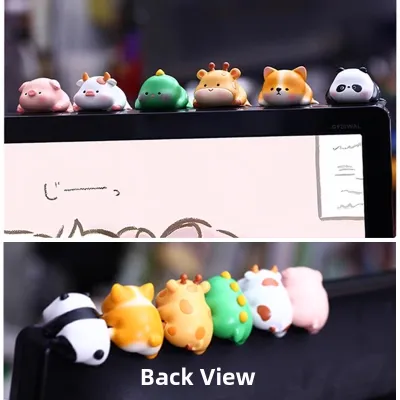
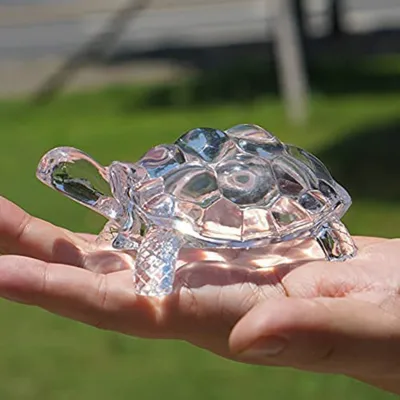
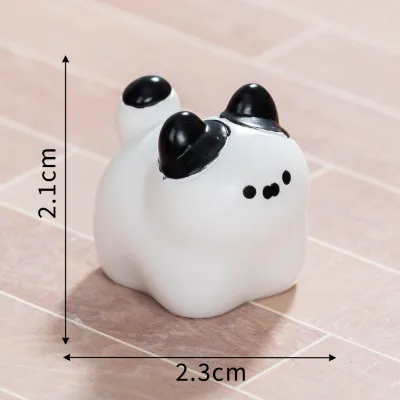

Prices are valid at publication and may change. Please refer to the product page for the latest price.
Visual weight and color palette compatibility are equally important. The visual weight of an object refers to how much attention it attracts. Bright, high-contrast colors or highly complex shapes carry heavy visual weight, which can distract you during deep work. Choose colors that harmonize with your office furniture—such as warm wood tones, matte black, or brushed metallic finishes. Under typical office fluorescent or LED lighting, highly reflective surfaces can create harsh glare, so matte or satin finishes are often more practical.
Office desks are high-traffic, high-touch zones where items are prone to being bumped by moving paperwork, coffee mugs, or cleaning staff. Select sturdy materials that do not chip easily. Dust accumulation is another factor; intricate sculptures with deep crevices require frequent cleaning, whereas smooth, sweeping lines are much easier to wipe down during a quick desk tidy-up.
If you are considering a lighted or USB-powered sculpture, always verify the voltage, interface compatibility, wattage limits, and electrical certifications before plugging it into your office computer or wall outlet. For any heavy or wall-mounted decorative elements near your desk, ensure you follow proper installation instructions, respect wall load capacities, and consult a qualified professional to prevent safety hazards from falling objects.
Finally, align your choices with your corporate culture. A creative agency might welcome avant-garde, abstract art, while a conservative law firm or financial institution typically calls for understated, classic designs. Assess the general atmosphere of your office and the expectations of visiting clients before placing a piece on display.
Recommended Sculpture and Figurine Styles for the Workplace
Minimalist and geometric forms focus on clean lines, basic shapes, and uncomplicated structures. Spheres, cubes, pyramids, or interlocking rings offer a sense of order and precision. These forms work exceptionally well on modern, uncluttered desks, providing a subtle focal point that does not compete with your work tools. Their simplicity promotes a calm, organized mental state, which is highly beneficial during high-stress workdays.

Abstract representations are highly suited for professional environments because they are open to interpretation and rarely carry controversial connotations. A flowing ribbon of metal or a carved wooden wave invites brief moments of contemplation without demanding constant cognitive attention. These pieces act as excellent conversation starters with colleagues or clients while maintaining a sophisticated, gallery-like feel on your desk.
Bringing elements of the outdoors inside can make a sterile office feel more inviting. Stylized leaves, smooth river stones stacked in a balancing formation, or abstract animal figures—such as a soaring bird or a quiet turtle—offer a soothing presence. These motifs provide a soft, organic contrast to the hard angles of computers, keyboards, and filing cabinets, helping to reduce visual fatigue.
For professionals in engineering, architecture, finance, or project management, structural models can reflect your professional identity. Miniature arches, stylized bridges, or geometric wireframe structures project a sense of stability, planning, and constructive progress. These pieces align beautifully with a career focused on building, organizing, or designing systems.
Materials and Finishes That Elevate Office Table Decor
Metals like brushed steel, brass, copper, or bronze instantly elevate a desk’s aesthetic, giving it an executive, premium feel. Brushed or satin finishes are preferable to high-polish chrome, as they diffuse light rather than reflecting it directly into your eyes. Heavy metal sculptures also double as functional paperweights, adding utility to their decorative appeal.
Natural stones and marble bring natural texture, weight, and timeless elegance to your workspace. Because natural stone is heavy, these sculptures are highly stable and unlikely to tip over if your desk is bumped. The unique veining in marble ensures that your piece is one-of-a-kind, adding a touch of quiet luxury to your daily environment.
Modern resins and ceramics offer incredible versatility in shape and texture. Matte-finished ceramics or subtly glazed stoneware provide a warm, handcrafted look that softens a technical workspace. High-quality cast resin can mimic the appearance of stone or bronze at a lighter weight, making it easier to reposition when reorganizing your desk.
Before purchasing any desk sculpture, verify its physical specifications. Look for pieces that feature protective base padding, such as felt or silicone feet, to prevent scratching your desk surface—especially if you have a polished wood or glass desktop. If your desk is positioned near a window with direct sunlight, check if the material or finish is UV-resistant to prevent fading or yellowing over time.
What to Avoid: Unprofessional or Distracting Desk Decor
While personalizing your workspace is normal, highly sensitive, political, or religious figurines can inadvertently alienate colleagues or clients. A professional desk should remain a neutral ground that welcomes collaboration. Keep deeply personal or controversial items in your home office, and choose neutral, universally appealing themes for the shared workplace.
While a single small action figure might be acceptable in some casual tech offices, a desk crowded with bright plastic toys, bobbleheads, or novelty gag gifts can undermine your professional credibility. These items can project an image of distraction or lack of focus. If you wish to display a hobby, look for a highly stylized, abstract representation rather than a loud, commercial toy.
Avoid delicate glass, thin porcelain, or sculptures with sharp, protruding points. Office desks are active workspaces where items are frequently moved, and a fragile piece is highly susceptible to accidental breakage. Sharp edges also pose a safety hazard to you, your colleagues, or cleaning staff who might quickly wipe down your desk after hours.
Sculptures that require frequent winding, emit ticking sounds, or feature moving parts that rattle can quickly become a nuisance in a quiet office environment. Similarly, avoid items that collect dust rapidly or require specialized, frequent polishing to look presentable. Your desk decor should enhance your productivity, not add to your daily chore list.
How to Arrange and Balance Your Desk Sculptures
Successful desk styling relies on leaving adequate negative space—the empty areas around your objects. Do not crowd your sculpture against your laptop, phone, or document trays. Giving the piece room to breathe allows its design to be appreciated and prevents your desk from looking cluttered. Aim for a balanced layout where the decorative piece sits opposite your heavier work tools, such as a desk lamp or file organizer.
Place your sculpture outside your primary typing and writing zones. The ideal location is often at the back corner of your desk, opposite your computer mouse, or on a side return if you have an L-shaped desk. Ensure it does not block your line of sight to the office door, your monitors, or any visitors sitting across from you.
If you have smaller figurines, group them in odd numbers—such as a trio of varying heights—to create a cohesive visual story. Alternatively, showcase a single, larger statement sculpture to act as a clean, singular focal point. Mixing different heights and textures within a small group adds visual interest without overwhelming the space.
Consider how your desk is viewed by others. If you frequently host clients or colleagues, position the sculpture so its best profile faces outward toward visitors. Pay attention to how natural light from nearby windows or overhead task lighting falls on the piece; positioning it to catch soft side-lighting can highlight its textures and contours beautifully.
Frequently Asked Questions (FAQ)
Can I display personal collectibles on my professional office desk?
Yes, but with careful moderation. If your company culture is relatively casual, displaying one or two small, high-quality collectibles is generally acceptable. To maintain a professional image, choose pieces that are clean, dust-free, and not overly distracting or provocative. Ensure they do not crowd your actual work tools or interfere with your daily tasks. If you frequently host external clients or senior executives, it is usually safer to opt for neutral, abstract, or geometric sculptures that project a more polished, executive presence.
How do I clean and maintain desk sculptures without damaging them?
Regular, gentle maintenance is key to keeping your desk decor looking its best. Use a dry, soft microfiber cloth or a clean, soft-bristled brush to gently remove dust from crevices without scratching the surface. Always check the manufacturer’s care instructions before applying any liquids, polishes, or chemical cleaners. For porous materials like natural stone, unglazed ceramics, or wood, avoid water and harsh chemical sprays entirely, as they can seep into the material and cause permanent staining or discoloration. For metals, a dry wipe is usually sufficient to prevent fingerprint oils from tarnishing the finish over time.
Community discussion
Share your experience or ask a question. Comments are reviewed before publication.