
Introduction: Finding the Right Serial Lights for Your Home
The best serial light brand for your Singapore home depends entirely on where you plan to install it, whether you require smart home automation, and how much exposure to the elements the lights will face. For cozy indoor reading nooks or bedrooms, flexible and low-voltage options from lifestyle giants like IKEA or specialized decor brands offer the perfect blend of warmth and simplicity. If you want to transform your balcony, patio, or garden into a vibrant oasis, heavy-duty weather-resistant options from trusted lighting manufacturers like Philips or smart-enabled systems like Govee provide the necessary durability and control.
Singapore’s unique residential landscape introduces distinct challenges when choosing decorative lighting. Operating on a standard 230V electrical grid with Type G plugs, local homes require products that can handle this voltage safely or utilize safe step-down adapters like USB power sources. Furthermore, our tropical climate—characterized by high humidity, sudden heavy downpours, and intense UV exposure—demands careful consideration of moisture protection, especially for HDB balconies, corridor displays, and landed property gardens.
Rather than presenting a rigid, one-size-fits-all ranking, this guide is designed to help you evaluate serial light quality, navigate the primary brand categories available in the Singapore market, match the right specifications to your specific living spaces, and conduct critical safety checks before making a purchase.
Products mentioned in this guide
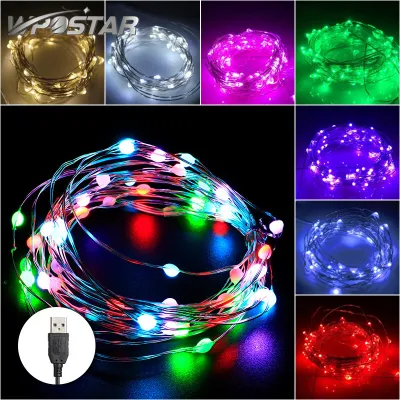
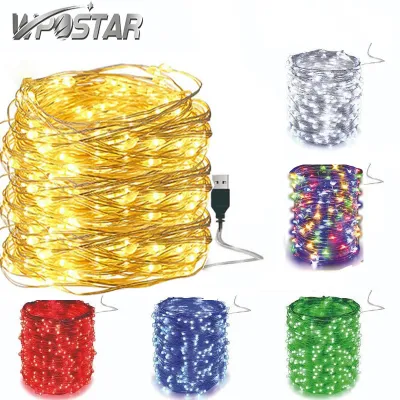
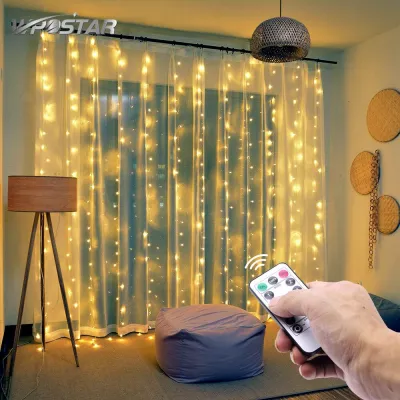
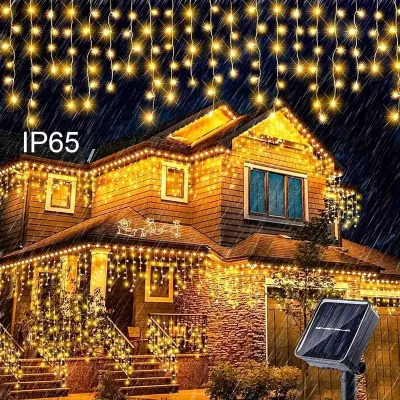
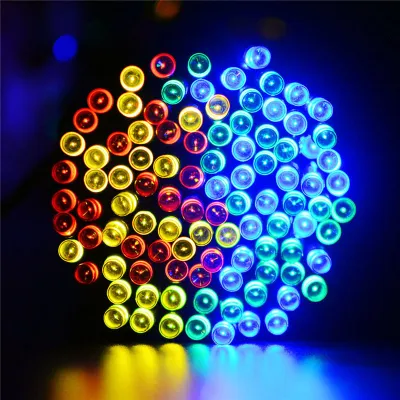
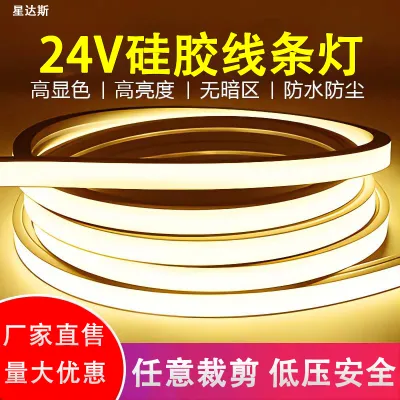
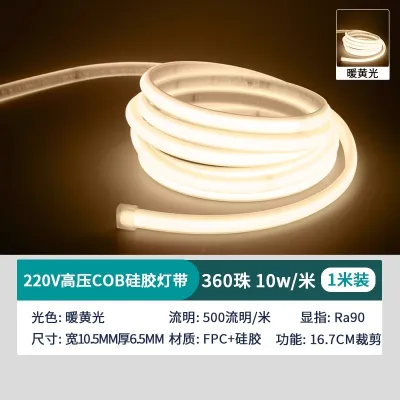
Prices are valid at publication and may change. Please refer to the product page for the latest price.
How to Evaluate Serial Light Quality and Safety
When shopping for a serial light, it is easy to get distracted by beautiful product photos online. However, ensuring the product is safe, durable, and capable of delivering the desired visual effect requires looking closely at technical specifications.

Electrical Safety & Compatibility
The most critical factor when selecting any plug-in decorative lighting is compatibility with Singapore’s 230V, 50Hz electrical system. High-quality brands design their products specifically for this standard, equipping them with fused Type G plugs that protect your home’s circuits from overloads. If you are considering importing lights from overseas markets, you must exercise extreme caution. Lights designed for 110V systems will fail or pose a severe fire hazard if plugged directly into a Singaporean outlet. Avoid using unverified step-down transformers for high-wattage setups, as these can overheat and fail under continuous use.
For maximum safety, especially in high-traffic indoor areas or children’s bedrooms, low-voltage alternatives are highly recommended. Serial lights powered via USB (typically 5V) or batteries (4.5V for three AA batteries) present a negligible risk of electric shock. These systems use a transformer built into the plug or USB adapter to step down the household voltage, making them incredibly safe to handle even if a wire is accidentally nicked or exposed.
Durability & Weather Resistance
Singapore’s tropical climate is notoriously harsh on outdoor electrical installations. To prevent short circuits, corrosion, and electrical hazards, you must match the Ingress Protection (IP) rating of your serial light to its environment.
- Indoor Use (No IP rating or IP20): Suitable for dry, climate-controlled indoor rooms. These lights have no specialized protection against dust or moisture and must never be used near open windows, bathrooms, or balconies.
- Semi-Outdoor & Covered Balconies (IP44): This rating indicates protection against solid objects larger than 1mm and splashing water from any direction. IP44 is the absolute minimum requirement for HDB balconies, covered patios, and sheltered corridors where wind-blown rain or high humidity is common.
- Fully Exposed Outdoor Areas (IP65 or higher): If you are stringing lights across an open garden, along a rooftop terrace, or on an exposed building facade, you require IP65 or IP67 ratings. These lights are completely dust-tight and can withstand low-pressure water jets or heavy tropical downpours without leaking.
LED Quality & Wire Build
The visual appeal and longevity of your serial light depend heavily on the quality of its LEDs and the construction of its wiring. When evaluating LED quality, look for brands that specify consistent color temperatures. For a cozy, inviting home atmosphere, opt for warm white LEDs ranging from 2700K to 3000K. Lower-quality brands often suffer from inconsistent color binning, resulting in a single string containing some bulbs that look warm yellow and others that look cool blue. Additionally, high-quality LEDs feature flicker-free driver chips, which prevent the subtle, high-frequency flickering that can cause eye strain and ruin photographs.
The physical wire build must also match your intended application. Fine, bare copper or silver wire is highly flexible and virtually invisible when off, making it ideal for delicate indoor displays, wrapping around plants, or tucking into glass jars. However, these thin wires are fragile and lack insulation. For outdoor or high-wear environments, look for heavy-duty rubberized or thick PVC-insulated cables. These heavy cables protect the internal conductors from physical tension, wind movement, and UV degradation caused by Singapore’s intense year-round sunlight.
Reliable Brand Categories for Home Decoration
Navigating the decorative lighting market in Singapore is easier when you group available options into three distinct brand categories. Each category serves a different priority, balancing safety, smart functionality, and budget.
Established Lighting & Electrical Brands
For homeowners who prioritize absolute electrical safety, long-term durability, and reliable manufacturer warranties, established lighting brands like Philips are the gold standard. These manufacturers have decades of experience in general residential and commercial lighting, ensuring their products comply with strict international safety standards.
The primary value of choosing an established brand lies in the engineering. You can expect high-quality internal circuitry, robust surge protection, and LEDs designed to maintain their brightness and color accuracy over thousands of hours of continuous use. These brands typically offer comprehensive local warranties, giving you peace of mind and easy access to customer support if a component fails. However, the trade-off is often design variety and cost. Established brands tend to focus on classic, timeless designs—such as standard warm white festoon lights or simple fairy lights—and may offer fewer novelty shapes, color-changing options, or highly customizable smart features.
Smart Home & Tech Ecosystem Brands
If you want to integrate your decorative lighting into a broader smart home setup, tech-focused brands like Govee or Xiaomi (including its Mijia ecosystem) offer exceptional value. These brands specialize in dynamic, highly customizable lighting systems that can be controlled via smartphone apps, voice assistants, or automated schedules.
The primary benefit of smart serial lights is their extreme versatility. Through dedicated companion apps, you can adjust brightness levels down to a single percentage point, choose from millions of colors, and set up complex lighting scenes. Many of these systems feature built-in microphones for music synchronization, allowing the lights to pulse in time with your home entertainment system. However, these advanced features come with specific requirements. Smart lights rely on stable Wi-Fi or Bluetooth connections to function correctly. Additionally, if you purchase imported models from online marketplaces, you must verify that the control hubs and power adapters are compatible with Singapore’s electrical standards and do not require a foreign server configuration that limits local app functionality.
Value-Driven Home & Lifestyle Brands
For casual decorators looking for stylish, accessible, and budget-friendly options, global furniture retailers like IKEA and various specialized local home decor suppliers are excellent choices. These brands focus on aesthetic integration, designing serial lights that complement modern home furnishings and seasonal holiday themes.
The value here is convenience and design. These lights are often designed with a clean, Scandinavian, or minimalist aesthetic, featuring attractive bulb covers, paper lanterns, or woven cotton balls that look beautiful even when the lights are turned off. They are highly accessible, priced competitively, and backed by straightforward local return policies. The limitation of value-driven lifestyle brands is their technical performance. They typically offer basic functionality—often just a simple on/off switch or a basic built-in timer—and are rarely suitable for heavy-duty outdoor use. The wires and connectors are generally designed for light indoor use and may degrade quickly if exposed to moisture or physical stress.
Matching Serial Lights to Indoor and Outdoor Scenes
To achieve the best visual effect and ensure long-term reliability, you must match the specific characteristics of your serial light to the physical environment of your Singapore home.
Indoor Ambience (Bedrooms, Living Rooms, Shelving)
Indoor spaces are highly controlled environments where safety, flexibility, and close-up aesthetics are the primary concerns. For bedrooms, reading corners, and open shelving, low-voltage micro-copper fairy lights are highly recommended. The thin, bendable wire allows you to wrap the lights tightly around bed headboards, drape them along curtain rods, or weave them through indoor potted plants without creating unsightly bulk.
When decorating indoors, stick to warm color temperatures (2700K to 3000K) to create a relaxing, low-glare environment that prepares the mind for sleep. If you are decorating a child’s room or a high-traffic living area, prioritize USB-powered or battery-operated models. These low-voltage options remain cool to the touch even after hours of operation, eliminating the risk of burns if children or pets accidentally touch the bulbs. They also remove the hazard of high-voltage shocks if a wire is pinched or damaged by furniture.
Semi-Outdoor & Balcony (HDB Corridors, Covered Patios)
HDB balconies and covered corridor spaces represent a unique transition zone. While they are protected from direct vertical rainfall, they are still exposed to Singapore’s intense ambient humidity, wind-blown rain, and fluctuating temperatures. Using standard indoor lights in these areas is a common mistake that often leads to short circuits, tripped breakers, and rapid wire corrosion.
For these semi-outdoor spaces, look for serial lights with a minimum rating of IP44. This ensures the connections and bulb sockets can withstand splashing water and high moisture levels. Additionally, because balconies are subject to wind, choose lights with shatterproof acrylic or heavy-duty plastic bulbs rather than fragile glass. If the wind causes the string to swing against a wall or railing, acrylic bulbs will survive the impact without shattering, preventing dangerous glass shards from littering your balcony floor.
Fully Outdoor & Garden (Landed Properties, Exposed Facades)
Decorating fully exposed outdoor spaces—such as a garden path, an open-air patio, or the exterior facade of a landed home—demands commercial-grade lighting equipment. These lights must be able to withstand intense tropical downpours, high winds, and continuous exposure to harsh UV rays.
For these demanding environments, select serial lights with an IP65 or IP67 rating. These products feature thick, heavy-duty rubber cables, vulcanized rubber seals around each bulb socket, and watertight screw-together connectors. Ensure the cables are explicitly rated as UV-resistant to prevent the insulation from becoming brittle and cracking under the tropical sun.
Safety Boundary: Before any installation work begins, ensure the power supply is completely isolated. For any permanent outdoor installations, especially those requiring high-altitude mounting on facades or integration into your home’s main electrical panel, always hire a licensed electrical worker (LEW) or qualified professional. Ensure you verify the brand’s specific outdoor warranty terms, as many standard warranties are voided if the product is left permanently exposed to the elements.
Essential Pre-Purchase Checks for Singapore Homes
Before you finalize your purchase of a new serial light, running through a practical checklist will save you from compatibility headaches, safety hazards, and the frustration of buying a product that doesn’t fit your space.
Plug & Voltage Verification
Always double-check the power input specifications of the serial light before buying. If the product is a direct plug-in model designed for wall outlets, it must feature a native Type G plug compatible with Singapore’s 230V system. If you are purchasing from international online platforms, be wary of listings that supply standard US two-pin plugs (Type A) or European two-pin plugs (Type C) without clarifying the voltage compatibility. Never plug a 110V-only light into a Singaporean outlet, even with a physical plug adapter, as this will instantly destroy the product and may cause an electrical fire. If you must use an imported low-voltage USB light, ensure you pair it with a high-quality USB wall charger that is certified for local use.
Safety Marks & Certifications
Electrical safety is paramount for decorative lighting, which is often left on for hours or overnight. Look for recognized international safety certifications on the packaging or product listings, such as the CE mark (European conformity) or UL certification (Underwriters Laboratories). In Singapore, certain household electrical appliances are classified as Controlled Goods and must carry the Enterprise Singapore Safety Mark. While low-voltage USB or battery-powered lights are generally exempt from this registration, any direct 230V plug-in power adapter or transformer supplied with the lights should ideally carry this mark to guarantee it has been tested and approved for safe local operation.
Warranty & After-Sales Support
While buying cheap, unbranded serial lights from overseas sellers on online marketplaces can be tempting, it often backfires. These products rarely come with a functional warranty, and returning a defective item can be costly and time-consuming. Purchasing from official brand stores, authorized local distributors, or reputable local retailers ensures you receive a valid warranty. If a segment of your lights fails to illuminate or the smart controller stops connecting to your Wi-Fi, a local distributor can quickly provide a replacement or repair, saving you the hassle of dealing with unresponsive cross-border customer service.
Controller & Dimmer Compatibility
Consider how you plan to operate and adjust your serial lights once they are installed. Many basic models only offer a simple on/off function, which can be frustrating if the lights are too bright for a cozy evening. If you want adjustable brightness, verify whether a compatible dimmer switch or remote control is included in the package. If the system uses a remote control, check what type of battery it requires (such as CR2025 or CR2032 coin cells) and ensure they are easily sourced locally. For smart lights, confirm whether the system requires a dedicated proprietary hub to connect to your home network, or if it can connect directly to your home Wi-Fi router.
Frequently Asked Questions (FAQ)
Can I use indoor serial lights on my HDB balcony?
No, you should not use indoor-rated serial lights on an HDB balcony. Even if your balcony is fully covered and protected from direct rain, Singapore’s extremely high ambient humidity (often exceeding 80%) will quickly cause moisture to penetrate the unsealed wire connections and bulb sockets. This moisture buildup leads to rapid corrosion of the internal copper wiring, short circuits, and can easily trip your home’s residual current circuit breaker (RCCB). In worst-case scenarios, moisture ingress in a high-voltage line can pose a serious risk of electrical shock or fire. Always use lights rated at least IP44 for any balcony or semi-outdoor application.
Are USB-powered serial lights safer than direct plug-in ones?
Yes, USB-powered serial lights are inherently safer than direct 230V plug-in models. USB lights operate on a very low voltage, typically 5V, which carries a negligible risk of electric shock or serious injury, making them the ideal choice for children’s bedrooms, pet-friendly areas, and installations where the lights are in direct contact with fabrics, wood, or paper. However, the safety of a USB lighting system still depends on the quality of the USB power adapter (charging brick) you use. You must plug the USB cable into a high-quality, certified power adapter that features built-in overload and overheat protection to prevent the adapter itself from catching fire.
How do I prevent serial lights from tangling during storage?
To prevent your serial lights from tangling and suffering physical damage during storage, never bunch them up and throw them into a box. Instead, wrap the light string neatly around a sturdy piece of flat cardboard or a clean cardboard tube (such as an empty paper towel roll), starting from the plug end and working your way to the tip. Secure the loose end with a piece of tape or a twist tie. For longer, heavy-duty outdoor strings, consider purchasing a specialized plastic cable reel. Storing your lights this way prevents the delicate internal copper wires from bending sharply and breaking, protects the LED bulbs from hitting each other, and ensures your next decorating session is completely frustration-free.
Community discussion
Share your experience or ask a question. Comments are reviewed before publication.