
When you are trying to get a good night’s rest in a bustling urban environment like Singapore, finding an alarm clock silent enough to keep your bedroom peaceful is essential. Many residents live in high-density housing, such as HDB flats or condominiums, where outdoor noise is often sealed out by closing windows and running air conditioning. In this profound indoor quiet, the rhythmic, metallic click of a cheap step-quartz clock can sound surprisingly loud and disruptive. The ideal silent alarm clock must eliminate this mechanical noise while aligning with your personal preferences for light, sound, and nightstand usability.
To make an informed decision, you must understand the technology behind different clock movements and evaluate how secondary features affect your sleep hygiene. Some sleepers are highly sensitive to light, while others are deep sleepers who require powerful, tactile wake-up methods. By analyzing the mechanics, power requirements, and design profiles of available models, you can select a tick-free clock that perfectly matches your sleep environment and daily routine.
Understanding Clock Mechanisms: Why Some "Silent" Clocks Still Tick
To avoid purchasing a clock that keeps you awake with an irritating clicking sound, it is important to understand the mechanical differences between clock movements. Many consumer products are marketed with vague terms like “quiet” or “noiseless,” but only specific internal configurations guarantee a truly silent experience. The source of the sound lies in how the internal motor translates electrical energy into the movement of the clock hands.
Products mentioned in this guide


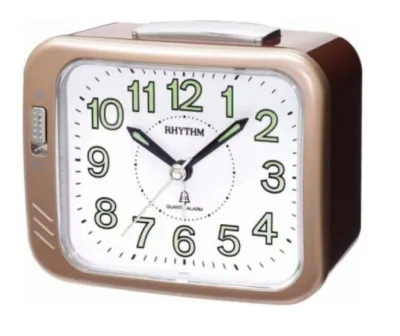
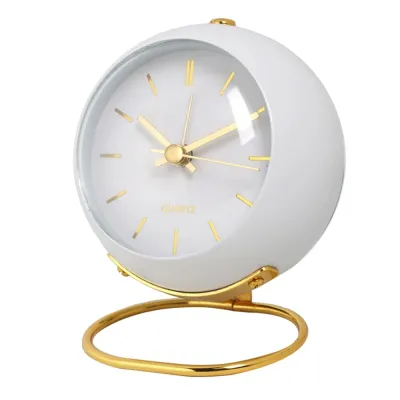

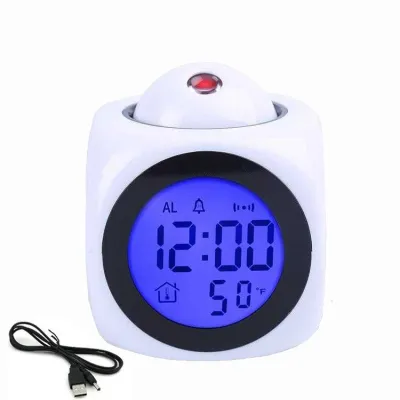

Prices are valid at publication and may change. Please refer to the product page for the latest price.
Step Quartz Movement
A standard step quartz movement is the most common mechanism found in traditional clocks, and it is also the loudest. This system uses an electronic oscillator regulated by a quartz crystal to send an electrical pulse exactly once per second. This pulse drives a miniature stepping motor, which turns a series of plastic or metal gears, causing the second hand to advance by one distinct notch. The sudden start-and-stop motion of the gears creates an audible vibration—the classic “tick-tock” sound. Because the gears stop completely between steps, the physical impact of the gear teeth hitting each other is transmitted through the clock casing, which acts as a miniature sounding board.
Continuous Sweep Quartz Movement
A continuous sweep quartz movement utilizes a different gear configuration and a motor that receives many small electrical pulses per second rather than one large pulse. This allows the second hand to glide smoothly around the dial in a continuous motion without any sudden, jarring stops. Because the physical impact between gear teeth is virtually non-existent, the ticking sound is completely eliminated. While a sweep movement still contains moving parts and may produce an incredibly faint mechanical hum if you press your ear directly against the casing, it is practically silent from a standard bedside distance.
Digital Mechanisms
Digital alarm clocks represent the ultimate option for absolute mechanical silence because they contain no moving parts whatsoever. These devices rely on electronic microchips and liquid crystal displays (LCD) or light-emitting diodes (LED) to show the time. The timing is controlled by an internal electronic oscillator, meaning there is zero physical friction or mechanical movement to generate sound. For sleepers who demand absolute silence, digital clocks offer a foolproof solution.
The Verification Rule
When shopping online, many sellers label standard step quartz clocks as “silent” simply because they are quieter than old-fashioned mechanical wind-up clocks. To protect your sleep, you must look for the specific movement type in the technical specifications. If a clock is analog, verify that it explicitly uses a “continuous sweep” or “non-ticking quartz” movement. If you want a guarantee of zero mechanical sound, a digital clock is the safest path.
Essential Bedroom Features to Pair With a Tick-Free Design
Eliminating mechanical noise is only the first step in creating an optimal sleep environment. A truly effective bedside clock must also support your sleep hygiene by minimizing light pollution, offering comfortable alarm sounds, and providing reliable power backup.

Display Brightness and Glare
A silent clock is of little use if its glaring light keeps you awake. Bright LED displays emit blue light, which can suppress the production of melatonin, the hormone responsible for regulating sleep-wake cycles. When choosing a digital clock, prioritize models with adjustable brightness levels, manual dimmers, or auto-dimming sensors that adapt to the ambient light in your room. Alternatively, consider “dark” displays that remain completely unlit until you tap a button on top, ensuring your bedroom remains pitch-black during the night.
Alarm Sound Customization
Waking up should be as gentle as falling asleep. Traditional alarm clocks often feature sudden, high-decibel beeps that trigger a sharp spike in cortisol and heart rate, leading to morning grogginess or sleep inertia. Look for clocks that offer progressive or gradual alarms, which start with a soft, slow sound and slowly increase in volume over several seconds. Some modern silent clocks also offer natural soundscapes, such as gentle rainfall or birds chirping, which provide a more pleasant transition to wakefulness.
Power Sources and Memory
In Singapore, household electricity is delivered at a standard voltage of 230V and a frequency of 50Hz. If you choose a mains-powered digital clock, ensure it comes with a compatible UK-style 3-pin plug (Type G) or a standard USB power cable that can connect to a certified USB wall adapter. Mains-powered clocks should always feature a backup battery compartment (typically using AA, AAA, or button-cell batteries) or non-volatile internal memory. This backup ensures that if a localized power trip or brief electrical maintenance occurs overnight, your alarm settings and time calibration are preserved, preventing you from oversleeping. Battery-operated analog clocks, on the other hand, offer complete independence from wall outlets and eliminate cord clutter on your nightstand, though they require routine battery replacements every 6 to 12 months.
Physical Footprint and Controls
Nightstands in modern Singaporean bedrooms, particularly in newer HDB BTO flats, are often compact to maximize floor space. A bulky clock can crowd out essentials like water glasses, spectacles, or phones. Choose a clock with a small physical footprint that leaves plenty of room on your bedside table. Furthermore, pay close attention to the layout of the physical controls. The snooze and alarm-off buttons should be large, tactile, and easily distinguishable by touch alone. You should be able to silence the alarm in the dark without having to open your eyes or fumble with tiny, flush switches on the back of the device.
Best Types of Silent Alarm Clocks for Different Sleep Needs
To find the right silent alarm clock, it helps to categorize your options based on your design preferences, light sensitivity, and how deeply you sleep. Each category offers distinct advantages and trade-offs.
Digital LED and LCD Alarm Clocks
Digital clocks are the premier choice for tech-oriented individuals or those who prefer a modern, minimalist nightstand setup. Because they have no moving parts, they guarantee absolute zero mechanical noise.
Many digital models offer advanced features like projection technology, which projects the time onto the ceiling or wall in a soft, non-glaring red or green light. This allows you to check the time without rolling over or lifting your head. Other digital clocks include smart connectivity, syncing via Wi-Fi to ensure the time is always perfectly accurate without manual adjustments.
However, digital displays come with limitations. Cheap LED screens can produce significant glare if they lack an adequate dimming function. LCD screens, while generally dimmer, often require a permanent backlight to be readable in the dark, which can create a persistent, distracting glow. Additionally, because digital displays require constant power to remain visible, they must either be plugged into a wall outlet or require frequent battery changes if they run solely on standard alkaline batteries.
Sweep Movement Analog Clocks
For those who appreciate vintage, rustic, or classic bedroom decor, sweep movement analog clocks offer a traditional aesthetic without the disruptive ticking. These clocks use a physical dial and hands, but the continuous sweep mechanism ensures the second hand glides smoothly and silently.
One of the greatest benefits of an analog clock is the complete absence of digital light emission. This makes them ideal for pitch-black sleep environments, helping you maintain natural melatonin production throughout the night. They are also highly portable, usually running on a single AA or AAA battery, which eliminates messy cords on your nightstand.
Despite their aesthetic appeal, sweep analog clocks have practical limitations. To read the time in the dark, you must rely on a built-in backlight that activates only when you press a physical button, or on luminous paint applied to the hands and hour markers. Luminous paint requires exposure to light during the day to “charge,” and its glow naturally fades over several hours, making it difficult to read in the early morning. Additionally, setting an analog alarm is inherently less precise than a digital one; you can typically only set the alarm to the nearest five or ten minutes.
Vibrating and Bed-Shaker Alarm Clocks
If you are a heavy sleeper, a shift worker, or someone who shares a bed with a partner on a different schedule, traditional audio alarms may not suit your needs. Vibrating or bed-shaker alarm clocks offer a highly effective, silent alternative.
These systems consist of a main bedside unit connected (either via a physical cable or a wireless Bluetooth connection) to a small vibrating disc or “puck.” You place this puck securely under your pillow or beneath your mattress. When the alarm time is reached, the puck vibrates vigorously, physically shaking you awake. Many models combine this physical vibration with flashing LED strobe lights on the main unit, completely bypassing the need for loud, jarring audio alerts.
For couples, this technology is incredibly valuable. If you must wake up at 5:00 AM for an early shift while your partner sleeps until 7:00 AM, a loud audio alarm can cause unnecessary disruption. A vibrating puck under your pillow will wake you up directly without transmitting vibrations across the mattress to disturb your partner.
However, these devices are naturally bulkier and more complex than standard clocks. Wired pucks introduce extra cables around the bed, which must be managed safely to avoid tangling. They also require continuous mains power to drive the vibration motor, meaning you must ensure the power adapter is certified for safety and compatible with Singapore’s 230V electrical standard.
Quick Comparison: Which Silent Clock Type Fits Your Nightstand?
Evaluating the strengths and weaknesses of each clock type can help you decide which model is best suited for your specific bedroom environment.
| Clock Type | Noise Level | Display Glare Risk | Primary Power Source | Best Suited For |
|---|---|---|---|---|
| Digital LED/LCD | Absolute zero mechanical noise | Moderate to high (requires dimming features) | Mains power with USB/Type G plug (battery backup) | Tech-savvy users, precise alarm timing, modern decor |
| Sweep Analog | Near-silent (faint mechanical glide) | None (uses on-demand backlight or luminous dial) | Alkaline batteries (AA or AAA) | Traditionalists, screen-free bedrooms, light-sensitive sleepers |
| Vibrating / Bed-Shaker | Silent audio (audible physical vibration) | Low to moderate | Mains power (230V) with wired or wireless puck | Heavy sleepers, couples with different schedules, hearing-impaired |
When deciding between these options, you must weigh your sensitivity to light against your sensitivity to sound. If you are highly sensitive to sound but do not mind a soft ambient glow, a digital clock offers absolute mechanical silence. If light is your primary sleep disruptor, a sweep analog clock keeps your room dark while keeping noise down to an imperceptible level. For those who need a powerful wake-up call without waking the entire household, a vibrating clock is the most practical choice.
How to Verify "Silent" Claims Before Buying Online
When shopping on online marketplaces or official brand stores in Singapore, you will encounter hundreds of products claiming to be “silent.” To avoid disappointment, follow this practical verification checklist before making a purchase.
- Scrutinize the Technical Specifications: Do not rely solely on the product title. Look deep into the description for terms like "continuous sweep movement," "silent sweep," or "non-ticking quartz." If the specifications mention "step movement," "interval quartz," or "standard quartz," the clock will produce an audible tick.
- Analyze the Customer Reviews: Go straight to the 1-star and 2-star reviews. Search specifically for keywords like "tick," "noise," "clicking," or "loud." Buyers who are highly sensitive to noise are very vocal when a product marketed as silent turns out to have an audible mechanical click.
- Verify the Power and Plug Standards: If you are purchasing a mains-powered digital clock, verify that the seller provides a plug compatible with Singapore's Type G wall outlets, or a standard USB cable that can connect to a certified USB adapter. Avoid using uncertified, cheap adapters that can pose electrical safety hazards.
- Check the Return and Exchange Policies: Because individual sensitivity to faint sounds varies, being able to test the clock in your own quiet bedroom is invaluable. Ensure the retailer or official brand store offers a clear change-of-mind return policy or a warranty that covers mechanical defects, allowing you to return the item if the noise level is unacceptable.
Frequently Asked Questions (FAQ)
Do all battery-operated clocks tick?
No, the power source does not determine whether a clock ticks. The noise level depends entirely on the internal mechanism. Many battery-operated analog clocks feature continuous sweep quartz movements that glide silently, while others use cheap step quartz movements that tick loudly. Digital battery-operated clocks are completely silent. Always check the movement type, not the battery requirements.
Can I make my existing ticking alarm clock silent?
No, you cannot safely or effectively silence a standard step-movement clock. Attempting to open the casing to lubricate the gears or remove the second hand will likely damage the delicate internal components and void any warranty. Even if you remove the second hand, the internal motor will still emit a clicking sound as it pulses every second. The only reliable and safe solution is to replace the clock with a model designed from the ground up to be silent.
Community discussion
Share your experience or ask a question. Comments are reviewed before publication.