
Choosing the right sleep sack for your baby is a primary consideration for parents navigating Singapore’s year-round tropical climate. With daily outdoor temperatures regularly hovering between 30°C and 32°C, and indoor humidity levels frequently exceeding 80%, selecting a sleep sack that prevents overheating while keeping your infant secure is essential. The ideal wearable blanket must balance mild insulation with high breathability to support a baby’s natural temperature regulation.
For naturally ventilated rooms relying on ceiling fans, a lightweight cotton muslin sleep sack with a very low thermal rating is generally the most effective option. In contrast, for air-conditioned nurseries kept at a constant cool temperature, bamboo viscose or lightweight organic cotton knits provide the necessary warmth while actively pulling sweat away from the skin. Understanding how different fabrics perform under specific thermal conditions allows you to create a safe, comfortable sleeping environment that promotes longer, uninterrupted rest.
Why Fabric Choice Matters for Baby's Comfort in Singapore
Singapore’s geographical location near the equator results in a persistently hot and humid environment that presents unique challenges for infant sleep. Unlike adults, babies have a limited ability to regulate their own body temperature because their sweat glands are not yet fully developed. When wrapped in heavy or synthetic materials, infants can easily trap excess body heat, leading to discomfort, frequent night waking, and physical symptoms like heat rash.
Products mentioned in this guide
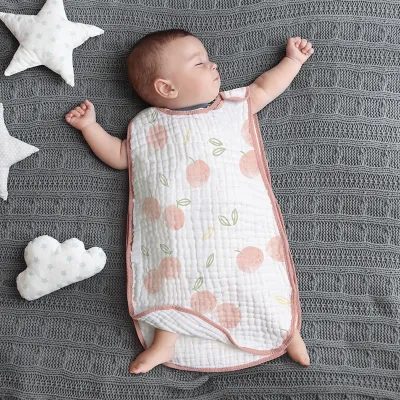
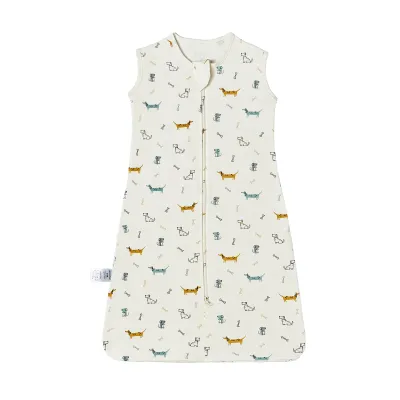
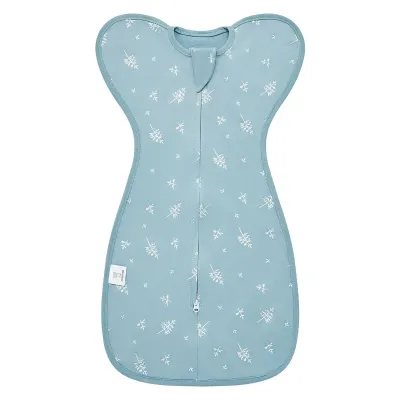
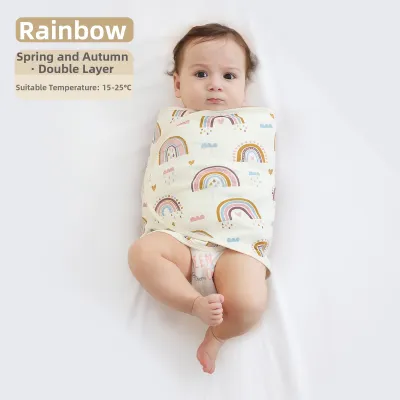
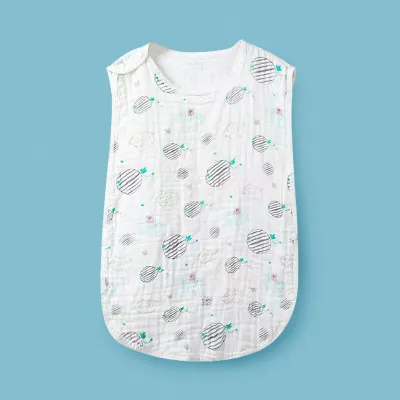
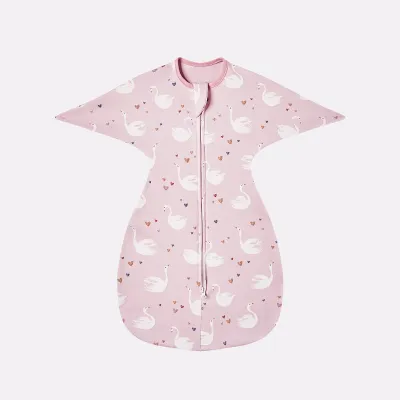
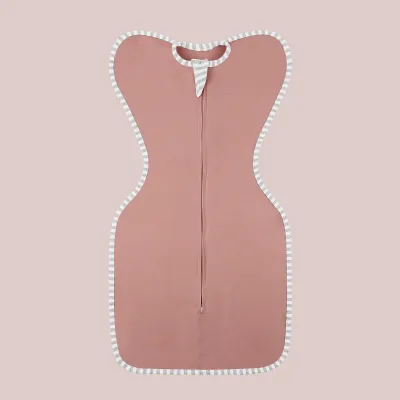
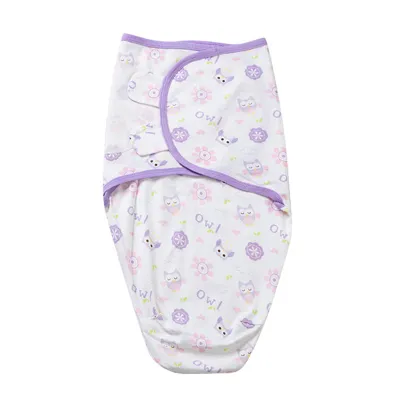
Prices are valid at publication and may change. Please refer to the product page for the latest price.
Overheating is not merely an issue of comfort; it is also a recognized risk factor for Sudden Infant Death Syndrome (SIDS). In a high-humidity environment, the body’s primary cooling mechanism—the evaporation of sweat from the skin—becomes significantly less efficient because the surrounding air is already saturated with moisture. Therefore, a sleep sack used in Singapore must possess exceptional breathability and moisture-wicking properties to prevent warm, damp air from pooling around the baby’s torso.
When evaluating sleep wear, parents should focus strictly on functional material performance rather than aesthetic designs or patterns. The primary goal is to find fabrics that offer high air permeability (allowing fresh air to circulate) and low thermal resistance. By prioritizing functional textile properties over decorative elements, you can ensure that the wearable blanket acts as a safe microclimate regulator rather than a heat trap.
Comparing Top Sleep Sack Materials for Hot and Humid Nights
Selecting the best material requires analyzing how different fibers are processed, woven, and maintained. Cotton, bamboo viscose, and cotton muslin each offer distinct advantages depending on whether your nursery relies on natural breeze or air conditioning.

Cotton: The Reliable and Breathable Standard
Cotton remains a highly popular choice for baby bedding due to its natural breathability, softness, and exceptional durability under frequent washing. Because babies frequently spit up or wet through their bedding, having a material that can withstand hot water cycles and heavy-duty laundering is a major practical advantage. However, not all cotton fabrics are created equal, and the specific weave plays a critical role in how much heat the garment retains.
When shopping for a cotton sleep sack, it is vital to differentiate between different fabric constructions. Lightweight jersey or interlock cotton weaves offer a comfortable stretch and moderate breathability suitable for mildly cool nights. Conversely, thicker cotton fabrics like fleece, terry, or heavy brushed cotton should be avoided in tropical climates, as their tight, dense structures trap dead air and retain moisture. Always check the fabric weight and feel the material to ensure it is thin and pliable.
Many brands highlight organic cotton as a premium alternative to conventional options. From a physical standpoint, organic cotton shares the identical thermal and breathability properties of standard cotton. The primary distinction lies in the cultivation and manufacturing processes, which avoid synthetic pesticides and harsh chemical finishes. If you prefer organic options, look for verified third-party certifications on the product label, such as the Global Organic Textile Standard (GOTS) or OEKO-TEX Standard 100, to confirm these environmental and safety claims.
Bamboo Viscose/Rayon: Softness and Moisture Management
Bamboo-derived fabrics have surged in popularity due to their incredibly silky texture, elegant drape, and cool-to-the-touch feel. This material is highly effective at absorbing moisture, drawing sweat away from the baby’s skin much faster than standard cotton. This rapid moisture-wicking capability makes bamboo viscose exceptionally comfortable for humid Singapore nights, particularly in rooms where the air conditioning is running.
It is important to understand that “bamboo” fabric used in apparel is not a raw natural fiber like linen or cotton; rather, it is a semi-synthetic fiber produced through a chemical viscose or rayon process. This manufacturing method yields incredibly smooth fibers that minimize friction against sensitive skin, making it an excellent choice for babies prone to eczema. However, because of this chemical processing, the fabric requires gentle care. Always check the manufacturer’s care label, as bamboo viscose often requires cold water washes and low-heat or line-drying to prevent pilling, stretching, and structural wear.
Additionally, some marketing materials claim that bamboo fabrics possess natural antibacterial or hypoallergenic properties. While the raw bamboo plant contains an agent called “bamboo kun” that resists pests, this property is generally lost during the intensive chemical processing required to turn the woody plant into soft viscose fibers. To ensure safety and skin compatibility, rely solely on verified medical or dermatological testing certifications printed on the manufacturer’s packaging rather than assuming these benefits based on the material name alone.
Cotton Muslin: Lightweight and Maximum Airflow
Cotton muslin is widely regarded as the ultimate fabric for maximum airflow and heat dissipation in warm climates. Muslin is characterized by its extremely loose, open plain-weave structure, which allows air to flow freely through the fabric. This continuous ventilation prevents heat from building up inside the sleep sack, making it the premier choice for naturally ventilated bedrooms in Singapore that rely on ceiling fans or open windows.
In addition to its unmatched breathability, muslin is incredibly lightweight and possesses a unique structural quality: it tends to become softer and more pliable with every consecutive wash. Unlike denser fabrics that can become stiff over time, high-quality muslin molds gently to the baby’s body without adding bulk or restriction. This makes it highly comfortable for infants who dislike the feeling of heavy blankets or restrictive swaddles.
However, because single-layer muslin provides almost no thermal insulation, it may not offer enough warmth if your nursery is heavily air-conditioned. If you plan to run the air conditioner at a lower temperature (such as 21°C or 22°C), a single-ply muslin sack might leave your baby feeling chilled. In these scenarios, you should verify the number of layers—often referred to as plies—on the product description, opting for a multi-layered (2-ply or 4-ply) muslin structure to balance airflow with subtle warmth.
Matching TOG Ratings and Fabric Weight to Your Room Temperature
To ensure safe sleep, fabric selection must be paired with an understanding of Thermal Overall Grade (TOG) ratings. TOG is an international standard measure of a textile’s thermal insulation; the higher the TOG rating, the warmer the garment will keep your baby. In Singapore’s tropical climate, using a sleep sack with an inappropriate TOG rating can quickly lead to overheating, making it crucial to match the rating to the actual ambient temperature of the nursery.
As a general rule, low TOG ratings are essential for tropical environments. For rooms that are naturally ventilated or kept warm (between 24°C and 27°C or higher), look for a TOG rating of 0.2 to 0.5. These ultra-thin garments are typically made from single-layer muslin or lightweight bamboo viscose. For nurseries that are consistently air-conditioned to a cooler range (between 20°C and 23°C), a TOG rating of 1.0 is generally appropriate, which can be achieved through double-layered cotton or slightly thicker bamboo knits.
| Room Temperature (°C) | Recommended TOG Rating | Ideal Fabric Type | Recommended Undergarments |
|---|---|---|---|
| 24°C and above (Naturally ventilated / Fan only) | 0.2 to 0.5 TOG | Single-layer muslin, ultra-thin bamboo viscose | Diaper only, or a short-sleeved cotton bodysuit |
| 21°C to 23°C (Mild air conditioning) | 0.5 to 1.0 TOG | Double-layer muslin, lightweight jersey cotton | Short-sleeved bodysuit or lightweight footless onesie |
| 20°C and below (Cool air conditioning) | 1.0 TOG | Interlock cotton, multi-ply muslin, bamboo knit | Long-sleeved cotton sleepsuit / footed onesie |
It is important to remember that TOG ratings serve as a general guideline rather than an absolute rule. Different manufacturers may calibrate their TOG ratings slightly differently based on their specific testing methods. Always verify the manufacturer’s official temperature chart and recommended room temperature ranges, which are typically printed on the product packaging or detailed in the user guide.
Furthermore, you can easily adjust your baby’s warmth by altering the layers of clothing worn underneath the sleep sack. If the room feels slightly warmer than usual, you can transition your baby from a full sleepsuit to a short-sleeved bodysuit, or even just a diaper, while keeping the same sleep sack. Regularly monitor your baby’s physical comfort by feeling the back of their neck or chest; if the skin feels hot or sweaty, remove a layer of clothing or switch to a lower TOG sleep sack.
Washing and Drying Sleep Sacks to Prevent Mildew in High Humidity
Maintaining a clean sleep environment in Singapore requires diligent laundry habits due to the persistent environmental humidity. Sweat, spit-up, and body oils can quickly accumulate on a sleep sack, creating an ideal breeding ground for bacteria and dust mites. To keep the fabric fresh and hygienic, wash the sleep sack regularly using a gentle, baby-safe, fragrance-free detergent that effectively breaks down oils without leaving chemical residues that could irritate sensitive skin.
The high humidity levels in Singapore present a major challenge when drying laundry, as damp fabrics can easily develop musty odors, mold, or mildew. To prevent this, thorough drying is absolutely critical before storing or reusing the garment. While air-drying outdoors in the sun is an excellent natural way to sanitize cotton fabrics, you must exercise caution with other materials. Direct, intense midday sunlight can fade dyed fabrics and weaken fibers over time, so morning sun or shaded outdoor drying is often preferred.
Before using a tumble dryer, always consult the manufacturer’s care label on the sleep sack. High heat settings can cause significant shrinkage in cotton muslin and can permanently damage or warp the delicate semi-synthetic fibers of bamboo viscose. If machine-drying is permitted, select a low-heat or delicate cycle to preserve the shape, zipper integrity, and softness of the fabric. Always zip up the sleep sack fully before washing and drying to prevent the zipper teeth from snagging on the delicate weave of other garments.
During the monsoon seasons, when outdoor air-drying is impractical due to frequent rain and high ambient moisture, indoor drying becomes necessary. To prevent mold spores from settling on the damp fabric, place a standing fan or a dehumidifier in the drying room to keep the air circulating. Ensure the sleep sack is completely dry—paying close attention to thicker areas such as the seams, neck trim, and zipper tracks—before folding it away or putting it on your baby for bedtime.
Frequently Asked Questions (FAQ)
Can I use a sleep sack if my baby sweats a lot?
Yes, you can safely use a sleep sack even if your baby is prone to heavy sweating, provided you select the correct material. Opt for highly breathable, moisture-wicking fabrics such as single-layer cotton muslin or lightweight bamboo viscose, which actively pull moisture away from the skin and allow heat to escape. To ensure your baby is comfortable, regularly check the back of their neck or chest for dampness; if they are sweating, lower the room’s temperature, switch to a lower TOG rating, or reduce the clothing layers worn underneath the sleep sack.
Is it safe to use a sleep sack in a non-air-conditioned room in Singapore?
It is entirely safe to use a sleep sack in a non-air-conditioned room in Singapore, as long as you prioritize high-airflow fabrics and monitor the sleeping environment. Choose an ultra-lightweight sleep sack with a TOG rating of 0.2 or 0.5, preferably made of single-layer muslin, and dress your baby in only a diaper or a very thin, sleeveless bodysuit underneath. Ensure the room has active ventilation, such as an oscillating fan or ceiling fan to promote air circulation, and monitor your baby for signs of overheating, which include flushed cheeks, rapid breathing, damp hair, or a hot chest.
Community discussion
Share your experience or ask a question. Comments are reviewed before publication.