
In compact Singapore homes, maximizing every square meter is a top priority for homeowners. A sliding mirror offers an elegant, dual-purpose solution by combining functional reflection with space-saving mechanics. Unlike traditional hinged mirrors that require wide swing clearances, sliding designs glide parallel to walls or wardrobe frames, preserving precious floor area in narrow HDB bedrooms, walk-in closets, and tight entryways. By strategically reflecting natural light from windows, these mirrors visually double the depth of small rooms, creating an airy, expansive atmosphere.
Choosing the right system involves understanding the balance between aesthetic appeal, mechanical durability, and structural safety. Because a sliding mirror is both a piece of decor and a moving architectural element, selecting a reliable brand or contractor is essential. Homeowners must evaluate structural support, track mechanisms, and glass specifications to ensure long-term functionality. This guide outlines how to assess sliding mirror quality, where to source the best options in Singapore, and how to maintain them for smooth, silent operation.
Why Sliding Mirrors Are Ideal for Compact Singapore Homes
Living in a typical HDB BTO flat or a compact condominium requires smart spatial planning. Standard hinged wardrobe doors or swing-out mirrors require at least 60 to 90 centimeters of clear space in front of them to open fully. In a narrow master bedroom where the bed sits close to the closet, this swing clearance can severely restrict movement or prevent you from placing bedside tables where you want them. A sliding mirror completely eliminates this issue by operating entirely within its own track, requiring zero clearance to open or close.
Products mentioned in this guide
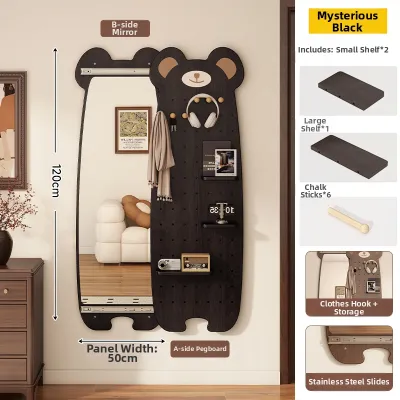
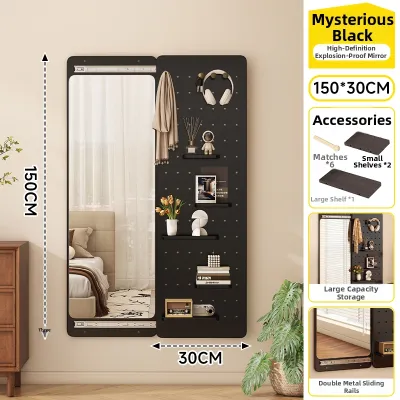
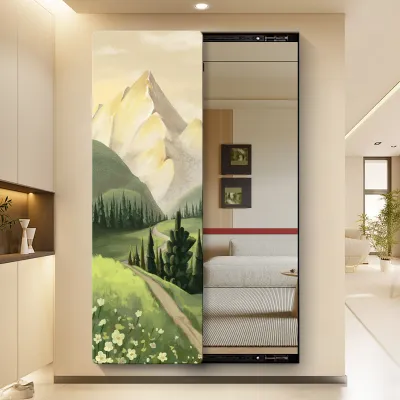
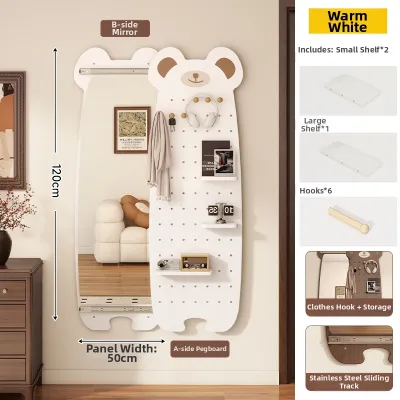
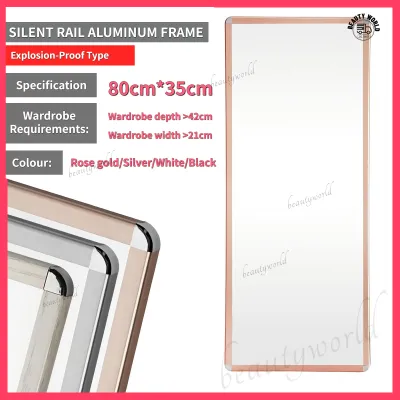
![[SG Stock]Wardrobe built-in full-length mirror folding sliding mirror escopic rotary mirror](https://img.lazcdn.com/g/p/16ffc4056d4d9b39e115c9836ce5035b.jpg_400x400q80.jpg_.webp)
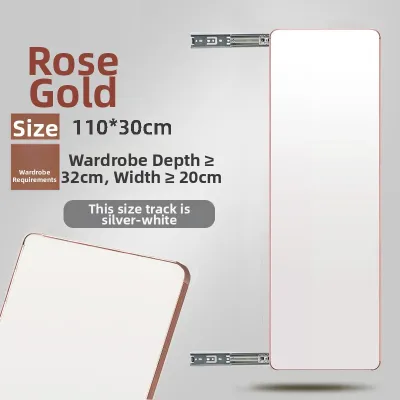
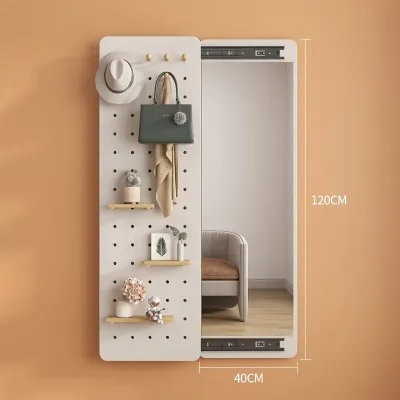
Prices are valid at publication and may change. Please refer to the product page for the latest price.
Beyond saving physical floor space, sliding mirrors leverage optical physics to transform the feel of a room. Large, uninterrupted mirror surfaces reflect light deep into dark corners, which is particularly beneficial in modern apartments with single-aspect windows. By reflecting the opposite wall and floor, a full-length sliding mirror tricks the brain into perceiving double the actual depth of the room. This visual expansion makes even narrow corridors or small en-suite bathrooms feel significantly more open and less confined.
In Singapore homes, sliding mirrors serve several versatile layout functions. They are frequently used to conceal HDB household shelters or bomb shelters, turning an unsightly steel door into a sleek, functional feature wall. They also work exceptionally well as flexible room dividers in open-concept studio apartments, allowing homeowners to partition off a bedroom or study nook without blocking natural light. Additionally, integrating sliding mirrors into built-in wardrobe doors provides a seamless, floor-to-ceiling reflection that keeps the bedroom layout clean and uncluttered.
How to Evaluate Sliding Mirror Brands for Quality and Safety
When shopping for a sliding mirror, it is easy to focus solely on the frame style or glass tint. However, because these are heavy, moving installations, prioritizing safety and mechanical hardware is crucial. Evaluating a brand requires looking beyond marketing claims to inspect the physical components that ensure smooth operation and protect your household.

Hardware and Track Systems The longevity of any sliding mirror depends entirely on the quality of its track and rollers. Reputable brands utilize heavy-duty aluminum or stainless steel tracks paired with precision-engineered, ball-bearing rollers. When testing a sliding mirror in a showroom, the movement should feel smooth, consistent, and nearly silent. Heavy, full-length glass panels require robust rollers that do not deform under weight over time. Additionally, check if the system includes anti-jump clips or safety guides. These small mechanical components prevent the mirror panel from jumping out of its track if it is bumped or pushed too hard.
Glass Safety Standards Because mirrors are large sheets of glass, safety must never be compromised. High-quality brands construct their sliding mirrors using tempered glass or laminated safety glass. Tempered glass undergoes controlled thermal or chemical treatments to increase its strength, and if it does break, it crumbles into small, blunt granular chunks instead of sharp, jagged shards. Furthermore, verify that the brand applies a high-quality shatter-proof backing film (often referred to as safety backing or vinyl backing) to the rear of the mirror. This adhesive backing ensures that if the glass suffers a severe impact, the broken fragments remain stuck to the film rather than scattering across the floor.
Local Warranty and After-Sales Sliding mechanisms are subject to daily wear and tear, making a reliable warranty essential. Prioritize local brands or distributors that offer comprehensive warranties covering moving parts, track alignment, and roller replacements. In Singapore’s humid climate, dust and moisture can accumulate in track channels, which may accelerate wear on lower-quality rollers. Having access to responsive local customer support ensures you can easily source replacement hardware or schedule professional adjustments if the mirror panels begin to drift or stick.
Where to Find the Best Sliding Mirror Brands in Singapore
Navigating the local market requires matching your specific renovation stage and spatial needs with the right type of supplier. Sourcing channels in Singapore generally fall into three distinct categories, each offering unique advantages depending on whether you are undergoing a full home renovation or simply looking to add a flexible decor piece.
Custom Carpentry Brands for Built-in Wardrobes
For homeowners executing a complete home renovation, integrating sliding mirrors directly into custom built-in wardrobes is the most seamless option. Local interior design firms and dedicated carpentry workshops, such as Singapore Carpentry or Ample Custom Carpentry, specialize in designing bespoke floor-to-ceiling wardrobe systems featuring sliding mirror doors.
This approach allows for absolute customization. The carpentry team can tailor the wardrobe dimensions to fit awkward alcoves, structural pillars, or sloped ceilings perfectly, maximizing every inch of available space. Homeowners can choose frameless mirror panels for an ultra-modern, seamless look, or opt for slim aluminum frames to add structural definition.
However, this route requires early planning during the initial design phase of your renovation. Because custom built-in wardrobes are permanently anchored to the walls and floor, they cannot be easily moved or reconfigured later. This makes them a long-term investment best suited for homeowners who plan to stay in their property for many years.
Modular Furniture Brands for Freestanding Mirrors
If you are renting a home, operating on a tighter budget, or prefer not to commit to permanent structural changes, modular furniture brands offer excellent freestanding alternatives. Well-known global retailers like IKEA (specifically their PAX wardrobe system with AULI sliding mirror doors) and local online home decor platforms like Castlery and HipVan provide versatile, pre-fabricated sliding mirror solutions.
Modular systems offer the distinct advantage of portability. If you relocate to a new home, these wardrobes and sliding panels can be disassembled and transported with you. They also require zero structural drilling into your walls, making them highly renter-friendly and significantly faster to install than custom carpentry.
The primary limitation of modular furniture is the lack of custom sizing. You must work within fixed, standardized dimensions, which may leave awkward gaps near the ceiling or walls where dust can accumulate. Additionally, freestanding units require careful weight balancing and must be placed on perfectly level floors to prevent tipping or track misalignment.
Specialized Glass and Mirror Contractors
When your design calls for architectural-grade sliding installations—such as a heavy-duty sliding barn-style mirror door to close off a study or a massive wall-mounted sliding panel—direct glass contractors are the premier choice. Specialized local contractors, including M9 Glass, Glass-M, and Ho Glass and Mirror, focus exclusively on high-end glass fabrication and installation.
Engaging a direct glass contractor gives you access to premium materials and specialized techniques. They can handle oversized, heavy glass panels that standard furniture brands cannot support, and they offer custom track fabrication to suit unique architectural layouts. Furthermore, these specialists can provide custom finishes, such as bronze-tinted or grey-tinted mirrors, which offer a softer, more luxurious reflection than standard silver glass.
While this route delivers a highly polished, high-end aesthetic, it is typically the most expensive option. It requires precise site measurements, professional structural assessments to ensure your walls can bear the weight, and expert installation teams to handle the heavy glass safely.
Crucial Specifications to Verify Before Purchasing
To make an informed decision and communicate effectively with your contractor or sales representative, you should familiarize yourself with the key technical specifications of sliding mirror systems. Verifying these details beforehand prevents costly installation errors and ensures your mirror operates safely for years.
Track Mechanism (Top-Hung vs. Bottom-Rolling) The choice between top-hung and bottom-rolling systems significantly impacts both the installation process and daily maintenance:
- Top-Hung Systems: In a top-hung setup, the track is mounted to the ceiling or the upper wall, and the mirror panels hang down. This design keeps the floor completely clear of tracks, allowing your flooring material to flow continuously between spaces, which is ideal for creating a seamless visual transition. However, because the entire weight of the heavy glass panel is suspended, this system requires exceptionally strong overhead structural support.
- Bottom-Rolling Systems: In a bottom-rolling setup, the weight of the mirror panel rests on rollers that glide along a floor track, while a top guide track keeps the panel aligned. This system is structurally safer for weaker ceilings or false ceilings because the weight is transferred directly to the floor. The trade-off is that the floor track can collect dust, hair, and debris, and it creates a small physical threshold on the floor.
Glass Thickness and Weight Standard sliding mirror panels typically utilize glass thicknesses ranging from 4mm to 6mm. For standard wardrobe doors or smaller sliding panels, 4mm or 5mm glass is generally sufficient, as it keeps the overall weight manageable while maintaining structural integrity. For large, frameless architectural sliding doors, thicker glass (such as 6mm or 8mm) is required to prevent the mirror from flexing or warping when pushed. Always verify that the track and roller system you choose is rated to support the specific weight of your glass panels, as overloading the hardware will lead to premature failure.
Frame Materials The frame material affects both the aesthetic style and the physical durability of your sliding mirror:
- Aluminum Frames: Aluminum is the industry standard for modern sliding mirrors. It is incredibly lightweight, structurally rigid, and highly resistant to rust and corrosion. This makes it the ideal choice for Singapore's humid climate, especially if the mirror is installed near a bathroom or kitchen.
- Wood or MDF Frames: Wooden or Medium-Density Fibreboard (MDF) frames offer a warmer, more traditional aesthetic. However, wood is susceptible to moisture absorption. If you select a wooden frame, verify that the material has been properly treated, sealed, or lacquered to prevent warping, swelling, or mold growth in humid environments.
Soft-Close and Dampers Always check if the sliding mechanism includes integrated soft-close dampers. This feature gently slows down the mirror panel as it approaches the end of the track, pulling it softly into the closed position. Soft-close mechanisms are highly recommended for sliding mirrors because they prevent the heavy glass from slamming against the frame or wall. This dramatically reduces the risk of impact-induced glass breakage and eliminates loud, disruptive slamming noises in your home.
Installation Requirements and Track Maintenance
Proper installation and consistent maintenance are vital to ensuring your sliding mirror remains safe and glides effortlessly. Because glass is heavy and rigid, neglecting structural requirements or failing to keep the tracks clean can lead to mechanical failure or safety hazards.
Wall and Structural Limits Before installing any heavy sliding mirror—particularly top-hung systems—you must verify the composition of your walls and ceiling. Modern HDB flats often utilize hollow concrete blocks or drywall partitions for internal walls, which have limited load-bearing capacities. Suspending a heavy top-hung mirror from a hollow block wall or a standard false ceiling without reinforcement can cause the anchors to pull out, leading to structural collapse. Heavy sliding systems must be anchored directly into solid concrete structural beams or reinforced metal studs. Always consult HDB renovation guidelines or hire a qualified professional structural engineer to assess your wall’s load-bearing capacity before proceeding with installation.
Floor Leveling For bottom-rolling sliding mirrors, a perfectly level floor is absolutely critical. Even a minor slope or unevenness in your flooring can cause the sliding mirror to drift open or closed on its own. In worse cases, an uneven floor can cause the rollers to bind or jump out of the track entirely. Ensure your flooring contractor performs a precise leveling check using a spirit level, and apply self-leveling screed if necessary before installing the bottom tracks.
Routine Maintenance To keep your sliding mirror gliding smoothly and quietly, establish a simple, regular maintenance routine. Dust, hair, and pet fur are the primary culprits behind stiff or squeaky rollers. Vacuum the track channels weekly using a crevice tool attachment to remove accumulated debris. Periodically wipe down the exposed track surfaces with a damp microfiber cloth, and dry them thoroughly to prevent moisture buildup. If the sliding mechanism begins to feel stiff or noisy, first consult the manufacturer’s care instructions to check for approved maintenance steps. If permitted by the manufacturer, apply a light spray of silicone-based lubricant to the roller bearings, and wipe away any excess lubricant immediately to prevent it from attracting more dust.
Frequently Asked Questions (FAQ)
Can I install a heavy sliding mirror on an HDB hollow block wall?
Hollow block walls and drywall partitions have significantly lower load-bearing capacities than solid concrete walls. Installing a heavy or top-hung sliding mirror directly onto these surfaces without proper support poses a safety risk. You must use specialized heavy-duty toggle anchors or, ideally, secure the track to the underlying concrete structure or reinforced framing. Always consult your contractor or refer to HDB renovation guidelines before drilling.
Are top-hung or bottom-rolling sliding mirrors better for small spaces?
Top-hung systems are generally preferred for small spaces because they eliminate the need for a floor track, allowing your flooring material to flow continuously between spaces and making the room feel larger. However, they require a solid concrete ceiling or reinforced lintel to bear the weight. If your ceiling cannot support a suspended load, a bottom-rolling system is the safer and more practical choice.
How do I prevent sliding mirror tracks from getting stuck?
Preventing jams requires keeping the tracks free of debris. Vacuum the track channels regularly to remove accumulated dust, hair, and pet fur. Periodically check the alignment of the rollers to ensure they sit flat on the track. If the movement feels stiff, refer to the manufacturer’s care instructions; if recommended, apply a small amount of silicone-based lubricant to the rollers, and wipe away any excess to avoid attracting dirt.
Community discussion
Share your experience or ask a question. Comments are reviewed before publication.