
Finding the right small table clock for a compact home in Singapore is about balancing functional clarity with physical and visual economy. In space-constrained apartments, such as modern HDB flats or condominiums, every square centimeter of surface area on bedside tables, study desks, and entryway consoles is highly valuable. A well-chosen small clock does more than display the time; it integrates seamlessly into your interior design without contributing to visual clutter. By focusing on compact footprints, silent mechanisms, and versatile power sources, you can select a timepiece that enhances both the utility and the aesthetic harmony of your living space.
Key Criteria for Choosing Small Table Clocks in Compact Spaces
When space is at a premium, the physical footprint and depth of a table clock are the most critical dimensions to evaluate. Many narrow shelves, floating ledges, and compact bedside tables have a depth of less than 15 centimeters. A clock with a shallow profile—ideally under 5 centimeters in depth—leaves ample room in front of or beside it for other daily essentials, such as glasses, a phone, or a cup of water. Before purchasing, always measure the exact usable depth of your target surface to ensure the clock sits securely without hanging over the edge.
Visual weight is another essential factor that influences how spacious a room feels. A bulky, dark-colored clock can dominate a small shelf, drawing too much attention and making the entire corner feel cramped. Conversely, a clock with a slim bezel, light or neutral tones, or a semi-transparent casing blends effortlessly into the background. Matte finishes and natural wood textures tend to soften a room’s appearance, while high-gloss plastics or heavy metals should be chosen carefully to match existing decor elements rather than compete with them.
Products mentioned in this guide
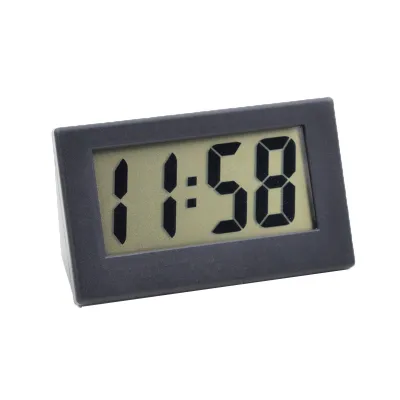
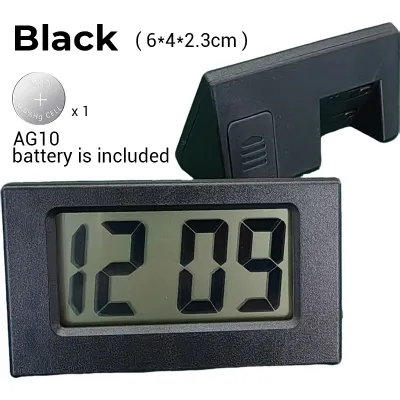
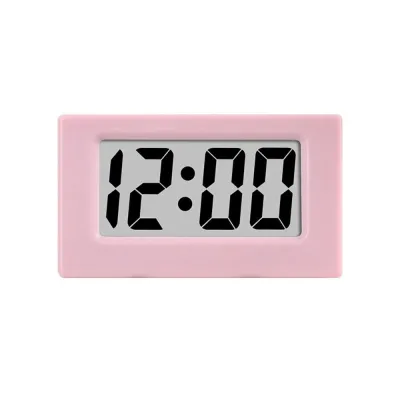
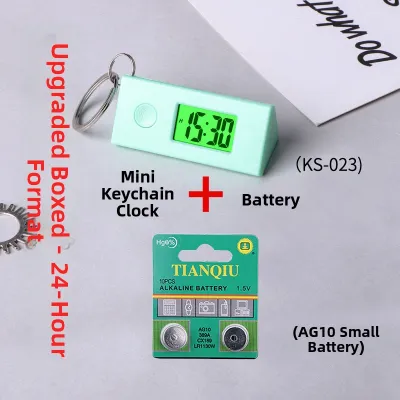
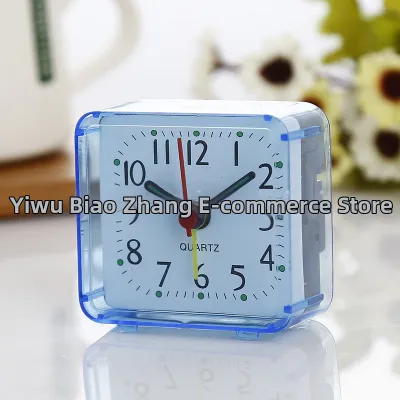
Prices are valid at publication and may change. Please refer to the product page for the latest price.
Power source considerations directly impact where you can place your clock and how clean the setup will look. Battery-operated clocks offer ultimate placement freedom, allowing you to position them on floating shelves, central dining tables, or room dividers without worrying about unsightly cords. Plug-in models, while requiring proximity to an electrical outlet, eliminate the need for regular battery replacements and are excellent for high-drain features like continuous backlighting or smart sensors. Choosing between them depends on whether you prioritize cord-free aesthetics or maintenance-free operation.
Noise levels are a vital consideration in multi-purpose living spaces where quiet is essential for concentration or rest. In compact homes, a single room often serves as a bedroom, a home office, and a relaxation space. A clock with a loud, repetitive ticking sound can quickly become a major distraction during quiet work hours or disrupt your sleep cycle. Opting for a silent sweep quartz movement or a silent digital display ensures that your shared or multi-purpose spaces remain peaceful and conducive to both productivity and rest.
Recommended Small Table Clock Styles for Space-Constrained Homes
Different design styles offer distinct functional advantages for compact living. Choosing the right style depends on your daily routine, lighting preferences, and the specific room where the clock will reside.

Minimalist Digital and Smart Displays
Digital displays offer instant readability and often pack extra features like temperature or humidity sensors into a tiny frame. However, screen brightness is a critical factor, especially for bedroom use. Look for models with adjustable brightness levels or auto-dimming sensors that lower the light output when the room darkens, preventing sleep disruption. A display that is too bright can cast an unwanted glow across a small bedroom, disturbing your natural sleep patterns.
The physical shape of digital clocks is highly space-efficient. Rectangular or cube footprints allow these clocks to sit completely flush against walls or the back of shelves, maximizing the usable space in front of them. This flat-back design is particularly useful on narrow study desks where keyboard and mouse clearance is tight, or on shallow window sills where round, protruding casings might not fit.
Consider the power demands of digital screens before making a choice. While basic LCD screens can run for months on a single button cell battery, bright LED or smart displays usually require a continuous USB or mains power connection. If you choose a high-drain digital clock, plan for cable management to keep your compact desk or nightstand looking tidy and organized.
Compact Analog and Mechanical Flip Clocks
Analog clocks bring a classic, tactile warmth to modern interiors. When selecting an analog clock for a small space, prioritize high-contrast dials—such as dark hands against a light face—to ensure you can read the time from across the room without squinting. A clean, uncluttered dial design is much easier to read at a glance than one with busy patterns or excessive decorative details.
Ensure the clock features a silent sweep movement rather than a step-second movement. A silent sweep hand moves continuously and quietly, eliminating the repetitive ticking sound that can feel amplified in small, quiet rooms. This ensures your analog timepiece remains a peaceful addition to your bedside table or study desk.
Mechanical flip clocks offer a retro, decorative focal point, but they require unique spatial considerations. The internal flipping mechanism often demands a deeper casing than a flat analog dial, so verify that your shelf has enough depth to accommodate the physical movement of the cards. Additionally, the gentle clicking sound of the flipping numbers is an inherent feature of these clocks, which may not be suitable for light sleepers.
Multi-Functional and Decorative Pieces
In highly constrained areas, every object should ideally earn its place by serving more than one purpose. Clocks integrated with pen holders, wireless phone chargers, or small ambient nightlights are excellent space-savers, consolidating multiple desktop items into a single footprint. This multi-functional approach helps keep your surfaces clear of unnecessary clutter.
When choosing a multi-functional clock, pay close attention to stability and weight distribution. A clock that doubles as a phone stand or pen holder must have a weighted base to prevent it from tipping over when you place your phone on it or reach for a pen. Lightweight, top-heavy designs can easily fall, potentially damaging the clock or surrounding items.
Ensure the materials are durable and scratch-resistant, particularly on surfaces that will experience daily contact with keys, pens, or mobile devices. Additionally, verify that the secondary function does not block your view of the clock face from your primary viewing angle, as a clock is only useful if you can easily see the time.
Space Planning and Placement Strategies
To make the most of a compact home, think vertically and utilize underused areas. Placing a small table clock on a wall-leaning ladder shelf or right at the edge of an eye-level bookshelf keeps the time visible without consuming valuable desk or countertop space. This keeps your primary work and preparation surfaces completely clear for daily activities.
Avoid visual clutter by matching the clock’s materials and colors with your existing room hardware. For instance, if your room features matte black light fixtures or drawer pulls, a clock with a matching matte black frame creates a cohesive, intentional look. This design harmony makes the space feel organized and thoughtfully curated rather than cluttered with mismatched accessories.
Cable routing is a major factor in maintaining a clean aesthetic. If you opt for a plug-in or USB-powered clock, use adhesive cable clips to route the wire along the back leg of a table or the underside of a shelf. Keeping cords hidden prevents the messy, disorganized look that quickly makes small rooms feel smaller and more chaotic.
Essential Checks Before Buying a Table Clock Online
Buying online offers a wide variety of styles, but it requires careful verification to avoid common pitfalls. Always measure your intended placement surface first, then compare those measurements directly against the product’s listed dimensions—especially the depth and base width. Do not rely solely on product photos, which can sometimes make items appear larger or smaller than they are in reality.
For plug-in models, verify the power specifications. Singapore uses a standard 230V voltage at 50Hz, with Type G three-pin plugs. If you are purchasing a clock online that comes with a power adapter, ensure it is compatible with Singapore’s electrical standards or can be powered via a standard USB port to avoid safety hazards or the need for bulky, unsightly adapters.
Read customer reviews and look closely at user-uploaded photos. Product renders on e-commerce platforms can sometimes alter the perceived color or texture of a clock. User photos provide a realistic view of the clock’s scale, material finish, and display brightness in real-world lighting conditions, helping you make a more informed decision.
| Power Type | Placement Flexibility | Maintenance Effort | Aesthetic Impact | Ideal Placement |
|---|---|---|---|---|
| Battery-Operated | High (no cords, place anywhere) | Medium (periodic battery replacement) | Clean (no visible wires) | Floating shelves, dining tables, bedside |
| Plug-in (Mains) | Low (must be near wall outlet) | Low (continuous power, no battery changes) | Moderate (requires cable management) | Study desks, kitchen counters, TV consoles |
| USB-Powered | Medium (can use power banks or ports) | Low to Medium (depends on power source) | Clean to Moderate (thin, flexible cables) | Home office desks, computer setups, bedside |
Frequently Asked Questions (FAQ)
How do I clean a small table clock without damaging its finish?
To clean your table clock safely, start by using a dry, soft microfiber cloth to gently wipe away dust from the casing and the protective glass or plastic cover. If the clock has accumulated fingerprints or light grime, slightly dampen the microfiber cloth with water, wring it out thoroughly so it is barely moist, and wipe the surface. Avoid spraying water or liquid cleaners directly onto the clock, as moisture can easily seep into the seams, battery compartment, or internal movement, causing permanent damage. For delicate finishes like natural wood, brass, or matte coatings, always refer to the manufacturer’s specific care instructions to avoid stripping the protective layer or causing discoloration.
Are battery-operated clocks better for small apartments than plug-in models?
Battery-operated clocks are generally highly suited for small apartments because they offer complete placement freedom without adding to cable clutter, making them perfect for floating shelves, entryways, or bedside tables far from an outlet. However, if you prefer high-visibility features like a continuously illuminated LED screen, smart home integration, or built-in charging ports, a plug-in or USB-powered model is more practical to avoid frequent and costly battery replacements. For a bedroom, a battery-operated analog clock with a silent sweep movement is often ideal for a peaceful sleep environment, while a USB-powered digital clock works exceptionally well on a home office desk where power sources are already abundant.

Community discussion
Share your experience or ask a question. Comments are reviewed before publication.