
To illuminate your home with decorative lighting, the best brand depends on whether you seek seamless smart home integration (such as Philips Hue or Yeelight), dynamic entertainment effects (such as Govee, Twinkly, or Nanoleaf), or budget-friendly ambient decor (such as Xiaomi or Tuya-compatible options). Modernizing your living space with fairy lights and flexible LED strips can transform standard flat layouts into cozy, personalized environments. Understanding the technical specifications, compatibility requirements, and local safety standards ensures you choose a system that is both visually stunning and safe for long-term use.
How to Choose Smart Fairy Lights and LED Strips for Your Home
Selecting the right decorative lighting requires understanding the physical and functional differences between smart copper wire fairy lights and flexible smart LED strips. Fairy lights feature tiny, delicate LED beads embedded along thin, highly pliable copper or silver wires. These are incredibly flexible, making them the ideal choice for wrapping around indoor plants, weaving through bed frames, framing mirrors, or filling decorative glass jars for a soft, localized glow. Because the wire itself is practically invisible when unlit, fairy lights blend seamlessly into delicate decor setups without adding structural bulk.
Flexible smart LED strips, on the other hand, consist of surface-mounted light-emitting diodes (SMD LEDs) mounted on a wider, flat, and semi-rigid circuit board with an adhesive backing. These are engineered for structural, indirect lighting applications where the light source itself remains hidden. Common uses include ceiling cove lighting, under-cabinet illumination, wardrobe interiors, and TV or monitor backlighting. While fairy lights provide a whimsical, starry aesthetic, LED strips deliver a powerful, continuous wash of light capable of altering the entire mood of a room.
Products mentioned in this guide
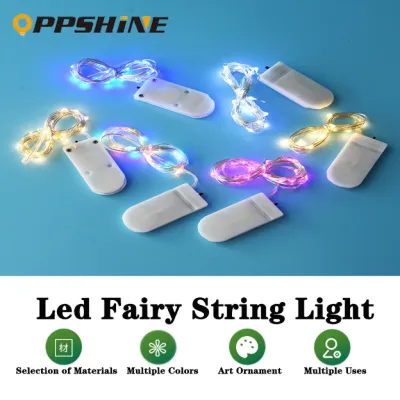
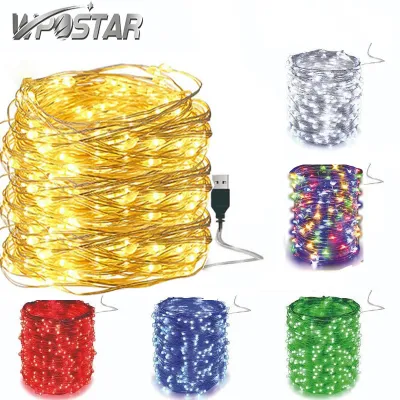
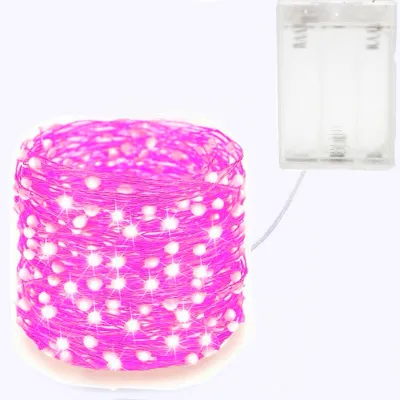
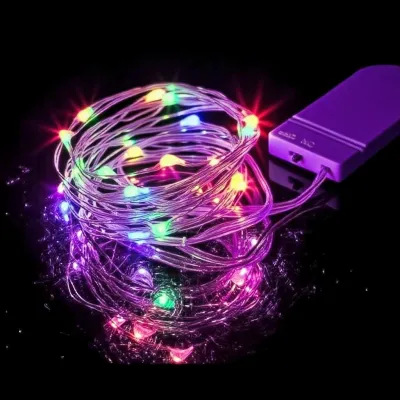
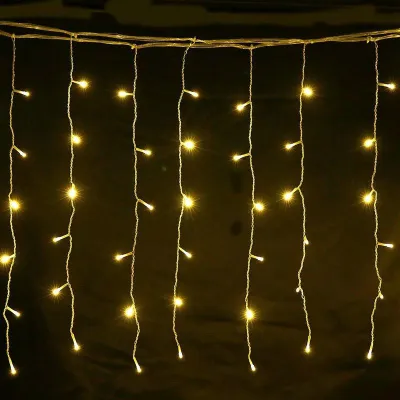
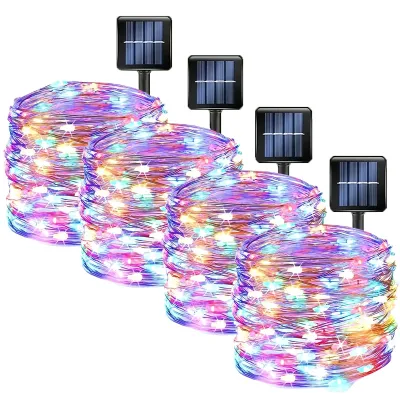
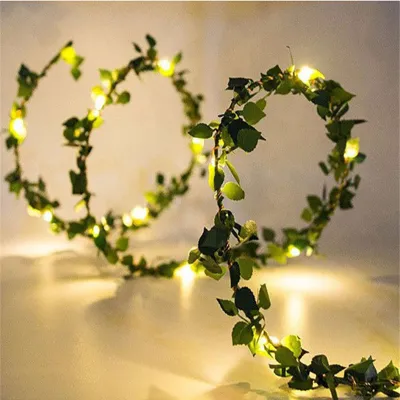
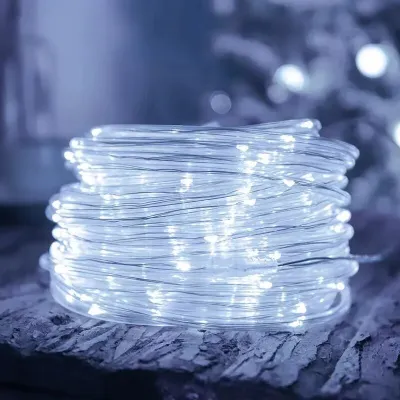
Prices are valid at publication and may change. Please refer to the product page for the latest price.
When evaluating smart lighting options, compatibility with your existing smart home ecosystem is a primary consideration. Modern smart lights connect via various protocols, including Wi-Fi, Bluetooth, Zigbee, or the newer Matter standard. If you use Apple HomeKit, Google Home, Amazon Alexa, or Samsung SmartThings, look for lights that natively support these platforms to ensure seamless voice control and automation. Matter-compatible devices are particularly valuable for future-proofing, as they allow cross-platform interoperability without relying on proprietary brand bridges.
Color accuracy, measured by the Color Rendering Index (CRI), is another critical quality metric. A low CRI (below 80) can make your home decor, furniture, and even food look dull, washed out, or unnaturally gray. For living rooms, kitchens, and dining areas, prioritize lights with a CRI of 90 or higher, which ensures colors are rendered accurately and vibrantly. Additionally, consider whether you need addressable or non-addressable LEDs. Non-addressable strips change color uniformly across the entire length. Addressable LEDs (often marketed as RGBIC or dreamcolor) feature individual control chips for each diode or segment, allowing multiple colors to chase, fade, or flow along a single strip simultaneously.
Power supply configurations also dictate where and how you can install these lights. Low-voltage USB-powered options (typically 5V) are highly convenient for small, localized decor projects, as they can run off power banks, laptop ports, or standard phone chargers. However, USB power is susceptible to voltage drop over longer distances, which causes the LEDs at the far end of the strand to dim or shift color. For runs exceeding 5 meters, plug-in adapters (operating at 12V or 24V) are necessary to maintain consistent brightness. In Singapore, it is vital to verify that any plug-in adapter is rated for the local 230V, 50Hz electrical grid and features a standard Type G three-pin plug.
Finally, pay close attention to Ingress Protection (IP) ratings, especially given Singapore’s tropical climate. An IP20 rating is standard for dry indoor areas like bedrooms and living rooms, offering protection against solid objects but zero resistance to moisture. For areas exposed to elevated humidity or occasional water splashes—such as covered balconies, bathrooms, or indoor plant corners with automated misting systems—you must use lights rated IP65 or higher. These feature a protective silicone or epoxy coating that seals the delicate circuitry against water vapor and dust, preventing short circuits and premature diode failure.
Recommended Smart Lighting Brands by Decoration Needs
The ideal brand for your home depends heavily on your existing smart home infrastructure, your aesthetic goals, and your budget. While premium brands offer unmatched color consistency and deep ecosystem integration, budget-friendly alternatives provide excellent entry-level performance for simple accent lighting. Understanding the unique strengths and practical limitations of each brand category will help you make an informed decision.

Best for Seamless Smart Home Integration
For homeowners who prioritize system reliability, high-quality light output, and effortless automation, premium brands like Philips Hue and Yeelight stand out. These manufacturers design comprehensive lighting ecosystems that focus on stable connectivity and exceptional color rendering. They are built to function as permanent fixtures in a smart home, offering smooth dimming curves and precise color calibration that ensures multiple light strips or bulbs match perfectly when set to the same scene.
Philips Hue relies primarily on the Zigbee protocol, which requires a proprietary Hue Bridge connected to your router. While this adds to the initial setup cost, it provides unparalleled network stability. Instead of clogging your home’s Wi-Fi network with dozens of individual smart devices, the lights communicate with each other via a mesh network, ensuring instant response times even in concrete-walled HDB flats where Wi-Fi signals struggle to penetrate. Yeelight offers both Wi-Fi and Bluetooth mesh options, providing a slightly more accessible entry point while still maintaining strong integration with major smart home platforms, including Google Home and Apple HomeKit.
The primary limitation of these premium brands is their cost, as a single starter kit can represent a significant investment. Additionally, their product lineups focus heavily on flat, structural LED strips rather than traditional copper wire fairy lights. If you are looking for delicate, starry wire lights to wrap around small decorative objects, these premium ecosystems may offer limited choices, requiring you to adapt their thicker light strips to creative applications.
Best for Dynamic Effects and Entertainment Sync
If your goal is to create an immersive entertainment zone, a vibrant gaming setup, or complex, animated light shows, brands like Govee, Twinkly, and Nanoleaf are the market leaders. These companies specialize in addressable LED technology, music synchronization, and interactive visual features that turn lighting into an active part of your home entertainment.
Govee has gained immense popularity for its highly responsive music-syncing capabilities and camera-based color-matching systems. By mounting a small camera on top of your TV, Govee strips can detect the colors on your screen in real time and project matching ambient light onto the wall behind, visually expanding your screen. Twinkly takes customization a step further with its patented camera-mapping technology. Using your smartphone camera, the Twinkly app maps the exact 3D position of every single LED bead on your fairy light strand, allowing you to draw custom animations or apply complex multi-color effects that flow perfectly across irregular surfaces like Christmas trees or wall displays.
However, these feature-rich systems come with added complexity. The companion apps can be overwhelming for users who prefer simple controls, as they are packed with hundreds of user-generated scenes, DIY creation tools, and device settings. Furthermore, because many of these devices rely on direct Wi-Fi and Bluetooth connections, installing numerous dynamic strips can congest your local 2.4GHz Wi-Fi band, potentially causing latency or connection drops unless you have a robust home router setup.
Best for Budget-Friendly and Entry-Level Smart Decor
For those who want to experiment with smart decorative lighting without making a major financial commitment, ecosystem-agnostic brands and Tuya-compatible white-label products offer an affordable entry point. Xiaomi, along with various brands operating under the Tuya or Smart Life app ecosystems, provides highly functional smart LED strips and fairy lights at a fraction of the cost of premium competitors.
These budget-friendly options connect directly to your home Wi-Fi network, eliminating the need for expensive proprietary hubs. Through universal smart home apps, they still offer essential smart features such as remote on/off switching, brightness adjustments, basic color selection, automated scheduling, and basic voice control via Google Assistant or Amazon Alexa. This makes them excellent for temporary setups, seasonal holiday decorations, or teenagers’ bedrooms where advanced color calibration is unnecessary.
The trade-offs for these lower price points typically manifest in build quality and performance consistency. Budget strips often use lower-grade LEDs with inferior color rendering indices, which can result in less vibrant colors and a noticeable green or blue tint when attempting to display pure white light. The adhesive backing on cheaper strips is also more prone to failure, especially in Singapore’s humid climate, causing the lights to sag over time. Additionally, because these devices often rely on generic, shared cloud servers for their smart functionality, you may experience occasional response latency or offline issues during peak usage hours.
Installation, Power, and Safety Guidelines for Singapore Homes
Installing decorative lighting in Singapore requires careful attention to electrical safety, surface preparation, and environmental factors. Because local HDB flats and condominiums feature concrete walls and plaster finishes, standard installation methods must be adapted to prevent damage to both the building structure and the lighting components themselves.
First and foremost, electrical safety must be your top priority. Always ensure that any plug-in power adapter you use carries the circular Safety Mark issued by Enterprise Singapore. This certification guarantees that the adapter has been rigorously tested and approved for safe use on Singapore’s 230V electrical grid, protecting your home against short circuits, overheating, and potential electrical fires. Additionally, strictly avoid daisy-chaining multiple LED strips together unless the manufacturer explicitly states that the power supply is rated to handle the added load. Overloading a power adapter causes it to run dangerously hot, which drastically shortens the lifespan of the power supply and poses a severe fire hazard.
Proper surface preparation is crucial to ensure that adhesive-backed LED strips remain securely attached to your walls or furniture. Singapore’s high relative humidity can quickly degrade adhesive backings, leading to peeling and sagging. Before applying any adhesive strip, thoroughly clean the mounting surface with isopropyl alcohol to remove dust, grease, and moisture. Avoid using household spray cleaners, as they often leave behind a thin residue that prevents the adhesive from bonding. Allow the cleaned surface to dry completely, then press the strip down firmly along its entire length, holding pressure on each section for at least 30 seconds. To prevent peeling paint on HDB drywall or plaster, avoid applying high-strength adhesive tape directly to painted walls; instead, stick them to wooden laminates, metal frames, or plastic surfaces.
For a professional finish and superior safety, highly recommend mounting your LED strips inside aluminum mounting channels. These lightweight metal tracks serve multiple critical functions:
- Heat Dissipation: LEDs generate heat during operation. Aluminum channels act as highly effective heat sinks, drawing warmth away from the diodes. Keeping the LEDs cool prevents the phosphor coating from degrading, preserving color accuracy and extending the operational lifespan of the strip.
- Light Diffusion: Most aluminum channels come with frosted or semi-opaque acrylic covers. These diffusers blend the individual hot spots of light from each LED bead into a smooth, continuous glow, eliminating harsh glare and reflections on glossy surfaces.
- Surface Protection: Mounting the strip inside a channel means the adhesive bonds to metal rather than your furniture or walls. If you ever need to remove or replace the lights, you can simply unclip or unscrew the channel without tearing off paint or damaging wood veneers.
+-------------------------------------------------------------+
|                      ALUMINUM CHANNEL                       |
|                                                             |
|   [Frosted Acrylic Diffuser Cover] <--- Blends hot spots    |
|   ================================                          |
|   [LED Strip Light]                <--- Generates light     |
|   --------------------------------                          |
|   [Aluminum Extrusion Track]       <--- Dissipates heat     |
+-------------------------------------------------------------+
Environmental factors also dictate where you can safely install your lights. Singapore’s high humidity can cause rapid oxidation on exposed copper terminals. If you are decorating semi-outdoor spaces like covered balconies, patio areas, or indoor plant corners that receive regular misting, you must use IP65-rated waterproof strips. Ensure that all electrical connections, including the joint between the strip and the power cable, are sealed with waterproof silicone sealant or marine-grade heat-shrink tubing to prevent moisture from creeping into the wiring.
Finally, understand the boundary between simple DIY projects and professional electrical work. Low-voltage, plug-and-play decorative setups that connect to existing wall outlets are perfectly safe for homeowners to install themselves. However, if your decoration plans involve hardwiring lights directly into your home’s electrical distribution board (DB box), concealing wiring inside false ceilings, or creating dedicated ceiling cove lighting systems, you must hire a licensed electrical worker (LEW) registered with the Energy Market Authority (EMA). Attempting to modify fixed household wiring without a license is illegal in Singapore and can void your home insurance policy while creating severe safety hazards.
Where to Buy Authentic Smart Lights and Verify Warranties
To protect your investment and ensure the safety of your household, always purchase smart lighting products from reputable, authorized sources. Avoid buying uncertified, ultra-cheap direct-import LED strips from overseas sellers on online marketplaces. While these products may look identical to branded options, they frequently bypass local safety certifications, lack internal fuses or surge protection, and use low-grade wiring that can melt or catch fire under continuous use.
When shopping online, prioritize official brand flagship stores on authorized e-commerce platforms or purchase directly from the manufacturers’ official websites. For those who prefer to inspect products in person, major local electronics and home improvement retailers—such as Challenger, Gain City, Harvey Norman, and specialized local lighting boutiques—offer authorized stock with genuine local warranties. Buying from these channels ensures that you receive a product specifically packaged for the Singapore market, complete with a certified Type G power adapter bearing the Safety Mark.
When you receive your lighting product, verify the warranty terms immediately. Authentic smart lights sold through official Singapore distributors typically come with a 1-year to 2-year local warranty. Register your product on the manufacturer’s local portal using the serial number on the packaging. Keep your physical receipt or digital invoice safe, as local service centers require proof of purchase from an authorized merchant to honor warranty claims. Having a local warranty ensures that if a power adapter fails or a segment of LEDs stops working, you can easily obtain a replacement or professional support without dealing with international shipping or unresponsive overseas sellers.
Frequently Asked Questions (FAQ)
Can I cut and reconnect smart LED strips to fit my furniture?
Yes, but this depends entirely on the type of smart LED strip you own. Standard, non-addressable LED strips can be cut to length, but only at the specific, clearly marked copper solder pads spaced along the strip. Cutting anywhere else will permanently break the electrical circuit and ruin that segment of the light. Once cut, you can reconnect segments using clip-on solderless connectors or by soldering wires directly to the copper pads.
In contrast, addressable (RGBIC or dreamcolor) strips generally cannot be cut or reconnected. These strips rely on a continuous data signal sent from the controller through integrated circuits to animate individual LEDs. Cutting an addressable strip interrupts this data flow, which can cause the remaining portion to malfunction or stop working entirely. Always consult the manufacturer’s specific cutting guidelines on the product packaging before attempting to modify your light strips.
Do smart fairy lights consume a lot of electricity if left on all night?
No, smart LED fairy lights and light strips are exceptionally energy-efficient. Because they utilize solid-state LED technology rather than incandescent filaments, they convert almost all consumed energy into light rather than heat. A typical 5-meter decorative LED strip or fairy light strand consumes between 12 and 24 watts of electricity at maximum brightness. If left on for 8 hours overnight, a 15-watt strip will consume approximately 0.12 kilowatt-hours (kWh) of electricity, which translates to only a few cents per night based on local residential electricity tariffs.
To minimize energy consumption and extend the operational lifespan of your lights, utilize the automation features within your smart light’s companion app. You can easily configure smart schedules to automatically dim the lights late at night or turn them off completely at sunrise. Integrating geofencing ensures your lights turn off automatically when you leave your home, while linking them to smart motion sensors in hallways or bathrooms ensures they only illuminate when someone is actively using the space.
Community discussion
Share your experience or ask a question. Comments are reviewed before publication.