
Selecting the right pendant light for a Japandi-style home requires a delicate balance between Scandinavian functionality and Japanese minimalism. The “Smile” pendant light—distinguished by its signature, gently sweeping curved silhouette—serves as an exceptional focal point for these hybrid spaces. By combining organic materials, muted tones, and a soft, glare-free glow, the right Smile pendant light harmonizes the clean lines of your interior while introducing a warm, sculptural element that feels both intentional and serene.
To successfully integrate a Smile pendant light into a Japandi home, you must look beyond aesthetic appeal. Evaluating material authenticity, light diffusion quality, and spatial proportions ensures the fixture enhances rather than disrupts the calm atmosphere of your living space. Additionally, navigating local installation requirements and safety standards is crucial for achieving a seamless, professional setup that stands the test of time.
What Defines a Japandi-Style Pendant Light?
Japandi design is the thoughtful fusion of Scandinavian hygge—which emphasizes warmth, comfort, and practical living—and Japanese wabi-sabi, which finds beauty in simplicity, natural imperfection, and rustic textures. In lighting design, this hybrid philosophy manifests as fixtures that prioritize clean silhouettes, natural materials, and soft, indirect illumination. A Japandi-style pendant light avoids unnecessary ornamentation, focusing instead on structural harmony and the quality of light it casts across a room.
Products mentioned in this guide
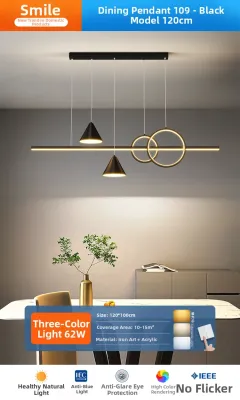
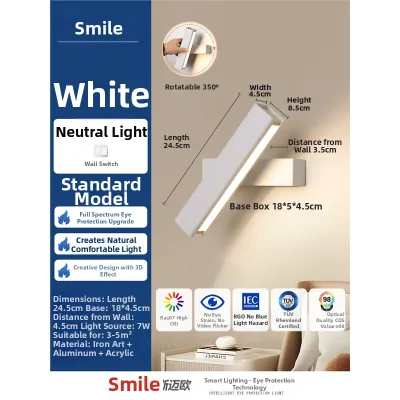
Prices are valid at publication and may change. Please refer to the product page for the latest price.
In this design context, the “Smile” pendant light refers to fixtures characterized by a gentle, upward-curving profile that evokes a subtle, welcoming smile. This sweeping curved line is highly effective in Japandi interiors because it breaks up the rigid, straight lines of minimalist furniture and architectural features. The curve introduces organic movement and a sculptural quality without adding visual clutter, maintaining the uncluttered feel essential to both design heritages.
When evaluating Smile pendant lights for a Japandi interior, several core criteria should guide your selection:
- Material Authenticity: Look for natural, tactile materials such as light-toned woods, woven rattan, linen, cotton, or traditional handmade paper. These materials bring texture and warmth to a space, aging gracefully over time.
- Muted Color Palette: Stick to earthy neutrals, sand, cream, warm grey, charcoal, or soft terracotta. These tones blend seamlessly with the surrounding decor rather than competing for attention.
- Glare-Free Diffusion: The light source should be softened or shielded. Direct, harsh glare disrupts the tranquil ambiance of a Japandi home, making light-diffusing shades or downward-directed, recessed light sources preferable.
- Spatial Proportion: The scale of the fixture must match your furniture. A Smile pendant should feel light and airy, suspended at a height that complements low-profile seating and dining arrangements.
Recommended Smile Pendant Lights for Japandi Spaces
Because the Smile silhouette can be executed in various mediums, the choice of material significantly influences the overall mood of your room. Depending on whether you want to emphasize rustic warmth, soft tranquility, or modern simplicity, different variations of the Smile pendant light will suit different areas of your home.

Natural Wood and Woven Rattan Designs
Smile pendant lights crafted from light-toned wood veneers, bamboo, or woven rattan are ideal for adding organic warmth to your home. These natural materials highlight the rustic, wabi-sabi side of Japandi design, celebrating the natural variations in wood grain and fiber textures. The gentle upward curve of the Smile shape executed in timber or rattan feels grounded and connected to the natural world.
When illuminated, woven rattan or slatted wood Smile pendants cast beautiful, intricate shadow patterns across the ceiling and walls. This play of light and shadow adds visual depth and a cozy, textured feel to a room without requiring additional decorative accessories. The natural warmth of oak, ash, or beech veneers complements solid wood dining tables and neutral flooring beautifully.
These fixtures perform exceptionally well in dry, high-traffic areas such as dining rooms, living rooms, or reading nooks. To keep natural wood and rattan looking pristine, dust them regularly with a dry microfibre cloth or a soft-bristle brush attachment on a vacuum cleaner. Avoid installing untreated natural fibers in high-humidity zones like bathrooms or unventilated kitchens, as moisture can cause the organic materials to warp, discolor, or develop mold over time.
Soft Fabric and Washi Paper Shades
For a softer, more ethereal interpretation of the Japandi aesthetic, consider Smile pendant lights featuring linen, cotton, or Washi-style paper shades. These materials lean heavily into the Japanese concept of soft, filtered light, transforming a harsh bulb into a gentle, ambient glow. The sweeping curve of the Smile silhouette in fabric or paper creates a floating, cloud-like presence overhead.
Linen and paper shades excel at diffusing light evenly in all directions, eliminating harsh shadows and creating a calming, restful environment. This makes them highly suitable for private sanctuaries within the home, such as bedrooms, nursery spaces, or quiet lounge areas where relaxation is the primary goal. The subtle texture of woven linen or the delicate fibers of Washi paper add tactile interest even when the light is turned off.
When choosing a fabric or paper Smile pendant, safety and maintenance are key considerations. Always check the manufacturer’s instructions regarding maximum bulb wattage to prevent heat damage to the delicate shade; low-emission LED bulbs are highly recommended. To clean these fixtures, gently roll a lint roller over fabric shades to remove dust, or use a soft, dry makeup brush to sweep away debris from delicate paper surfaces without applying pressure.
Sleek Curved Silhouettes in Matte Neutrals
If your home leans closer to the modern, functional Scandinavian side of Japandi, a Smile pendant light made of metal or composite materials with a matte finish is an excellent choice. These designs rely on razor-sharp minimalist lines and precise, sweeping curves rather than heavy textures. Finished in matte beige, off-white, warm grey, or soft terracotta, they offer a clean, architectural look.
These sleek, curved metal pendants typically direct their light downwards, providing functional, glare-free task lighting. The matte exterior finish absorbs light rather than reflecting it, ensuring the fixture maintains its quiet, understated presence in the room. This sculptural simplicity makes them highly versatile additions to modern kitchens, home offices, or corridors.
When selecting a matte-finished Smile pendant, inspect the quality of the coating to ensure it resists fingerprints and is easy to clean. High-quality matte powder coatings can be wiped down easily with a damp, lint-free cloth to remove dust and smudges. These durable finishes are particularly well-suited for kitchen islands, where they can withstand the occasional steam and grease of a cooking environment far better than delicate paper or fabric shades.
Essential Technical and Safety Checks for Singapore Homes
Before purchasing and installing any Smile pendant light, you must verify that the fixture meets the technical, structural, and safety standards required for residential properties in Singapore. Ensuring compatibility beforehand prevents electrical hazards and installation delays.
- Voltage and Frequency Compatibility: Confirm that the Smile pendant light is rated for Singapore’s standard electrical grid of 230V and 50Hz. Avoid purchasing fixtures designed solely for 110V markets (such as North America) unless they are explicitly dual-voltage. Utilizing incompatible fixtures can cause electrical failure, shorten bulb lifespans, or require bulky step-down transformers that disrupt your minimalist aesthetic.
- Bulb Base and Wattage Limits: Identify the bulb interface required by the fixture, with E27 and E14 being the most common screw-in bases. Always check the maximum wattage rating printed on the fixture's safety label. This is especially critical for paper, wood, or fabric shades, where exceeding the recommended wattage can lead to heat buildup and pose a serious fire hazard.
- Electrical Safety and Installation: For all hardwired ceiling fixtures, prioritize safety by isolating the mains power at your home's distribution board (DB box) before attempting any work. It is highly recommended to hire an EMA-licensed electrician to handle the installation. A professional ensures proper earthing, secure wire connections, and compliance with local electrical safety regulations, protecting your household from short circuits or electrical shocks.
- Ceiling Mounting and Weight Capacity: Verify the weight of your chosen Smile pendant light against the structural capacity of your ceiling. Standard concrete ceilings—common in Singapore HDB flats and condominiums—require robust masonry drilling and appropriate wall plugs to secure the mounting bracket. If you are installing the fixture on a gypsum board false ceiling, do not mount a heavy wood or woven pendant directly to the plasterboard. The ceiling must be reinforced with a plywood or metal backing plate, or the fixture must be anchored directly to the structural concrete slab above using threaded drop rods.
Styling and Placement for the Perfect Ambience
To fully realize the aesthetic potential of your Smile pendant light, thoughtful placement and styling are essential. How you hang and illuminate the fixture directly influences the spatial balance and mood of your Japandi interior.
To maintain clean sightlines and ensure functional lighting, adhere to standard hanging heights. When positioning a Smile pendant light over a dining table, the lowest point of the fixture should sit approximately 75 to 90 cm above the tabletop. This height provides focused illumination for dining while keeping the fixture below eye level when standing, preventing glare. For open walkways or living areas, ensure the bottom of the pendant cleared the floor by at least 2.1 meters to allow safe passage.
The choice of light bulb is critical for establishing a cozy, inviting atmosphere. Pair your Smile pendant with warm-white LED bulbs, ideally in the 2700K to 3000K color temperature range. This warm glow enhances the natural tones of wood, rattan, and linen, creating a relaxing sanctuary. Avoid cool daylight bulbs (4000K to 6500K), as they emit a clinical blue-white light that flattens textures and ruins the warm, organic feel of a Japandi home.
To maximize versatility, check if your Smile pendant light and chosen LED bulbs are compatible with dimming systems. Being able to adjust the light levels allows you to transition the space from a bright, functional daytime environment to a soft, low-lit evening retreat. If you use smart bulbs, ensure they are compatible with your existing wall switches or smart home hub to prevent flickering or buzzing.
Finally, apply the Japandi rule of “less is more” when arranging your fixtures. A single, large Smile pendant light makes a powerful, minimalist statement over a circular dining table or in the center of a living room. If you are lighting a longer surface, such as a kitchen island, consider hanging a balanced pair of smaller Smile pendants. Keep the spacing wide enough to maintain an airy, uncluttered feel, allowing the elegant curves of each fixture to stand out.
Frequently Asked Questions (FAQ)
What color temperature bulb is best for Japandi pendant lights?
For a Japandi interior, warm-white LED bulbs with a color temperature between 2700K and 3000K are highly recommended. This temperature range mimics the soft, golden light of the late afternoon sun, which beautifully highlights the natural grain of wood, the weave of rattan, and the texture of linen shades. Avoid cool daylight bulbs, as their clinical tone can make organic materials look dull and cold.
Can I install a heavy woven pendant light on an HDB false ceiling?
Standard gypsum board false ceilings are not designed to support the weight of heavy wood or woven pendant lights directly. To install a heavy fixture safely, you must consult a licensed contractor or electrician to reinforce the false ceiling with a wooden or metal backing plate. Alternatively, the fixture can be anchored directly to the structural concrete slab above using extended threaded rods, ensuring the load is safely supported.
Community discussion
Share your experience or ask a question. Comments are reviewed before publication.