
Selecting the right cushions for sofa seating is the single most important factor in determining how comfortable, supportive, and durable your living space remains over time. Because a sofa is a major investment, the performance of its internal filling directly dictates whether it remains a welcoming place to relax or becomes a flat, unsupportive source of physical discomfort. There is no singular “best” material for every scenario; instead, the ideal choice depends on whether you are replacing structural seat cushions or decorative throw cushions.
For primary seat support, high-density polyurethane foam or resilient natural latex provides the necessary load-bearing structure to prevent sagging. For back and throw cushions, down alternative or polyester fibre offers plush softness, moldability, and a lighter touch. Understanding how these materials behave under daily use, especially in warm and humid environments like Singapore, allows you to make an informed decision that balances comfort, aesthetics, and longevity.
Seat Cushions vs. Throw Cushions: Defining Your Requirements
Before comparing specific fill materials, it is essential to distinguish between the structural demands of seat cushions and the comfort needs of back or throw cushions. Seat cushions bear the full weight of the human body, enduring significant compressive stress daily. To prevent “bottoming out”—where the cushion compresses entirely and you feel the hard frame underneath—seat inserts require high resilience, density, and rapid shape recovery. Choosing a fill material that lacks structural integrity for a seat cushion leads to premature sagging, poor posture, and joint strain.
Products mentioned in this guide
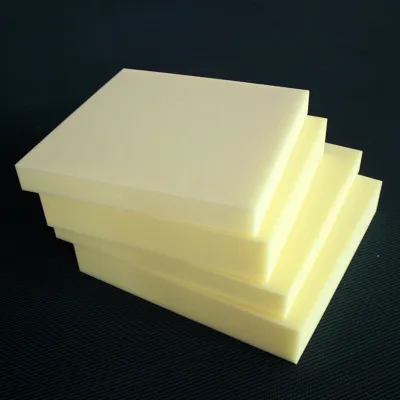
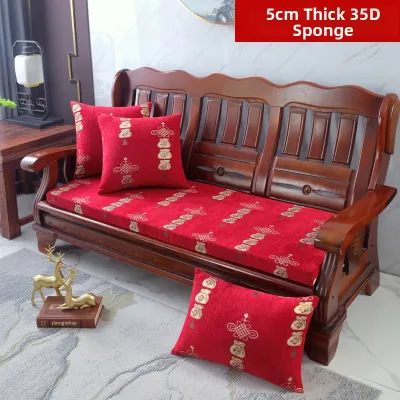
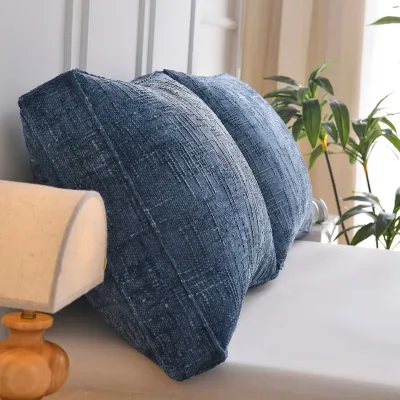
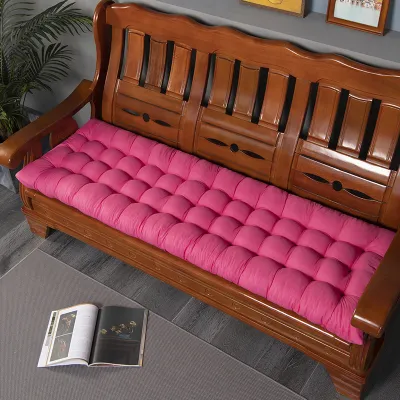
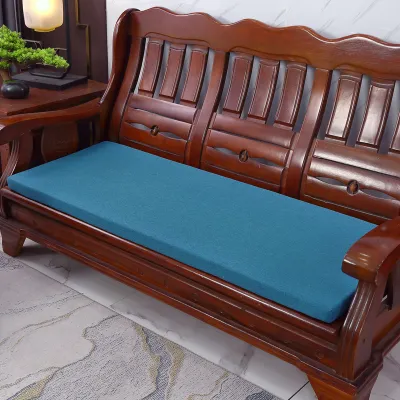
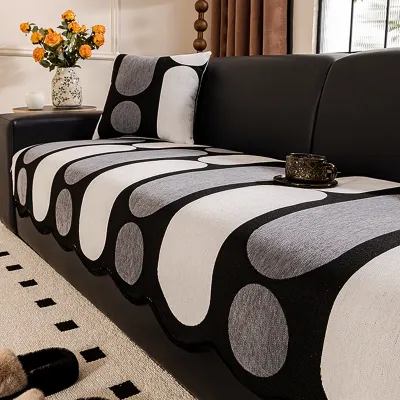
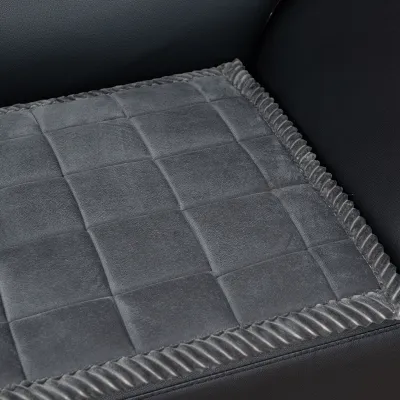
Prices are valid at publication and may change. Please refer to the product page for the latest price.
In contrast, back and throw cushions serve to support lighter, angled pressure or act as decorative accents. These cushions prioritize plushness, moldability, and aesthetic appeal over load-bearing capacity. A material that feels wonderfully soft and cloud-like on a backrest will fail rapidly if used under your thighs and hips, while a rigid, supportive seat foam will feel uncomfortably stiff if placed behind your shoulders.
To narrow down your choices, begin by identifying your primary pain point. If your sofa feels saggy, hard to get out of, or is causing lower back discomfort, your focus should be on high-density, supportive seat cushion materials. If your decorative pillows look flat, creased, or fail to support your neck during a afternoon nap, you need to evaluate lightweight, high-loft fills designed specifically for decorative and accent use.
Comparing the Best Fill Materials for Cushions for Sofa Comfort
Evaluating cushion fills requires looking at performance specifications rather than marketing claims. When shopping for cushions for sofa upgrades, look for objective measurements such as foam density (typically measured in kilograms per cubic metre, or kg/m³) and fill weight to gauge quality.

The following table provides a comparative overview of the four primary cushion fill materials to help you quickly identify which options align with your household needs.
| Material | Firmness Profile | Primary Use Case | Maintenance Level | Key Advantage |
|---|---|---|---|---|
| Memory Foam | Medium to Firm (Contouring) | Seat comfort layers, ergonomic inserts | Low | Excellent pressure relief and body contouring |
| Polyester Fibre | Soft to Medium | Throw cushions, budget replacements | Medium | Highly accessible, lightweight, and often washable |
| Down Alternative | Soft and Plush | Backrests, luxury throw cushions | High | Cloud-like loft and moldability without allergens |
| Latex | Medium-Firm to Firm (Bouncy) | Primary seat cushions, eco-friendly setups | Low | Exceptional resilience, breathability, and durability |
Memory Foam (Contouring and Pressure Relief)
Memory foam, or viscoelastic polyurethane foam, is renowned for its ability to soften in response to body heat and pressure, contouring precisely to your physical shape. This makes it highly effective for targeted pressure relief, as it distributes body weight evenly across the seat. For individuals who experience hip or lower back discomfort while sitting, a memory foam comfort layer can significantly reduce localized stress.
However, pure memory foam has distinct characteristics that may not suit every sofa setup. Because of its dense, closed-cell structure, memory foam naturally retains heat, which can feel uncomfortably warm in tropical climates unless paired with highly breathable outer fabrics. Additionally, its slow rebound rate means it does not instantly bounce back when you shift positions, creating a “sinking” sensation that some users find difficult to move around in.
To counter these drawbacks, premium sofa manufacturers rarely use solid blocks of pure memory foam for entire seat cushions. Instead, they utilize memory foam as a comfort top layer laminated over a highly resilient, high-density polyurethane foam core. When purchasing memory foam inserts, verify the density rating; high-quality memory foam for residential seating should ideally have a density of at least 48 kg/m³ to ensure it maintains its contouring properties without crumbling over time.
Polyester Fibre (Accessible and Versatile)
Polyester fibre, often referred to as poly-fill, is the most common and budget-friendly filling material used in home decor. Composed of extruded synthetic polyester strands, this lightweight material is highly versatile and widely available in local retail shops and online marketplaces. It provides a soft, bouncy initial feel that makes throw cushions look plump and inviting on a budget.
Despite its accessibility, standard polyester fibre is prone to clumping, matting, and flattening under regular compression. Over time, the individual synthetic strands tangle and lose their crimp, leaving the cushion looking deflated and feeling lumpy. To mitigate this, look for premium variations such as siliconized polyester fibre or cluster-fibre fills. Siliconized fibres are coated with a ultra-thin layer of silicone, which reduces friction between the strands, allowing them to slide past one another and retain their loft much longer than untreated fill.
When choosing polyester inserts, always check the manufacturer’s care label. Many polyester-filled cushions can be gently hand-washed or machine-washed on a delicate cycle, making them highly practical for households with pets or young children. However, they should be dried thoroughly to prevent mustiness, especially in humid environments.
Down Alternative (Plush Softness and Aesthetics)
Down alternative is designed to replicate the luxurious, cloud-like loft and moldability of natural duck or goose down. Made from ultra-fine polyester microfibres, down alternative captures air within its structure to provide a plush, sink-in feel. It is an excellent choice for individuals who want the classic, relaxed aesthetic of feather cushions without the risk of animal allergen triggers, stray feathers poking through the fabric, or high retail costs.
Because down alternative fibres are incredibly fine, they allow you to easily shape and mold the cushion. This is the ideal material if you prefer the elegant, lived-in look of a “chopped” throw pillow on your sofa. However, because these microfibres lack structural resistance, down alternative provides very little support and will bottom out completely if used as a primary seat cushion.
Maintenance is the primary trade-off with down alternative. To keep these cushions looking plump and to prevent the microfibres from settling into dense, flat clumps, you must commit to regular manual fluffing and shaking. If left unmaintained, down alternative inserts will gradually lose their volume and aesthetic appeal.
Latex (Resilience and Structural Support)
Latex is a premium cushioning material known for its exceptional resilience, instant rebound, and long-term durability. Unlike memory foam, which cradles the body slowly, latex pushes back against weight, keeping you positioned on top of the cushion rather than sinking deep into it. This makes it highly supportive for primary sofa seating, allowing for effortless movement and excellent spinal alignment.
Latex inserts are produced using either the Dunlop or Talalay manufacturing process. Dunlop latex is typically denser and firmer at the bottom, making it highly suited for heavy-duty seat support. Talalay latex undergoes an additional vacuuming and flash-freezing step, resulting in a lighter, more uniform cell structure that offers a softer, springier feel. Both types feature an open-cell structure that allows air to circulate freely, making latex significantly cooler and more breathable than memory foam in warm climates.
When investing in latex cushions, verify the manufacturer’s specifications regarding natural versus synthetic latex blends. Natural latex, derived from the sap of rubber trees, is highly durable and naturally resistant to dust mites, though it carries a higher price tag (often ranging from S$80 to over S$150 per high-quality insert). Because latex is sensitive to ultraviolet (UV) light and body oils, which can cause the rubber to dry out and crumble, always ensure your latex inserts are protected by a thick, high-quality inner protective cover and kept out of direct sunlight.
Decision Framework: Matching Fill Materials to Your Lifestyle
To finalize your cushion selection, evaluate your household’s daily habits, aesthetic preferences, and budget. Use the following conditional scenarios to match the right fill material to your specific living room setup:
- Choose Latex or High-Density Foam if: You require long-lasting, highly supportive primary seating for a high-use family sofa. This combination is ideal for individuals who prefer a firm, responsive seat that makes sitting down and standing up easy, and for those who want to minimize the risk of visible sagging over years of daily use.
- Choose Down Alternative if: You prioritize a luxurious, relaxed, and highly moldable aesthetic for backrests or accent pillows. This is perfect for formal living rooms or reading nooks where you do not mind taking a few moments to manually fluff and reshape the cushions after use to restore their elegant loft.
- Choose Polyester Fibre if: You are looking for a highly cost-effective, lightweight, and easily replaceable option for casual decorative cushions. This is the most practical choice for high-traffic households with pets or young children, where cushions are frequently moved, spilled on, and need to be easily washed or replaced without a major financial investment.
- Neither may fit if: You require specialized medical-grade pressure relief, post-operative support, or orthopedic seating. In these instances, standard residential sofa cushions may not provide adequate therapeutic support, and you should consult an occupational therapist or specialized medical supplier for tailored seating solutions.
- Verify first if: You are replacing the structural inserts for a specific designer or brand-name sofa frame. Before purchasing third-party foam or latex inserts, always check the original manufacturer's documentation for exact dimensions, recommended fill volumes, and warranty conditions, as using incorrect dimensions can strain the fabric seams or void your sofa's structural warranty.
Care and Maintenance to Extend Cushion Longevity
Implementing a regular, low-risk maintenance routine is the most effective way to preserve the shape, comfort, and structural integrity of your sofa cushions. For all cushion types, rotating and flipping the inserts weekly is highly recommended. This simple action redistributes the daily compressive loads across different areas of the fill, preventing localized sagging and uneven wear.
For loose fibre and down alternative inserts, daily manual fluffing is essential to restore loft. Give the cushions a firm shake from the corners and pat them gently on all sides to introduce air back into the filling material. For all cushions, regular vacuuming using a clean, soft brush attachment on low suction helps remove surface dust, pet hair, and microscopic debris before they can work their way deep into the fibres or foam pores.
Before undertaking any deep cleaning, always locate and read the manufacturer’s care label attached to the cover or the insert itself. Never machine-wash, wring, or tumble-dry solid memory foam or latex inserts. The mechanical agitation of a washing machine and the high heat of a dryer will permanently tear the delicate cellular walls of these foams, causing them to crumble, lose their shape, and fail structurally. If a foam or latex insert becomes wet or soiled, gently spot-clean the area with a damp cloth and a mild, diluted detergent, then allow it to air-dry completely in a well-ventilated indoor space away from direct sunlight. For severe stains or delicate, high-value fills, consult a professional upholstery cleaning service to ensure safe and effective restoration.
Frequently Asked Questions (FAQ)
Can I mix different fill materials in the same sofa?
Yes, mixing different fill materials is a common practice recommended by interior professionals to achieve the perfect balance of support and comfort. A highly effective and popular configuration is to use firm, high-density polyurethane foam or latex inserts for the seat cushions to provide a stable, sag-resistant base, paired with soft down alternative or siliconized polyester fibre for the backrest and decorative throw cushions. This hybrid setup ensures you receive excellent structural support where your body weight is concentrated, while still enjoying a plush, cozy feel when leaning back. When mixing materials, ensure the visual plumpness remains consistent so the sofa maintains a cohesive, balanced appearance.
How do I know when it is time to replace my sofa cushion inserts?
Your sofa cushions will display clear, observable signals when their internal fill has reached the end of its functional lifespan. Physical indicators include permanent sagging or indentation in high-use areas that does not recover even after the sofa has been vacant for several hours. For fibre-filled cushions, persistent internal lumpiness, visible creasing in the fabric cover that cannot be smoothed out, or a complete loss of loft despite vigorous manual fluffing indicate that the synthetic fibres have matted and broken down. If you experience physical discomfort, such as lower back stiffness or feeling the hard wooden frame of the sofa beneath you when sitting, it is time to replace the inserts. Always measure the interior dimensions of your empty fabric covers accurately from seam to seam before ordering new foam, latex, or fibre inserts to ensure a snug, tailored fit.
Community discussion
Share your experience or ask a question. Comments are reviewed before publication.