
Switching to solar LED outdoor lights is one of the most direct ways to eliminate a portion of your home utility bill in Singapore. Because these fixtures operate entirely off-grid, they harvest solar energy during the day and power themselves at night, reducing the electricity consumption of your garden, driveway, or balcony lighting to zero. Over the lifespan of a high-quality fixture, this can translate to significant cumulative savings on your household utilities.
However, not all solar brands deliver the same level of performance. The brands that offer the best long-term energy savings are those that maximize solar panel conversion, utilize high-capacity thermal-resistant batteries, and feature intelligent power management systems that adapt to Singapore’s tropical weather. Selecting the right brand requires looking past marketing claims and verifying the underlying technical specifications.
What Makes a Solar LED Brand Truly Energy-Efficient?
To understand how a solar brand saves you money, you must look at how efficiently it manages its independent power cycle. A common misconception is that all solar lights are identical because they use the sun. In reality, the engineering behind the solar panel, the internal battery, and the LED driver determines whether a light remains functional throughout the night or dies after just a couple of hours of dim output.
Products mentioned in this guide
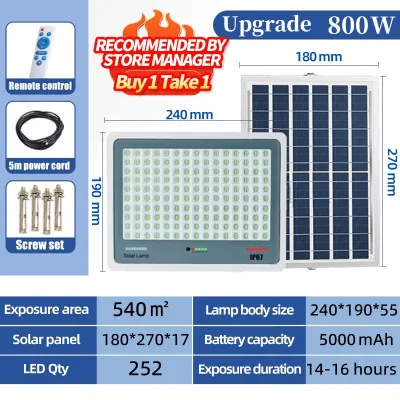
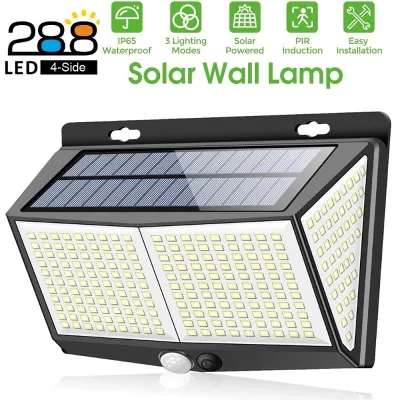
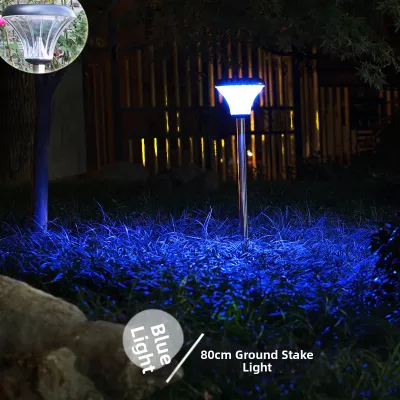
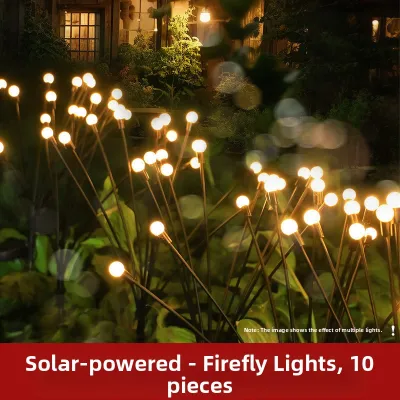
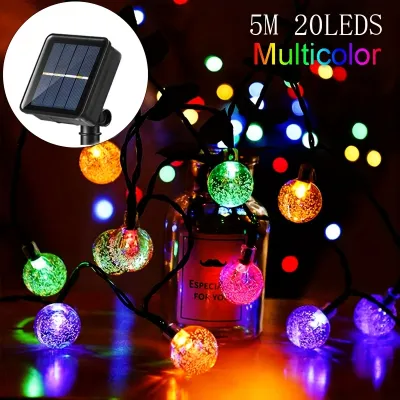
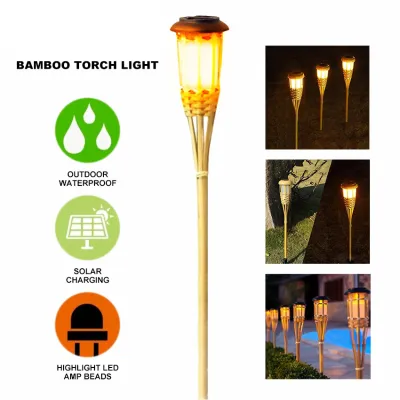
Prices are valid at publication and may change. Please refer to the product page for the latest price.
The primary division in outdoor solar lighting is between 100% off-grid fixtures and hybrid or mains-assisted systems. Off-grid solar lights operate completely independently of your home’s electrical panel. They require no trenching, no wiring, and absolutely zero grid power, which completely eliminates the operating costs of your outdoor lighting. Hybrid models, on the other hand, pull electricity from the grid when their batteries run low. While hybrids offer a reliable backup during extended periods of heavy cloud cover, they do not completely sever your connection to the grid. For maximum energy savings, fully off-grid systems are the ideal choice, provided they are engineered with high-quality components.
When selecting a brand, do not rely on the category name alone. You must verify the specific electrical and physical parameters, including the operating voltage, battery capacity, wattage limits of the LED array, physical dimensions, dimming methods, and safety certifications (such as CE or local safety marks). These parameters dictate whether a fixture can safely and efficiently meet your lighting needs.
The efficiency of the LED chips themselves is another critical factor. This is measured by luminous efficacy, which is the ratio of light output (lumens) to power consumed (watts). Premium solar brands invest in high-efficacy LED chips that can deliver 130 to 180 lumens per watt. In contrast, cheaper, unbranded alternatives often use lower-grade LEDs that produce only 70 to 90 lumens per watt. High luminous efficacy means the fixture can produce a bright, clear beam while drawing very little current from the internal battery, allowing the light to operate longer on a single charge.
Finally, smart internal controllers act as the brain of an energy-efficient solar light. High-end brands program their fixtures with dynamic power management profiles. Instead of running at 100% brightness from dusk to dawn—which quickly drains the battery—these smart controllers use programmed dimming schedules. For example, a light might run at full brightness for the first three hours of the evening, drop to 30% capacity during the quiet midnight hours, and ramp up to 100% only when an integrated motion sensor detects movement. This intelligent conservation of battery reserves ensures that the light remains operational even after consecutive rainy days.
Best Solar Light Types for Cutting Outdoor Electricity Costs
Selecting the right category of solar light is just as important as choosing a reputable brand. Different areas of your property require different lighting behaviors, and matching the fixture type to the specific task prevents energy waste and maximizes utility savings.

Keep in mind that decorative style, perceived color temperature (such as warm yellow versus cool white), and spatial lighting effects are highly subjective, conditional preferences. They do not dictate the objective energy-saving performance or physical durability of the fixture. Focus on the functional design of the light to ensure it serves its practical purpose.
Motion-Sensor Security Lights
For security and safety lighting, motion-activated solar floodlights offer the highest energy savings. Instead of burning through battery capacity by projecting a high-intensity beam all night, these fixtures remain in a low-power standby mode or stay completely off until triggered. When the integrated Passive Infrared (PIR) sensor detects motion, the controller instantly switches the LEDs to full brightness, typically for 15 to 30 seconds, before returning to standby.
This operational profile makes motion-sensor security lights exceptionally efficient. Because the high-current draw is limited to brief intervals, the battery reserves are conserved, allowing the system to function reliably even during Singapore’s wettest months. These lights are highly suited for landed property driveways, back alleys, side pathways, and HDB common corridors where continuous high-intensity illumination is unnecessary but instant visibility is required for security.
Low-Lumen Pathway and Garden Lights
If your goal is to provide continuous, soft illumination for architectural beauty or basic navigation, low-lumen pathway and garden lights are the most effective option. These fixtures are designed to emit a gentle glow, usually between 10 and 50 lumens, which requires very little battery power.
By keeping the lumen output low, these lights can easily run for 10 to 12 hours on a single day’s charge. They are perfect for illuminating walkway borders, garden beds, and patio perimeters in landed homes or condominium common areas. Because they do not attempt to flood large areas with bright light, their small solar panels and compact batteries are more than sufficient to sustain all-night operation without ever needing support from a mains connection.
Solar Wall and Fence Lights
Solar wall and fence lights are compact, downward-facing fixtures designed to highlight boundaries, staircases, and vertical surfaces. Because they direct their light downward or inward, they minimize light pollution and waste very little energy illuminating the night sky.
These fixtures utilize focused beam angles to concentrate their light exactly where it is needed, such as on a step or along a boundary wall. This targeted approach allows manufacturers to use smaller, highly efficient LED arrays that consume minimal power. Implementing these lights along your property perimeter or outdoor staircases provides essential safety illumination while keeping the overall solar footprint highly compact and self-sustaining.
How to Spot High-Quality Solar Brands in the Singapore Market
Navigating the retail landscape in Singapore requires a discerning eye. The market is flooded with cheap, unbranded solar lights that often fail within a few months due to water ingress or battery degradation. To find a brand that will deliver genuine, long-term energy savings, you must verify specific hardware standards and build quality metrics.
Panel and Battery Specifications
The solar panel and the internal battery are the two most critical components of any solar light. When evaluating brands, always check the technical specifications for the type of solar panel used. Monocrystalline solar panels are the gold standard for efficiency, boasting conversion rates of 19% to 22%. Polycrystalline panels, while cheaper, only convert about 15% to 17% of sunlight into electricity. Given the limited physical space on compact outdoor fixtures, monocrystalline panels are essential for capturing enough energy during Singapore’s fluctuating daylight hours.
Equally important is the battery chemistry. Older or cheaper solar lights often use Nickel-Metal Hydride (NiMH) or standard Lithium-ion (Li-ion) batteries. However, Singapore’s high ambient temperatures and intense humidity can accelerate the degradation of these battery types, leading to a rapid loss of capacity. Look for brands that specify Lithium Iron Phosphate (LiFePO4) batteries. LiFePO4 batteries offer superior thermal stability, can withstand high operating temperatures without degrading, and provide a significantly longer cycle life—often lasting over 2,000 charge-discharge cycles compared to the 300 to 500 cycles of standard Li-ion batteries.
Weather Resistance and Build Quality
Singapore’s tropical climate presents a harsh environment for outdoor electronics. Heavy monsoon downpours, high humidity, and intense UV exposure can quickly destroy poorly constructed fixtures. Therefore, weather resistance is a non-negotiable selection criterion.
Always verify that the brand carries a minimum Ingress Protection (IP) rating of IP65. An IP65 rating guarantees that the fixture is completely dust-tight and protected against water jets from any direction, ensuring it can survive torrential tropical storms. For ground-level or pathway lights that might experience temporary pooling water, an IP67 rating is even better. Additionally, examine the housing material. Look for UV-stabilized, high-grade ABS plastics or powder-coated marine-grade aluminum. Standard plastics will quickly become yellow, brittle, and cracked under Singapore’s strong sunlight, leading to seal failure and water ingress that will short-circuit the internal electronics.
Warranty and Local Support
A reliable proxy for a brand’s quality and confidence in its engineering is the warranty it offers. Many unbranded solar lights sold on online marketplaces come with no warranty or a basic 7-day return policy. If the internal battery or solar controller fails after a month, you have no recourse, turning your investment into electronic waste.
Reputable solar brands will offer a verifiable 1-to-2-year warranty on their products. This warranty indicates that the manufacturer has tested the components for durability and expects them to last. When purchasing, check if the brand has a local distributor or customer service center in Singapore. Having local support means you can easily obtain replacement parts, such as new battery packs or mounting brackets, without having to ship the item overseas, securing your long-term energy savings.
Maximizing Energy Savings: Installation and Placement Guide
Even the highest-quality solar light will fail to deliver energy savings if it is installed incorrectly. To get the maximum return on your investment, you must pay close attention to where and how the fixtures are positioned.
Because Singapore is located almost directly on the equator (at approximately 1 degree North latitude), solar panels do not require the steep angles needed in northern or southern hemispheres. For optimal year-round sun exposure, solar panels in Singapore should be installed almost flat, with a very slight tilt of about 5 to 10 degrees facing south or north. This minor tilt is crucial not for catching more sunlight, but for allowing rainwater to run off the surface naturally. A completely flat panel will collect pooling water and dirt, which creates a film that blocks sunlight and severely reduces charging efficiency.
Shade is the single greatest enemy of solar charging. You must carefully assess your property throughout the day to identify potential obstructions. Dense tropical foliage, neighboring high-rises, HDB multi-story car parks, and roof overhangs can cast long shadows that block direct UV rays. Even partial shading on a single cell of a solar panel can reduce its power output by 50% or more. Ensure the panel has an unobstructed view of the sky, ideally receiving at least 6 to 8 hours of direct, unshaded sunlight daily.
Regular maintenance is also essential for preserving charging efficiency. Over time, outdoor panels accumulate a layer of dust, pollen, bird droppings, and atmospheric grime. This buildup acts as a barrier to sunlight. Every few months, safely wipe down the solar panels with a soft, damp microfiber cloth and clean water. Avoid using abrasive sponges, harsh chemical cleaners, or high-pressure water sprays, as these can scratch the protective tempered glass or damage the weather seals.
Finally, safety must be your top priority during installation. For any installations involving fixed wiring, damp areas, work at height, heat sources, or suspended loads, always isolate the power source before starting. Ensure you strictly follow the manufacturer’s installation instructions, and consult a qualified professional or licensed electrician if you are drilling into structural elements or mounting heavy fixtures at height. Working at heights requires proper safety harnesses and stable scaffolding or ladders. Furthermore, if you are mounting fixtures in common areas of an HDB estate or condominium, ensure you have verified the local management corporation (MCST) or town council guidelines to avoid compliance issues.
Frequently Asked Questions (FAQ)
Do solar lights work well during Singapore's monsoon season?
Yes, high-quality solar lights can function effectively during the monsoon season, provided they are engineered with efficient monocrystalline panels and smart power management. During overcast or rainy days, solar panels still generate electricity from diffuse light, though at a reduced rate of about 10% to 25% of their full capacity. Premium brands compensate for this by using oversized batteries that store enough reserve energy to power the light through two or three consecutive cloudy days. They also utilize smart dimming profiles to stretch their battery reserves until clear skies return.
Can I replace the batteries in solar outdoor lights myself?
Whether you can replace the batteries yourself depends entirely on the design of the fixture. Many reputable brands design their solar lights with user-replaceable battery compartments that allow you to swap out old cells using basic tools. Always consult the manufacturer’s instructions to identify the exact battery specifications required, such as voltage, capacity, and chemistry (typically LiFePO4). If the fixture is a sealed, waterproof unit with no accessible compartment, attempting to open it will break the weather seals and void the warranty. In such cases, you should contact the manufacturer’s local support or safely dispose of the unit at a designated e-waste recycling point.
Are solar LED lights bright enough to replace wired security floodlights?
High-powered solar LED security lights can match the brightness of traditional wired floodlights, but you must verify their specifications. A high-quality solar floodlight can produce between 1,000 and 3,000 lumens, which is more than enough to illuminate a driveway or backyard. However, because they rely entirely on stored battery power, they cannot run at this peak brightness continuously for 12 hours like a wired fixture. Instead, they are designed to operate on a low standby glow and flash to full brightness only when motion is detected, providing effective security illumination while remaining energy-efficient.

Community discussion
Share your experience or ask a question. Comments are reviewed before publication.