
Decorating outdoor spaces for the festive season brings a unique warmth to residential neighborhoods across Singapore, from high-rise HDB flats and condominiums to landed estates. Selecting the right outdoor illumination requires balancing aesthetic appeal with practical installation constraints, particularly when dealing with wet tropical weather. Utilizing outdoor christmas lights solar systems offers a highly efficient, self-sustaining alternative to traditional mains-powered lighting, eliminating the need for complex outdoor wiring or extension cords. By capturing daytime solar energy and converting it into evening illumination, these systems allow homeowners to decorate balconies, gardens, and patios safely and sustainably.
Why Choose Solar Christmas Lights for Your Outdoor Space?
Transitioning to solar-powered holiday lighting offers significant practical advantages for Singaporean households. Traditional outdoor lights often require running extension cords through window gaps or exterior doors to reach indoor power outlets, which can compromise home security and break weather seals. Solar-powered systems operate entirely independently of the grid, drawing energy from a dedicated solar panel that charges an integrated battery during the day. This independent setup completely eliminates the risk of tripping circuit breakers or adding unnecessary loads to your monthly SP Group utility bill.
Safety is a paramount consideration for any outdoor electrical installation, especially given Singapore’s frequent and sudden tropical downpours. Standard mains-voltage (230V) cables running across wet grass, open balconies, or damp soil present inherent electrical hazards if the insulation degrades or connections are exposed to moisture. In contrast, solar Christmas lights operate on ultra-low voltage direct current (typically 1.2V to 3.7V DC), which minimizes the risk of severe electrical shocks or short circuits. This makes them an exceptionally safe choice for households with children or pets who frequent outdoor play areas.
Products mentioned in this guide
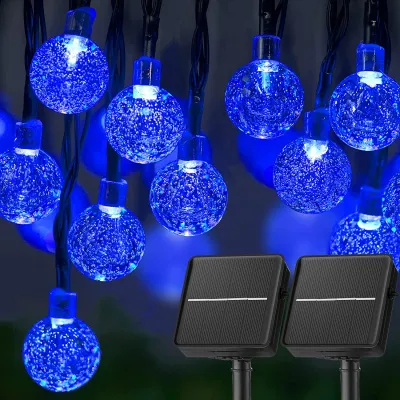
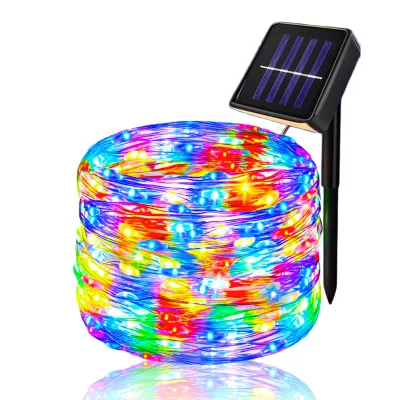
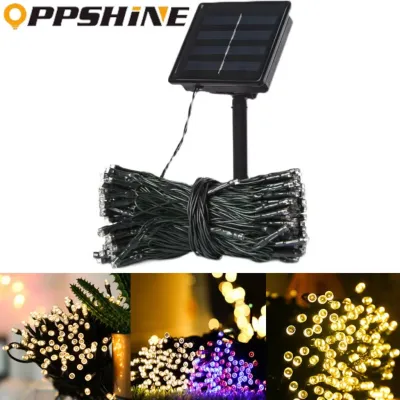
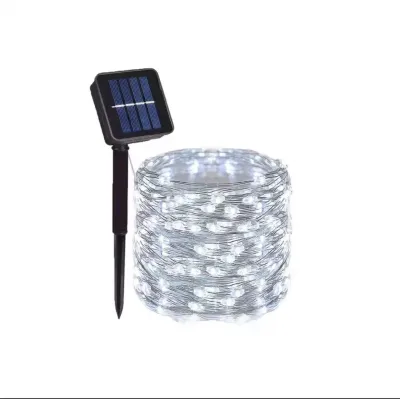
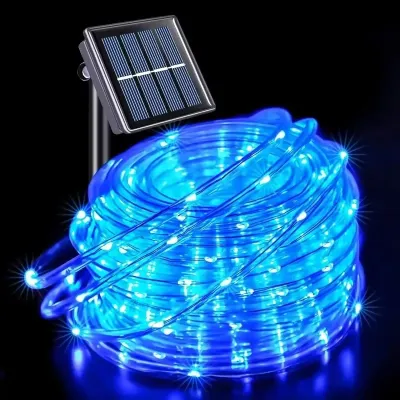
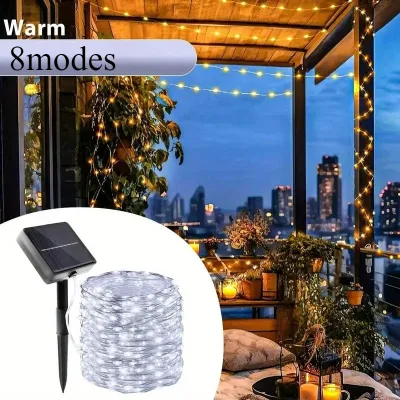
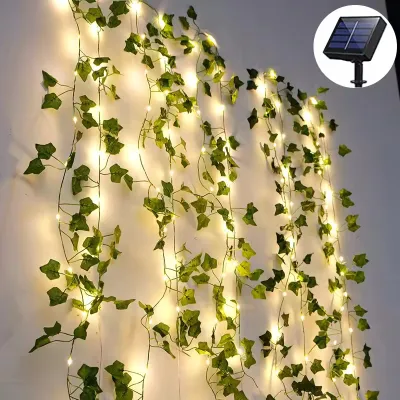
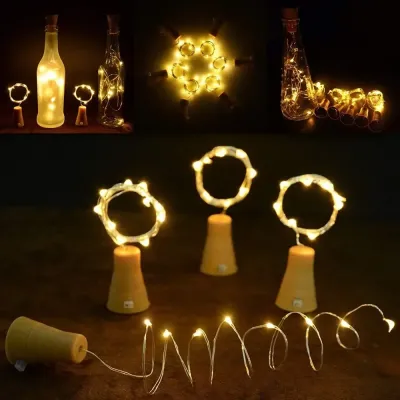
Prices are valid at publication and may change. Please refer to the product page for the latest price.
Convenience and automation further enhance the appeal of solar-powered holiday decor. Most modern solar light kits feature integrated light sensors that automatically detect ambient light levels, triggering the lights to turn on at dusk and switch off at dawn. This hands-free operation means you do not have to manually plug in cords or program external smart plugs to enjoy a festive display. Whether you are decorating a compact HDB corridor window, a condominium balcony railing, or a sprawling garden perimeter in a landed property, solar lights provide a set-and-forget solution that functions reliably night after night.
How to Choose the Right Christmas Lights Solar Setup
Selecting the ideal solar lighting setup requires a clear understanding of technical specifications, material durability, and environmental compatibility. Because outdoor decorative lights face intense UV exposure and heavy rainfall in Singapore, buying based on appearance alone can lead to premature product failure. Evaluating key performance metrics ensures your holiday display remains bright and functional throughout the festive period and beyond.

Weather Resistance and IP Ratings
The Ingress Protection (IP) rating is the most critical specification to verify when choosing outdoor solar lights. An IP rating consists of two digits: the first represents protection against solid objects (such as dust), and the second represents protection against liquids. For semi-sheltered areas like covered HDB balconies or recessed patios, an IP44 rating is generally sufficient to handle light splashes and high relative humidity. However, for fully exposed installations—such as garden hedges, open lawns, or roof eaves—it is highly recommended to select products with an IP65 or IP67 rating. These higher ratings guarantee that the light strings, wire connections, and solar panel housing are fully dust-tight and capable of withstanding heavy, driving rain without water ingress.
Solar Panel Efficiency and Battery Capacity
Solar panel technology directly influences how long your lights will stay illuminated each night. Monocrystalline solar panels are highly recommended over polycrystalline alternatives because they offer superior energy conversion efficiency, particularly under diffused or indirect sunlight. This efficiency is crucial during the year-end Northeast Monsoon season, when overcast skies and prolonged rainy spells are common. Additionally, check the integrated battery capacity, which is typically measured in milliampere-hours (mAh). A robust system should feature a battery capacity of at least 1200mAh to 2400mAh, providing enough stored energy to power the LEDs for 6 to 8 hours even after a day with limited direct sunlight.
Lighting Modes, Color Temperatures, and Aesthetics
Decorative styles, perceived color temperatures, and spatial effects are conditional preferences that depend entirely on your personal design goals rather than universal performance facts. Warm white lights (typically around 2700K to 3000K) create a cozy, traditional holiday ambiance, while cool white lights (6000K) offer a modern, crisp look. Multicolor options provide a vibrant, playful atmosphere. Most solar controllers offer multiple lighting modes, such as steady-on, slow fade, sequential flashing, or twinkling. When selecting a mode, keep in mind that dynamic flashing modes generally consume less battery power than a continuous steady-on setting, which can help extend runtime on cloudy days.
Wire Quality, Dimensions, and Installation Environment
Before purchasing, carefully measure the physical dimensions of the area you plan to decorate to ensure you select a light string of adequate length. Pay close attention to the lead cable length, which is the distance between the solar panel and the first LED bulb. A generous lead cable (ideally 2 meters or more) allows you to position the solar panel in an unshaded, sunny spot while wrapping the actual light string around a shaded balcony ceiling or dense garden shrub. Inspect the wire material as well; copper wire wrapped in thick, UV-resistant PVC or rubber is far more durable and less prone to cracking under intense tropical heat than thin, unprotected plastic wires.
Top Solar Christmas Light Profiles for Singapore Homes
To help you find the right fit for your specific living space, we have categorized the most reliable solar holiday light profiles available on local ecommerce platforms and specialized lighting stores. When shopping, always check seller ratings, customer reviews, and warranty terms to ensure you are purchasing from a reputable source.
Premium Pick for Maximum Durability and Brightness
- Ideal Scenario: Fully exposed landed property gardens, open-air rooftop terraces, and large perimeter fences.
- Key Strengths: These heavy-duty systems feature commercial-grade, rubberized wiring, large monocrystalline solar panels, and high-capacity lithium-ion batteries. They offer exceptional weatherproofing (typically IP65 or higher) and can withstand intense, direct tropical sunlight and torrential downpours without degradation. The LEDs are noticeably brighter than standard budget options, providing a brilliant, high-impact display that easily illuminates large outdoor areas.
- Limitations: Premium profiles carry a higher upfront cost, placing them in a higher price tier (typically S$50 to S$100 or more per set). Due to their larger battery capacity, they require a completely unobstructed outdoor location that receives at least 6 to 8 hours of direct daily sunlight to achieve a full charge.
Best Value Pick for HDB Balconies and Corridors
- Ideal Scenario: HDB flat balcony railings, semi-sheltered corridor windows, and small condominium patios.
- Key Strengths: Designed for compact living spaces, these value-oriented profiles feature lightweight, flexible copper wire strings that are incredibly easy to shape, bend, and mount using simple cable ties or suction cups. The solar panels are compact and come with versatile mounting brackets for easy attachment to railing bars. They perform reliably in moderate sunlight conditions and are highly budget-friendly, typically ranging from S$15 to S$35.
- Limitations: The thin copper wiring requires gentle handling during installation to prevent internal wire breaks. These models generally offer lower maximum brightness compared to premium commercial-grade options and often carry an IP44 rating, meaning they should ideally be placed in semi-sheltered areas rather than fully exposed ground-level lawns.
Best Decorative Pick for Themed Outdoor Displays
- Ideal Scenario: Underneath roof eaves, along balcony ceilings, or draped over prominent front-facing hedges to create a themed visual focal point.
- Key Strengths: Instead of standard micro-LED points of light, these decorative profiles feature unique acrylic housings shaped like stars, snowflakes, icicles, or raindrops. They add distinct architectural interest and a highly stylized festive character to your outdoor decor, making your home stand out during the holiday season.
- Limitations: The bulky plastic decorative housings add significant weight to the light string, requiring more robust mounting hardware and hooks to secure them safely. Additionally, the shaped covers can reduce overall light dispersion, resulting in a softer, more localized glow rather than a highly bright, far-reaching illumination. They are also more susceptible to wind resistance during severe storms.
Quick Comparison of Top Solar Light Profiles
This comparison table outlines the primary differences between the three main solar light profiles to help you select the most appropriate option for your home’s layout and environmental exposure.
| Profile Type | Best For | Key Strength | Ideal Location | Light Color Options | Durability Tier | Brightness Tier |
|---|---|---|---|---|---|---|
| Premium Heavy-Duty | Large gardens, open fences, and exposed terraces | Commercial-grade wiring & high weather resistance | Fully exposed outdoor areas | Warm White, Cool White, Multicolor | High | High |
| Value Compact | HDB balcony railings and corridor windows | Flexible copper wire & highly budget-friendly | Semi-sheltered balconies & windows | Warm White, Multicolor | Moderate | Moderate |
| Decorative Themed | Roof eaves, balcony ceilings, and focal points | Unique festive shapes (stars, icicles, etc.) | Sheltered or semi-sheltered structures | Warm White, Multicolor | Moderate | Moderate to Soft |
Installation and Care Tips for Tropical Weather
To maximize the lifespan and daily performance of your solar holiday lights in Singapore’s hot, humid, and wet climate, proper installation and regular maintenance are essential. Following these practical guidelines will ensure your display remains safe and vibrant throughout the season.
Optimize Solar Panel Placement
Because Singapore is located very close to the equator, solar panels should ideally be positioned facing directly upward or slightly South to South-East to capture the maximum amount of daily sunlight. Ensure the panel is placed in an area completely free from shadows cast by neighboring HDB blocks, condominium towers, overhead awnings, or dense tree canopies. Even partial shading on a small portion of the solar panel can drastically reduce its charging efficiency, leading to significantly shorter illumination times at night.
Perform Regular Cleaning
Over time, outdoor solar panels accumulate a fine layer of dust, urban grime, pollen, and bird droppings, all of which block sunlight from reaching the photovoltaic cells. Every two to three weeks, gently wipe the surface of the solar panel with a soft, damp microfiber cloth. Avoid using abrasive scrubbing pads, harsh chemical cleaners, or detergents, as these can scratch or cloud the protective plastic or glass cover, permanently reducing the panel’s light absorption capacity.
Manage Battery Health and Replacement
The rechargeable batteries (typically NiMH or Lithium-ion) inside solar light controllers naturally degrade over time due to constant charge-discharge cycles and exposure to high ambient temperatures. If you notice that your lights only stay on for an hour or two despite a full day of clear sunlight, the battery likely needs replacement. Many mid-range and premium solar units allow you to open the battery compartment and replace the old cell with a fresh rechargeable battery of the same specification. Always dispose of old batteries responsibly at designated e-waste recycling points located across Singapore.
Prioritize Installation Safety and Cable Management
When installing lights at a height—such as along high balcony ceilings, roof eaves, or tall garden trees—always prioritize personal safety. Use a sturdy, slip-resistant ladder, and never work alone. If your decorative setup involves fixed wiring, suspended heavy loads, or integration with permanent outdoor electrical fixtures, always consult a qualified professional electrician to handle the installation. Secure all light strings and lead cables tightly using UV-stabilized nylon cable ties or specialized outdoor mounting clips. This prevents the cables from whipping violently during sudden wind squalls or creating tripping hazards on walkways.
Frequently Asked Questions (FAQ)
Do solar Christmas lights work during Singapore's monsoon season?
Yes, solar Christmas lights will still function during the monsoon season, but their performance will be limited. Solar panels do not require direct, blazing sunlight to charge; they can generate electricity from diffused daylight on overcast or rainy days. However, the charging efficiency drops significantly under heavy cloud cover. During prolonged rainy spells in November and December, the battery may not fully charge, resulting in shorter nightly runtimes (often 1 to 3 hours) or slightly dimmer light output.
Can I leave solar fairy lights outside all year round?
While high-quality solar lights are engineered to withstand outdoor conditions, leaving them permanently exposed to Singapore’s intense, year-round ultraviolet (UV) radiation, high humidity, and constant rain will accelerate the degradation of plastic components, weaken wire insulation, and eventually compromise the waterproof seals. To significantly extend the lifespan of your lights, it is highly recommended to take them down after the festive season. Clean them thoroughly with a dry cloth, ensure they are completely dry, and store them in a cool, dark indoor space until the next holiday season.
Community discussion
Share your experience or ask a question. Comments are reviewed before publication.