
Securing your home in Singapore requires outdoor lighting that can withstand a demanding tropical climate while providing consistent, reliable illumination. A high-quality solar sensor led light offers an energy-efficient, wireless solution for landed properties, condominiums, and permitted residential areas. By leveraging solar energy, these fixtures eliminate the need for complex electrical trenching or wiring, making them highly versatile and cost-effective to deploy.
However, selecting the right model involves more than simply picking the brightest option on an online marketplace. Because Singapore experiences high humidity, intense monsoonal downpours, and varying architectural layouts, your choice must balance weather resistance, sensor precision, and battery capacity. Understanding these technical nuances ensures your security setup remains active when you need it most.
Quick Guide: What to Look for in Solar Security Lights
When shopping for a solar sensor led light, the priority is finding a balance between reliable motion detection, robust battery storage, and high-efficiency solar charging. These three components must work in harmony to provide dependable security throughout the night. A failure in any single area—such as a battery that drains too quickly or a sensor that misses motion—renders the entire security system ineffective.
Products mentioned in this guide
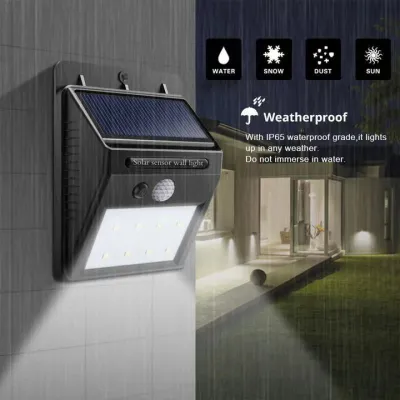
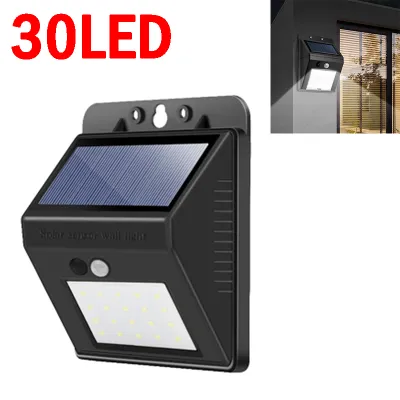
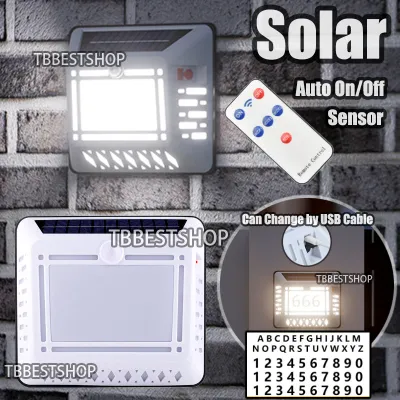
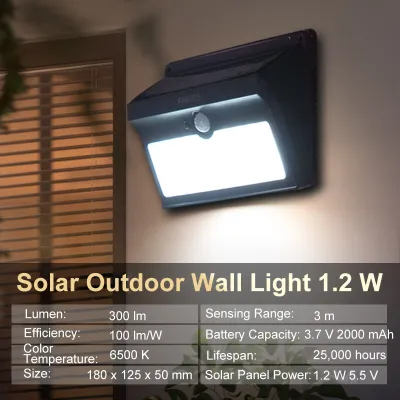
Prices are valid at publication and may change. Please refer to the product page for the latest price.
Singapore’s tropical climate presents unique challenges for solar-powered devices. While the island receives abundant sunshine, it is also subject to sudden cloud cover, prolonged monsoon seasons, and heavy afternoon downpours. These conditions require fixtures with highly efficient solar panels that can charge even under overcast skies, paired with durable, weather-sealed housings that prevent water ingress.
This guide breaks down the essential technical specifications you must evaluate before making a purchase. We will explore how different sensor technologies perform in residential settings, compare the best light configurations for various Singaporean home layouts, and provide practical maintenance advice to maximize the lifespan of your investment.
Key Selection Criteria for Reliable Solar Sensor LED Lights
To choose a truly dependable solar sensor led light, you must look beyond aesthetic designs and focus on the internal specifications that dictate real-world performance. Evaluating these criteria systematically allows you to match the fixture to your specific security needs and environmental conditions.

Sensor Technology and Detection Methods
The primary mechanism of any security light is its motion sensor, which determines how accurately and quickly the light responds to potential movement. Passive Infrared (PIR) sensors are the most common technology used in residential security lighting. These sensors work by detecting changes in infrared radiation, which is essentially the body heat emitted by humans and animals. PIR sensors are highly effective for targeted security because they ignore non-thermal movement, such as wind-blown tree branches or falling rain, thereby minimizing annoying false alarms.
Alternatively, some advanced security lights utilize microwave sensors. Unlike PIR systems, microwave sensors emit continuous high-frequency radio waves and measure the reflection off moving objects. This technology provides much broader and more sensitive coverage, and it can even detect motion through thin walls, glass, or foliage. However, this high sensitivity can sometimes lead to false triggers in active outdoor environments, making them better suited for highly controlled spaces or large, open properties where maximum detection range is required.
Solar Panel and Battery Efficiency
The performance of any solar-powered fixture is directly limited by its ability to harvest and store energy. For consistent operation in Singapore’s variable weather, monocrystalline solar panels are highly recommended over polycrystalline alternatives. Monocrystalline panels are constructed from a single, pure silicon crystal structure, which allows electrons to move more freely. This results in a higher energy conversion efficiency—often reaching 20% to 22%—meaning they can generate more electricity in limited space and perform significantly better under overcast or shaded conditions.
Once energy is harvested, it must be stored in a reliable battery. High-capacity lithium-ion (Li-ion) or Lithium Iron Phosphate (LiFePO4) batteries are the industry standard for quality solar security lights. LiFePO4 batteries are particularly well-suited for Singapore’s warm climate due to their superior thermal stability, safety profile, and longer cycle life, often lasting up to ten times longer than traditional rechargeable batteries. When evaluating battery capacity, look for specifications measured in milliampere-hours (mAh); a higher mAh rating ensures the light has enough stored energy to power through consecutive rainy nights without a full charge.
Weather Resistance and Durability
Outdoor fixtures in Singapore must endure relentless exposure to high humidity, intense ultraviolet (UV) radiation, and torrential rain. To ensure longevity, always verify the Ingress Protection (IP) rating of the light fixture. An IP rating consists of two digits: the first represents protection against solid particles (like dust), and the second represents protection against liquids. For reliable outdoor security lighting, a minimum rating of IP65 is required, indicating the fixture is completely dust-tight and protected against water jets from any angle. For highly exposed areas, look for IP67-rated fixtures, which can withstand temporary submersion.
In addition to water resistance, the physical housing material plays a critical role in durability. Cheap plastics can quickly become brittle, yellow, and crack under Singapore’s strong UV rays. Opt for fixtures constructed from UV-stabilized Acrylonitrile Butadiene Styrene (ABS), polycarbonate, or rust-resistant aluminum alloys. These materials maintain their structural integrity over years of sun exposure, protecting the internal electronics and battery from moisture ingress.
Brightness and Coverage Requirements
The required brightness of your security light, measured in lumens, depends heavily on the specific area you intend to secure. For ambient pathway lighting or decorative boundary marking, a modest output of 100 to 300 lumens is usually sufficient. However, for active security deterrence at main entry points, driveways, or dark corners, look for heavy-duty floodlights that deliver 800 to 2,000 lumens or more.
The beam angle is another critical factor to consider alongside lumens. A narrow beam angle (around 40 to 60 degrees) concentrates light into a focused spotlight, which is excellent for highlighting specific architectural features or narrow pathways. Conversely, a wide beam angle (120 degrees or more) disperses light over a much larger area, making it ideal for floodlighting yards, driveways, and broad entryways to eliminate blind spots where intruders could hide.
Recommended Solar Sensor LED Light Types for Home Security
Different residential properties in Singapore—ranging from sprawling landed estates to high-rise condominiums and HDB flats—require tailored lighting solutions. Selecting the right category of solar sensor led light ensures optimal coverage without causing unnecessary glare or violating estate guidelines.
High-Lumen Motion Sensor Floodlights
High-lumen motion sensor floodlights are the heavy-duty workhorses of residential security. These fixtures are designed to deliver an intense, wide-angle blast of light that instantly deters intruders and provides clear visibility over large outdoor areas. They are the ideal choice for landed property driveways, private condominium carporches, and expansive backyards where maximum illumination is necessary to secure the perimeter.
When selecting a floodlight, look for designs featuring adjustable dual-head or triple-head configurations. These multi-directional heads allow you to customize the coverage area, directing light into specific dark corners, pathways, or entry gates from a single mounting point. This flexibility is particularly useful for illuminating awkwardly shaped driveways or securing multiple angles of a property simultaneously.
For optimal performance, consider utilizing a split-design solar floodlight. These systems separate the solar panel from the actual light fixture, connecting them with a durable, weather-resistant cable. This design allows you to mount the solar panel on a high, unshaded roof or fence where it can receive direct sunlight throughout the day, while the light fixture itself is installed under a shaded carporch, deep eave, or covered security zone where light is actually needed.
Wall-Mounted PIR Security Lights
For more compact residential spaces, wall-mounted PIR security lights offer a highly efficient and unobtrusive solution. These compact fixtures are designed to mount flush against flat walls, making them the perfect choice for HDB common corridors, apartment balconies, and main entrance doors. They provide localized, targeted lighting that activates only when someone approaches, ensuring safety without consuming excessive energy.
In high-density housing environments, managing light pollution and respecting your neighbors’ comfort is of utmost importance. Look for wall-mounted lights that feature adjustable sensor angles and customizable sensitivity settings. This allows you to fine-tune the detection zone so the light only activates when someone enters your immediate property boundary, rather than triggering every time a neighbor walks past in a shared corridor. Additionally, choosing fixtures with downward-facing or shielded designs helps contain the light spill, preventing harsh glare from shining directly into neighboring windows.
Before installing any external fixtures in a shared residential building, always check your estate’s management guidelines. For private condominiums, consult your Management Corporation Strata Title (MCST) rules, and for HDB flats, refer to your local Town Council by-laws. Ensuring compliance regarding external fixtures, drilling, and light spill prevents potential disputes and ensures your security setup remains compliant with local housing regulations.
Solar Pathway and Perimeter Spotlights
Solar pathway and perimeter spotlights serve as an excellent secondary layer of security, focusing on boundary protection and landscape illumination. These lights are specifically designed to line garden edges, walkways, and ground-floor perimeters, creating a continuous boundary of light that eliminates dark hiding spots around the lower levels of your property.
These fixtures are typically available in two main installation styles: ground stakes and low-wall mounts. Ground stakes allow you to easily push the lights into soil, grass, or garden beds along your pathways, making them incredibly simple to install and reposition as your landscaping changes. Low-wall mounts, on the other hand, can be screwed directly into low retaining walls, fences, or exterior steps, providing a more permanent and structured lighting solution.
To maximize security and convenience, look for spotlights that feature a dual-mode “dusk-to-dawn” operation. In this mode, the lights automatically turn on at sunset, emitting a low-level, ambient glow that beautifully highlights your landscaping and guides your steps. When the integrated PIR sensor detects motion, the light instantly boosts to full, high-intensity brightness, acting as an active deterrent to any unauthorized visitors approaching your property boundaries.
Installation and Maintenance Tips for Singapore's Climate
Proper installation and regular maintenance are critical to ensuring your solar sensor led light operates at peak efficiency and lasts for years in Singapore’s demanding tropical environment. Following these practical guidelines will help you avoid common pitfalls and keep your security system running smoothly.
Optimal Placement for Maximum Solar Charging
To get the most out of your solar security lights, placement is everything. You must position the solar panels where they will receive the maximum amount of direct, unobstructed sunlight possible. In Singapore, this means avoiding shaded areas beneath dense tree canopies, deep roof eaves, or in the shadow of tall neighboring buildings. Even partial shading on a small portion of a solar panel can drastically reduce its overall charging efficiency, leading to weak illumination or premature battery depletion.
Pay close attention to seasonal changes in the sun’s path, especially during the Northeast and Southwest monsoon seasons. During these periods, cloud cover is more frequent and the angle of the sun shifts. Angle your solar panels slightly southward (or northward, depending on your specific location and surrounding obstructions) to capture as much daylight as possible. If your light fixture features an integrated panel, ensure the entire unit is angled upward toward the open sky rather than tucked flat against a wall.
Mounting Safety and Structural Considerations
When mounting your security lights, always use the appropriate wall anchors and fasteners designed for your specific wall surface. For concrete, brick, or masonry walls common in Singaporean homes, you must use heavy-duty masonry plugs and a hammer drill to secure the mounting bracket. For wooden fences or posts, standard wood screws are usually sufficient, while hollow wall anchors or toggle bolts should be used if mounting onto thin siding or hollow structures.
It is vital to establish clear safety boundaries before beginning any installation work. If your installation requires drilling into structural concrete elements, working at dangerous heights (such as on high roofs or multi-story exterior walls), or if you intend to integrate the solar system with any existing wired electrical setups, you must stop and consult a qualified professional. Working at heights without proper safety harnesses or drilling near hidden utility lines poses severe safety risks. Always turn off the main power supply at the distribution board if you are working anywhere near existing electrical wiring to prevent accidental shocks.
Routine Maintenance for Longevity
The tropical climate in Singapore can lead to a rapid buildup of dust, pollen, bird droppings, and atmospheric haze residue on the surface of your solar panels. This fine layer of grime acts as a physical barrier, blocking UV light from reaching the solar cells and significantly reducing charging performance. To prevent this, establish a simple maintenance routine to wipe down the solar panels with a soft, damp microfiber cloth and clean water every few months. Avoid using abrasive scrubbers or harsh chemical detergents, which can scratch or degrade the protective coating on the panel.
During your routine cleaning, take a moment to inspect the entire fixture for any signs of wear or environmental damage. Check the sensor lens for accumulated debris or spiderwebs that could block its field of view, and wipe it clean with a dry cloth. Inspect the housing seals for any signs of moisture ingress, such as condensation forming behind the LED lens. If you notice persistent moisture inside the unit, it may indicate a failing seal that needs to be resealed or replaced. Finally, monitor the battery’s performance over time; if you notice the light’s runtime or brightness has decreased significantly despite sunny weather, it is likely time to replace the rechargeable battery.
Frequently Asked Questions (FAQ)
Do solar sensor lights work during Singapore's monsoon season?
Yes, high-quality solar sensor lights are designed to function even during Singapore’s overcast and rainy monsoon seasons. While continuous heavy rain and thick cloud cover will reduce the daily charging efficiency of the solar panel, modern monocrystalline panels are still capable of generating electricity from diffuse, indirect sunlight.
To ensure reliable performance during extended periods of poor weather, choose fixtures equipped with high-capacity lithium-ion batteries and advanced power-saving modes. Many premium solar lights feature intelligent power management systems that automatically reduce the standby brightness or shorten the active illumination time when the battery charge is low, preserving enough stored energy to keep the motion sensor active for several consecutive nights.
How long do the batteries in solar security lights last?
The rechargeable batteries used in outdoor solar security lights typically have a lifespan of 1 to 3 years. This lifespan is largely determined by the battery chemistry, the number of charge-discharge cycles, and constant exposure to Singapore’s high ambient temperatures, which can accelerate battery degradation over time.
To maximize the value and lifespan of your security light, always check the manufacturer’s specifications to ensure the battery is user-replaceable. Choosing a model with an easily accessible battery compartment allows you to simply swap out the degraded battery for a fresh one when it eventually loses its capacity, extending the overall lifespan of the light fixture itself and reducing electronic waste.
Can I install solar security lights on my HDB corridor ceiling?
Installing personal fixtures on HDB common corridor ceilings is subject to strict regulations and is generally not permitted without official approval. HDB common areas, including corridors, stairwells, and ceilings, are public property managed by the local Town Council, which must maintain clear escape routes and adhere to strict fire safety guidelines.
Before mounting any security lights or cameras in shared spaces, you must check your local Town Council’s by-laws and seek the necessary written approvals. Unapproved installations can lead to official notices requesting removal, fines, or disputes with neighbors regarding light spill and privacy. If you require additional lighting for safety, it is always best to consult your Town Council to see if they can upgrade the existing corridor lighting or provide a compliant solution.
Community discussion
Share your experience or ask a question. Comments are reviewed before publication.