
What Defines a "Warm Ambiance" in Singapore Living Rooms?
Creating a cozy, inviting atmosphere in a Singapore home requires a thoughtful approach to lighting. While overhead ceiling lights are functional for general tasks, they often cast harsh shadows and create a sterile environment. To soften the space and introduce a relaxing glow, incorporating a high-quality stand floor lamp is one of the most effective design strategies. In Singapore’s typical residential layouts—ranging from cozy Housing & Development Board (HDB) flats to modern condominiums—achieving a warm ambiance depends heavily on understanding how light interacts with architectural constraints and material surfaces.
To establish a truly warm ambiance, the primary technical metric to consider is color temperature, measured in Kelvins (K). For living rooms designed for relaxation, the ideal color temperature ranges strictly between 2700K and 3000K. Light within this spectrum emits a soft, golden-yellow hue that mimics the gentle warmth of a setting sun. This range promotes relaxation by encouraging the body to wind down after a long day. In contrast, color temperatures above 4000K emit cool white or daylight tones, which stimulate alertness and can make a living room feel more like an office or clinical space.
The physical layout of Singaporean homes also dictates how light should be dispersed. Many modern HDB BTO (Build-To-Order) flats and condominiums feature open-concept layouts where the living room, dining area, and kitchen flow into one another. In these shared spaces, a single overhead light source cannot distribute illumination evenly or create distinct zones. Furthermore, standard local ceiling heights typically hover around 2.6 meters to 2.8 meters. High-intensity overhead lights reflecting off flat concrete ceilings can create a glaring bounce effect. A stand floor lamp solves this by introducing a lower, localized light source, establishing a middle layer of light that breaks up the vertical space and adds visual depth.
Products mentioned in this guide
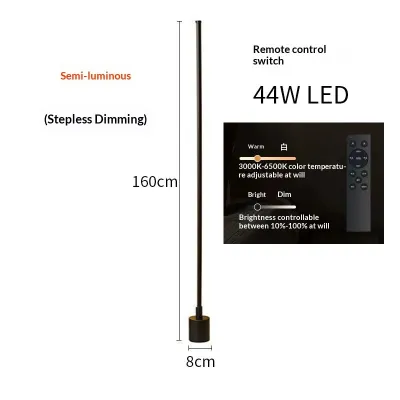
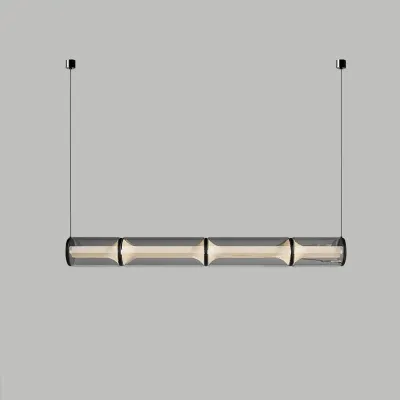
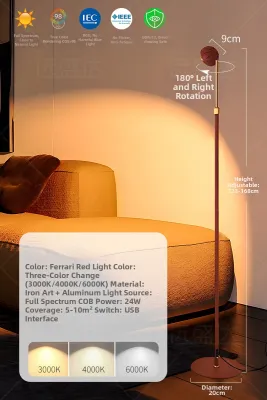
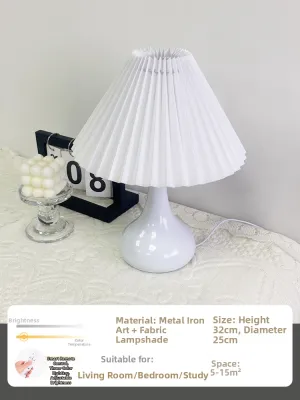
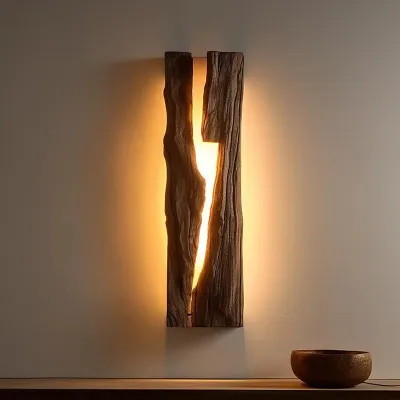
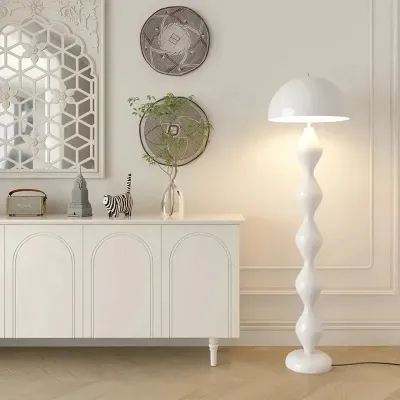
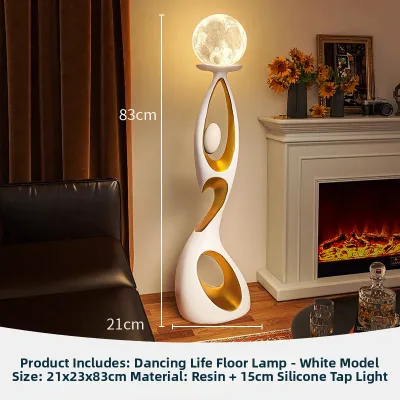
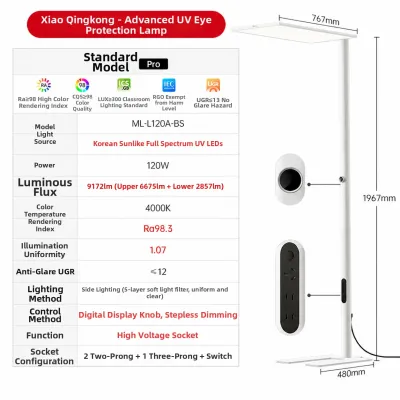
Prices are valid at publication and may change. Please refer to the product page for the latest price.
The choice of lamp shade material plays a critical role in how this warm light is scattered throughout the room. Direct, unshielded light bulbs produce harsh glare and sharp shadows, which disrupt a cozy atmosphere. Materials such as tightly woven linen, cotton fabric, textured washi paper, and frosted or opal glass act as natural diffusers. These materials scatter the light waves in multiple directions, transforming a concentrated point of light into a soft, omnidirectional glow. Fabric shades tend to absorb some light while casting a warm, textured pattern on nearby walls, whereas frosted glass offers a clean, uniform dispersion that fills a corner without creating hot spots.
Key Criteria for Evaluating Floor Lamp Brands
Before selecting a specific brand or design, homeowners in Singapore must evaluate several critical technical, safety, and mechanical specifications. Because a floor lamp is a free-standing electrical appliance placed in high-traffic living areas, safety and compatibility should always take precedence over purely aesthetic preferences.

In Singapore, electrical safety is regulated under the Consumer Protection (Safety Requirements) Registration Scheme. Controlled goods, which include portable luminaires and lighting power supply units, must be registered with Enterprise Singapore and carry a valid SAFETY Mark. This mark, consisting of a safety logo and a unique certification number, ensures that the appliance has been tested and certified to meet stringent safety standards, reducing the risk of short circuits, electrical fires, or shocks. When researching brands, verify that the products sold locally carry this certification, especially if the lamp features integrated electronic drivers or built-in dimming circuitry.
The physical stability of a stand floor lamp is another paramount consideration, particularly in households with children, elderly residents, or pets. Because these lamps are tall and slender, they are susceptible to tipping if bumped. High-quality brands design their fixtures with heavily weighted bases, often constructed from cast iron, solid marble, or dense steel plates, to lower the overall center of gravity. A reliable stability test involves checking if the lamp can tilt up to 10 or 15 degrees from vertical without falling over. Additionally, the construction of the pole joints and shade collar must be rigid enough to prevent wobbling or warping over time.
Control mechanisms also significantly influence how effectively a lamp can set a warm mood. Floor lamps typically feature one of several switch types: inline foot switches, rotary dimmers, touch-sensitive poles, or smart digital controllers. For creating ambiance, a dimmable model is highly advantageous. If you opt for a dimmable lamp, check whether it uses a triac dimmer (common for traditional bulbs) or an electronic low-voltage dimmer designed for LEDs. Using an incompatible bulb with a dimmer switch can cause annoying flickering, buzzing, or premature bulb failure.
Finally, pay close attention to the bulb socket standards and maximum wattage limits specified by the manufacturer. The E27 screw base is the most common socket standard in Singapore, offering the widest compatibility with locally available LED and smart bulbs. However, some European or minimalist designs may utilize slimmer E14 screw bases or GU10 bi-pin sockets. Always adhere strictly to the maximum wattage rating printed on the lamp’s socket label. Exceeding this limit can cause excessive heat buildup, melting the shade, damaging the internal wiring, or creating a fire hazard.
Popular Brand Categories for Warm Ambient Lighting
The Singapore retail market offers a diverse array of floor lamp brands, each catering to different design movements and functional needs. Rather than viewing brands through a rigid ranking system, it is more practical to categorize them by their design philosophy and how they approach light diffusion. By understanding these categories, homeowners can better align their aesthetic preferences with the specific type of warm ambient light they wish to introduce into their living rooms.
Scandinavian and European Design Brands
Scandinavian and European design brands are highly regarded for their balance of form and function, focusing on clean lines, high-quality materials, and precise light control. These brands often draw inspiration from the Nordic concept of creating a warm, cozy atmosphere to combat long, dark winters. This philosophy translates perfectly into the Singaporean context, where creating a sanctuary away from the bustling city is a common priority.
Lamps in this category frequently feature premium materials such as powder-coated steel, brushed brass, matte copper, and solid oak or walnut accents. Many designs incorporate adjustable reading arms or articulating joints, allowing users to direct light precisely where it is needed. For ambient lighting, these brands often utilize linen or cotton shades that cast a soft, textured glow, or metal shades designed with painted white interiors to maximize light reflection downward without exposing the bare bulb to the eye. Well-known European brands available through local design showrooms—such as Louis Poulsen, Muuto, Gubi, and accessible options like IKEA—offer designs ranging from high-end architectural statements to functional everyday fixtures. These pieces work exceptionally well in modern, minimalist, or transitional living rooms where the lamp itself serves as a subtle design focal point during the day and a source of directional warmth at night.
Japanese and Minimalist Lifestyle Brands
For homeowners who prefer a more organic, calming, and understated aesthetic, Japanese and minimalist lifestyle brands offer exceptional solutions. These designs focus on creating a serene, zen-inspired environment by prioritizing soft, highly diffused, and omnidirectional light that eliminates harsh shadows entirely.
The hallmark of this style is the use of natural or organic-looking materials that gently filter light. Washi paper, ribbed glass, frosted acrylic, and lightweight bamboo are commonly employed. Washi paper shades, in particular, have a unique fibrous texture that scatters light beautifully, creating an organic glow that feels incredibly soft and non-intrusive. Brands like MUJI, alongside various local boutique design studios sourcing Japanese-inspired lighting, represent this category. These stand floor lamp options are highly suited for compact living rooms, reading corners, or homes featuring light wood tones, tatami-inspired spaces, and neutral color palettes. Because the light is scattered 360 degrees through the diffusing shade, these lamps fill the surrounding space with a gentle, floating luminosity rather than a focused beam.
Smart and Versatile Lighting Brands
As smart home technology becomes increasingly integrated into Singaporean households, smart and versatile lighting brands have emerged as a popular choice for dynamic ambiance control. These brands move away from fixed lighting configurations, allowing users to adjust color temperature, brightness, and even color palettes on demand to suit different times of day or activities.
With a smart stand floor lamp, you are not locked into a single lighting mood. You can transition seamlessly from a deep, amber, candle-like glow of 2200K for late-night movie watching, to a comfortable 2700K for evening relaxation, and up to a crisp 4000K for afternoon reading. This customization is typically managed via smartphone applications, physical smart dimmers, or voice commands integrated with local smart home ecosystems such as Apple Home, Google Home, or Samsung SmartThings.
Brands like Philips Hue, Nanoleaf, and Yeelight lead this category, offering both dedicated smart floor lamps with integrated LEDs and smart bulbs that can be retrofitted into standard E27 fixtures. When choosing a smart lighting brand, it is essential to verify its connectivity protocol. Some systems operate on Bluetooth, which offers direct control but limited range, while others utilize Wi-Fi or Zigbee protocols, which require a dedicated smart hub connected to your home router. Ensure your living room’s wireless network coverage is strong enough to reach the lamp’s intended position to prevent connectivity drops.
Where to Buy and What to Verify Before Purchasing
To ensure you are purchasing a genuine, safe, and fully compatible stand floor lamp, it is vital to source your lighting from authorized channels and perform rigorous pre-purchase checks.
Whenever possible, purchase your floor lamp from authorized local showrooms, official brand flagship stores, or reputable local online retailers. Buying from authorized sources ensures that the product is designed for the Singapore market, comes with a valid local warranty, and has undergone necessary safety testing. Key retail hubs in Singapore, such as the design showrooms in the Tan Boon Liat Building, lighting specialty stores along Jalan Besar, or major department stores, allow you to inspect the physical build quality, base weight, and actual light output of the lamp in person before committing.
When purchasing, always run through this strict pre-purchase checklist:
- Voltage Compatibility: Ensure the lamp is rated for Singapore's standard electrical grid, which operates at 230V AC at a frequency of 50Hz. Products designed for countries with 110V grids (such as the United States or Japan) will not function correctly and can be severely damaged or pose an immediate electrical hazard if plugged directly into a local socket.
- Plug Standard: Verify that the lamp comes fitted with a Type G 3-pin plug, which is the official standard in Singapore.
- Physical Dimensions: Measure your intended living room corner or placement spot carefully. Check both the base diameter (to ensure it fits behind or beside furniture) and the overall height (to ensure the shade sits at an appropriate level and does not interfere with wall-mounted shelves or artwork).
- Cord Length: Confirm that the power cord is long enough to reach your nearest wall outlet without creating a dangerous tripping hazard across high-traffic walkways.
Homeowners should exercise extreme caution when importing unverified lighting fixtures directly from overseas e-commerce platforms. Many of these direct-import products lack the SAFETY Mark, feature substandard internal wiring, or come with incompatible plugs. Using cheap, uncertified travel adapters to connect a non-compliant foreign plug to a Singaporean wall socket is a common cause of electrical arcing, short circuits, and household fires. If an imported lamp does not match local electrical standards, do not attempt to modify the wiring yourself; instead, consult a licensed electrical worker or qualified professional to assess and safely convert the fixture.
Placement and Styling Tips for Maximum Warmth
Once you have selected the ideal stand floor lamp, its physical placement and styling within your living room will determine how effectively it enhances the warm ambiance. Proper positioning maximizes visual comfort and creates a balanced, layered lighting scheme.
To eliminate cold, harsh shadows, place the floor lamp in underutilized dark corners of the room. This technique, known as wall washing, allows the diffused light to bounce off the adjacent walls, making the entire living room feel larger and more inviting. Alternatively, position the lamp slightly behind or beside a primary seating area, such as a comfortable reading armchair or the end of a sofa. This creates a dedicated zone of warmth that defines a functional space within an open-concept layout.
When positioning your lamp, pay close attention to potential reflections. Avoid placing an exposed or semi-exposed light source directly opposite your television screen or large mirrors, as this can cause distracting specular glare that strains the eyes during evening viewing. The bottom of the lamp shade should ideally sit at around eye level when you are seated—typically between 1.0 to 1.2 meters from the floor—to ensure the bulb itself remains hidden from direct view while you relax.
To further amplify the cozy atmosphere, coordinate your floor lamp with the surrounding interior elements. Warm light pairs exceptionally well with natural textures and warm-toned materials. Position your lamp near a teak or oak side table, or place it on top of a textured wool rug or next to woven rattan furniture. The warm light waves will highlight the rich grains of the wood and the tactile depth of the fabrics, reinforcing the sense of comfort and relaxation in your Singapore home.
Frequently Asked Questions (FAQ)
Can I use a smart bulb in any stand floor lamp to change the ambiance?
In most cases, yes. If your stand floor lamp features a standard screw socket, such as an E27 or E14 base, you can easily replace the traditional bulb with a smart LED bulb to adjust color temperature and brightness. However, you must verify that the smart bulb’s wattage does not exceed the lamp’s maximum rated wattage limit. Additionally, remember that for the smart bulb to remain controllable via apps or voice assistants, the physical switch on the floor lamp’s power cord must remain turned on at all times. If the lamp features an integrated manual dimmer switch, it may conflict with the smart bulb’s internal dimming circuitry, leading to flickering; in such cases, use a standard on/off switch instead.
Do I need an electrician to install a plug-in floor lamp?
Standard plug-in floor lamps do not require a professional electrician. They are designed as portable appliances that can be safely plugged directly into any standard Type G wall socket. However, if you are dealing with specialized architectural lighting, such as a heavy cantilevered arc lamp that requires structural mounting to a wall or ceiling, or a hardwired floor fixture integrated directly into your home’s electrical circuit, you must hire a licensed electrical worker in Singapore. Always ensure the main power supply is isolated at the distribution board before attempting any electrical modifications or installing fixed wiring.
Community discussion
Share your experience or ask a question. Comments are reviewed before publication.