
To create a warm, inviting living room atmosphere in Singapore, the best stand light brands are those that prioritize high-quality light diffusion, warm color temperatures, and reliable electrical compatibility. Minimalist brands like MUJI and IKEA excel at soft, organic diffusion through paper and fabric shades. Smart lighting brands such as Philips Hue and WiZ offer unmatched versatility with tunable white spectrums and app-driven scene scheduling. For those seeking architectural impact, premium designer brands like Flos, Artemide, and Louis Poulsen deliver glare-free, sculptural warmth. Selecting the ideal option requires balancing these brand characteristics with local spatial constraints and electrical safety standards.
By understanding how different designs distribute light, you can move away from harsh overhead glare and establish a layered, cozy environment. This guide breaks down the technical elements of ambient lighting, essential checks for Singaporean homes, and the leading brand directions to help you choose the perfect fixture.
How to Identify a Stand Light That Creates a Warm Atmosphere
Achieving a cozy, relaxing ambiance in your living room goes beyond simply picking an attractive fixture. The visual comfort of a space is heavily influenced by the technical specifications of the light source and how that light is scattered across the room.
Products mentioned in this guide
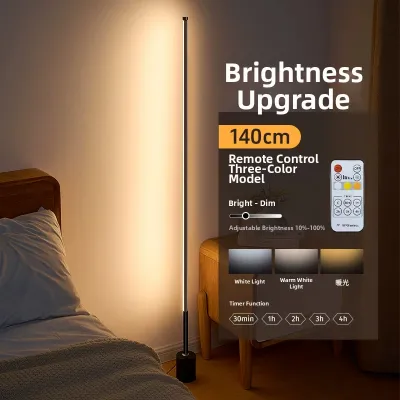
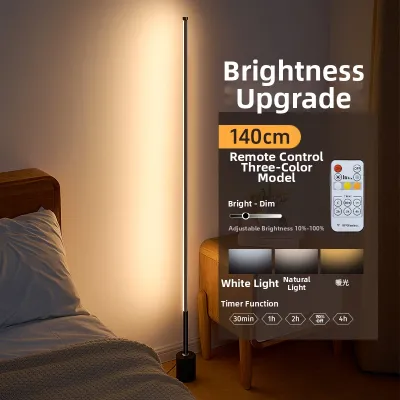
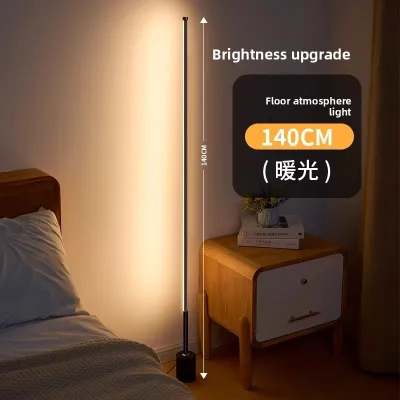
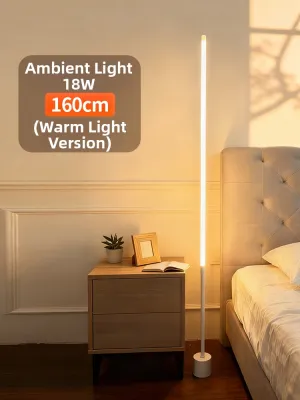
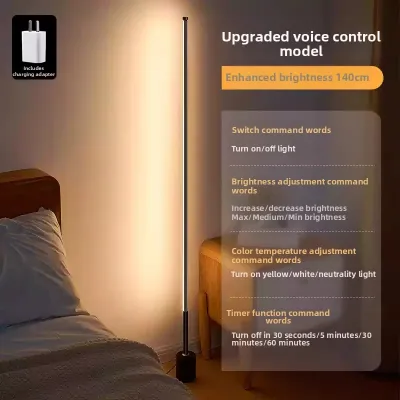
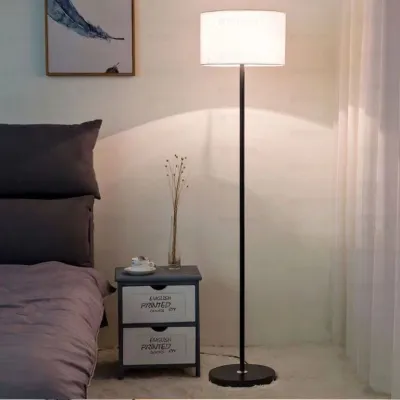
Prices are valid at publication and may change. Please refer to the product page for the latest price.
Color Temperature (CCT)
Color temperature is measured in Kelvin (K) and determines whether a light looks cool and clinical or warm and inviting. To establish a relaxing atmosphere, look for light sources rated between 2700K and 3000K. This range, often labeled as “Warm White,” mimics the soft glow of a late afternoon sun or candlelight. It encourages the production of melatonin, helping you wind down after a long day. Avoid daylight bulbs (5000K to 6500K) for ambient lighting, as their high blue-light content stimulates alertness and can make a living space feel sterile.
Color Rendering Index (CRI)
The Color Rendering Index measures how accurately a light source reveals the true colors of objects compared to natural sunlight. A CRI rating of 90 or higher (often written as Ra ≥ 90) is ideal for living rooms. High-CRI lighting ensures that the rich textures of timber furniture, the subtle tones of fabric sofas, and the colors of your indoor plants look vibrant and natural. Low-CRI light sources can make your decor look dull, greyish, or artificially tinted.
Shade Materials and Light Diffusion
Direct exposure to a bare light bulb creates intense glare and harsh shadows, which disrupt a cozy atmosphere. A quality stand light utilizes diffusion materials to soften the light. Materials such as linen, cotton, rice paper, and frosted glass act as natural filters, scattering the light rays evenly.
Furthermore, the direction of the light dictates the mood of the room:
- Uplighters: Cast light upward to bounce off the ceiling, creating a soft, indirect glow that makes a room feel taller and more spacious.
- Diffused Omnidirectional Lamps: Emit a gentle, 360-degree glow, perfect for placing next to a seating area to create a localized zone of warmth.
- Downlighters / Arc Lamps: Direct light downward, providing targeted illumination for reading while keeping the rest of the room softly lit.
Essential Checks for Using Stand Lights in Singapore Homes
Before purchasing a stand light, you must ensure it is compatible with Singapore’s electrical infrastructure and fits seamlessly into your specific residential layout.

Electrical Compatibility and Safety
Singapore’s domestic electricity supply operates on a voltage of 230V AC at a frequency of 50Hz. Any lighting fixture you import or purchase locally must be rated for this voltage range. Additionally, appliances in Singapore must use the standard Type G three-pin plug.
When shopping, check if the product or its power adapter carries the Enterprise Singapore Safety Mark. This certification ensures the device has been tested and approved for safe domestic use, protecting your household from short circuits or electrical fires.
Spatial Footprint and Layout Constraints
Whether you live in a cozy HDB flat or a modern condominium, floor space is often at a premium. Before buying, measure the exact spot where you plan to place the lamp.
- Base Diameter: A heavy, wide base provides excellent stability but can block narrow walkways or slide poorly behind tight furniture arrangements.
- Height and Clearance: Ensure the height of the lamp aligns with your seating. An ambient light source should sit at or just below eye level when you are seated to prevent you from looking directly up into an exposed bulb.
- Arched Profiles: If you choose an arc-style lamp, calculate the projection distance to ensure the shade hangs over the desired spot without obstructing foot traffic.
Environmental and Cord Management Factors
Singapore’s tropical climate means many living rooms rely heavily on air conditioning. Avoid placing delicate paper or fabric shades directly in the path of cold air-conditioning drafts, as the rapid temperature changes and localized condensation can degrade organic fibers and encourage dust accumulation.
Cable management is equally crucial. Ensure the power cord can run safely along baseboards rather than stretching across open floor areas, which creates a tripping hazard. If a cord must cross a walkway, use a low-profile rubber floor cord protector.
Stand Light Brand Directions for Different Living Room Styles
To simplify your search, stand light brands can be categorized into three distinct design philosophies. Identifying which style aligns with your home’s aesthetic will help you narrow down your options.
Minimalist Brands with Natural Diffusers
Minimalist brands draw heavy inspiration from Scandinavian (Nordic) and Japanese (Japandi) design principles. These brands focus on organic materials, clean lines, and understated functionality to create a serene, uncluttered living environment.
Commonly featuring light timber bases, bamboo frames, and shades made of linen or traditional Japanese rice paper (washi), these lamps act as beautiful sculptural pieces during the day and emit a warm, textured glow at night. The natural irregularities in paper and fabric shades soften the light beautifully, making them excellent choices for cozy reading corners or placement alongside low-profile sofas.
When purchasing minimalist lamps, especially those made from delicate materials like rice paper, verify the assembly requirements. Some flat-pack designs require careful hand-assembly to avoid tearing the shade. Additionally, check the warranty terms and return policies through official local brand stores or authorized local distributors in Singapore to ensure you receive reliable support if any components are damaged during delivery.
Smart Lighting Brands for Adjustable Ambiance
For homeowners who want dynamic control over their living environment, smart lighting brands offer unparalleled flexibility. These brands integrate advanced LED technology with home automation systems, allowing you to transition your living room from a bright workspace to a cozy cinema lounge at the touch of a button.
The primary benefit of smart stand lights is their tunable white spectrum. You can program the light to output a crisp 4000K in the afternoon for reading or working, and automatically transition to a warm 2000K candle-like glow as evening approaches. Many of these systems connect seamlessly with major smart home ecosystems like Apple Home, Google Home, and Samsung SmartThings, enabling convenient voice commands or app-based control from your sofa.
Before committing to a smart lighting ecosystem, keep these technical requirements in mind:
- Wi-Fi Frequency: Most smart bulbs and integrated fixtures operate strictly on a 2.4GHz Wi-Fi frequency. Ensure your home router supports dual-band broadcasting and that your smart lamp is within stable signal range.
- Smart Hubs: Some brands require a proprietary bridge or hub plugged into your router to enable advanced features, while others connect directly via Bluetooth or Wi-Fi.
- App Region Settings: Ensure the companion app is set to the correct local region during setup to avoid server latency or compatibility issues with local smart assistants.
Designer Brands for Sculptural Warmth
If you view lighting as an investment in functional art, premium designer brands offer exceptional craftsmanship, iconic silhouettes, and sophisticated optical engineering. These brands collaborate with world-renowned designers to create fixtures that serve as striking focal points in a room.
Designer brands excel at precision light control. Rather than simply housing a bulb, their fixtures are engineered to direct light in highly specific ways. For example, high-end Italian and Danish brands utilize multi-shade configurations, curved brass reflectors, or hand-blown Murano glass to eliminate glare entirely while maximizing the warmth of the output. These lamps often feature premium materials like brushed brass, marble bases, and powder-coated steel, ensuring longevity and timeless appeal.
Because of their premium price point, there is a risk of encountering counterfeit products online. To guarantee authenticity, electrical safety, and access to genuine replacement parts, always purchase designer lighting from authorized local showrooms and certified dealers in Singapore. This ensures the fixture is wired correctly for the local 230V grid and carries a valid manufacturer’s warranty.
How to Compare and Choose Your Final Stand Light
To make an informed decision, it is helpful to compare the core characteristics of these brand directions side-by-side. Use the matrix below to evaluate which category fits your physical space and functional needs.
| Feature Dimension | Minimalist / Natural | Smart / Adjustable | Designer / Sculptural |
|---|---|---|---|
| Typical Base Footprint | Small to Medium (20–30 cm) | Compact to Medium (15–25 cm) | Highly Variable (25–50+ cm) |
| Average Height Range | 120 cm – 150 cm | 130 cm – 160 cm | 140 cm – 200+ cm |
| Dimming Capability | Usually manual inline switch; dimmable only with compatible smart bulb | Continuous dimming via app, voice, or dedicated smart remote | Precision integrated step or continuous dimming switches |
| Smart Integration | None (unless upgraded with a smart bulb) | Native integration (Wi-Fi, Zigbee, or Bluetooth) | Rare (typically relies on external smart plugs or manual switches) |
| Primary Shade Material | Rice paper, linen, bamboo, frosted glass | Polycarbonate, aluminum, frosted glass | Spun metal, hand-blown glass, brass, marble |
| Bulb Interface | Replaceable (E27 or E14 base) | Often integrated LED (non-replaceable) | Mix of integrated LED and replaceable E27/E14 bases |
Matching Placement to Lamp Type
Your living room layout should dictate your final choice:
- Behind or Beside a Sofa: Look for a slim, vertical profile with a compact base that can easily slide under or behind furniture legs. An arched lamp is also highly effective here, as the base can sit in a corner while the light source hangs directly over the seating area.
- Unused Corner: An omnidirectional paper or fabric lamp works beautifully in empty corners, casting a soft, expansive glow that softens the room's boundaries and eliminates dark spots.
- Next to an Armchair: Choose a lamp with an adjustable head or a directional downlight to provide focused reading light without spilling harsh glare into the rest of the room.
Long-Term Maintenance: Integrated LED vs. Replaceable Bulb
Before purchasing, check whether the fixture uses an integrated LED module or a standard replaceable bulb socket (such as E27 or E14).
- Replaceable Bulbs: These offer maximum flexibility. If the bulb burns out, you can easily replace it yourself. It also allows you to choose your preferred bulb brand, color temperature, and smart capabilities over time.
- Integrated LEDs: These allow designers to create incredibly slim, sleek, and unique profiles that would be impossible with a standard bulb socket. They are highly energy-efficient and often offer superior dimming performance. However, if the LED driver or module fails after the warranty period, repairing the lamp usually requires professional servicing or replacing the entire fixture.
Safe Placement and Maintenance in the Living Room
Once you have selected your stand light, proper placement and basic maintenance will ensure it operates safely and delivers beautiful light for years to come.
Stability and Positioning
Always place your stand light on a flat, level floor surface. If you have thick carpeting or rugs, verify that the lamp base does not wobble. To protect your family and pets, keep stand lights out of high-traffic pathways where they could easily be knocked over. If you have young children or active pets, opt for models with heavy cast-iron or marble bases that offer a low center of gravity.
Electrical Safety Boundaries
Because stand lights are plug-and-play appliances, they do not require professional hardwiring. However, basic safety protocols must still be followed:
- Power Isolation: Always turn off the wall switch and unplug the lamp from the socket before cleaning the fixture, adjusting the shade, or replacing a bulb.
- Inspection: Periodically inspect the power cord for any signs of wear, fraying, or pet damage. If the cord feels unusually warm to the touch, if the plug face shows discoloration, or if the lamp begins to flicker inconsistently, discontinue use immediately and consult a licensed electrical professional.
- Moisture Protection: Never clean your lamp with a dripping wet cloth. Use a dry microfiber cloth or a static duster, especially on paper or delicate fabric shades.
Wattage Limits and Heat Management
Every light fixture has a manufacturer’s maximum wattage rating clearly printed near the bulb socket (e.g., “Max 40W”). Never exceed this limit. Using a bulb with a higher wattage than recommended can generate excessive heat, which can scorch fabric or paper shades, melt plastic components, or pose a serious fire hazard. To maximize safety and minimize heat buildup in Singapore’s warm climate, use high-quality LED bulbs, which emit very little heat compared to traditional incandescent or halogen options.
Frequently Asked Questions (FAQ)
Can a stand light replace the main ceiling light in a living room?
While a powerful stand light—such as a high-lumen uplighter—can illuminate a significant portion of a small living room, it is generally not recommended as a complete replacement for a main ceiling light. Relying solely on a single stand light can create high-contrast pools of light and deep shadows, leaving the corners of your room underlit and causing eye strain over time. For the most comfortable and functional living space, use a stand light as a supplementary layer of ambient lighting alongside your primary ceiling fixtures, turning off the overhead lights only when you want to transition to a more relaxed, intimate mood.
Are smart stand lights worth the investment for ambient lighting?
Smart stand lights are highly worth the investment if you value convenience, customization, and automated routines. The ability to program schedules, dim the lights smoothly without installing physical dimmer switches, and shift the color temperature from a productive cool white during the day to a cozy, ultra-warm amber at night greatly enhances a living room’s versatility. However, if you prefer simplicity, do not want to manage another smart app, or have inconsistent home Wi-Fi, a traditional stand light paired with a high-quality, fixed-temperature warm LED bulb is a highly reliable, cost-effective, and beautiful alternative.
Community discussion
Share your experience or ask a question. Comments are reviewed before publication.