
Creating a productive study environment within a shared living room requires a delicate balance of light. When your living space must double as a workspace, a high-quality study light standing in the corner or beside your seating area can bridge the gap between active productivity and evening relaxation. The primary challenge lies in the contrasting requirements of these two activities: a living room typically benefits from soft, warm, diffused ambient light that encourages rest, whereas studying demands high-contrast, focused task lighting to prevent eye fatigue.
To achieve this balance, you must address the issue of glare. Harsh overhead lights or poorly positioned fixtures can bounce off laptop screens, tablets, and glossy textbook pages, causing visual discomfort and headaches over extended periods. A dedicated standing lamp allows you to position the light source precisely, casting illumination directly onto your work surface while keeping the rest of the room relatively dim and restful for other family members.
Adjustability is another critical factor in a multi-use room. A static, single-intensity lamp cannot adapt to the changing natural light throughout the day or the shifting functions of the living room. Opting for fixtures with variable brightness levels or physical adjustability ensures you can transition from an intense afternoon study session to a relaxed, low-light evening movie night without switching fixtures.
Products mentioned in this guide
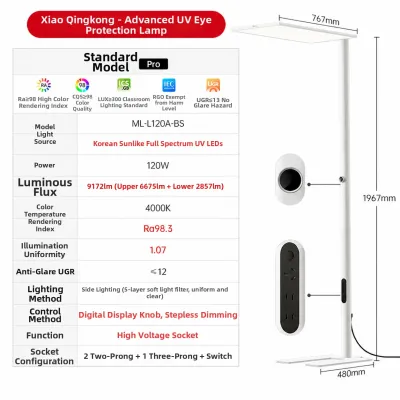
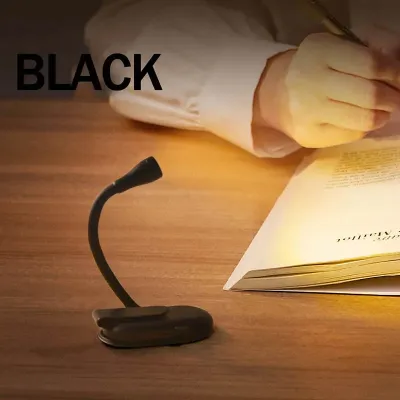
Prices are valid at publication and may change. Please refer to the product page for the latest price.
Finally, the physical footprint of the lamp must suit your home’s layout. In typical Singapore apartments, such as cozy HDB flats or modern condominiums, floor space is at a premium. The ideal standing lamp must provide stable, widespread illumination without cluttering walkways, blocking sightlines, or creating physical hazards in high-traffic zones.
Best Standing Lamp Styles for Focused Studying
Selecting the right style of standing lamp depends on your specific desk setup, the layout of your seating, and your aesthetic preferences. Different designs offer distinct physical and optical advantages for task-oriented lighting.
Adjustable Task and Architect Lamps
Adjustable task and architect floor lamps are engineered specifically for precision. Drawing inspiration from classic drafting table lights, these standing fixtures feature multi-jointed, articulated arms and swiveling heads. This mechanical flexibility allows you to pull the light source down close to your reading material or keyboard for high-intensity tasks, and then push it away or tilt it upward when you require broader, softer illumination.
From a design perspective, these lamps often feature a modern, minimalist, or industrial aesthetic. Their clean lines, exposed metal joints, and slender profiles make them excellent additions to contemporary living rooms, pairing effortlessly with modern Scandinavian or industrial decor. Because they do not occupy desk space, they are highly favored by those who use compact writing desks or study directly from an armchair.
Before purchasing an architect-style floor lamp, it is vital to inspect the build quality of the joints and tension springs. High-quality models feature robust locking knobs or heavy-duty counterweights that prevent the arm from sagging over time. You should also verify the maximum reach of the articulated arm to ensure it can comfortably extend over your preferred seating or desk arrangement without requiring you to place the heavy base in an inconvenient spot.
Arc Floor Lamps with Directed Shades
Arc floor lamps offer a unique spatial advantage by separating the physical base of the lamp from the light source itself. Featuring a long, sweeping neck that curves gracefully upward and outward, these lamps allow you to position the heavy, stabilizing base behind a sofa, in a corner, or behind an armchair, while the light fixture itself suspends directly over your study desk or reading area.
This design is particularly beneficial for smaller living rooms where every square centimeter of floor space counts. By keeping the immediate area around your feet clear of bases and poles, arc lamps maintain an open, uncluttered flow in your living space. Additionally, the dramatic, sweeping curve of an arc lamp serves as a striking sculptural element, adding height and visual interest to your room’s overall design scheme.
However, the extended center of gravity inherent in arc designs requires careful safety consideration. Because the weight of the shade is projected far forward, the base must be exceptionally heavy—often made of solid marble, concrete, or thick steel—to prevent tipping. When shopping, always verify the weight of the base and ensure the lamp will be placed in a low-traffic area where children, pets, or passing family members are unlikely to bump into the extended arm.
Torchiere Lamps with Integrated Reading Arms
For homeowners seeking maximum utility from a single fixture, torchiere lamps with integrated reading arms offer an exceptional dual-purpose solution. These fixtures feature an upward-facing bowl (the torchiere) at the top of the main pole, which directs light toward the ceiling to bounce soft, glare-free ambient light throughout the entire living room. Simultaneously, a smaller, highly flexible task arm extends from the mid-section of the pole, providing focused, downward light for studying.
The primary advantage of this style is the inclusion of independent controls. High-quality torchieres feature dual switches or independent dimmers, allowing you to customize your environment completely. During a study session, you can switch off the top ambient bowl to minimize energy consumption and room brightness, keeping only the focused reading arm illuminated. When hosting guests, you can turn on both to create a warm, layered lighting scheme.
This dual-functionality makes the torchiere-reading arm combination highly efficient for compact living spaces. Instead of purchasing separate ambient and task lamps, a single corner-placed torchiere satisfies both requirements, preserving valuable floor space and reducing cord clutter around your power outlets.
Essential Specifications and Safety Checks Before Buying
To ensure your chosen floor lamp operates safely and effectively within your home, you must look beyond aesthetics and evaluate its technical specifications.

- Voltage and Plug Compatibility: Before importing a lamp or purchasing from international online marketplaces, verify that the electrical specifications match local standards. In Singapore, the standard domestic voltage is 230V at a frequency of 50Hz. Ensure the lamp is rated for this voltage range to avoid electrical hazards or premature component failure. Additionally, the appliance should come equipped with a compliant Type G 3-pin plug, or you must plan to use a high-quality, fused, and rated adapter that meets local safety regulations.
- Bulb Type and Wattage: Examine whether the floor lamp utilizes integrated LED modules or replaceable bulbs. Integrated LEDs offer sleek, ultra-slim designs and long operational lifespans, but the entire fixture may need replacement if the light source fails. If you prefer replaceable bulbs, identify the socket type (such as E27, E14, or GU10) and strictly adhere to the manufacturer's maximum wattage limit. Exceeding the recommended wattage can lead to excessive heat buildup, damaging the lamp shade, socket, or internal wiring.
- Dimming Capabilities: A dimmable lamp offers unmatched flexibility for a multi-use living room. However, you must check how the dimming function is implemented. Some lamps feature built-in rotary or touch dimmers on the pole, which require compatible dimmable bulbs to function without flickering. Other basic lamps only support standard on/off switches; if you wish to dim these, you will need to install a smart bulb that handles dimming via an app or remote control, rather than relying on external wall dimmers.
- Color Temperature: The color temperature of your light bulb, measured in Kelvin (K), directly influences your focus and mood. For intensive studying, a neutral to cool white light (between 4000K and 5000K) is highly recommended, as it mimics daylight, enhances contrast, and helps maintain alertness. Conversely, a warm white light (around 2700K to 3000K) is ideal for creating a cozy, relaxing living room atmosphere. Choosing a lamp with adjustable color temperature controls allows you to toggle between these modes depending on the time of day and your current task.
- Safety and Stability: Electrical safety is paramount for any household appliance. Look for recognized safety certification marks, such as the Enterprise Singapore Safety Mark, on the product label or packaging to ensure the lamp has undergone rigorous testing for electrical safety and fire prevention. Furthermore, physical stability is crucial in a shared living room. Measure the base diameter and check its weight; a heavy, low-profile base ensures the lamp remains upright even if accidentally brushed against by family members or pets.
Placement and Styling Tips for Seamless Integration
Integrating a standing study lamp into your living room requires strategic positioning to maximize utility while maintaining visual harmony.
To prevent distracting shadows and glare, place the lamp to the side or slightly behind your shoulder when seated at your study desk or armchair. If you are right-handed, positioning the light source on your left side prevents your hand from casting shadows across your writing materials; reverse this layout if you are left-handed. For digital screens, ensure the lamp head is angled away from the display to prevent direct reflections that cause eye strain.
Aesthetic cohesion is equally important for maintaining a polished living room design. Match the metallic finish or color of your lamp’s frame with other hardware elements already present in the room, such as the metal legs of your coffee table, cabinet handles, or picture frames. For instance, a matte black architect lamp pairs beautifully with modern industrial furniture, while a brushed brass or satin nickel finish adds a touch of sophistication to classic or transitional interiors.
Finally, practical cord management is essential for safety and visual neatness. Loose power cables trailing across a living room floor pose a significant tripping hazard, especially in active households. Secure your cords along the base of the lamp pole using integrated clips, and route the remaining cable along baseboards or beneath heavy furniture. If a cord must cross a walkway, use a low-profile, rubberized cord cover to keep it flat and secure against the floor.
Frequently Asked Questions (FAQ)
Can a floor lamp provide enough light for studying without overhead lighting?
Yes, a high-output task floor lamp equipped with a well-directed shade can deliver ample illumination directly to your workspace or reading material without the need for overhead lights. However, relying solely on a single bright spotlight in a pitch-black room creates high visual contrast, which can lead to rapid eye fatigue. To protect your vision, it is highly recommended to maintain a low level of soft ambient light elsewhere in the living room while studying.
What color temperature is best for studying in a living room?
For active studying and reading, a neutral to cool white light of 4000K to 5000K is best because it improves text contrast and promotes alertness. If your floor lamp is a permanent fixture in a shared living space, look for a model with adjustable color temperature settings. This allows you to switch to a warm, relaxing 2700K glow once your study session is complete and the living room transitions back to a space for family relaxation.
Community discussion
Share your experience or ask a question. Comments are reviewed before publication.