
Finding a dual-purpose study light standing in your living room requires balancing two very different lighting profiles. The living room is traditionally a sanctuary for relaxation, entertainment, and social gatherings, demanding soft, warm, and indirect illumination. Conversely, studying, reading, or working from home requires highly focused, bright, and cool-toned light to maintain alertness and prevent eye strain. Attempting to use a single, unadjustable light source for both tasks often results in a space that feels either too sterile for comfort or too dim for productive work.
A carefully selected standing lamp bridges this functional gap, offering a versatile solution that minimizes visual clutter. Instead of crowding your living room with multiple specialized fixtures, a single dual-purpose floor lamp can transition seamlessly between a high-performance task light and a gentle ambient glow. By understanding how to evaluate these fixtures based on light quality, structural adjustability, and physical design, you can elevate both your productivity and your home’s aesthetic appeal.
To make an informed decision, you must look beyond the external design of a lamp and evaluate its technical capabilities. The ideal dual-purpose fixture must offer precise control over brightness, color quality, and light distribution.
Products mentioned in this guide
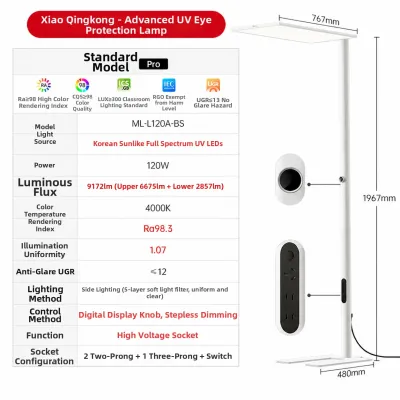
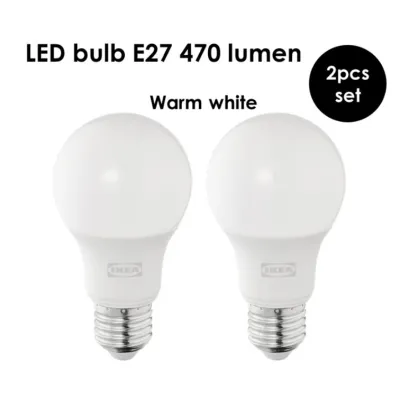
Prices are valid at publication and may change. Please refer to the product page for the latest price.
Essential Features of a Dual-Purpose Study Light Standing Lamp
When shopping for a standing lamp that doubles as a study light, technical specifications dictate performance. Understanding these key metrics ensures your selected fixture protects your vision during long study sessions while maintaining a cozy atmosphere when it is time to wind down.
Brightness and Lumen Output
Lumens measure the total amount of visible light emitted by a source. For general ambient lighting in a medium-sized living room, a soft glow of 300 to 500 lumens is often sufficient to create a relaxing atmosphere. However, focused tasks like studying or reading fine print require a much higher concentration of light.
For comfortable studying, aim for a lamp that can deliver at least 400 to 500 lux on your working surface. To achieve this from a standing lamp height—typically 1.5 to 1.8 meters above the floor—the fixture should support a bulb or integrated LED engine capable of producing 800 to 1,200 lumens. Choosing a lamp with a wide lumen range allows you to dial the brightness up for intense focus and down for casual evening relaxation.
Color Temperature and Color Rendering Index (CRI)
Color temperature, measured in Kelvin (K), directly influences your cognitive state and the room’s mood. Light sources generally fall into three categories:
- Warm White (2700K to 3000K): Mimics the soft, golden glow of traditional incandescent bulbs. This range promotes relaxation and is ideal for winding down in the evening.
- Neutral White (3500K to 4000K): Balanced and clean, this range mimics natural daylight. It enhances alertness without being overly harsh, making it excellent for reading and casual study.
- Cool Daylight (5000K to 6500K): High-contrast, bluish-white light that maximizes focus and reduces sleepiness. This is ideal for intense, detailed work, though it can feel cold and clinical if used for general living room ambiance.
Alongside color temperature, pay close attention to the Color Rendering Index (CRI). Measured on a scale from 0 to 100, CRI indicates how accurately a light source reveals the true colors of objects. For studying, look for a lamp with a CRI of 90 or higher (CRI Ra ≥ 90). High-CRI lighting sharpens text on a page, reduces visual fatigue, and ensures that diagrams, illustrations, and screens are rendered with exceptional clarity.
Dimming and Smart Controls
To successfully serve two distinct purposes, a standing lamp must feature robust dimming capabilities. Stepless dimming is highly preferred over fixed multi-step switches, as it allows you to fine-tune the brightness to match the changing natural light throughout the day.
Many modern standing lamps feature integrated smart controls or compatibility with smart home ecosystems. Utilizing smart bulbs allows you to program specific schedules or transition between pre-set scenes, such as a high-intensity “Study Mode” at 4000K and a dimmed “Cinema Mode” at 2700K, using a smartphone app, remote control, or voice commands.
Glare Control and Diffusers
Direct exposure to a bare light bulb causes glare, leading to rapid eye fatigue, headaches, and decreased concentration. Effective study lamps utilize physical barriers to soften and direct the light.
Look for fixtures with frosted glass, fabric shades, or deep-set physical baffles. These components diffuse the light, spreading it evenly across your workspace while shielding your eyes from direct view of the light source. If you select a lamp with an exposed bulb design for aesthetic reasons, ensure the fixture allows you to position the light source completely out of your direct line of sight when seated.
Best Standing Lamp Styles for Studying and Décor
Different structural designs offer unique advantages for balancing task and ambient lighting. Selecting the right style depends on your primary activities, the layout of your living room, and your existing interior décor.

Torchiere Lamps with Integrated Reading Arms
The torchiere with an integrated reading arm is a highly functional dual-purpose design. This style features a tall, upright pole terminating in an upward-facing bowl (the torchiere) and a secondary, flexible arm positioned lower on the shaft.
- How it Works: The main upward-facing light bounces off the ceiling, dispersing soft, shadowless ambient light throughout the entire living room. Meanwhile, the adjustable lower arm provides a concentrated, downward beam of light directly onto your book, tablet, or desk.
- Why it Excels: This design physically separates the two lighting functions. You can operate the ambient uplight and the task reading light independently, allowing you to customize the lighting environment based on who is using the room.
- Limitations and Placement: Because of their dual-source design, torchieres can sometimes look slightly utilitarian. To integrate them seamlessly into your living room, place them in corners next to an armchair or behind a sectional sofa where the main pole is partially obscured, leaving only the elegant light output visible.
Adjustable Arc and Task Floor Lamps
Characterized by sweeping metal necks or multi-jointed cantilever arms, adjustable arc and task floor lamps bring a distinct architectural presence to a living room while offering exceptional functional flexibility.
- How it Works: The long, curved neck of an arc lamp allows the light source to extend over the back of a sofa or armchair, suspended directly above your reading material or laptop. Multi-jointed task lamps allow you to adjust the height, angle, and direction of the lamp head with precision.
- Why it Excels: These lamps provide highly targeted, high-intensity study light exactly where you need it, eliminating the shadows cast by your head or shoulders. When study time is over, you can swing the arm away or tilt the head toward a wall to create a soft, indirect accent light.
- Limitations and Safety Checks: Arc lamps require a significant amount of physical floor space to accommodate their sweeping projection. Because the weight of the lamp head is extended far from the center pole, these fixtures require a heavily weighted base—often made of solid marble or cast iron—to prevent tipping. Always verify that the base is stable and placed away from high-traffic pathways.
Dimmable Mid-Century and Contemporary Designs
If maintaining a cohesive, design-forward aesthetic is your top priority, dimmable contemporary or mid-century modern standing lamps are excellent options. These fixtures often feature premium materials such as brushed brass, matte black steel, walnut wood accents, and textured linen or paper shades.
- How it Works: Rather than relying on specialized mechanical arms, these lamps rely on high-performance, interchangeable light sources. When paired with a premium smart bulb or a high-CRI dimmable LED, a classic drum-shade or tripod lamp can easily transition from a decorative living room centerpiece to a functional reading light.
- Why it Excels: These fixtures blend seamlessly into upscale interior styles, adding warmth, texture, and visual interest to the room even when turned off. They are perfect for casual reading, studying on the sofa, or reviewing documents in a relaxed environment.
- Limitations: Because the light from a fabric or paper shade is highly diffused, these lamps do not provide the concentrated, directional beam required for intense, multi-hour study sessions or highly detailed drafting work. If you frequently engage in prolonged, focused studying, a dedicated task arm is a more ergonomic choice.
Positioning Your Floor Lamp for Ergonomics and Atmosphere
Even the highest-quality standing lamp will underperform if it is positioned incorrectly. Proper spatial arrangement is essential to maximize study ergonomics while preserving a balanced, inviting living room atmosphere.
Avoiding Glare and Shadows
To prevent eye strain, position your study lamp so that the light source is located behind or to the side of your shoulder. If you are right-handed, place the lamp on your left side; if you are left-handed, place it on your right. This positioning prevents your hand and pen from casting distracting shadows across your writing surface.
If you are studying on a laptop, tablet, or monitor, ensure the lamp head is positioned to avoid direct reflections on the screen. Angle the light downward and slightly away from the screen surface, or use a diffused shade to minimize glare spots that can cause you to squint or lean forward into an unnatural posture.
Layering Light for a Balanced Environment
Studying in a dark room with a single, high-intensity spotlight creates extreme visual contrast. This contrast forces your pupils to constantly adjust as your eyes wander from the bright page to the dark room, leading to rapid eye fatigue.
To create a comfortable study environment, practice light layering. Combine your standing lamp with existing ambient light sources, such as soft recessed ceiling lights, warm cove lighting, or a low-wattage table lamp on a nearby sideboard. This fills in the dark corners of the room, reducing contrast and creating a balanced, multi-dimensional atmosphere that is gentle on the eyes.
Cord Management and Traffic Flow
Standing lamps require power cables, which can quickly become unsightly clutter or dangerous tripping hazards in a busy living room. This is particularly true in modern open-plan living spaces where furniture may be floated away from walls.
To maintain clean lines and safety, route your lamp cords along the base of walls or underneath heavy furniture. If a cord must cross a walkway, use a low-profile, rubberized cable protector that matches your flooring color. Alternatively, secure the cord to the lamp pole using matching cable clips to keep the silhouette neat and tidy.
Electrical Safety and Stability Checks for Local Homes
When introducing any electrical fixture into your home, safety and compliance must be your primary considerations. This is especially true for portable standing lamps, which are easily reached by children and pets and are often moved around the room.
Voltage and Plug Standards
In Singapore, household electricity is supplied at a standard voltage of 230V AC with a frequency of 50Hz. The standard plug type is the Type G three-pin plug (complying with the SS 145 standard).
When purchasing standing lamps online from international sellers, always verify that the fixture is compatible with 230V systems. Importing a lamp designed solely for 110V regions without a proper transformer can damage the fixture, destroy the bulb, or present a serious electrical fire hazard. Additionally, look for the Enterprise Singapore SAFETY Mark on the plug, adapter, or integrated LED driver to ensure the product has been tested and certified for safe local use.
Physical Stability and Tip-Over Prevention
Standing lamps are naturally top-heavy structures. Before finalizing your purchase, check the physical specifications of the lamp base. A high-quality standing lamp should feature a heavy, wide base that keeps the center of gravity low.
If your living room has plush carpeting or uneven flooring, test the lamp’s stability by gently nudging the pole. It should resist tipping and quickly return to an upright position. For households with young children or active pets, avoid lightweight tripod designs or top-heavy arc lamps unless they can be securely positioned behind heavy furniture where they cannot be easily knocked over.
Heat Dissipation and Clearance
While modern LED bulbs run significantly cooler than older incandescent or halogen options, they still generate heat that must be dissipated safely. High-wattage LED bulbs or enclosed lamp heads can become hot to the touch during prolonged study sessions.
Always check the maximum wattage rating printed inside the lamp holder or specified in the manufacturer’s manual, and never install a bulb that exceeds this limit. Maintain a safe clearance of at least 15 to 30 centimeters between the lamp head and flammable materials such as window curtains, fabric shades, throw blankets, or wooden shelving. If you notice a burning smell or if the lamp pole feels unusually hot, immediately turn off the fixture, isolate the power at the wall outlet, and consult a qualified professional.
Frequently Asked Questions (FAQ)
Can a single floor lamp provide enough light for studying?
A single ambient floor lamp with a standard diffused shade is generally insufficient for prolonged, intensive studying because it scatters light too widely, leaving your desk or reading material under-illuminated. However, a specialized dual-purpose floor lamp—such as a torchiere with an integrated reading arm or an adjustable task lamp—can easily provide enough light. These designs combine a high-lumen, focused light source directed exactly onto your workspace with a softer ambient glow for the rest of the room, preventing eye strain and eliminating the need for multiple bulky fixtures.
What color temperature is best for studying and relaxing?
For studying and tasks requiring high mental focus, a neutral to cool color temperature between 3500K and 4000K is ideal, as it mimics natural daylight and promotes alertness. For winding down, relaxing, or entertaining in the living room, a warm color temperature between 2700K and 3000K is best, as it creates a cozy, calming atmosphere. To get the best of both worlds, choose a standing lamp that features adjustable color temperature controls or install a smart LED bulb that allows you to transition seamlessly between these settings throughout the day.
Community discussion
Share your experience or ask a question. Comments are reviewed before publication.