
To make a small Singaporean apartment feel significantly larger, a strategically placed standing mirror is one of the most effective design tools available. High-quality standing mirrors do far more than provide a place to check your outfit; they act as passive light enhancers and visual spatial expanders. Brands like IKEA and FortyTwo offer highly functional, minimalist options that maximize floor space on a budget, while mid-range and designer brands like Castlery, HipVan, and Soul & Tables provide premium, statement-making designs with slim metal or warm timber frames. By bouncing natural light and extending visual sightlines, the right standing mirror can make a standard 3-room HDB flat or compact condominium feel twice its actual size.
How Standing Mirrors Expand Small Spaces
A standing mirror acts as an optical illusion that alters the perception of physical boundaries. When positioned correctly, it captures light from windows or light fixtures and bounces it deep into darker corners, instantly making a compact room feel brighter and more open. This reflection of light tricks the brain into perceiving a higher ceiling and a wider floor plan.
Furthermore, mirrors introduce visual depth. Instead of a solid, flat wall terminating your line of sight, a mirror reflects the opposite side of the room, effectively doubling the perceived distance. In compact HDB living rooms or narrow condo entryways, this simple addition breaks up rigid architectural lines and creates a sense of continuous flow.
Products mentioned in this guide
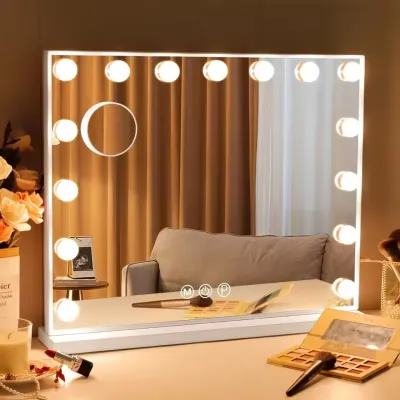
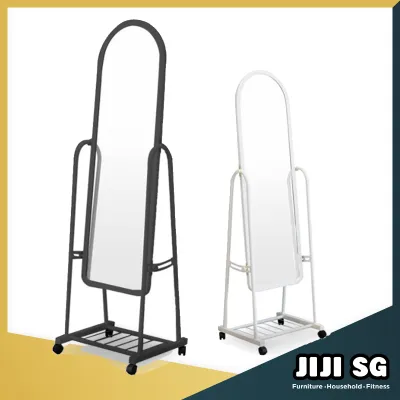
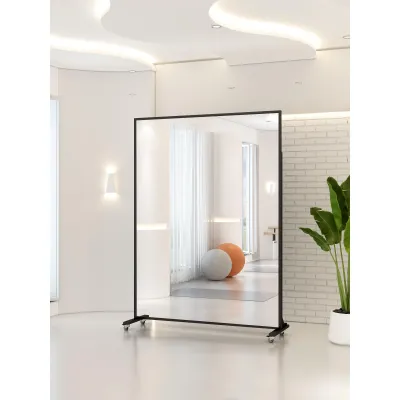
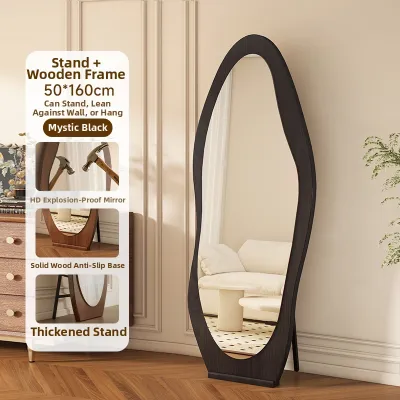
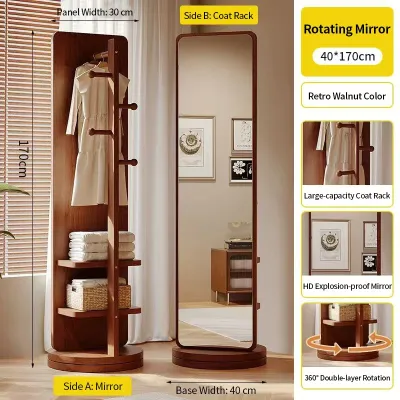
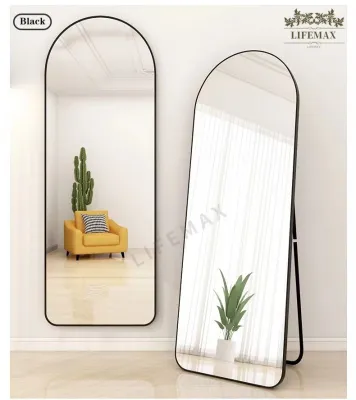
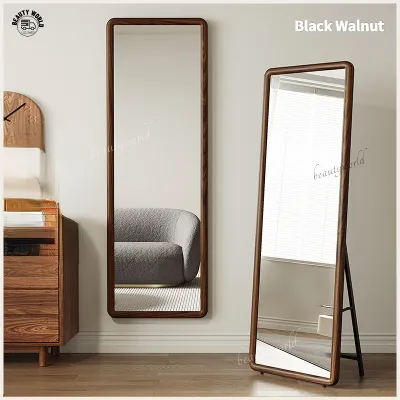
![[Delivered in 1 days]Full body mirror floor dressing mirror bedroom explosion-proof mirror wall hanging household solid wood fitting mirror Chinese mirror 40*150CM](https://img.lazcdn.com/g/p/ab17c57ffc0ed45bebf30371e40af98e.jpg_400x400q80.jpg_.webp)
Prices are valid at publication and may change. Please refer to the product page for the latest price.
What to Look for When Choosing a Mirror for HDBs and Condos
Before browsing specific brands, it is crucial to understand how different mirror specifications interact with the layout of a compact Singapore home.

Dimensions and Proportions: In small apartments, every square centimeter of floor space counts. While a wide, oversized mirror can look dramatic, it can easily overwhelm a tight room. Tall and narrow standing mirrors are highly effective because they draw the eye upward, emphasizing vertical space without consuming excessive floor area. Aim for a height of at least 150 to 180 centimeters to ensure a full-body view while maintaining a balanced scale.
Frame Styles: The frame of a mirror dictates its visual weight. Heavy, ornate wooden or plaster frames tend to crowd a small room, making it feel cluttered. For an airy, expansive effect, look for frameless mirrors or those with incredibly thin metal frames, such as aluminum or steel in matte black, brass, or chrome. Light-toned wood frames, such as oak or birch, also work well in Scandinavian or Japandi-themed HDB interiors.
Base and Footprint: How the mirror stands determines how much usable floor space you must sacrifice. Leaning mirrors (which rest against the wall) and flat-back mirrors with retractable easel stands have the smallest footprints. If you choose a model with an A-frame or swing stand, ensure the rear legs do not protrude so far into the room that they become a tripping hazard in narrow corridors.
Weight and Mobility: Living in a compact space often requires occasional layout adjustments, especially during deep cleaning or when hosting guests. Lightweight mirrors with aluminum frames are easy to reposition single-handedly. Conversely, solid wood or heavy iron frames offer superior stability but are more difficult to move and require extra care to prevent floor damage during transit.
Best Standing Mirror Brands to Shop in Singapore
Singapore offers a diverse retail landscape for home decor, ranging from global giants to local design houses. Finding the right brand depends on your budget, aesthetic preferences, and the specific layout of your home.
Accessible and Budget-Friendly Retailers
For practical, cost-effective options, several major retailers in Singapore provide stylish standing mirrors that do not require a massive financial investment.
IKEA: As a staple for Singaporean homeowners, IKEA offers highly functional, minimalist standing mirrors, typically priced between S$50 and S$150. Models like the ash-veneer options or those with built-in storage hooks behind the glass are specifically engineered for tight spaces. The primary advantage of IKEA is immediate availability and flat-pack convenience, though assembly is entirely DIY, and the lightweight materials (such as fiberboard or light plastics) may feel less robust over time.
FortyTwo: As one of Singapore’s largest local online furniture portals, FortyTwo offers an extensive range of budget-friendly standing mirrors starting from under S$80. They specialize in simple metal-framed arched mirrors and classic rectangular leaning designs. While FortyTwo provides affordable delivery and optional assembly services, stock levels can fluctuate, and physical showrooms are limited, meaning you must rely on online reviews and detailed product dimensions before purchasing.
Mid-Range and Designer Home Brands
If you are looking to invest in a durable statement piece that elevates your condo or HDB interior design, several mid-range brands offer premium materials and unique aesthetics.
Castlery: Known for modern, mid-century, and contemporary designs, Castlery offers high-quality standing mirrors, generally ranging from S$200 to S$400. Their mirrors often feature sleek, brushed brass frames, rounded corners, or elegant wood finishes that complement sophisticated interiors. Castlery products are highly durable and come with professional delivery and assembly, but they often require a lead time of several weeks if items are not currently in stock.
HipVan: This local Singaporean brand focuses on stylish, urban-friendly furniture designed specifically for compact living. HipVan’s standing mirrors, typically priced between S$120 and S$300, feature clean lines, thin metal profiles, and versatile leaning mechanisms. They offer relatively fast local delivery and a straightforward return policy, though their aesthetic leans heavily toward modern minimalist styles, which might not suit traditional tastes.
Soul & Tables: For those prioritizing sustainability and premium craftsmanship, Soul & Tables offers high-end wooden standing mirrors made from ethically sourced teak and oak, usually priced from S$400 upward. These mirrors have a substantial, luxurious presence that grounds a room. The main trade-off is the heavier weight of solid timber, which requires careful handling and sturdy wall anchoring, along with a higher upfront investment.
Strategic Placement to Maximize the Illusion of Space
Simply buying a beautiful standing mirror is not enough; its placement dictates how effectively it expands your living space.
Light Bouncing: To maximize brightness, position your standing mirror opposite or adjacent to a window. This allows the mirror to capture natural daylight and disperse it throughout the room, instantly neutralizing dark, claustrophobic corners. If natural light is limited, place the mirror near an artificial light source, such as a floor lamp or wall sconce, to create a warm, layered glow.
Creating Depth: If you have a long, narrow hallway or a small foyer, place a leaning mirror at the very end of the sightline. This tricks the eye into believing the hallway extends much further than it actually does. In a small bedroom, positioning the mirror next to the wardrobe or in a corner creates a diagonal sightline that expands the perceived width of the room.
Managing Reflections: Remember that a mirror doubles whatever it faces. Avoid placing a large standing mirror directly opposite a cluttered shelf, a utility area, or a pile of laundry, as this will only double the visual clutter and make the room feel more chaotic. Instead, aim the reflection toward an open space, a clean wall, a piece of art, or indoor plants.
Vertical Emphasis: To counteract the standard 2.6-meter ceiling height of most HDB flats, lean a tall, rectangular mirror slightly backward against the wall. This upward tilt guides the viewer’s gaze toward the ceiling, creating an illusion of loftiness and vertical grandeur.
Safety, Stability, and Floor Protection
Freestanding mirrors are heavy, vertical objects that present safety risks if not properly managed, particularly in active households.
Anti-Tip Precautions: For leaning mirrors, securing the frame to the wall is essential to prevent accidental tipping. Always verify your wall type before drilling. Standard HDB interior walls are typically solid concrete or brick, which require a masonry drill bit, plastic wall plugs, and heavy-duty screws. Modern condominiums often use drywall or gypsum partitions for internal rooms, which require specialized toggle bolts or hollow-wall anchors. If you are drilling near electrical outlets or light switches, isolate the power at your main distribution board first, or consult a qualified handyman.
Base Stability: If you choose a mirror with a fold-out easel stand, ensure the legs are locked securely into position. Avoid placing these models in high-traffic pathways where children, pets, or vacuum cleaners might knock against them.
Floor Protection: Standing mirrors can scratch or dent delicate flooring over time. If your home features parquet, luxury vinyl tiles, or laminate flooring, apply adhesive felt pads or rubber grips to the bottom of the mirror frame or stand. Alternatively, place the mirror’s base on a small, textured area rug to prevent slipping and protect the floor surface.
Manufacturer Guidelines: Prioritize safety by thoroughly reading the manufacturer’s instructions regarding weight limits, assembly steps, and wall-mounting hardware. Never use temporary adhesive strips or light-duty mounting tape to secure a heavy standing mirror, as temperature and humidity fluctuations in Singapore can cause these adhesives to fail over time.
Frequently Asked Questions (FAQ)
Can a standing mirror be placed on carpet or uneven floors?
Placing a freestanding mirror directly on a thick carpet or an uneven floor is not recommended, as it compromises stability and increases the risk of tipping. If you must place a mirror on a carpeted surface, choose a model that leans directly against the wall and secure it firmly with anti-tip wall anchors. Alternatively, place a rigid, flat wooden board beneath the base to distribute the weight evenly, or opt for a fully wall-mounted mirror instead.
How do I clean a large standing mirror without leaving streaks?
To maintain a crystal-clear reflection on a large mirror panel, avoid using paper towels, which leave behind lint and dust. Instead, use two clean microfiber cloths. Lightly spray a dedicated glass cleaner or a mild water-and-vinegar solution directly onto the first cloth rather than spraying the mirror itself, which can cause liquid to seep behind the frame and damage the silver backing. Wipe the glass in a consistent Z-shaped motion from top to bottom, then use the second dry microfiber cloth to buff away any remaining moisture and streaks.
Is it better to buy a floor mirror or a wall-mounted mirror for a small bedroom?
The choice depends on your rental status and available floor space. A floor-standing or leaning mirror offers excellent flexibility, as it can be moved easily without leaving large holes in the wall—making it ideal for tenants. However, it does occupy a small portion of floor space. A wall-mounted mirror is the ultimate space-saving solution for extremely tight bedrooms because it keeps the floor completely clear, but it requires permanent drilling and precise installation.
Community discussion
Share your experience or ask a question. Comments are reviewed before publication.