
Transforming your living space with the warm, inviting glow of string lights is one of the most effective ways to elevate your home’s ambiance. Whether you want to turn a cozy HDB bedroom into a personal sanctuary, brighten a condominium balcony for evening relaxation, or decorate a landed property garden for festive gatherings, choosing the right brand is essential. The market offers a wide array of options, ranging from advanced smart lighting systems to budget-friendly lifestyle designs and heavy-duty outdoor festoons.
Finding the perfect match requires balancing your aesthetic goals with practical considerations like local electrical compatibility, weatherproofing, and safety certifications. By focusing on reliable brands and proper installation methods, you can create a beautiful, safe lighting scheme that perfectly suits your home.
Key Selection Criteria for Singapore Homes
Before purchasing any string lights, it is vital to understand the technical specifications that ensure safety and compatibility within Singapore’s unique housing environment.
Products mentioned in this guide
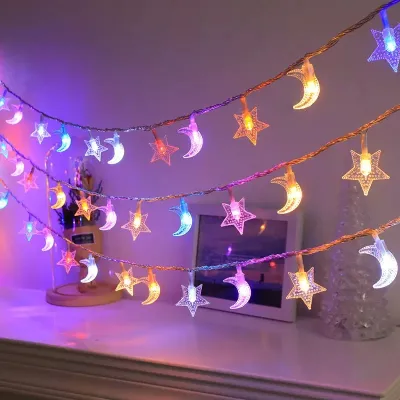
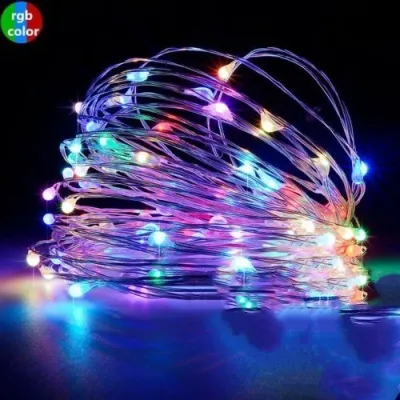
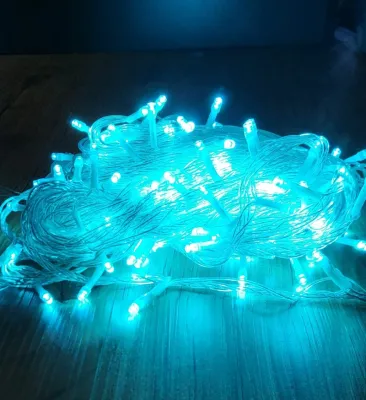
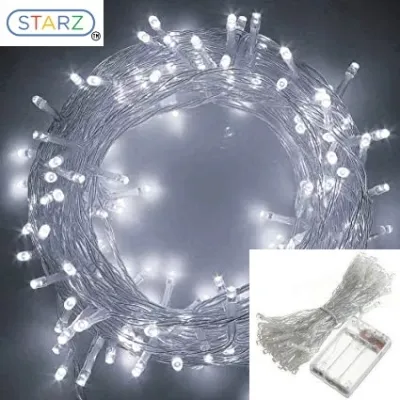
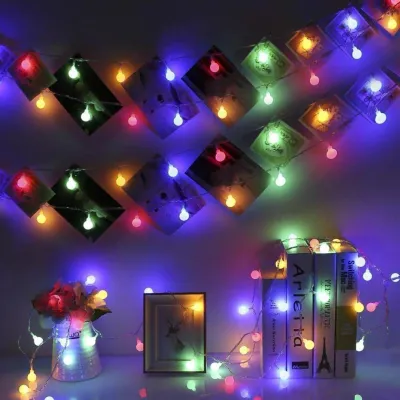
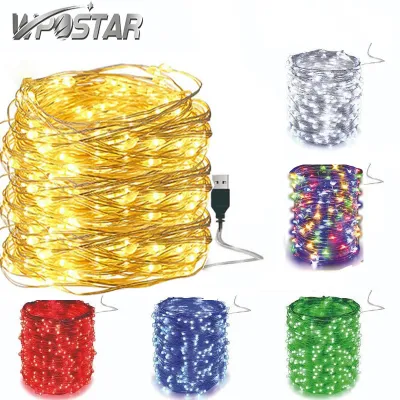
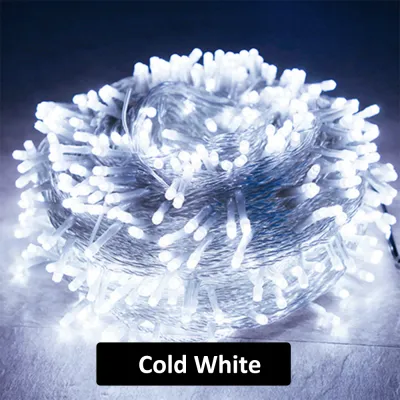
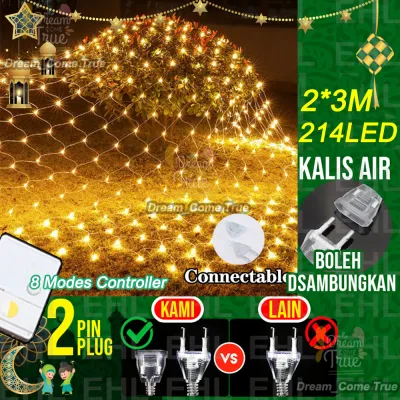
Prices are valid at publication and may change. Please refer to the product page for the latest price.
Power Source and Voltage Singapore operates on a 230V electrical grid at 50Hz, utilizing Type G three-pin plugs. When selecting string lights, understanding the power source is critical for both safety and convenience. Mains-powered lights are ideal for permanent, high-output installations because they deliver consistent brightness without fading. However, they must be fully compatible with local voltage standards. USB-powered string lights offer exceptional versatility; they run on a safe 5V low voltage and can plug into standard phone chargers, power banks, or USB ports, making them perfect for rental properties or temporary indoor displays. Battery-operated models provide complete placement freedom without trailing cords, though they are best reserved for small decorative accents due to the ongoing cost of battery replacements. Solar-powered options are highly appealing for outdoor spaces, but they require careful consideration in Singapore’s urban landscape. While solar lights are energy-efficient, they rely heavily on direct sunlight. If your balcony is deeply recessed or shaded by neighboring high-rise buildings, the solar panel may not receive enough solar radiation to keep the lights illuminated throughout the evening, making a low-voltage mains or USB connection a more reliable alternative.
Electrical Safety and Certification In Singapore, electrical safety is a paramount concern, particularly for devices that remain plugged in for extended periods. Any power adapter or plug designed to connect directly to the 230V mains power supply is classified as a Controlled Goods item under the Consumer Protection (Safety Requirements) Registration Scheme administered by Enterprise Singapore. This means it must be rigorously tested and registered to carry the distinctive blue-and-black SAFETY Mark. This certification ensures that the adapter has built-in protections against overheating, short circuits, and electrical fires. When shopping for string lights, especially from online platforms that import goods globally, you must verify that the power supply unit features this mark. Using uncertified adapters poses a significant risk to your home’s electrical system and can void your home insurance policy in the event of an electrical fire. For USB-powered lights, while the low-voltage string itself does not require a SAFETY Mark, the USB wall charger you plug into your wall socket must be certified.
Indoor vs. Outdoor Ratings Singapore’s tropical climate is characterized by high relative humidity, frequent heavy downpours, and sudden thunderstorms. Consequently, understanding Ingress Protection (IP) ratings is vital before hanging any lights near open windows, balconies, or outdoor gardens. An IP rating consists of two digits: the first represents protection against solid particles like dust, and the second represents protection against liquids. For indoor-only spaces like bedrooms, living rooms, and dry hallways, standard IP20-rated lights are perfectly adequate as they are protected against touch but have no water resistance. However, if you plan to decorate a semi-outdoor area such as a covered HDB balcony or a condo patio, you must use lights with a minimum rating of IP44. This rating ensures the fixtures are splash-proof and can withstand wind-blown rain and high humidity levels. For fully exposed outdoor areas, such as landed property gardens, rooftop terraces, or open BBQs, you should look for heavy-duty lights rated IP65 or IP67. These are dust-tight and protected against water jets, ensuring they remain safe and functional even during intense monsoon seasons.
Light Temperature and Aesthetics The color temperature of your string lights dictates the mood and spatial feel of your room, making it a crucial design decision. Color temperature is measured in Kelvin (K). Warm white lights, typically ranging from 2700K to 3000K, emit a soft, golden glow that mimics candlelight. This temperature is highly recommended for creating a cozy, relaxing, and intimate atmosphere in bedrooms, living rooms, and outdoor dining spaces. Cool white lights, ranging from 4000K to 5000K, provide a crisp, bright, and modern light that is closer to daylight. While cool white is excellent for task lighting or highlighting modern architectural lines, it can sometimes feel clinical or harsh when used for decorative string lights. For those who enjoy dynamic and festive setups, RGB (Red, Green, Blue) or color-changing string lights offer ultimate flexibility. These allow you to customize the color palette to suit specific occasions, such as warm gold for festive holidays, red and white for National Day, or vibrant multi-color patterns for parties. Keep in mind that decorative style and perceived color temperature are subjective preferences; choose the option that best complements your existing interior decor and wall paint colors.
Reliable String Light Brands to Consider
To help you find the right fit, we can categorize the reliable string light brands available in Singapore into three distinct segments based on their features, ideal use cases, and limitations.

Smart and Premium Lighting Brands
For homeowners seeking cutting-edge technology, seamless smart home integration, and unparalleled customization, premium smart string light brands are the gold standard. Brands like Philips Hue (with their Festavia string lights) and Twinkly lead this category. These systems feature individually addressable LEDs, meaning each bulb can display a different color simultaneously, allowing for stunning gradients, fluid animations, and complex light patterns. Through dedicated mobile applications, users can map the exact layout of the lights using their smartphone camera, enabling precise control over every single light point. Many of these premium brands also offer music synchronization, where the lights flash and change color in real-time to the beat of your favorite songs, creating an immersive entertainment experience. They integrate effortlessly with popular smart home ecosystems like Apple Home, Google Home, and Amazon Alexa, allowing for voice control and automated scheduling.
However, these advanced features come with a premium price tag, often costing several hundred Singapore dollars. They also require a stable Wi-Fi connection or a dedicated smart hub to function correctly. Before purchasing, always check that the smart plug or power adapter provided in the starter kit is fully compatible with Singapore’s 230V system and carries the local SAFETY Mark, as imported kits from other regions may feature incompatible plugs or voltage requirements.
Everyday Home and Lifestyle Brands
If your goal is to add simple, warm, and comforting ambient light to your home without the complexity or expense of smart technology, everyday home and lifestyle brands are an excellent choice. Retailers like IKEA (with popular lines such as VISSBÄCK, SÄRDAL, or UTSUND) and various local lifestyle boutiques offer reliable, straightforward string lights at highly accessible price points. These lights typically focus on classic warm white LEDs and simple, clean designs that blend seamlessly into any Scandinavian, minimalist, or modern interior. Many of these everyday models are powered by USB or batteries, making them incredibly safe and easy to install in areas without nearby electrical outlets. Some models also feature convenient built-in timers that automatically turn the lights on for 6 hours and off for 18 hours, helping to conserve energy or battery life.
The main limitations of these budget-friendly options are their lack of advanced control features, fixed brightness levels, and shorter maximum string lengths. Additionally, if you opt for battery-operated versions, you will need to perform frequent battery changes, which can become costly and environmentally unfriendly unless you invest in high-quality rechargeable NiMH batteries.
Outdoor and Heavy-Duty Festoon Brands
Transforming an outdoor area like a spacious condo patio, a landed property garden, or an open-air balcony requires industrial-grade durability. Outdoor heavy-duty festoon brands specialize in commercial-grade string lights designed to endure harsh weather conditions. These lights are characterized by thick, heavy-duty rubberized or PVC cabling (often rated SJTW for outdoor wet environments) and heavy, weather-sealed sockets. Instead of delicate glass bulbs, these brands typically use shatterproof polycarbonate LED bulbs that can withstand being knocked around by strong winds without breaking. They feature high weatherproofing ratings of IP65 or higher and often come with connectable end-to-end designs, allowing you to link multiple strings together to cover large areas using a single power source. These heavy-duty setups are perfect for creating a “balcony cafe” vibe or illuminating backyard fences.
However, their robust construction makes them significantly heavier and bulkier than delicate indoor fairy lights. They require sturdy, secure mounting points, and you must avoid damaging building facades or structural walls when installing them. If you choose a solar-powered heavy-duty variant, ensure the solar panel is mounted in a location that receives ample, direct sunlight throughout the day, which can be challenging in high-rise residential estates where shadows from neighboring blocks are common.
Purchasing Channels and Safety Verification
To ensure you are purchasing genuine, safe, and high-quality string lights, it is highly recommended to buy from official brand websites, authorized physical retail showrooms, or verified official stores (such as official brand malls) on reputable e-commerce platforms. Avoid purchasing from unverified third-party sellers or parallel importers who offer extremely low prices. These cheap, unbranded products often bypass local electrical safety testing, feature thin, easily frayed wires, and use substandard adapters that can overheat rapidly.
Before finalizing your purchase, conduct a thorough pre-purchase verification. Check the product description and images for explicit confirmation of the Singapore SAFETY Mark on the power adapter. If the listing is vague, do not hesitate to message the seller to ask for physical proof of the certification. Additionally, verify the IP rating to ensure it matches your intended installation environment, and look closely at the product dimensions. Make sure to distinguish between the “lit length” (the portion of the string containing the bulbs) and the “lead length” (the unlit wire extending from the plug to the first bulb) so you do not end up with a string that is too short for your space.
Lastly, pay close attention to warranty and return policies. Authorized local distributors typically offer a 1-to-2-year warranty on premium brands, giving you peace of mind and an easy route for replacement if you encounter dead LEDs, faulty control units, or wiring issues. When buying online, ensure the platform offers a robust buyer protection period so you can test the lights immediately upon arrival and return them if they are defective.
Safe Installation and Maintenance Practices
Proper installation and regular maintenance are key to ensuring your string lights remain a beautiful and safe addition to your home.
Damage-Free Mounting Installing string lights in Singapore homes often requires damage-free mounting solutions, especially for tenants renting HDB flats or condominiums, or homeowners who want to preserve their wall finishes. Avoid drilling holes into concrete walls, tiled surfaces, or window frames, as this can compromise waterproofing or lead to costly repairs when moving out. Instead, utilize heavy-duty adhesive utility clips designed specifically for cables, which can be removed cleanly without stripping paint. For balconies and patios, zip ties are an excellent, non-destructive way to secure heavy festoon lights to metal railings. If you are hanging lightweight fairy lights along a window, tension rods or curtain rod rings can support the weight easily without any adhesive or hardware.
Electrical Safety Boundaries When installing your lights, always respect electrical safety limits to prevent fire hazards. Never daisy-chain more strings together than the manufacturer explicitly recommends, as overloading the wire can cause it to overheat and melt. Avoid plugging too many high-wattage appliances and light strings into a single multi-way power strip. Never run electrical cords under heavy rugs, carpets, or furniture where they can be stepped on, pinched, or trapped, as this traps heat and can wear down the protective insulation over time.
Professional Help Thresholds While hanging simple, plug-and-play string lights is a straightforward DIY task, certain installations require professional intervention. If your lighting plan involves hardwiring a transformer directly into your home’s main electrical distribution board (DB box), installing new outdoor weatherproof electrical sockets (which should be IP66 rated with protective covers), or routing cables through structural concrete walls, you must hire a licensed electrical worker (LEW) registered with the Energy Market Authority (EMA). Working with fixed wiring or high-voltage installations without proper qualification is illegal in Singapore and highly dangerous. Always isolate the power supply at the main circuit breaker before attempting any work near electrical wiring.
Routine Maintenance Proper maintenance will significantly extend the lifespan of your string lights. First, always check the applied product’s label and the treated item’s manufacturer instructions. If instructions conflict, the item is unidentified, or the use is not covered, stop and consult the manufacturer or a qualified professional. Always unplug the lights from the wall outlet before performing any cleaning or maintenance. To clean the bulbs and cables, use a dry or slightly damp microfiber cloth to gently wipe away accumulated dust; never use harsh chemical solvents or submerge any electrical parts in water. Periodically inspect the entire length of the cable for any signs of wear, fraying, cracking, or damage from pets. If you notice exposed copper wire or a cracked adapter housing, discontinue use immediately and replace the unit. When storing seasonal lights, avoid stuffing them into a drawer, which bends and breaks the delicate internal copper strands. Instead, wind them loosely around a sturdy piece of cardboard or a dedicated hose reel to keep them organized and tangle-free.
Frequently Asked Questions (FAQ)
Do string light power adapters need a SAFETY Mark?
Yes, any power adapter, transformer, or plug that connects directly into Singapore’s 230V wall sockets must carry the SAFETY Mark. This is a legal requirement under Enterprise Singapore’s safety regulations. If you purchase USB-powered string lights, the low-voltage USB cable itself does not require a SAFETY Mark, but the USB wall charger or adapter that you plug into the wall socket absolutely must have one to ensure safe operation.
Can I use outdoor-rated string lights inside my HDB?
Yes, you can safely use outdoor-rated string lights inside your HDB or condominium. Lights with higher IP ratings (such as IP44 or IP65) offer superior dust and water protection, making them completely safe for indoor environments. However, keep in mind that outdoor festoon lights are often constructed with thick, heavy-duty black rubber cables and very bright bulbs, which may look visually heavy or feel overly intense in a small bedroom or living room.
How do I estimate the right length for my space?
To find the perfect length, use a flexible measuring tape or a piece of non-stretch string to trace the exact path where you plan to hang the lights. Once you have this measurement, add an extra 10% to 20% to the total length. This extra buffer is crucial because it prevents the wire from being pulled too taut—which can strain and break the delicate internal copper wiring—and allows you to achieve a graceful, natural drape, swag, or zig-zag pattern.
Community discussion
Share your experience or ask a question. Comments are reviewed before publication.