
Finding the right study lamp in Singapore involves balancing upfront costs in Singapore Dollars (SGD) against long-term benefits like eye comfort, durability, and reliable local warranty support. A high-quality study lamp is essential for students facing long hours of reading and screen work, but the “best value” is not a one-size-fits-all designation. Instead, the market is divided into three distinct brand categories, each catering to different study habits, desk layouts, and budgets.
Traditional lighting brands prioritize straightforward, durable designs with physical controls and local retail availability. Consumer tech and smart home brands offer high feature-to-price ratios, introducing automated dimming and app integration for modern, connected study spaces. Specialized eye-care and premium brands focus heavily on advanced optical engineering, offering asymmetrical light distribution and precise eye-comfort certifications at a higher price point.
Ultimately, the best value depends on your primary study medium. If your routine centers on physical textbooks, a traditional or premium eye-care lamp with a high Color Rendering Index (CRI) is ideal. For students working primarily on laptops or tablets, a tech brand or an asymmetrical monitor light bar offers the best utility by reducing screen glare.
Products mentioned in this guide
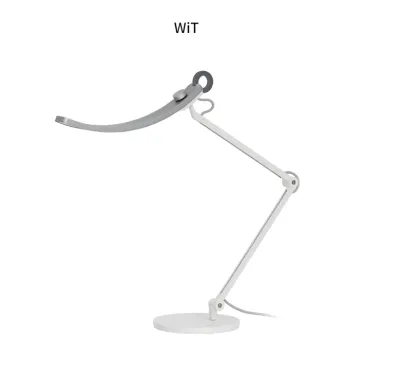
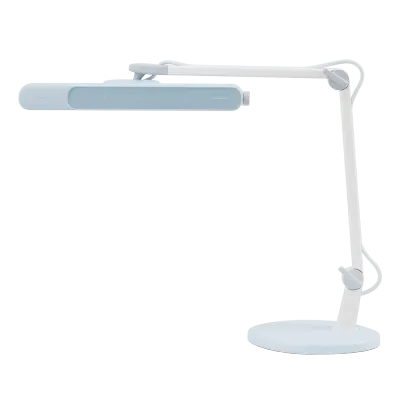
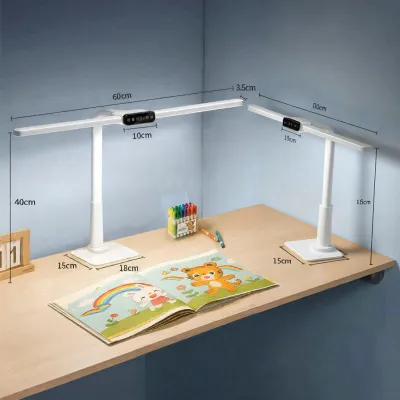
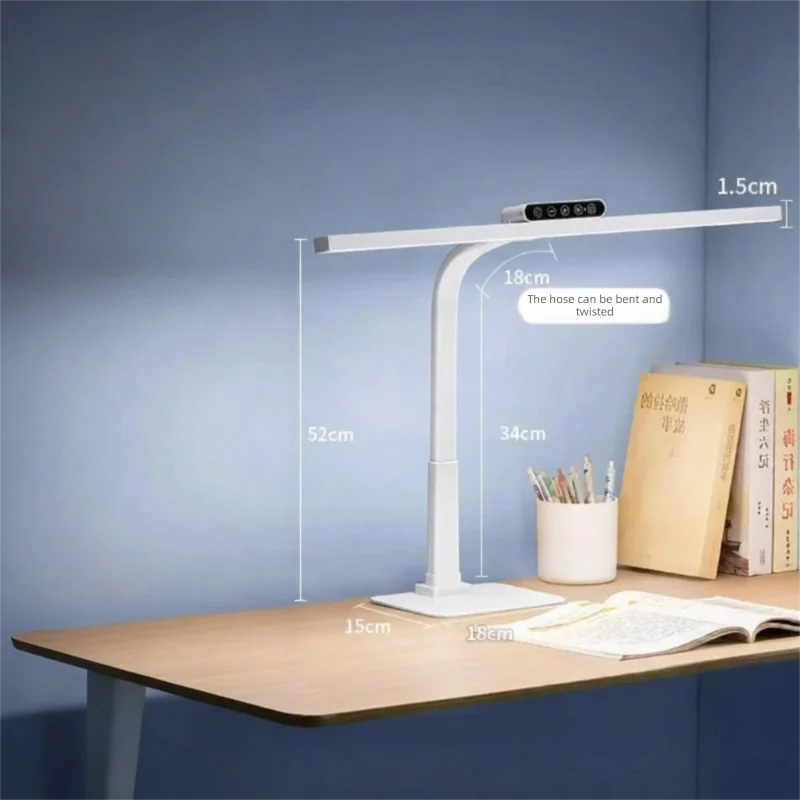
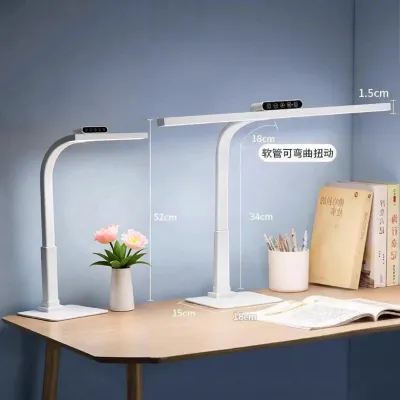
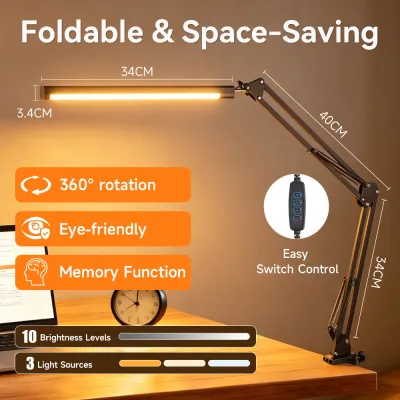
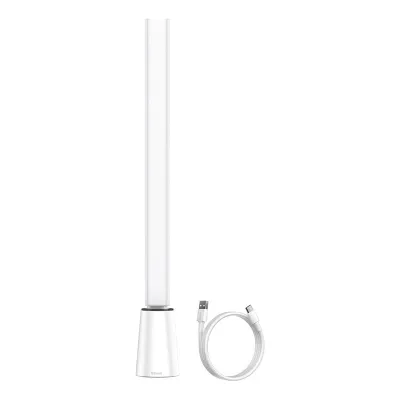
Prices are valid at publication and may change. Please refer to the product page for the latest price.
Core Criteria for Evaluating Student Study Lamps
To evaluate which study lamp brand offers the best value, students must look beyond aesthetic designs and understand the technical specifications that directly impact visual comfort during extended study sessions.
Illuminance and Uniformity
Illuminance, measured in lux, refers to the amount of light that falls on a specific surface area. For comfortable reading and writing, a study lamp should deliver between 500 to 1,000 lux on the desk surface. However, high brightness alone is insufficient; uniformity is equally critical. A lamp with poor light distribution creates harsh “hot spots” of intense light next to deep shadows, forcing the pupils to constantly dilate and contract as the eyes scan across a page. When evaluating brands, check if they provide wide, uniform light distribution across a standard desk width (typically 60 cm to 90 cm) rather than a narrow spotlight.
Color Temperature and CRI (Color Rendering Index)
Color temperature, measured in Kelvin (K), influences alertness and focus. Cooler light (around 4000K to 5000K) mimics daylight, promoting concentration and reducing drowsiness, making it ideal for intensive study sessions. Warmer light (around 2700K to 3000K) is gentler on the eyes and is better suited for relaxed evening reading. Many modern brands offer adjustable color temperatures to accommodate both needs. Alongside color temperature, the Color Rendering Index (CRI, expressed as Ra) measures how accurately a light source reveals the true colors of objects compared to natural light. For students studying detailed diagrams, art, or textbooks, a lamp with a CRI of Ra 90 or higher is highly recommended to prevent color distortion and visual fatigue.
Flicker and Blue Light Management
Invisible high-frequency flickering from low-quality LED drivers can cause headaches, eye strain, and general fatigue over time. Reliable brands obtain independent certifications to guarantee flicker-free performance. Similarly, blue light exposure—particularly in the high-energy visible (HEV) blue spectrum—can disrupt sleep cycles when studying late at night. Look for brands that carry recognized certifications, such as the TÜV Rheinland Low Blue Light and Flicker Free certifications, or compliance with IEEE 1789 standards for LED flicker safety.
Adjustability and Ergonomics
A study lamp must adapt to your physical workspace. In typical Singaporean homes, where study corners in HDB flats or shared bedrooms can be compact, a lamp with multi-axis rotation, a tilting head, and an adjustable arm is invaluable. This flexibility allows you to direct light precisely where it is needed while keeping the light source out of your direct line of sight, preventing direct glare. The base must also be heavy and stable enough to prevent tipping when the arm is fully extended.
Comparing Popular Study Lamp Brand Categories in Singapore
To help you navigate the diverse options available in Singapore, we can group the major manufacturers into three distinct categories based on their design philosophy, retail presence, and target audience.

Traditional Lighting and Home Appliance Brands
Traditional brands like Philips, Panasonic, and Osram represent the benchmark for reliability and straightforward functionality. These manufacturers have decades of experience in consumer lighting and focus on producing robust, long-lasting products.
In Singapore, these brands are widely accessible in physical retail environments, including major electronics stores like Best Denki, Harvey Norman, and Challenger, as well as local neighborhood hardware shops. This widespread availability makes it easy to inspect the build quality in person before purchasing.
The primary value proposition of traditional brands is simplicity and ease of ownership. Their lamps typically feature durable mechanical switches or simple touch sliders, minimizing the risk of electronic failure. Furthermore, purchasing from authorized local retailers ensures direct access to local customer service centers, making warranty claims and replacements straightforward if any component fails. While they may lack advanced smart home integrations, they excel at delivering consistent, flicker-free illumination at a highly competitive mid-range price point (typically ranging from S$40 to S$120).
Consumer Tech and Smart Home Brands
For students who prefer a connected, modern workspace, consumer technology brands such as Xiaomi (including its Yeelight ecosystem) and WiZ (a smart lighting brand under Signify) offer highly compelling options. These brands integrate wireless connectivity, automated sensors, and sleek, minimalist aesthetics into their designs.
The standout benefit of smart study lamps is their high feature-to-price ratio. For a price comparable to a basic traditional lamp, tech-focused brands often include features like built-in ambient light sensors that automatically adjust the lamp’s brightness based on the surrounding room light. They also offer seamless integration with smartphone apps, allowing users to customize schedules, set Pomodoro study timers, and adjust color temperatures remotely.
These brands are highly popular among tertiary students who appreciate clean, modern aesthetics and want to integrate their desk setup with broader smart home ecosystems like Google Home, Apple HomeKit, or Amazon Alexa. However, buyers should note that smart features rely heavily on stable Wi-Fi connections and companion software, which can occasionally experience connection drops or require firmware updates.
Specialized Eye-Care and Premium Brands
At the upper end of the market are specialized eye-care and premium brands like BenQ (renowned for its WiT and MindDuo series) and Dyson. These manufacturers approach desk lighting as an advanced optical science, investing heavily in research and development to optimize visual health.
A key differentiator for premium brands is the implementation of asymmetrical optical designs. Instead of casting light in a symmetrical cone that bounces off computer screens and causes blinding glare, these lamps project light at a precise angle to illuminate only the desk surface. This makes them highly effective for students who rely on dual-monitor setups, large tablets, or laptops alongside physical notebooks.
These brands also feature highly advanced auto-dimming capabilities, utilizing sensitive real-time sensors to maintain perfect lux levels across the entire desk surface. While the initial investment is significantly higher—often starting around S$150 and exceeding S$300 for premium models—the exceptional build quality, long lifespan, and advanced eye protection make them a worthwhile investment for students facing intense, multi-year academic regimes.
Essential Specifications to Verify Before Buying a Study Lamp
Before finalizing your purchase online or in-store, it is essential to verify several technical and physical specifications to ensure the lamp is safe, compatible, and suitable for your specific desk setup.
Power and Voltage Compatibility
Singapore operates on a 230V mains voltage at a frequency of 50Hz, utilizing the Type G three-pin plug. When purchasing a study lamp from cross-border e-commerce platforms, you must carefully verify that the power adapter is rated for 220V–240V. Avoid lamps designed solely for 110V markets (such as North America or Japan), as connecting them to Singapore’s grid without a heavy-duty transformer is an electrical hazard. Additionally, look for the Enterprise Singapore Safety Mark on the power adapter to ensure it has been tested and certified safe for local use.
Desk Space and Mounting Types
The physical layout of your study area should dictate the lamp’s mounting style. A freestanding lamp with a weighted base is highly versatile and easy to move, but it occupies valuable desk real estate. If you have a compact desk or a dedicated HDB study corner with limited space, consider a clamp-on model that secures to the edge of the desk, keeping the surface entirely clear. Alternatively, a monitor light bar mounts directly to the top of your computer monitor, casting light downward onto the workspace without taking up any desk space or causing screen reflections.
Control Interfaces
Consider how you will interact with the lamp during long study sessions. Physical buttons provide tactile feedback and are highly reliable, making them easy to operate in the dark. Touch-sensitive panels offer a sleek look and often allow for smooth, step-less dimming by sliding a finger. While smartphone app controls are convenient for setting schedules or automating your environment, they can sometimes be distracting during deep-focus study sessions. A study lamp with accessible, intuitive physical or touch controls on the lamp head or base is often the most practical choice for daily use.
Warranty and After-Sales Support
When comparing prices, evaluate the warranty coverage offered by the seller. Buying parallel imports from overseas sellers on online marketplaces may save you money upfront, but these products rarely come with valid local warranties. If the LED driver or power adapter fails after a few months, you may have to bear the cost of a complete replacement. Purchasing from authorized local distributors ensures you receive a valid manufacturer’s warranty (typically 1 to 3 years in Singapore), providing peace of mind and local customer support.
Decision Framework: Matching the Study Lamp to Your Routine
To simplify your decision, match your primary study habits and environment to the brand category that best addresses your needs.
- Choose a Tech Brand if: You enjoy automating your study environment, want a minimalist desk aesthetic, and appreciate features like auto-dimming and focus timers on a moderate budget (S$50 to S$100). These lamps are excellent for tech-savvy students who use a mix of laptops and notebooks.
- Choose a Traditional Brand if: You value straightforward, plug-and-play reliability, prefer physical buttons over smart apps, and want the security of buying from a local retail store with easy warranty support. This is the safest choice for younger students or those seeking a highly durable, fuss-free lamp.
- Choose a Premium Eye-Care Brand if: You spend many hours reading physical textbooks, suffer from frequent eye strain, or use a dual-screen setup that requires precise, glare-free asymmetrical lighting. The higher upfront cost is a long-term investment in your visual comfort and health.
- Verify First if: You are purchasing from online marketplaces. Always check that the power adapter is rated for 230V, features a compatible plug type, and carries local safety certifications to guarantee safe operation in your home.
Frequently Asked Questions (FAQ)
Do I need a specialized eye-care lamp for screen-based studying?
If your study routine relies heavily on a computer monitor or laptop, standard desk lamps can cast light directly onto the screen, causing reflections and glare that lead to digital eye strain. In this scenario, a specialized eye-care lamp or a monitor light bar with an asymmetrical optical design is highly beneficial. These devices direct light downward at an angle, illuminating your keyboard and desk surface while completely avoiding the screen. However, if you primarily study from physical textbooks and paper notebooks, a high-quality symmetrical study lamp with a wide, uniform light distribution is perfectly adequate.
Are smart study lamps worth the extra cost for students?
Smart study lamps offer excellent value if you actively use their automated features, such as built-in ambient light sensors that adjust brightness dynamically as daylight fades. Features like scheduled break reminders (Pomodoro timers) can also support healthy study habits. However, if you prefer to manually set your brightness and color temperature and do not want to manage another device via a smartphone app, the smart connectivity may go unused. In that case, a traditional lamp of equivalent optical quality will offer better value and simpler operation.
How can I verify if a lamp is truly flicker-free?
The most reliable way to verify flicker-free performance is to look for independent third-party certifications on the product packaging or manufacturer’s specification sheet, such as the TÜV Rheinland Flicker Free certification or compliance with the IEEE 1789 standard. For a quick, non-definitive test at home, you can open your smartphone camera app, point it at the light source, and look at the screen. If you see dark, moving horizontal bands across the display, the lamp is experiencing visible or high-frequency flickering. A stable, flicker-free lamp will show a clear, consistent light output on your camera screen.
Community discussion
Share your experience or ask a question. Comments are reviewed before publication.