
Preparing for unexpected power outages, tripped circuit breakers, or emergency evacuations in Singapore’s Housing & Development Board (HDB) flats requires a dependable, immediate light source. While standard household flashlights often fail due to battery leakage, fragile plastic construction, or rapidly declining output, a high-quality tactical torch offers the robust build, reliable power management, and precise beam control needed to navigate high-density residential spaces safely. Brands like Fenix, Olight, and Nitecore stand out as the top choices for HDB emergency kits, each offering distinct advantages in battery systems, interface simplicity, and physical durability.
Selecting the right tactical torch involves understanding how these devices operate under stress and within the unique architectural layout of Singapore public housing. High-rise estates present specific challenges during localized blackouts, such as windowless concrete stairwells and long, dark corridors. A standard smartphone light or a cheap utility flashlight simply cannot provide the sustained brightness or throw required to navigate these environments safely. By investing in a dedicated tactical torch, you ensure that your household is equipped with a tool designed to operate reliably when primary power systems fail.
Why a Tactical Torch is Essential for HDB Emergency Kits
Singapore’s HDB estates are masterfully planned, but localized electrical faults can still plunge an entire household or block into sudden darkness. Common scenarios include a tripped residual current circuit breaker (RCCB) within your flat’s distribution board (DB) box, localized power grid maintenance issues, or broader estate-wide blackouts. In more serious scenarios, such as a building fire or utility failure, residents may need to evacuate down multiple flights of concrete stairwells. Because these stairwells are designed to be fire-isolated and windowless, they become pitch black when emergency backup lighting fails or is insufficient, making a powerful, reliable light source a critical safety tool.
Products mentioned in this guide
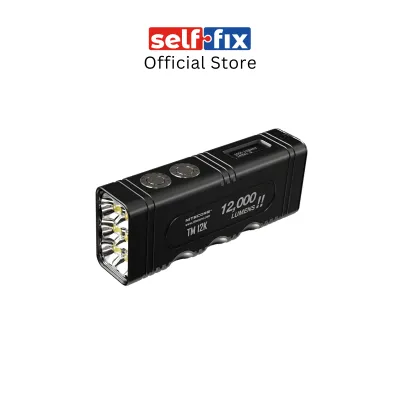
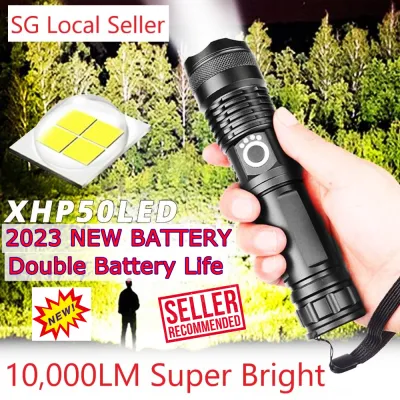
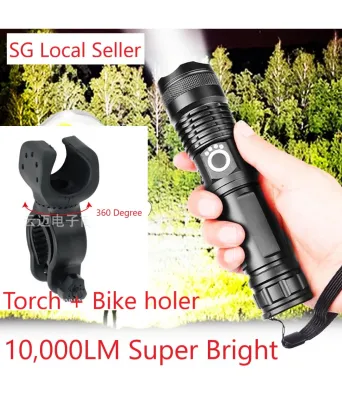
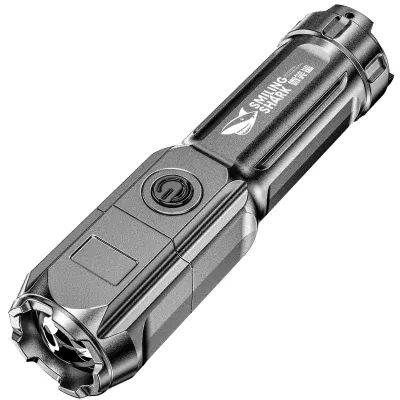
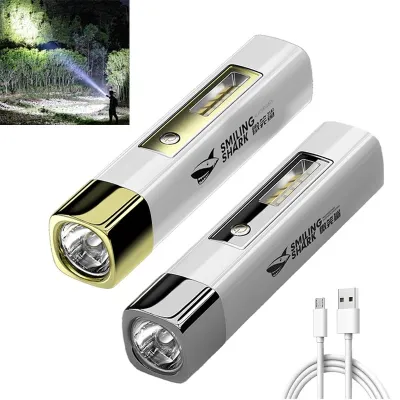
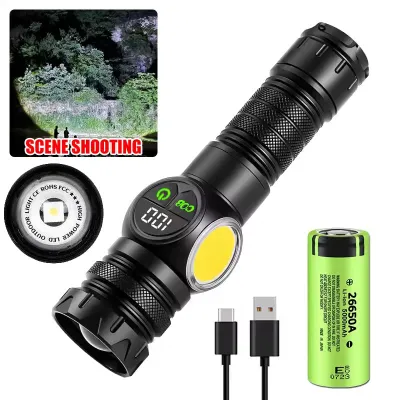
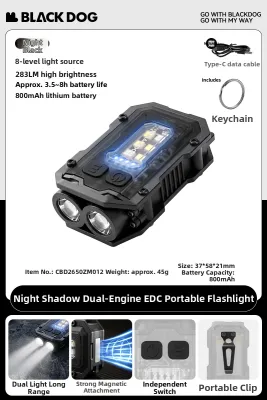
Prices are valid at publication and may change. Please refer to the product page for the latest price.
Generic household flashlights are typically constructed from thin plastics or low-grade metals that degrade over time. They often utilize cheap slide switches that are prone to contact failure, and their basic LED drivers allow the light output to drop continuously as the batteries drain. In contrast, a tactical torch is engineered for high-stress environments. Built from aircraft-grade aluminum with Type III hard-anodized finishes, these devices withstand significant impacts, resist water intrusion, and feature advanced electronic drivers that maintain a constant, regulated level of brightness until the battery is depleted.
Storage and spatial constraints within modern HDB flats also dictate the type of emergency gear you should keep. With limited square footage, bulky emergency lanterns are often tucked away in deep cabinets where they are difficult to access in a hurry. A tactical torch provides an exceptional lumen-to-size ratio, allowing you to store it in highly accessible, compact locations. Whether kept in a bedside drawer, mounted near your DB box, or packed into a dedicated grab-and-go emergency bag, its compact form factor ensures it is always within arm’s reach when a crisis occurs.
Core Specifications to Evaluate Before Buying
Beam Profile and Output
When evaluating a tactical torch, look beyond raw lumen numbers and consider the relationship between lumens (total light output) and candela (beam intensity). For HDB indoor navigation, a pure “thrower” beam with high candela and a tight, narrow spotlight is counterproductive, as it creates an intense, blinding hotspot on white plaster walls and highly reflective tiled floors. Conversely, a pure floodlight may lack the reach required to illuminate a long HDB corridor or a deep stairwell. Seek a torch with a balanced beam profile—often achieved via an orange-peel reflector or a Total Internal Reflection (TIR) lens—which provides a clear central hotspot for distance alongside a wide, soft spill for peripheral vision.

Power Source and Battery Management
Your choice of power source directly impacts how much maintenance your emergency kit requires. High-performance tactical torches typically run on rechargeable lithium-ion cells, such as 18650 or 21700 batteries, which offer high energy density and excellent runtime. If you choose a rechargeable system, verify if the torch features integrated USB-C charging or requires an external charger, and ensure you use certified charging adapters to prevent electrical hazards. For users who prefer a “set-and-forget” approach, look for torches compatible with CR123A lithium batteries; these have a shelf life of up to ten years and do not leak, unlike standard alkaline AA or AAA batteries which can corrode and ruin your device during long-term storage.
Size and Ergonomics
An emergency light must be easy to operate in complete darkness. Look for a tactical torch with a diameter of approximately 2.5 to 3.5 centimeters and a length under 15 centimeters, as this size fits comfortably in the hand and is easy to store. The body should feature aggressive knurling or textured patterns to prevent slipping if your hands are wet or sweaty. Additionally, evaluate the switch interface: tail-cap switches are highly favored for emergency use because they can be located instantly by feel, whereas side-switches often require you to rotate the torch in your hand to find the button, which can be frustrating in a sudden blackout.
Durability Labels
Because HDB flats predominantly feature hard flooring materials like ceramic tiles, vinyl, or polished concrete, dropping a fragile light can easily shatter its lens or break its internal circuitry. Before buying, verify the manufacturer’s official specifications for impact resistance, looking for models rated to withstand drops of at least 1.5 to 2 meters. Furthermore, check the Ingress Protection (IP) rating; an IP68-rated torch is dust-tight and capable of continuous immersion in water, ensuring that high tropical humidity or accidental exposure to water will not cause the device to short-circuit.
Reliable Tactical Torch Brands to Consider
Fenix
Fenix has established a global reputation for manufacturing highly durable, industrially engineered lighting tools that prioritize straightforward functionality. Their design philosophy focuses on ruggedness, utilizing thick-walled aluminum housings and heavy-duty springs that absorb physical shocks. For HDB residents, Fenix torches are highly appealing because they offer consistent performance without unnecessary aesthetic frills, making them exceptionally reliable during unexpected power outages.
Many Fenix models are designed to be highly versatile, supporting dual-fuel capabilities where the torch can run on a high-capacity rechargeable lithium-ion battery or standard CR123A lithium cells. This compatibility is highly advantageous for emergency preparedness, allowing you to keep the rechargeable battery in daily use while storing a pack of CR123As nearby as a long-term backup power source. Their user interfaces are typically mechanical and intuitive, reducing the risk of accidental setting changes when you need light immediately.
However, some of Fenix’s dedicated tactical models can be relatively heavy and bulky due to their reinforced construction. If you are planning to store the torch in a small bedside drawer or a compact emergency pouch, verify the physical dimensions and weight of the model before purchasing. Additionally, ensure that the specific model you choose includes a battery with a built-in safety circuit, as some high-drain Fenix models require specialized button-top cells rather than flat-top batteries to operate safely.
Olight
Olight is widely recognized for its focus on compact, highly ergonomic designs, modern aesthetics, and user-friendly charging ecosystems. Their torches often feature advanced TIR optics that deliver a highly clean, artifact-free beam, making them excellent for close-to-medium-range indoor lighting. For HDB residents who appreciate clean storage solutions and modern technology, Olight offers a highly polished user experience.
A standout feature of many Olight tactical models is their proprietary magnetic charging system. This system allows you to snap a magnetic charging cable onto the tail-cap of the torch without needing to plug in a cable or remove the battery. You can easily mount a magnetic charging dock on a metal surface near your DB box or entryway, ensuring the torch remains fully charged and acts as an easily accessible beacon during a sudden power failure.
Despite these conveniences, the reliance on a proprietary magnetic charging system introduces specific trade-offs. If the proprietary cable is misplaced or damaged, you cannot recharge the torch using standard USB-C cables, which could be a vulnerability during an extended, multi-day emergency. Furthermore, many Olight models require proprietary customized batteries to enable the tail-cap charging feature. When purchasing, check the manufacturer’s guidelines regarding battery storage, and avoid leaving the lithium battery completely discharged for long periods to prevent premature capacity degradation.
Nitecore
Nitecore is known for integrating cutting-edge technology, lightweight materials, and highly precise power management features into their tactical torches. They frequently utilize advanced materials like carbon fiber composites and specialized aluminum alloys to minimize weight while maintaining structural integrity. This makes Nitecore an excellent choice for residents who want to build a lightweight, highly optimized emergency grab-bag.
Many Nitecore models feature innovative digital interfaces, including small OLED screens that display real-time information such as battery voltage, remaining runtime in hours and minutes, and the active lumen output. This level of precision eliminates the guesswork of emergency planning, allowing you to manage your power consumption accurately during a prolonged blackout. Their tactical models also frequently feature dedicated strobe modes designed to disorient intruders or signal for help during an evacuation.
On the other hand, the addition of digital screens, multiple electronic switches, and complex programming modes can make the user interface more complicated to navigate than a traditional mechanical switch. In a high-stress scenario, a complex UI can lead to accidental mode switching or unintended activation of high-intensity modes. To mitigate this risk, select a model with a reliable physical or electronic lockout function to prevent the torch from turning on accidentally while stored, and familiarize yourself with the button sequences before an emergency occurs.
Maintenance and Storage Best Practices for HDB Homes
To ensure your tactical torch performs flawlessly when an emergency strikes, you must establish a routine maintenance and storage schedule. Singapore’s tropical climate, characterized by high relative humidity that frequently exceeds 80%, presents a challenging environment for electronic devices. High humidity can accelerate the oxidation of electrical contacts and cause rubber seals to degrade prematurely if they are not properly maintained.
- Battery Care and Leak Prevention: If your chosen torch utilizes disposable alkaline batteries (such as standard AA or AAA cells), never store the torch with the batteries installed. Over time, alkaline batteries naturally self-discharge and are highly prone to leaking potassium hydroxide, which will corrode the interior of the torch and permanently destroy the electronics. For torches utilizing rechargeable lithium-ion batteries, perform a top-up charge every three to six months. Storing lithium-ion batteries at absolute zero or at 100% capacity for years without use can degrade their overall lifespan; aim to store them at approximately 50% to 70% charge if they are kept in long-term storage.
- Optimizing the Storage Environment: Avoid storing your emergency torch in high-humidity or high-heat areas of your HDB flat, such as under-sink cabinets, bathrooms, or unshaded service yards. Instead, store the torch in a cool, dry, and easily accessible location, such as a dedicated emergency drawer in your living room or bedroom. Keeping the torch inside a sealed plastic container with a few silica gel packets is an excellent way to protect the electrical contacts from moisture and oxidation.
- Routine Inspection and Mechanical Care: Set a recurring calendar reminder every six months to perform a quick visual and functional check of your torch. Unscrew the tail-cap and wipe down the threads with a clean microfiber cloth to remove dirt and oxidized metal particles. Apply a thin layer of high-quality silicone grease to the rubber O-rings to maintain their water-resistant seal. Finally, turn the torch on and cycle through all brightness modes to verify that the switch responds correctly and that the LED driver is functioning as expected.
Frequently Asked Questions (FAQ)
Is a tactical torch too bright for indoor HDB use?
While modern tactical torches are capable of producing extremely high light outputs—often ranging from 1,000 to over 3,000 lumens—they are not too bright for indoor use if operated correctly. Activating a 2,000-lumen turbo mode in a small HDB room with light-colored walls and polished flooring will create intense, blinding glare that can temporarily impair your night vision. However, reputable tactical torches feature multiple output levels, allowing you to select a low setting of 10 to 50 lumens or a medium setting of 150 to 300 lumens, which are perfect for comfortable indoor navigation. Reserve the high and turbo modes for outdoor signaling, searching large open areas, or navigating dark concrete stairwells during an evacuation.
Can I use a tactical torch as my primary power outage light?
A tactical torch is an indispensable tool for emergency movement and task-specific illumination, but it is not ideal as the sole, primary light source for an entire room during a prolonged power outage. Tactical torches are designed to project a focused, directional beam of light. To illuminate a room effectively with a torch, you must either hold it constantly or stand it on its tail-cap to bounce the light off the ceiling (a technique known as tail-standing). For comprehensive emergency preparedness, it is highly recommended to pair your tactical torch with an omnidirectional emergency lantern or a specialized silicone diffuser cone that slips over the head of your torch, converting the focused beam into soft, 360-degree ambient light.
Community discussion
Share your experience or ask a question. Comments are reviewed before publication.