
When searching for the best value in solar powered garden lights for your Singapore home, the most cost-effective choice is rarely the cheapest one. True value lies in finding lights that can survive intense equatorial UV rays, heavy tropical downpours, and the unique shading challenges of high-density urban living. While a low-cost set might seem appealing on an online marketplace, it often fails within a few months due to water ingress or rapid battery degradation, resulting in higher long-term replacement costs.
To make an informed purchase, you must evaluate how a brand balances solar panel conversion efficiency, battery chemistry, and structural weatherproofing against your specific outdoor layout. Whether you are illuminating a fully exposed garden in a landed estate or adding ambient glow to a sheltered HDB balcony, understanding these technical trade-offs is key to selecting a lighting system that lasts. This guide breaks down the essential performance metrics, compares the major brand tiers available in Singapore, and provides actionable advice to maximize your investment.
What Defines True Value in Solar Fairy Lights?
Evaluating “value” in outdoor solar lighting requires looking beyond the initial price tag. In Singapore’s demanding climate, a product’s lifespan is the ultimate metric of its worth. A premium set of solar powered garden lights costing S$40 that operates reliably for three years provides far better value than a S$10 budget set that requires replacement every four months. Frequent failures not only increase your overall expenditure but also generate unnecessary electronic waste.
Products mentioned in this guide
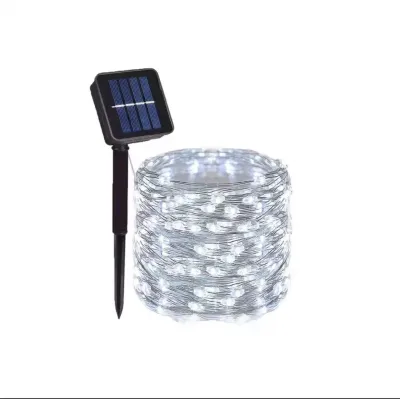
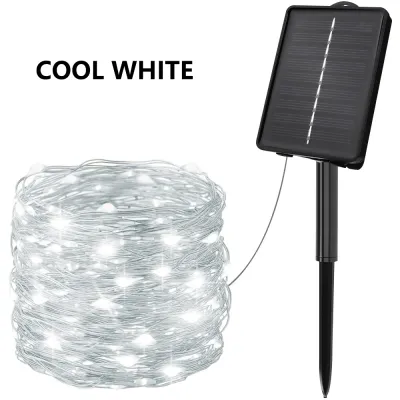
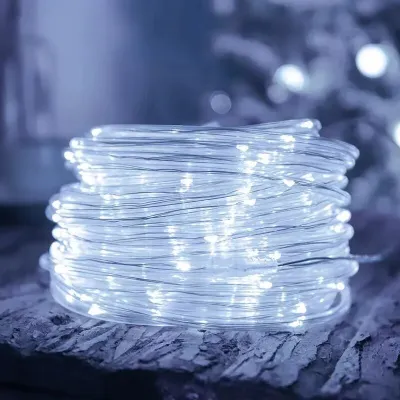
Prices are valid at publication and may change. Please refer to the product page for the latest price.
The build quality of the internal components directly dictates this longevity. High-quality solar cells, robust battery management systems, and durable wiring ensure the lights charge efficiently and discharge safely night after night. When these elements are compromised to achieve a lower retail price, performance suffers, leading to dim LEDs, short runtimes, and eventual electrical failure.
Your specific outdoor environment should guide your decision-making framework. A fully exposed garden requires maximum weather protection and UV resistance, making premium, highly durable brands the logical choice. Conversely, a deeply recessed HDB balcony or a covered patio presents a different challenge: limited direct sunlight. In these sheltered spaces, value is defined by solar panel efficiency or the availability of hybrid charging options, rather than extreme waterproofing. Matching the product’s engineering to your microclimate ensures you do not overpay for unnecessary features or underinvest in crucial protections.
Key Specifications to Compare Across Brands
To cut through marketing claims, you must compare concrete, verifiable technical specifications. Brands often use vague terminology to describe their products, but analyzing the underlying components allows you to predict real-world performance accurately.

LED Quality and Brightness Output
When assessing brightness, do not rely solely on the total number of LEDs on a string. A set with 200 low-quality diodes can easily be outshone by a 50-LED set equipped with high-efficiency, premium chips. Look for brands that specify the lumen output of the entire string or individual bulbs to gauge the actual light intensity.
Color temperature is a crucial specification that shapes the visual atmosphere of your outdoor space. This is a matter of conditional personal preference rather than a strict measure of quality:
- Warm White (2700K to 3000K): Emits a soft, golden glow that is ideal for creating a relaxing, cozy ambiance in dining areas, patios, and quiet garden corners.
- Cool White (5000K to 6500K): Provides a bright, crisp light that enhances visibility and contrast, making it suitable for pathway safety, security lighting, or highlighting structural garden features.
- Multicolor (RGB): Offers dynamic color-changing options, which are highly popular for festive occasions, parties, and vibrant holiday displays.
Additionally, check if the brand uses high-quality driver chips within the solar controller. Superior drivers ensure a consistent, flicker-free light output. Cheaper models often exhibit visible micro-flickering, particularly when the battery level drops, which can cause eye strain and detract from the overall aesthetic.
When selecting solar lights that feature hybrid charging (such as USB backup charging), always verify the input voltage and wattage limits specified by the manufacturer to prevent overcharging. Ensure the system carries recognized electrical safety certifications (such as international CE, RoHS, or local safety markings where applicable) to guarantee the control circuitry is protected against short circuits and thermal runaway.
Battery Capacity and Solar Panel Efficiency
The power system is the heart of any solar light, determining how long the display remains illuminated after sunset. You should pay close attention to both the battery chemistry and the solar panel type:
- Lithium-ion (Li-ion) Batteries: Often utilizing 18650 or 14500 cylindrical cells, these batteries offer high energy density, support hundreds of charge-discharge cycles, and retain their capacity well over time. They are standard in professional-grade and smart solar lights.
- Nickel-Metal Hydride (NiMH) Batteries: Commonly found in AA or AAA formats within budget-friendly lights, NiMH batteries are less expensive but have a lower energy density and tend to degrade faster under high ambient temperatures.
- Monocrystalline Solar Panels: Recognizable by their dark, uniform appearance, these panels boast the highest conversion efficiency (typically 15% to 22%). They are essential in Singapore, where frequent cloud cover and high-rise shading require the panel to generate maximum power from limited or diffused sunlight.
- Polycrystalline Solar Panels: These have a speckled blue appearance and are cheaper to produce, but their lower efficiency (typically 13% to 16%) means they require larger surface areas and longer exposure to direct sunlight to achieve the same charge.
Always cross-reference the manufacturer’s claimed runtime against the battery’s milliampere-hour (mAh) rating. A small 600mAh NiMH battery is highly unlikely to power a 100-LED string for 10 hours, regardless of what the packaging claims. Realistic runtimes for standard consumer sets typically range from 6 to 8 hours on a full charge.
Build Materials and Wire Durability
The physical construction of the wiring and housing determines how well the lights tolerate handling and environmental stress.
- Copper Wiring: High-quality fairy lights feature multi-strand copper wire coated in a flexible, UV-resistant protective polymer. Copper is highly conductive, flexible enough to wrap tightly around tree trunks or balcony railings, and holds its shape well without snapping under mild tension.
- Standard PVC-Coated Wiring: Budget options often use thin, stiff plastic-coated wires. Under Singapore's intense equatorial sun, non-UV-stabilized PVC quickly becomes brittle, cracks, and allows moisture to reach the internal copper core, causing rapid corrosion and short circuits.
- Housing Materials: The casing protecting the solar panel, battery, and control circuitry must be robust. Look for high-impact ABS plastic or aluminum housings with secure, rubber-gasketed seals. Cheap plastics will warp and discolor when exposed to continuous sunlight, eventually compromising the watertight seal and ruining the electronics.
Weather Resistance: Surviving Singapore's Tropical Climate
Singapore’s climate presents a hostile environment for outdoor electronics. High relative humidity, heavy monsoon downpours, and intense UV radiation will quickly expose any weaknesses in a product’s design. To ensure your solar powered garden lights survive year-round exposure, you must understand standard weatherproofing metrics.
The Ingress Protection (IP) rating is the international standard used to define sealing effectiveness. It consists of two digits: the first measures protection against solid objects (0 to 6), and the second measures protection against liquids (0 to 9).
- IP44 Rating: This indicates protection against solid objects larger than 1mm and splashes of water from any direction. While suitable for semi-sheltered areas like covered HDB balconies or deep patios, IP44 lights should not be placed in fully exposed garden areas where they will face heavy, driving rain.
- IP65 Rating: This represents a dust-tight construction that is fully protected against water jets from any angle. This is the recommended baseline for any permanent, fully exposed outdoor installation in Singapore, as it easily withstands intense monsoon downpours.
- IP67 and IP68 Ratings: These ratings indicate protection against temporary or continuous immersion in water. While rarely necessary for hanging fairy lights, these ratings are crucial for ground-level pathway lights or spotlighting features that may experience temporary pooling water during heavy storms.
Beyond water resistance, UV degradation is a major cause of premature failure. The protective laminate on cheap solar panels is often made of Polyethylene Terephthalate (PET), which yellows and clouds over when exposed to intense UV rays. This clouding blocks sunlight from reaching the solar cells, permanently reducing charging efficiency. High-quality brands utilize tempered glass or Ethylene Tetrafluoroethylene (ETFE) coverings, which remain perfectly clear and structurally sound even after years of equatorial sun exposure.
Always read product packaging carefully to distinguish between vague marketing terms like “water-resistant” and verified “waterproof” ratings. If a product label lacks an official IP rating, it is safest to assume it is only suitable for dry or highly sheltered environments.
Comparing Brand Tiers for Your Outdoor Space
To find the best value, it is helpful to categorize the market into three distinct brand tiers. Each tier serves a different purpose, balancing performance, features, and cost in unique ways.
Professional Outdoor Lighting Brands
Professional-grade brands focus heavily on durability, electrical safety, and consistent long-term performance. These products are engineered for permanent outdoor installation and often feature premium monocrystalline panels, high-capacity Lithium-ion batteries, and heavy-duty, UV-stabilized materials. Many of these systems feature modular designs, allowing you to position the solar panel several meters away from the light string to capture optimal sunlight.
These brands are best suited for landed property gardens, exposed patios, commercial outdoor spaces, and permanent landscape designs. While the initial cost is higher—typically ranging from S$40 to over S$100 per set—the trade-off is highly favorable. Their superior build quality translates to a lifespan of three to five years, significantly reducing maintenance hassle and long-term replacement costs.
Smart Home and Tech Ecosystem Brands
Smart lighting brands integrate solar fairy lights into modern home automation networks. These lights feature built-in Bluetooth or Wi-Fi connectivity, allowing you to control them via smartphone applications, customize color profiles, sync the lights to music, and set automated schedules.
These systems are ideal for tech-savvy homeowners, modern HDB balcony setups, and dedicated outdoor entertainment areas. However, there is a notable trade-off: the wireless communication chips and advanced control modules draw continuous standby power. To support this extra energy consumption, these brands must equip their units with larger solar panels and high-capacity batteries. If you choose a smart solar set, ensure the panel is placed in an optimal, unshaded location to prevent premature battery depletion.
Budget-Friendly and Marketplace Brands
Budget brands dominate online marketplaces, offering high LED counts and long wire lengths at highly accessible price points, usually between S$5 and S$15. These sets typically feature basic polycrystalline panels, small NiMH batteries, and simple, pre-set flashing modes.
These lights are best used for temporary festive decorations (such as Christmas, Deepavali, or Hari Raya), short-term events, or highly sheltered environments like covered HDB corridors and deep balconies. The trade-off for the low price is a significantly shorter lifespan. These products often have lower weatherproofing standards (IP44 or unrated), thin PVC wiring that is prone to snapping, and batteries that degrade within three to six months of continuous outdoor use.
Maximizing Performance: Placement and Maintenance
Even the highest-quality solar powered garden lights will underperform if they are installed incorrectly or neglected. To get the best possible return on your investment, follow these practical installation and maintenance guidelines.
- Strategic Placement: The solar panel must receive direct, unshaded sunlight for at least 6 to 8 hours daily to achieve a full charge. In Singapore's dense urban environment, this can be challenging. Avoid placing the panel under the shadow of HDB corridor ceilings, neighboring high-rise blocks, dense tree canopies, or roof overhangs. If your garden or balcony is partially shaded, utilize brands that offer detachable solar panels with long extension cords, allowing you to mount the panel on a sunny rooftop or railing while keeping the lights in the shade.
- Routine Maintenance: Over time, a fine layer of dust, urban soot, pollen, and bird droppings will accumulate on the solar panel surface. This debris blocks sunlight and can reduce charging efficiency by 20% or more. Every few weeks, gently wipe the panel surface with a soft, damp microfiber cloth. Never use abrasive scrubbing pads, steel wool, or harsh chemical detergents, as these can scratch the protective laminate or glass, permanently scattering incoming sunlight and reducing efficiency.
- Battery Care and Storage: If you need to store your lights during extended periods of non-use—such as during a long overseas trip or when changing seasonal decorations—turn off the power switch to prevent the battery from discharging completely. Deep discharge can permanently damage Lithium-ion and NiMH batteries, preventing them from holding a charge in the future. If your lights have an accessible battery compartment, remove the batteries before storing the unit in a cool, dry place to eliminate the risk of chemical leakage and terminal corrosion.
- Installation Safety: If your installation requires hanging fairy lights at significant heights, suspending them across large spans under tension, or routing wiring near outdoor heat sources, prioritize safety. Always isolate any connected power sources before installation, follow the manufacturer's mounting instructions carefully, and consult a qualified professional installer for high-up or complex structural setups to avoid fall hazards or damage to your property.
Frequently Asked Questions (FAQ)
Do solar fairy lights work on cloudy or rainy days?
Yes, solar panels can still absorb diffused sunlight on cloudy or rainy days, but their charging efficiency is significantly reduced. On a heavily overcast day in Singapore, the solar panel may only generate a fraction of its normal power output. As a result, the battery will not reach a full charge, and the lights will run for a much shorter duration at night—often only 1 to 2 hours compared to the standard 6 to 8 hours achieved after a bright, sunny day.
Can I replace the batteries in solar fairy lights?
Whether you can replace the batteries depends entirely on the product’s design. Premium and professional-grade brands often feature accessible battery compartments secured by screws and rubber gaskets, allowing you to easily replace the rechargeable cells (usually standard AA NiMH or 18650 Li-ion batteries) once they degrade. Conversely, many budget-friendly models are completely sealed or glued shut to minimize manufacturing costs and maintain basic water resistance. Once the battery in a sealed unit fails, the entire product must be replaced. Always check the manufacturer’s specifications before purchasing if long-term battery serviceability is important to you.
Are solar fairy lights safe to leave outside all year round?
It is only safe to leave solar fairy lights outside year-round if they carry a verified weatherproofing rating of IP65 or higher and are constructed from UV-stabilized materials. High-quality models are designed to withstand continuous exposure to heavy rain, humidity, and sun. However, budget-friendly lights with IP44 ratings or unrated enclosures should be brought indoors or moved to fully sheltered areas during intense monsoon seasons. Prolonged exposure to standing water or extreme humidity can cause moisture to slowly seep into lower-grade seals, leading to internal corrosion, short circuits, and premature product failure.
Community discussion
Share your experience or ask a question. Comments are reviewed before publication.