
Choosing the right wall decoration frame style for your artwork is the defining step in transforming a simple print, painting, or photograph into a striking focal point for your home. In Singapore’s diverse residential spaces—ranging from compact HDB flats to airy condominiums—the frame serves as a crucial visual bridge, balancing the scale of the artwork with the room’s interior architecture. By matching the structural profile, material, and depth of a frame to the specific medium of your art, you ensure that the piece is both visually elevated and physically protected against environmental wear.
To achieve a balanced look, you must first evaluate the visual weight of both the artwork and the frame. Visual weight refers to how much attention an object commands; a bold, highly textured oil painting carries significant visual weight and requires a frame that can match its presence without being swallowed up. Conversely, a delicate watercolor or a minimalist line drawing has a lighter visual presence, meaning a heavy, ornate frame would quickly overpower it. The goal is to create a harmonious transition where the frame defines the boundaries of the art while complementing its core design elements.
Color theory and material contrast play equally critical roles in this selection process. For artwork featuring cool tones like blues, grays, and whites, sleek metallic frames in brushed silver or matte black provide a clean, cohesive boundary. Warm-toned art, such as sun-drenched landscapes or earthy abstracts, pairs naturally with the organic textures of natural wood frames. Introducing contrast can also be highly effective: placing a vibrant, modern graphic print inside a simple, dark wood frame can ground the piece, preventing it from looking too clinical or cold.
Products mentioned in this guide

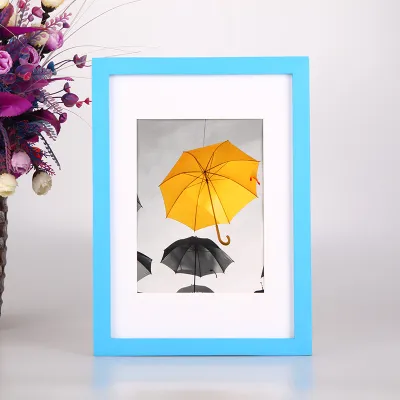
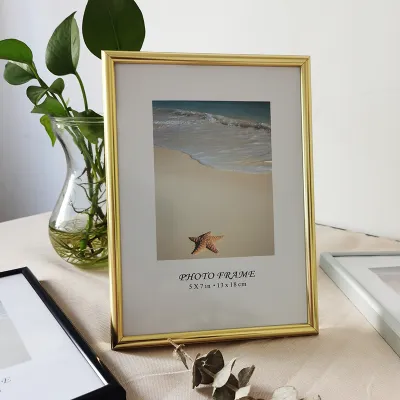
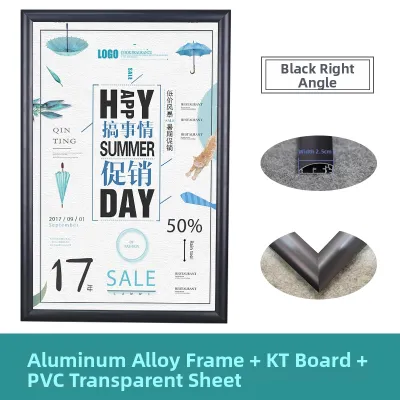
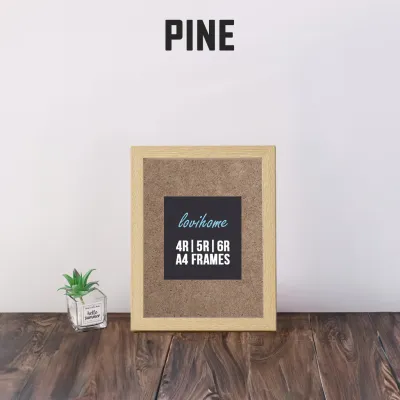


Prices are valid at publication and may change. Please refer to the product page for the latest price.
Understanding the primary framing styles is essential before making a purchase. The most common options include modern minimalist frames, classic wood or textured profiles, floating frames, and structured gallery wall arrangements. Each style offers distinct aesthetic and structural benefits, serving different artistic mediums. Selecting the right one requires looking at the artwork’s physical form—whether it is flat paper, stretched canvas, or a three-dimensional mixed-media piece—and determining how much structural support it needs.
Beyond aesthetics, a high-quality frame acts as a protective shield. This is where matting, or the passe-partout, becomes invaluable. A matboard is a cardboard-like border that sits between the artwork and the glazing (glass or acrylic). Visually, it provides essential breathing room, drawing the eye inward and preventing the art from feeling cramped. Structurally, it creates a vital air gap that keeps the delicate surface of prints and photographs from pressing directly against the glass, which can lead to permanent damage over time.
Recommended Frame Styles for Specific Art Types
Different artistic mediums demand different framing approaches to showcase their unique textures, colors, and physical structures. Matching the frame style to the specific art type ensures that the inherent qualities of the medium are highlighted rather than obscured.
Modern Minimalist Frames for Prints and Posters
For contemporary graphic prints, movie posters, typography, and digital illustrations, thin-profile modern minimalist frames are the premier choice. Typically constructed from lightweight aluminum or high-quality engineered composites, these frames feature ultra-slim borders that measure between 5mm and 15mm in width. This narrow profile ensures that the frame does not compete with the bold lines and vibrant colors of modern graphic art, keeping the viewer’s focus entirely on the artwork’s geometry.
Clean lines and neutral finishes are the hallmarks of this framing style. Matte black, crisp satin white, and brushed metallic tones like silver or pale gold work exceptionally well. These neutral borders act as a clean boundary, helping to define the artwork against your wall without introducing distracting textures. They are particularly suited for modern Singaporean interiors, such as those styled around Scandinavian, industrial, or minimalist design themes.
However, modern minimalist frames carry distinct structural limitations. Because of their thin profiles and shallow depths, they lack the structural space and strength required to house heavy, stretched canvases or deeply textured oil paintings. Attempting to force a thick canvas into a slim metal frame can bend the frame corners or leave the back of the artwork unprotected and exposed to dust and pests.
To elevate a simple print within a minimalist frame, always utilize a wide matboard. A generous mat border—measuring anywhere from 5cm to 8cm on all sides—prevents bold, high-contrast graphic prints from looking cramped or cheap. The wide border adds an elegant, gallery-like scale to the presentation, making even a standard-sized poster look like a custom, curated piece of fine art.
Classic Wood and Textured Frames for Paintings
Traditional oil, acrylic, and watercolor paintings possess physical depth, visible brushstrokes, and rich textures that require a frame with equal character. Solid wood, high-quality wood veneers, or subtly textured faux-wood frames are the ideal match for these mediums. The organic variations in wood grain and the warmth of natural timber finishes complement the hand-painted nature of the art, adding a layer of craftsmanship that matches the artwork itself.
Wood frames are highly versatile and can be selected to enhance specific interior design styles. Rich, dark timbers like walnut or mahogany bring out the deep, dramatic tones of traditional oil portraits and classical landscapes, making them perfect for transitional or colonial-inspired homes. Lighter woods, such as white oak, ash, or maple, pair beautifully with soft watercolors and modern abstract paintings, aligning seamlessly with cozy, light-filled Japandi or mid-century modern spaces.
When framing a painted canvas, using a liner frame—often referred to as a linen liner—is an excellent way to transition between the artwork and the outer frame. A liner is a fabric-wrapped or painted wooden insert that sits inside the main frame, acting as a soft, non-reflective border. This element provides a visual resting point, allowing the eye to adjust from the rich textures of the paint to the solid structure of the outer wooden frame.
While ornate frames can look spectacular, it is important to exercise caution with highly reflective or heavily carved gold frames in smaller modern spaces. In a standard HDB living room or a compact condominium, an overly elaborate baroque frame can easily overwhelm the room, clashing with clean-lined furniture and making the living space feel visually cluttered and claustrophobic. Opt instead for simplified classic profiles with clean bevels or subtle textures.
Floating Frames for Canvas and Fine Art Photography
Floating frames, also known as canvas floaters, offer a premium, gallery-style presentation that is highly favored for modern fine art. The mechanism of a floating frame is unique: the artwork is mounted from the back, leaving a visible gap—usually between 5mm and 10mm—between the outer edge of the artwork and the inner border of the frame. This design makes the artwork appear to float effortlessly within the frame, suspended without touching the sides.
This style is the absolute top recommendation for gallery-wrapped canvases and high-end, face-mounted acrylic fine art photography. Because the frame does not overlap the front of the artwork, every single inch of the image remains visible. This is particularly crucial for canvases where the painting or image wraps around the sides, as a traditional frame would cut off these important edge details.
The shadow gap created by a floating frame adds a stunning three-dimensional depth to your wall. This dark, recessed line creates a natural shadow that outlines the artwork, giving it a sophisticated, architectural quality. It provides the structured border of a framed piece while maintaining the clean, modern, and frameless aesthetic that many contemporary artists prefer.
Before choosing a floating frame, ensure your artwork has clean, finished edges. Because the sides of the canvas or paper panel are fully exposed within the shadow gap, any visible staples, raw canvas edges, or messy paint drips will be clearly seen. If your canvas has unfinished edges, you may need to have a professional framer tape or paint the sides before mounting it into a floater frame.
Gallery Wall Arrangements for Mixed Photographs
When displaying personal photo collections, family portraits, travel photography, and small mixed-media pieces, creating a cohesive gallery wall is an excellent way to tell a visual story. There are two primary design approaches to framing a gallery wall: a highly structured, uniform layout, or an eclectic, mixed-frame arrangement.
Uniform framing involves using identical frames—same color, material, and profile width—with matching matboards for every piece in the collection. This approach is highly recommended for family portraits and travel photography, as it brings immediate visual order to a large group of images. Using consistent matte black or clean white frames with matching white matboards ensures that the individual photos look like a curated, professional collection rather than a cluttered cluster of snapshots.
Alternatively, an eclectic gallery wall mixes different frame styles, colors, and textures to create a relaxed, collected-over-time aesthetic. This works beautifully for displaying a mix of art prints, postcards, sketches, and small paintings. To keep an eclectic wall from looking chaotic, maintain at least one unifying element, such as keeping all the frames within a specific color palette (e.g., varying shades of warm wood and gold) or using identical white matboards across different frame styles.
Successful gallery walls rely on smart layout planning. For a structured, formal look, align the outer edges of your frames to form a perfect rectangle, or align the bottom edges of the bottom row to create a grounded visual base. For an organic layout, start by placing your largest, most visually striking piece slightly off-center at eye level (approximately 145cm from the floor to the center of the piece), and then arrange the smaller frames outward, maintaining a consistent gap of 5cm to 8cm between all frames.
Crucial Framing Considerations for Singapore Homes
Singapore’s unique tropical climate, architectural layouts, and building materials introduce specific challenges that directly impact how you select, place, and install your wall decoration frames.

Humidity and Material Stability
Singapore’s high year-round humidity and warm tropical climate can be incredibly harsh on framing materials. Solid wood frames are highly hygroscopic, meaning they absorb and release moisture from the air. Over time, constant exposure to fluctuating humidity—especially in rooms that alternate between air conditioning and natural ventilation—can cause solid wood frames to warp, twist, or split at the mitered corners. Furthermore, damp wood is highly susceptible to mold growth, which can quickly spread to and ruin the enclosed artwork.
To ensure long-term durability, consider moisture-resistant composite frames made from high-density polystyrene or engineered polymers, which are completely unaffected by humidity. If you prefer the look of genuine wood, opt for metal frames like aluminum, or ensure that any wood frames used are properly sealed, lacquered, or made from kiln-dried hardwoods that are less prone to movement. Avoid hanging valuable wooden frames in high-humidity zones of the home, such as directly outside bathrooms or in semi-outdoor balcony areas.
Glazing and Art Protection
Many Singaporean homes feature large, floor-to-ceiling windows designed to maximize natural light. While beautiful, this intense direct and indirect sunlight contains high levels of ultraviolet (UV) radiation, which can cause prints, photographs, and watercolors to fade, yellow, and degrade within a few years. To protect your investment, always choose glazing that offers UV protection.
Standard float glass offers minimal UV filtration. For rooms that receive significant daylight, upgrade to conservation-grade glass or UV-protective acrylic, which can filter out up to 99% of harmful UV rays. This is especially critical for limited-edition prints, original works on paper, and cherished family photographs that cannot be easily replaced.
Preventing Moisture Damage
In humid climates, condensation can easily form on the inside of a frame’s glazing when indoor temperatures drop due to air conditioning. If the artwork is resting directly against the glass, this trapped moisture will cause the paper to buckle (a process known as cockling) and can cause the ink or photographic emulsion to stick permanently to the glass. Once stuck, removing the artwork without tearing it is almost impossible.
To prevent this, always use an acid-free matboard or insert plastic frame spacers along the inside edges of the frame. This creates a safe, 2mm to 5mm air gap between the artwork and the glazing, allowing air to circulate and preventing any condensation from coming into direct contact with the art surface. Never frame paper-based art without a mat or spacer in a humid environment.
Space and Proportion
Typical HDB flats and modern condominiums often feature compact layouts with standard ceiling heights ranging from 2.6m to 2.8m. In these spaces, scale is everything. Installing massive, thick-profile frames in narrow hallways or small bedrooms can make the walls feel like they are closing in, disrupting the flow of the room.
For smaller rooms, opt for slim frame profiles and use vertical (portrait) orientations. Vertical frames draw the eye upward toward the ceiling, creating an optical illusion of greater height and space. Save large, horizontal landscape frames for wide, open areas like the main wall behind your living room sofa or dining table, where there is sufficient viewing distance to appreciate the artwork.
Installation Safety
Singaporean residential walls are typically constructed from either solid concrete (such as structural columns and HDB household shelters) or hollow drywall partitions (often used to divide bedrooms in newer developments). Hanging heavy frames requires understanding these wall types to prevent serious falling hazards.
Before drilling, always use a stud finder or wall scanner to check for hidden electrical conduits and water pipes, and isolate the mains power in the area if you are working near light switches or sockets. For solid concrete walls, you must use a rotary hammer drill with masonry drill bits and insert plastic wall plugs (anchors) to securely hold the mounting screws. For drywall partitions, never rely on standard nails or simple adhesive hooks; instead, use specialized hollow-wall anchors, toggle bolts, or locate the internal timber or metal studs to secure your mounting hardware. If you are hanging exceptionally heavy solid wood frames, large glass-fronted pieces, or positioning art high up on a wall, always consult a professional installation service to ensure the work is done safely.
Quick Comparison: Frame Styles and Art Pairings
| Frame Style | Best Art Types | Key Visual Effect | Ideal Room Setting |
|---|---|---|---|
| Modern Minimalist | Graphic prints, posters, digital art, typography | Clean, unobtrusive border that highlights colors and geometry | Minimalist living rooms, modern home offices, study rooms |
| Classic Wood | Oil, acrylic, and watercolor paintings | Adds organic texture, warmth, and traditional craftsmanship | Cozy bedrooms, dining rooms, Japandi or transitional spaces |
| Floating Frame | Gallery-wrapped canvases, fine art photography | Creates a 3D shadow gap, making the art appear suspended | Living room focal walls, modern hallways, entryways |
| Gallery Wall | Family photos, travel prints, mixed media | Structured or eclectic display that tells a cohesive story | Staircases, long hallway walls, feature walls behind sofas |
Frequently Asked Questions (FAQ)
Should I use glass or acrylic glazing for large wall frames?
For large wall frames, the choice between traditional glass and acrylic (often referred to as plexiglass) comes down to a trade-off between weight, safety, and scratch resistance. Traditional glass is highly scratch-resistant, easy to clean, and offers excellent optical clarity. However, for frames larger than 60cm x 90cm, glass becomes extremely heavy and poses a significant safety hazard if the frame is accidentally knocked off the wall, as it will shatter into sharp shards.
Shatter-resistant acrylic is highly recommended for large frames, high-traffic areas like hallways, and children’s bedrooms. Acrylic is up to 50% lighter than glass, making it much easier and safer to hang on drywall partitions. While high-quality acrylic offers outstanding optical clarity and built-in UV protection, it is more susceptible to surface scratches and can attract dust due to static buildup. Always use specialized anti-static acrylic cleaners and ultra-soft microfiber cloths to avoid scratching the surface during maintenance.
How do I clean and maintain framed art without damaging it?
To clean and maintain your framed art safely, always start with a dry, soft microfiber cloth or a high-quality feather duster to remove loose surface dust from both the frame and the glazing. This routine dusting prevents dirt from building up and becoming abrasive. For wooden frames, a dry cloth is usually sufficient; avoid using commercial wood polishes or oils, as these can seep into the frame joints and stain the matboard or backing paper.
When cleaning glass or acrylic glazing, never spray liquid cleaners directly onto the frame. The liquid can easily run down the surface, seep under the edges of the frame, and be absorbed by the matboard, causing permanent water stains and mold growth on your artwork. Instead, spray a small amount of ammonia-free glass cleaner or specialized acrylic cleaner onto a clean microfiber cloth until it is slightly damp, then gently wipe the glazing. If you are cleaning acrylic, avoid any cleaners containing ammonia or alcohol, as these chemicals will cause the plastic to craze, crack, and turn cloudy over time.
Community discussion
Share your experience or ask a question. Comments are reviewed before publication.