
Selecting the right wall frame is more than an aesthetic afterthought; it is a critical design decision that bridges the gap between your artwork and your living space. A thoughtful pairing does not merely house an image—it enhances the visual narrative, establishes a clear focal point, and ensures the physical preservation of the medium. Whether you are dealing with a delicate monochrome photograph, a heavily textured oil painting, or a vibrant illustrated poster, the frame you choose acts as both a visual boundary and a protective shield.
The ideal wall frame style depends entirely on the artwork’s medium, physical thickness, and specific preservation requirements. Photography thrives in slim, minimalist profiles that emphasize sharp contrast and intricate details. Canvas prints require floating or deep-rabbet structures that accommodate thick wooden stretchers without pressing glass against the delicate paint. Meanwhile, paper-based illustrations and posters demand gallery frames equipped with acid-free matboards to prevent moisture contact and eventual degradation. By understanding how different materials and structures interact with specific art mediums, you can transform any piece into a curated, gallery-worthy installation.
Core Criteria for Matching Wall Frame Styles to Wall Art
Before selecting a specific wall frame, it is essential to understand the fundamental design principles that govern how frames and art interact. A successful pairing respects the artwork’s inherent characteristics while establishing a harmonious relationship with the surrounding room.
Products mentioned in this guide
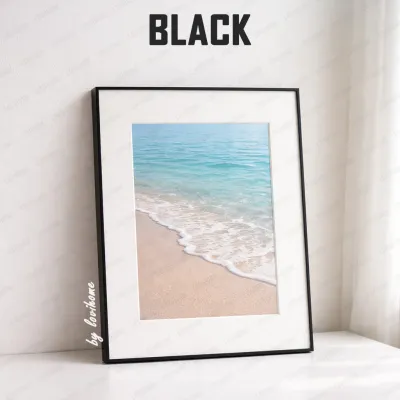
![SG Stock [Super Offer] Wooden Photo Frame Picture Frame 4R 5R 6R 8R A4 Frame Table Wall Display Photo Frame for Home Office Art Display Christmas Gift Teachers Day Gift](https://img.lazcdn.com/g/p/bb9e605bbbce2ca17e8b17e2edb1a478.jpg_400x400q80.jpg_.webp)
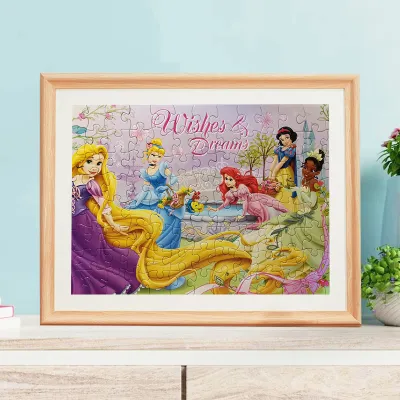
![SG Stock [Super offer] Wooden Photo Frame Desktop Wall Display Graduation Photos Teachers Day Gift Christmas ift Home Office](https://img.lazcdn.com/g/p/1c3707e30432b44637a1f205a45fea09.jpg_400x400q80.jpg_.webp)
![[SG Stock]4R/5R/6R/A4 Wooden Photo Frame Picture Frame Wood White Black Simple Picture Frame Birthday Gift present Christmas gift](https://img.lazcdn.com/g/p/18a672b2ee155101dfd5e3af7b150d07.jpg_400x400q80.jpg_.webp)
![SG Stock [Bulk Price] Wooden Photo Frame Elegant Picture Frame Table Wall Display Graduation Photos Christmas Gift Home Office Decoration](https://img.lazcdn.com/g/p/f72618211397e81a3a8318f4031005b4.jpg_400x400q80.jpg_.webp)
Prices are valid at publication and may change. Please refer to the product page for the latest price.
Visual Weight and Balance Every piece of art carries an inherent visual weight, determined by its color palette, texture, and subject matter. Heavy, highly textured art, such as an oil painting with thick impasto brushstrokes, demands a substantial frame with a thick profile or textured finish to anchor its presence. Conversely, delicate art, such as a minimalist watercolor or a fine line drawing, requires a slim, lightweight frame profile. Placing a heavy, ornate frame around a delicate sketch will easily overpower the artwork, while a thin, flimsy frame around a massive, dark canvas will look structurally and visually inadequate.
Edge Treatment and Borders How the artwork terminates at its edges dictates the type of framing and mounting required. Clean-cut prints and photographs can sit flush against the frame edge or behind a matboard. However, artwork with unique edge details—such as hand-torn deckled edges on watercolor paper or painted borders on a canvas—should remain visible. In these cases, float mounting or specialized deep frames are necessary to showcase the entire surface of the piece without obscuring the artist’s craftsmanship.
Preservation and Environmental Protection Porous paper art and high-gloss photographs are highly sensitive to environmental factors, including ultraviolet (UV) light, dust, and ambient humidity. These mediums require protective glazing (glass or acrylic) and a physical barrier to prevent the artwork from touching the glazing directly. On the other hand, sealed canvas prints and acrylic paintings do not require glass protection. In fact, placing glass over a textured canvas can trap moisture, obscure the paint’s natural texture, and cause unwanted glare. Understanding these fundamental structural differences is the first step toward choosing a frame that protects your investment over the long term.
The Role of Matboards A matboard, or passe-partout, serves two crucial functions: it provides visual breathing room and creates a physical gap between the artwork and the frame’s glazing. Visually, a wide matboard draws the viewer’s eye inward, elevating a simple print into a formal, museum-style presentation. Structurally, it prevents condensation from transferring directly from the glass to the paper, which is a primary cause of mold growth, buckling, and ink transfer in humid climates like Singapore.
Best Frame Styles for Photography and Digital Prints
Photography and digital prints require a framing approach that respects their sharp lines, subtle gradients, and high contrast. The goal is to provide a clean border that isolates the image from the wall without distracting from the photographic details.

Minimalist Metal and Slim Wood Frames
For modern, high-contrast, or highly detailed photography, thin and unobtrusive frames are the industry standard. These slim profiles do not compete with the image’s internal composition, allowing the viewer’s eye to focus entirely on the subject matter.
- Finishes and Materials: Matte black aluminum, brushed silver, and natural light wood (such as maple or light oak) are highly recommended. Matte black provides a crisp, graphic boundary that works exceptionally well with black-and-white photography. Brushed metal adds a sophisticated, industrial touch to urban landscapes, while light wood brings warmth to portraiture and nature photography.
- Glazing Considerations: Because photography often features deep blacks and high-gloss surfaces, glare can be a significant issue. When hanging framed photos in brightly lit rooms or directly opposite windows, it is wise to opt for anti-glare, anti-reflective, or museum-grade glass. These specialized coatings minimize reflections while preserving the true color accuracy and contrast of the print.
Frameless Mounts and Acrylic Blocks
For an ultra-modern, seamless aesthetic, traditional borders can sometimes feel restrictive. Frameless mounting techniques offer an alternative that allows the image to merge directly with the architectural space.
- Acrylic Face-Mounting: This process involves bonding the photographic print directly to a sheet of polished acrylic, backed by a rigid composite material and an aluminum sub-frame. The result is a sleek, borderless presentation where the photo appears to float about two centimeters off the wall. The light refracting through the acrylic depth enhances the color saturation and perceived depth of the image.
- Best Use Cases: Frameless mounts are ideal for bold, graphic photography, sweeping panoramas, and high-gloss digital art. Because there is no outer frame, the focus remains entirely on the image's edge-to-edge content. However, this style requires highly precise edge finishing during production, as any imperfection along the print's perimeter will be immediately visible.
Ideal Frame Choices for Canvas Prints and Paintings
Canvas prints and original paintings on canvas possess a physical depth and texture that set them apart from paper-based art. Framing these pieces requires structural support that accommodates their thick wooden stretcher bars while celebrating their three-dimensional presence.
Floating Frames (Floater Frames)
Floating frames are specifically engineered for gallery-wrapped canvases and original paintings. Unlike traditional frames that cover the front edge of the artwork, a floater frame secures the canvas from the back, leaving the entire front surface completely visible.
- The Floating Illusion: The canvas is mounted within an L-shaped profile, leaving a deliberate gap—typically between 5mm and 10mm—between the outer edge of the canvas and the inner edge of the frame. This gap creates a dark shadow line, making the artwork appear as if it is suspended or "floating" inside the frame.
- Aesthetic and Practical Benefits: This style is perfect for canvases where the paint or image wraps around the sides of the stretcher bars. It preserves the integrity of the entire painted surface while adding a clean, professional border. Because there is no glass, the natural texture of the paint or canvas weave remains fully visible and interactive with the room's lighting.
- Sizing and Depth Verification: Before purchasing a floating frame, you must measure the exact depth of your canvas stretcher bars (common depths range from 2cm to 4cm). Ensure the frame's internal depth matches or slightly exceeds the canvas depth so the artwork does not protrude awkwardly past the front face of the frame.
Thick Wood and Ornate Profiles
While minimalist floating frames suit contemporary spaces, traditional paintings, classical art, and large-scale canvases often call for a more substantial, classical presentation.
- Matching Visual Weight: Heavy oil paintings, particularly those featuring rich impasto textures or classical landscapes, benefit from wide, textured wood or high-quality composite frames. A substantial frame acts as a visual transition zone, separating the intense colors and textures of the painting from the flat surface of the wall.
- Rabbet Depth Verification: The "rabbet" is the recessed channel on the inner back side of a frame where the artwork sits. Standard frames designed for thin paper prints have shallow rabbets (often only 5mm to 10mm deep). If you attempt to place a thick canvas stretcher bar into a shallow rabbet, the back of the canvas will stick out significantly, preventing the frame from hanging flat against the wall. Always verify that the frame's rabbet depth is deep enough to fully accommodate the thickness of your canvas and its wooden support structure.
Top Frame Styles for Illustrated Posters and Paper Art
Illustrated posters, screen prints, and fine art paper require a delicate balance of aesthetic enhancement and physical protection. Because paper is highly susceptible to environmental damage, the framing style must act as a sealed, protective micro-environment.
Gallery Frames with Matboards
The classic gallery frame paired with a wide matboard is the gold standard for presenting paper-based art. This style replicates the clean, curated look found in museums and professional galleries.
- The Importance of the Matboard: A wide, acid-free matboard serves a vital protective role. It prevents the delicate paper artwork from coming into direct contact with the glass or acrylic glazing. Without this gap, changes in temperature and humidity can cause the paper to stick to the glass, leading to permanent ink transfer, tearing, and mold development.
- Aesthetic Choices: Simple, neutral-colored frames in matte white, matte black, or natural oak are highly recommended. These clean borders allow the illustration's colors and graphic elements to stand out without visual competition. For a balanced look, choose a matboard width of at least 5cm to 8cm around the perimeter of the artwork.
- Material Quality: Always specify acid-free, archival-grade matboards (such as those made from alpha-cellulose or cotton rag). Cheaper, non-archival matboards contain lignin, which degrades over time and releases acids that cause yellowing and brittle edges on your artwork.
Clip Frames and Magnetic Hangers
For a more casual, modern, or frequently rotated display, traditional heavy frames may not always be practical or necessary.
- Magnetic Poster Hangers: These consist of two pairs of wooden strips embedded with strong neodymium magnets. One pair clamps onto the top edge of the poster, while the other clamps onto the bottom, keeping the paper taut and hanging straight. They are incredibly lightweight, easy to install, and allow you to swap artwork in seconds without tools.
- Clip Frames: These are minimalist, borderless frames where the backing board, artwork, and glass are held together by simple metal clips along the edges. They offer a clean, industrial look that works well in modern workspaces or casual living areas.
- Limitations and Risks: While magnetic hangers and clip frames are excellent for rental spaces or temporary displays, they offer minimal protection. Because the sides of the artwork remain exposed to the open air, the paper is highly vulnerable to dust, physical tearing, and ambient humidity. In humid climates, unprotected paper art will absorb moisture rapidly, leading to warping, buckling, and eventual mold growth. Reserve these hanging methods for inexpensive, easily replaceable posters rather than valuable or sentimental art.
Quick Comparison: Frame Materials and Visual Effects
To help you select the most suitable material for your specific artwork and room conditions, the table below outlines the primary characteristics, visual impacts, and practical limitations of common frame materials.
| Material | Visual Effect | Best Art Match | Key Limitation |
|---|---|---|---|
| Solid Wood | Warm, organic, classic, or rustic depending on the finish (oak, walnut, maple). | Fine art prints, watercolor paintings, traditional oil canvases. | Susceptible to warping in high-humidity environments; heavier than synthetic alternatives. |
| Aluminum | Sleek, modern, industrial, and ultra-thin. | High-contrast photography, digital prints, technical drawings. | Limited compatibility with classical or traditional art styles; corners can be sharp. |
| Acrylic | Borderless, floating, glossy, and highly contemporary. | Bold graphic design, panoramas, vibrant modern photography. | Easily scratched during cleaning; high static charge attracts airborne dust. |
| Composite (MDF/Plastic) | Highly consistent finishes, lightweight, and cost-effective. | Casual posters, temporary exhibition prints, children's art. | Can swell, warp, or degrade if exposed to direct moisture or sustained high humidity. |
Pre-Purchase Checklist: Sizing, Mounting, and Room Context
Before purchasing a wall frame or hanging your artwork, completing a thorough verification checklist will prevent costly sizing errors and ensure a safe, secure installation.
1. Verify Dimensions and Overlap
- Measure the exact height, width, and thickness of your artwork.
- If using a matboard, ensure the mat's window opening is slightly smaller (usually 3mm to 5mm on all sides) than the artwork itself to prevent the edges of the paper from slipping through the opening.
- Check the frame's rabbet depth to ensure it can accommodate the combined thickness of your artwork, matboard, backing board, and glazing.
2. Assess Wall Construction and Weight Limits
- Identify your wall type (e.g., solid concrete, brick, or hollow drywall partitions common in modern apartments).
- Weigh the fully assembled frame. Heavy solid wood frames with thick glass can weigh several kilograms and require robust mounting solutions.
- Drywall installations require specialized toggle bolts or heavy-duty anchors, whereas concrete walls require masonry drilling and plastic wall plugs.
3. Select Appropriate Hanging Hardware
- Avoid cheap adhesive hooks for heavy or valuable frames, as changes in humidity can cause the adhesive to fail over time.
- For medium to heavy frames, install heavy-duty D-rings or a tensioned hanging wire on the back of the frame.
- Ensure the wall hooks or screws are rated for at least double the actual weight of the framed artwork to provide a safe margin of security.
4. Environmental and Safety Boundaries
- Avoid hanging valuable, paper-based artwork in high-humidity zones such as bathrooms, kitchens, or directly beneath air conditioning units where condensation can accumulate.
- For heavy, oversized frames, or installations in high-traffic areas, always consult the frame manufacturer's guidelines or hire a qualified professional installer. Securing heavy objects at height requires precise tools and expertise to prevent structural wall damage or serious personal injury.
Frequently Asked Questions (FAQ)
Should I use glass or acrylic glazing for my wall frames?
Acrylic glazing is highly shatter-resistant, lightweight, and ideal for large frames, children’s rooms, or high-traffic areas. However, it scratches easily and can attract dust due to static electricity. Glass offers superior scratch resistance, is easier to clean, and provides a classic, premium optical feel, but it is heavy and fragile. For rooms with abundant natural light, both materials are available with specialized UV-filtering and anti-reflective coatings to protect your artwork from fading and minimize distracting glare.
How do I prevent paper art from sticking to the frame glass?
To prevent paper art from sticking to the frame glass, you must create a physical air gap using a high-quality matboard or plastic frame spacers. When paper rests directly against glass, any trapped moisture or condensation will cause the ink and paper fibers to fuse to the glazing, leading to permanent damage. In humid climates, avoid sealing paper art in completely airtight frames; instead, ensure the framing materials are breathable and kept in a climate-controlled environment to prevent buckling and mold growth.
Community discussion
Share your experience or ask a question. Comments are reviewed before publication.