
Selecting the right wall light for a corridor in Singapore involves balancing spatial constraints, visual comfort, and electrical safety. Narrow transit areas in Housing & Development Board (HDB) flats and private condominiums require fixtures that provide uniform illumination without obstructing walkways or causing uncomfortable glare. A well-chosen fixture enhances safety during midnight walks to the bathroom and can visually expand a tight hallway.
Singaporean homeowners can choose from several brand categories to meet these needs, including global lighting giants, regional specialists, and smart-sensor innovators. Before purchasing, you must evaluate the physical depth of the corridor, the existing wiring infrastructure, and local electrical standards. This guide analyzes the essential criteria for selecting corridor wall lights and evaluates the leading brand categories available in the local market to help you make an informed decision.
What Makes a Good Corridor Wall Light?
Corridors are unique architectural spaces that serve primarily as transitional pathways rather than active living zones. Consequently, the lighting requirements differ significantly from those of a living room or kitchen, prioritizing slim profiles, soft light distribution, and absolute electrical reliability.
Products mentioned in this guide
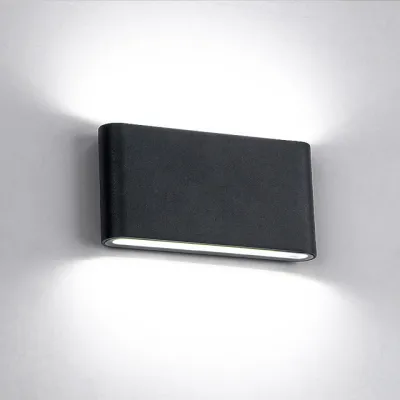
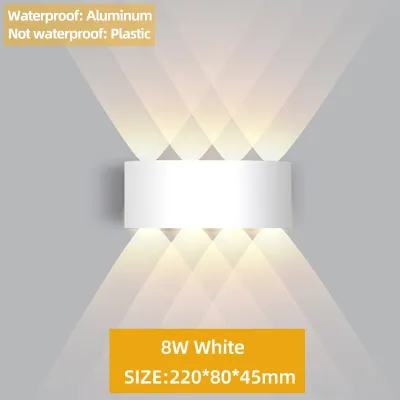
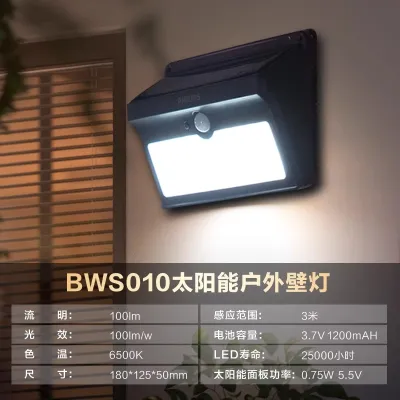
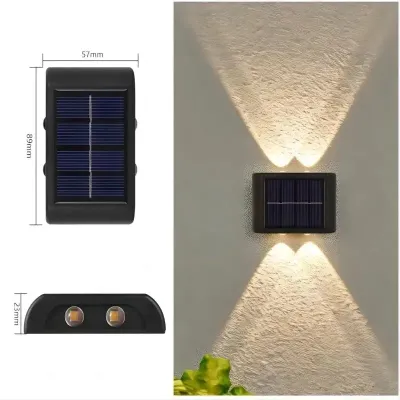
Prices are valid at publication and may change. Please refer to the product page for the latest price.
Spatial Constraints and Protrusion Limits
Typical HDB BTO flats and modern private apartments feature corridors that range from 1.1 to 1.2 meters in width. In these narrow pathways, any fixture that extends too far from the wall becomes a physical hazard, susceptible to being bumped by passing residents, laundry baskets, or moving furniture.
When shopping for a wall light, prioritize low-profile or flush-mount designs that protrude no more than 10 to 12 centimeters from the wall surface. Before finalizing your purchase, measure the exact clearance of your hallway and compare it against the physical depth specifications of the fixture. If your home layout permits structural alterations, recessed or semi-recessed wall lights are excellent alternatives that sit flush within a drywall partition, completely eliminating any physical obstruction.
Light Distribution and Glare Control
Because corridors are narrow, direct light sources can easily shine straight into your eyes, causing discomfort and temporary glare. To prevent this, look for fixtures that utilize indirect lighting techniques, such as up-and-down wall washers or units equipped with robust frosted diffusers.
Up-and-down wall washers cast light vertically along the wall surface, reflecting off the ceiling and floor to create a soft, ambient glow that makes the corridor feel taller and more spacious. Avoid fixtures with exposed bulbs or clear glass shades unless they are paired with very low-wattage, warm decorative bulbs. Selecting brands that focus on optical engineering ensures that the light is distributed evenly along the path without hot spots or harsh shadows.
Electrical Safety and Compliance
Singapore operates on a 230V/50Hz electrical grid, which means any wall light you install must be compatible with this voltage. Imported fixtures purchased directly from overseas online platforms may not match these specifications or may lack the necessary internal drivers to handle local voltage fluctuations safely.
For peace of mind, ensure that the lighting fixtures or their accompanying LED drivers carry the SAFETY Mark, which indicates they have been tested and certified by Enterprise Singapore. Avoid purchasing ultra-cheap, unbranded fixtures from unverified online marketplaces, as these products often bypass basic insulation, grounding, and surge-protection standards, posing a genuine risk of electrical short circuits or fire.
Top Brand Categories for Corridor Illumination
The Singapore retail landscape offers a diverse array of lighting brands, which can be broadly categorized into three distinct groups. Understanding the strengths and trade-offs of each category will help you narrow down your search based on your budget, design preferences, and technical needs.

Established Global Lighting Brands
Global industry leaders such as Philips (Signify), Ledvance (formerly Osram), and Megaman dominate the high-reliability segment of the market. These brands invest heavily in research and development, resulting in superior color consistency, high luminous efficacy, and long-lasting integrated LED modules that often perform reliably for tens of thousands of hours.
Choosing a global brand provides a high level of consumer security, as their products are widely distributed across Singapore, backed by comprehensive local warranties, and supported by readily available replacement drivers. These fixtures are ideal for homeowners who prioritize hassle-free maintenance and standardized light quality over avant-garde styling. However, the designs from these large manufacturers can sometimes lean toward the conservative or commercial side, and their premium product lines generally command a higher price point.
Regional and Local Lighting Specialists
For homeowners seeking designs tailored specifically to contemporary Asian interior trends, regional brands and local boutique lighting specialists offer a compelling alternative. Many of these brands operate physical showrooms along Singapore’s prominent lighting districts, such as Balestier Road and Jalan Besar, allowing you to examine the build quality and actual light output in person.
These specialists frequently design fixtures with local housing dimensions in mind, focusing on ultra-slim profiles and minimalist aesthetics like Scandinavian, Industrial, or Muji-inspired styles. Because they cater directly to the local market, their fixtures are pre-configured for Singapore’s 230V grid and often come with reliable local customer support. The primary limitation of these brands is that their smart-home integration options may be less advanced or less compatible with broader home automation ecosystems than those of dedicated tech companies.
Smart and Sensor-Focused Brands
Smart-lighting innovators like Yeelight, Philips Hue, and Aqara have redefined corridor lighting by integrating advanced automation directly into their fixtures. These brands specialize in motion-activated lighting, utilizing Passive Infrared (PIR) or microwave sensors to turn the lights on automatically when someone enters the corridor and turn them off after a set period of inactivity.
This hands-free operation is incredibly convenient for nighttime navigation or when walking through the house with full hands. Furthermore, these systems allow you to program custom schedules, such as dimming the corridor lights to a gentle 10% brightness after midnight to act as a non-intrusive nightlight. On the downside, sensor-based systems require precise physical placement to avoid false triggers from pets or nearby ceiling fans, and smart switches or fixtures often require a neutral wire at the switch box, which may not be present in older HDB flats without rewiring.
Essential Features to Look For
To ensure your selected wall light performs optimally in a corridor setting, pay close attention to the technical specifications listed on the product packaging or spec sheets.
- Color Temperature: For residential corridors, a warm white light of 3000K is generally recommended, as it creates a welcoming and relaxing transition between living spaces and bedrooms. If your corridor connects to a utility area, home shelter, or main entryway where high visibility is required, a neutral white of 4000K may be more appropriate. Avoid mixing different color temperatures in the same hallway, as this creates a disjointed and visually jarring environment.
- Dimmability: Opting for a dimmable wall light gives you the flexibility to adjust the light levels based on the time of day. A bright setting is useful for cleaning or daytime transit, while a dimmed setting is perfect for low-glare evening navigation. Ensure that your dimmable LED fixture is paired with a compatible dimmer switch (such as a trailing-edge dimmer) to prevent annoying flickering or buzzing noises.
- IP Ratings: While indoor corridors are generally dry environments that do not require high Ingress Protection (IP) ratings, you should consider an IP44-rated fixture if your corridor is located near an open-air balcony, a bathroom entrance, or a window prone to rainwater splash during heavy monsoons. An IP44 rating ensures the fixture is protected against solid objects larger than 1mm and splashing water from any direction.
- CRI (Color Rendering Index): The CRI measures how accurately a light source reveals the true colors of objects compared to natural sunlight. For basic transit corridors, a CRI of 80 or higher is perfectly adequate. However, if your hallway serves as a gallery wall displaying family photographs, artwork, or textured wallpaper, look for a fixture with a CRI of 90 or higher to ensure those colors and textures look vibrant and true to life.
Installation and Safety Checklist for Singapore Homes
Installing or replacing wall lights involves working with high-voltage electrical circuits and drilling into structural walls. Adhering to local regulations and safety protocols is essential to protect your home and ensure a successful installation.
HDB vs. Condo Rules
Before undertaking any lighting modifications, understand the legal boundaries of your property. Homeowners are fully permitted to install, replace, or modify wall lights within the private, internal corridors of their HDB flats or condominium units. However, you are strictly prohibited from altering, adding, or replacing any lighting fixtures in HDB common (public) corridors outside your flat door. These external fixtures are public property managed exclusively by the respective Town Councils to ensure uniform safety and emergency lighting standards.
Wiring and Switches
Examine your existing electrical setup before purchasing new fixtures. Standard wall lights operate on simple live and neutral wiring configurations. However, if you are upgrading to smart wall switches or certain advanced sensor lights, you may require a dedicated neutral wire at the switch box. While newer condominiums and BTO flats often include neutral wires, older HDB properties typically do not. If your home lacks neutral wiring, you will need to search specifically for “no-neutral” smart switches or consult an electrician to pull new wires through your conduits.
Professional Installation
For any installation that involves running new electrical conduits, drilling into structural concrete walls, or modifying your home’s main electrical distribution board (DB), you should hire a Licensed Electrical Worker (LEW) or a qualified electrician. Working at heights on a ladder or handling live wires without professional training carries severe safety risks. A certified professional will ensure that all wiring is safely insulated, properly grounded, and compliant with Singapore Standard SS 638 (the code of practice for electrical installations).
Safety First
If you are performing a simple, direct replacement of an existing, identical wall fixture, always prioritize safety by turning off the main power supply. Do not rely solely on the wall switch to cut the power; go to your home’s main distribution board (DB) and switch off the specific Miniature Circuit Breaker (MCB) controlling the lighting circuit. Use a reliable, non-contact voltage tester to verify that the wires are completely dead before touching them. Always read the manufacturer’s instruction manual thoroughly, and if you encounter any conflicting wiring colors or unexplained configurations, stop immediately and contact a professional.
Frequently Asked Questions (FAQ)
Do I need a licensed electrician to install wall lights in an HDB corridor?
For the internal, private corridors of your HDB flat, hiring a qualified electrician is highly recommended to ensure safety and compliance with local electrical standards. For the public common corridors outside your flat, residents are strictly prohibited from installing, modifying, or repairing any lighting fixtures, as these areas are managed solely by the Town Council.
What is the best color temperature for corridor lighting?
A color temperature of 3000K (warm white) is generally preferred for residential corridors because it creates a cozy, welcoming atmosphere and prevents harsh glare during late-night transitions to the bathroom or bedrooms. If the corridor leads directly to a utility area or home shelter where tasks are performed, a neutral white of 4000K is a suitable alternative.
Can I use outdoor-rated wall lights for indoor corridors?
Yes, outdoor-rated wall lights (such as those rated IP65 or higher) can safely be installed in indoor corridors. They offer excellent durability and resistance to moisture, which is highly beneficial if your corridor is adjacent to an open window or balcony. However, keep in mind that outdoor fixtures are often bulkier, more expensive, and designed with a rugged aesthetic that may not match your indoor decor.
Community discussion
Share your experience or ask a question. Comments are reviewed before publication.