
Selecting the ideal wall lights for your Singapore home’s corridor requires balancing functional safety, physical space limitations, and aesthetic preferences. Because hallways are transitional spaces, the right lighting must guide foot traffic comfortably without creating glare or obstructing movement. The best brand category for your home depends heavily on your specific property type, budget, and design goals.
While established global brands offer reliable longevity and strict safety compliance, premium designer brands serve as striking architectural statements, and value-oriented brands provide simple, cost-effective utility. Regardless of the brand you choose, verifying physical clearance, electrical compatibility, and local safety standards is far more critical than brand prestige alone.
Essential Criteria for Corridor Wall Lights in Singapore
Singapore residential properties present unique physical and structural characteristics that directly influence how you should select wall lights. For instance, standard HDB flats and many modern condominiums feature relatively narrow corridors, typically measuring between 1.2 and 1.5 meters in width. Installing bulky, projecting light fixtures in these tight spaces creates immediate physical hazards, increasing the likelihood of accidentally bumping into them when carrying groceries, laundry, or moving furniture. To maintain clear, safe walkways, homeowners should prioritize low-profile or flush-mount sconces that project minimally from the wall surface.
Products mentioned in this guide
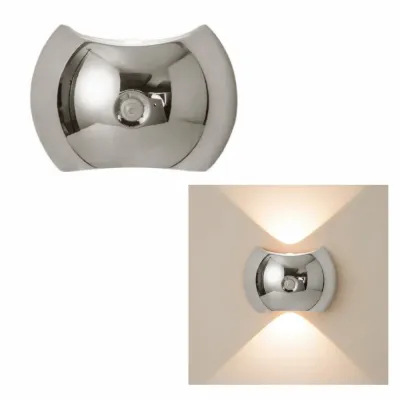
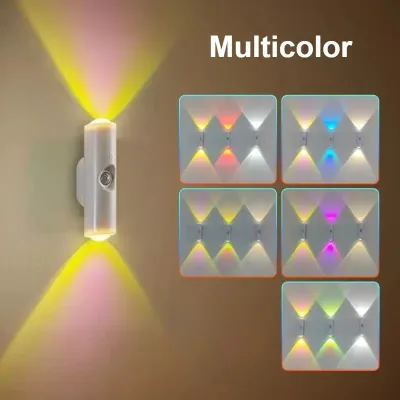
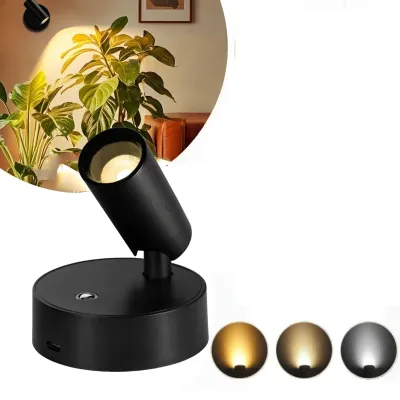
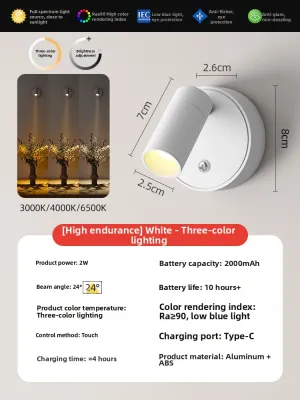
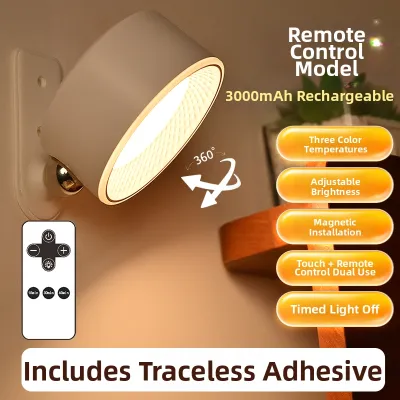
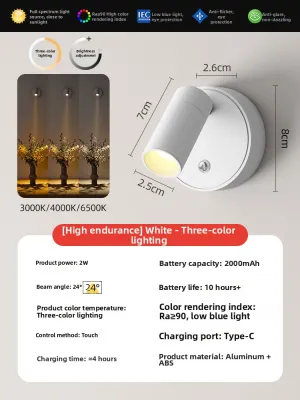
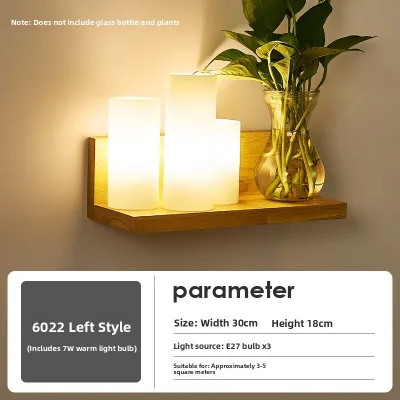
Prices are valid at publication and may change. Please refer to the product page for the latest price.
Electrical infrastructure is another critical factor that requires early verification. Singapore operates on a standard 230V AC, 50Hz electrical grid, meaning any imported fixture must be rated for this voltage to operate safely and efficiently. If your corridor does not have existing wall light points, creating new ones involves routing cables through your walls. In concrete structural walls, which are highly common in Singapore homes, this process requires professional hacking, conduit installation, and plastering. Additionally, you must verify that the mounting surface and the electrical wall box can securely support the weight of your chosen fixture, particularly if you opt for heavy materials like solid brass, thick glass, or gypsum plaster.
Lighting quality in a narrow, enclosed hallway must focus on glare control and visual comfort. Direct, unshielded light sources positioned at eye level can cause temporary blindness and discomfort, which is especially problematic when navigating the corridor in the middle of the night. Bi-directional wall lights, which cast light upward and downward, are highly effective for transitional spaces because they use the wall surface to bounce and diffuse the light, creating a soft, indirect glow. Downward-only lights are excellent for illuminating the floor path directly, while fixtures with frosted glass or fabric diffusers help soften the output of the light source.
Finally, safety compliance must never be overlooked when dealing with fixed electrical installations. In Singapore, electrical accessories and components are regulated to protect consumers from fire and shock hazards. While simple, passive decorative lamp housings may not always require individual certification, any integrated LED drivers, transformers, or power adapters must carry the safety certification recognized by Enterprise Singapore. Using uncertified electrical components in a fixed home installation can void your home insurance policy and pose serious safety risks.
Comparing Wall Light Brand Categories for Hallways
To make an informed decision, it is helpful to categorize the available wall light brands in Singapore by their market positioning, build quality, and design intent. Each category serves distinct household needs, budgets, and aesthetic preferences.

Established Global Lighting Brands
Mainstream, globally recognized manufacturers represent the benchmark for standardized engineering, electrical safety, and reliable performance. These brands are widely available across Singapore, stocked in major home improvement centers and specialized lighting showrooms along Balestier Road and Jalan Besar. Their primary strength lies in their rigorous quality control and predictable product lifespans, making them the safest choice for homeowners seeking long-term reliability.
For corridor lighting, global brands excel at producing highly efficient, integrated LED fixtures with low-profile profiles. These products come with verified technical specifications, including accurate lumen output, color rendering index (CRI) ratings, and energy consumption metrics. Because these manufacturers maintain a strong local corporate presence, their warranties are robust and easily claimable, providing peace of mind. Their design aesthetics typically favor clean, minimalist, and modern styles that blend seamlessly into standard contemporary interiors without drawing excessive attention to the fixture itself.
Premium and Designer Lighting Brands
For homeowners who view lighting as an essential element of their interior architecture, premium and designer brands offer unparalleled artistic and material quality. These fixtures are typically sourced from European or high-end international design houses and are distributed through luxury lighting showrooms in Singapore. Rather than merely illuminating a space, these lights are designed to be sculptural statements that elevate the visual appeal of a hallway even when turned off.
In a spacious condominium foyer or a multi-story landed home corridor, a designer wall light can transform a simple passage into a curated gallery space. These brands invest heavily in advanced optical engineering, ensuring that the light is cast precisely where intended—whether that means a perfect wash of light down a textured wall or a sharp, dramatic beam highlighting a piece of art. They utilize premium, durable materials such as brushed brass, hand-blown glass, anodized aluminum, and cast concrete, which retain their beauty over decades.
However, choosing premium designer brands involves practical trade-offs. These fixtures carry a significant price premium, and because they are often imported to order, they can involve lead times of several weeks or months. Furthermore, their sophisticated electronic components may require specialized dimming systems or specific driver installations, requiring close coordination between your interior designer, electrician, and the showroom specialists.
Value-Oriented and Local Hardware Brands
Value-oriented brands and unbranded fixtures, commonly found in neighborhood light shops or online marketplaces, cater to budget-conscious projects, rental properties, and quick replacements. These fixtures prioritize affordability and immediate availability, allowing homeowners to source functional lighting solutions without a major financial commitment.
A significant advantage of many budget-friendly wall lights is their reliance on standard, replaceable bulb sockets, such as E27 or E14, rather than integrated LED boards. If the light source fails, you can simply unscrew the dead bulb and replace it yourself in seconds, avoiding the need to uninstall the entire fixture or hire an electrician to wire in a new driver. This setup also gives you the freedom to choose your preferred bulb brand, brightness, and color temperature.
Despite the lower upfront costs, value-oriented products require careful inspection before purchase. Singapore’s high humidity can cause low-grade metals to rust or tarnish quickly, so look for fixtures constructed from aluminum, polycarbonate, or powder-coated metals. Additionally, ensure that the internal wiring, sockets, and connections are robust and safe, avoiding extremely cheap, unbranded imports that lack basic thermal protection or proper grounding paths.
Decision Framework: Which Brand Type Fits Your Corridor?
Selecting the right brand category comes down to matching your specific home layout, budget, and maintenance preferences. Use the following conditional scenarios to guide your final decision:
- Choose Established Global Brands if:
- You prioritize long-term electrical reliability, verified energy efficiency, and a straightforward local warranty.
- Your corridor is a standard HDB or condominium hallway where functional, glare-free, and space-saving illumination is the primary goal.
- You prefer integrated LED designs that offer a very slim physical profile to keep your walkways completely unobstructed.
- Choose Premium Designer Brands if:
- The corridor or foyer is a prominent architectural feature of your home, visible from key living areas.
- You want the light fixture itself to serve as a high-end decorative statement or an artistic focal point.
- You have budgeted for professional lighting design and are prepared for the higher cost and potential lead times of imported designer goods.
- Choose Value-Oriented Brands if:
- You are refreshing a rental property, working within a tight renovation budget, or need a quick, low-cost replacement.
- You prefer the ease of replaceable E27 or E14 bulbs, allowing you to easily swap bulbs or integrate smart bulbs later.
- You are comfortable inspecting the physical build quality and verifying basic electrical safety standards yourself.
- Verify first if:
- Regardless of the brand you select, always verify your existing wall infrastructure before purchasing. If you have solid concrete walls, confirm whether your renovation budget covers the chasing and plastering required for new electrical points. If you plan to integrate the wall lights into a smart home system, check whether the fixture's driver is dimmable or if you should install a smart switch at the wall plate instead.
Installation, Safety, and Compliance in Singapore
Wall lights are fixed electrical installations, meaning they are hardwired directly into your home’s electrical grid. Because of the inherent risks associated with mains electricity, safety and compliance must be your top priorities during the planning and installation phases.
In Singapore, any installation, modification, or extension of fixed electrical wiring must be performed by an Energy Market Authority (EMA) Licensed Electrical Worker (LEW). Attempting to DIY hardwired lighting fixtures is not only highly dangerous but also violates local housing regulations and can void your home fire insurance policy. A licensed electrician will ensure that the circuit is properly isolated before work begins, that the wiring complies with the SS 638 national safety standard, and that the fixture is safely grounded.
Before your electrician begins drilling into any walls to mount the fixtures, it is vital to check the wall structure. Many Singapore homes, particularly HDB flats, utilize precast concrete panels or structural shear walls that contain steel reinforcement bars (rebar) and embedded utility conduits. Accidentally drilling into a concealed electrical conduit or water pipe can cause catastrophic damage and expensive repairs. Your electrician should use a reliable wall scanner to locate safe drilling zones and ensure they use the correct heavy-duty wall plugs to secure the mounting brackets.
Environmental exposure is another critical factor to discuss with your installer. If your corridor is open-air, semi-outdoor, or located near a window that experiences rain splashes during heavy monsoons, the wall light must have an appropriate Ingress Protection (IP) rating. A minimum rating of IP44 is highly recommended for damp or semi-exposed environments to prevent moisture from entering the electrical housing and causing short circuits. For fully enclosed, indoor corridors, standard indoor fixtures are perfectly suitable, provided they have adequate heat dissipation to operate safely in Singapore’s warm climate.
Frequently Asked Questions (FAQ)
Do I need a licensed electrician to install wall lights in an HDB flat?
Yes, under Singapore regulations, any installation, modification, or extension of fixed electrical wiring must be carried out by an Energy Market Authority (EMA) Licensed Electrical Worker. This ensures the work complies with the SS 638 national safety standard, minimizing the risk of electrical faults, short circuits, or fires.
What is the best color temperature for corridor wall lights?
A warm white color temperature of approximately 2700K to 3000K is highly recommended for residential corridors. This range creates a welcoming, cozy ambiance and is gentle on the eyes during nighttime navigation. Avoid cold daylight temperatures (6000K and above) in narrow hallways, as they can feel stark, clinical, and cause uncomfortable glare.
Can I use smart bulbs in corridor wall lights?
Whether you can use smart bulbs depends entirely on the design of the fixture. Wall lights featuring standard screw-in (E27) or twist-lock (GU10) sockets can easily accommodate smart bulbs, allowing for app-based control and scheduling. However, if the fixture has a slim, low-profile design with an integrated LED board, you cannot swap in a smart bulb; instead, you must make the circuit smart by installing a compatible smart wall switch or a smart dimmer module behind the wall plate.
Community discussion
Share your experience or ask a question. Comments are reviewed before publication.