
To illuminate a narrow HDB or condo corridor effectively, you need wall lights that balance a slim profile with comfortable, low-glare illumination. Selecting the right brand is not just about aesthetic appeal; it involves evaluating physical dimensions, electrical safety certifications, and light distribution patterns. In Singapore’s typical residential layouts, where space is at a premium and corridors are often narrow, the right fixture can transform a dark, cramped passage into a warm, welcoming transition zone.
The best wall light brands for Singapore homes generally fall into three categories: mainstream consumer electronics giants like Philips and Panasonic, commercial-grade efficiency leaders like Opple and NVC Lighting, and specialist showroom brands that offer curated designer aesthetics. Each category serves different priorities, whether you value smart home integration, long-term energy efficiency, or bespoke interior design. Understanding how these brands perform under local housing conditions will help you make an informed decision for your home renovation or lighting upgrade.
What Makes a Good Wall Light for Narrow Corridors?
Singapore residential layouts, particularly in Housing & Development Board (HDB) flats and modern condominiums, often feature long, narrow hallways that connect the main living areas to bedrooms and bathrooms. These corridors typically measure between 0.9 and 1.2 meters in width. Because of these tight spatial constraints, selecting a wall light requires careful consideration of its physical footprint. A bulky, protruding fixture can easily become an obstacle, catching on clothing, bags, or furniture during daily movement.
Products mentioned in this guide
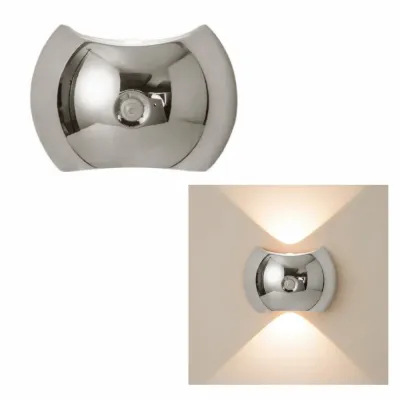
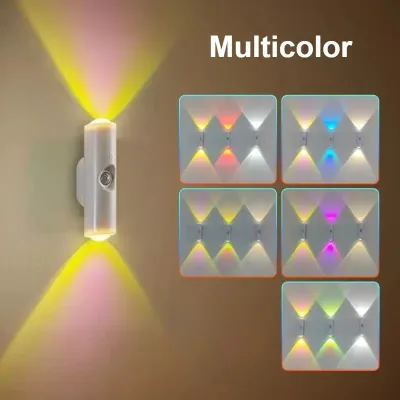
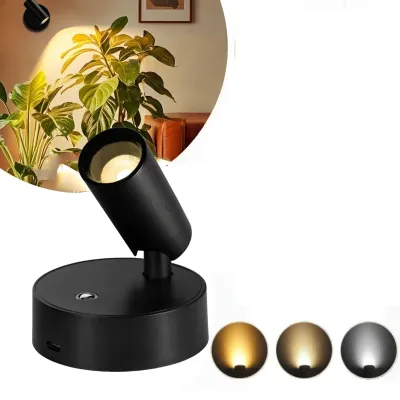
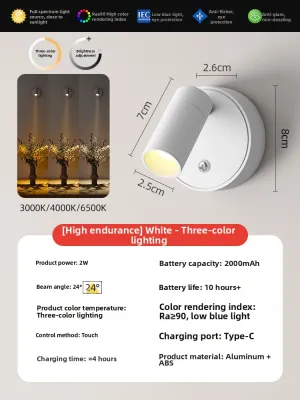
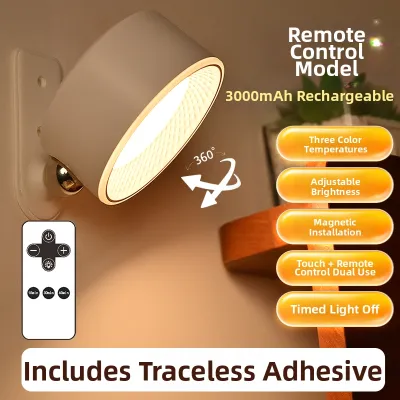
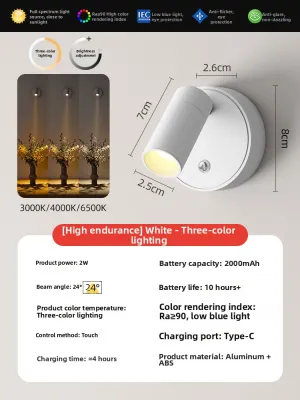
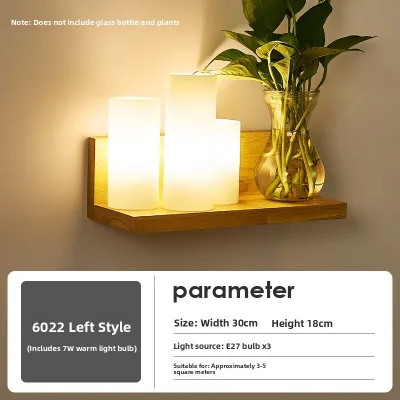
Prices are valid at publication and may change. Please refer to the product page for the latest price.
To maintain a safe and unobstructed pathway, prioritize slim-profile, flush-mount, or semi-flush wall lights. Ideally, a hallway fixture should not protrude more than 10 to 12 centimeters from the wall surface. Recessed wall lights, which are installed directly into drywall partitions or false walls, represent an excellent alternative for ultra-narrow spaces as they sit almost flush with the wall, providing subtle path-marking illumination without occupying any physical corridor space.
Glare control is another critical factor in narrow hallways. Because the distance between opposite walls is minimal, a light source with an exposed bulb can shine directly into your eyes, causing visual discomfort and temporary glare. To mitigate this, look for fixtures designed for indirect illumination. Upward and downward lighting (often called up-down lights) casts light along the wall surface rather than directly into the corridor, creating a soft, reflected glow that makes the space feel wider and more open.
Using fixtures with frosted glass or acrylic diffusers is another highly effective strategy. These diffusers scatter the light evenly, eliminating harsh hot spots and reducing sharp shadows that can make a narrow corridor feel claustrophobic. If you prefer directional lighting, opt for fixtures with adjustable baffles or deep-set light sources that shield the bulb from direct view at normal walking angles.
Color temperature plays a vital role in setting the tone of your home’s transitional spaces. For residential corridors, a color temperature range of 3000K (warm white) to 4000K (cool white) is generally recommended. A warm white light of 3000K creates a cozy, relaxing transition that matches the warm ambiance of bedrooms and living rooms. Conversely, a cool white light of 4000K provides a brighter, more functional illumination that is highly practical for hallways containing storage cabinets or utility closets. Avoid using ultra-cool 6000K daylight bulbs in narrow corridors, as the intense blue-white light can feel clinical and visually jarring in enclosed spaces.
Top Wall Light Brands for Singapore Hallways
Navigating the lighting market in Singapore requires balancing aesthetic preferences with technical reliability. The following brands represent the most reliable options available locally, categorized by their primary strengths and design philosophies.

Philips and Panasonic: Mainstream Reliability and Smart Features
For homeowners who prioritize consistent build quality, safety compliance, and advanced technology, international brands like Philips (Signify) and Panasonic are excellent choices. These manufacturers have a long-standing presence in Singapore, and their products are widely available through authorized distributors, lighting shops, and established online retail channels.
One of the primary advantages of choosing Philips or Panasonic is their strict adherence to local regulatory standards. A vast majority of their mains-powered lighting fixtures and LED drivers carry the Singapore Safety Mark, giving homeowners peace of mind regarding electrical safety and fire prevention. This certification is crucial for lights that may be left on for extended periods, such as overnight corridor lighting.
In terms of design, both brands offer a wide selection of minimalist, low-profile wall lights. Philips, for instance, features integrated LED sconces that combine incredibly slim profiles with highly efficient light output. These fixtures eliminate the need for separate bulbs, allowing for sleeker designs that protrude minimally into narrow hallways. Panasonic’s wall light range focuses on clean lines, durable housing materials, and excellent thermal management, which prevents the fixtures from overheating in Singapore’s warm climate.
Smart home integration is another major selling point for these mainstream brands. The Philips Hue ecosystem includes smart wall lights that can be fully integrated into your home automation system. This allows you to program schedules, adjust brightness levels, and change color temperatures via a smartphone app or voice assistants. For corridors, you can pair these smart lights with motion sensors, ensuring the hallway illuminates automatically when someone steps out of a bedroom at night, then dims or turns off after a set period of inactivity. Panasonic also offers dimmable options and fixtures with built-in sensors, providing convenient, hands-free operation without the need for complex smart home hubs.
Opple and NVC Lighting: Commercial-Grade Efficiency
If your priority is high energy efficiency, robust durability, and excellent value for money, commercial-grade brands like Opple and NVC Lighting are highly suitable options. While these brands are widely utilized in commercial offices, retail spaces, and public buildings, they offer comprehensive residential product lines that bring commercial-grade performance into the home.
The commercial heritage of Opple and NVC Lighting translates directly into exceptional luminous efficacy. Their LED wall lights are engineered to deliver maximum brightness while consuming minimal wattage, helping to keep your household electricity bills low. Furthermore, these brands design their integrated LED drivers to withstand voltage fluctuations, ensuring a long operating life and reducing the frequency of maintenance and replacements.
Optical precision is a key strength of these manufacturers. Opple and NVC invest heavily in research and development to create anti-glare optical designs and high-quality diffusers. In a long HDB or condo corridor, their fixtures distribute light uniformly along the walls and floor, eliminating dark patches and preventing the “cave effect” where light is concentrated only directly beneath the fixture. This uniform light distribution makes the hallway feel more spacious and visually balanced.
For budget-conscious homeowners undertaking a major renovation, these brands offer a highly compelling value proposition. They provide reliable, no-nonsense lighting solutions that perform consistently over many years, without the premium price tag associated with designer European brands. Their designs are typically clean, modern, and unobtrusive, blending seamlessly into contemporary interior styles.
Specialist Showroom Brands: Designer Aesthetics
For homeowners who view lighting as an essential element of their interior design rather than a mere utility, specialist showroom brands offer curated, high-end aesthetics. Local lighting showrooms across Singapore—particularly in design-centric districts like Balestier Road, Jalan Besar, and boutique studios in Geylang—source unique fixtures from international design houses or manufacture custom, high-quality house brands.
These specialist brands focus on premium materials and distinctive design languages, such as Scandinavian minimalism, Japandi, mid-century modern, or industrial chic. You will find wall lights crafted from brushed brass, copper, hand-blown glass, matte ceramics, terrazzo, or natural timber. These fixtures serve as beautiful decorative accents during the day and cast dramatic, artistic light patterns across your corridor walls at night, turning an otherwise plain hallway into a gallery-like space.
When opting for designer or imported fixtures from specialist showrooms, verifying technical compliance is of utmost importance. Many high-end designer lights are imported from Europe, Japan, or the United States, where electrical standards and voltages may differ from Singapore’s 230V/50Hz grid. You must ensure that these fixtures are compatible with local voltage or come equipped with certified, compliant LED drivers. Reputable local showrooms will typically verify this compatibility and can retrofit imported fixtures with Safety Mark-certified drivers before delivery.
Another significant benefit of purchasing through local specialist showrooms is the opportunity for professional consultation. Showroom staff can analyze your floor plans, recommend the appropriate number of fixtures, and help you match the wall light finishes with your doors, flooring, and wall paint. This personalized service ensures that your corridor lighting integrates perfectly with your overall interior design theme.
Key Specifications and Compliance to Check Before Buying
Before finalizing your wall light purchase, it is essential to verify several technical specifications and regulatory requirements to ensure safety, compatibility, and performance in your Singapore home.
First and foremost, check for the Singapore Safety Mark. In Singapore, mains-powered (230V) lighting products and electrical accessories are classified as Controlled Goods under the Consumer Protection (Safety Requirements) Registration Scheme. This means they must be tested and certified to meet recognized safety standards before they can be legally sold. When shopping online or at local retailers, look for the distinctive Safety Mark logo on the product packaging, the fixture itself, or the LED driver. If you purchase imported lights online that lack this certification, you must consult a licensed electrician to source and install a compatible, certified driver to ensure safe operation.
Physical dimensions require precise measurement. Before buying, measure the exact width of your corridor and note any potential obstructions, such as outward-opening bedroom doors, built-in cabinets, or low ceilings. Choose a wall light with a depth or protrusion that leaves comfortable clearance for walking. For standard hallways, a protrusion of less than 12 centimeters is recommended. If your space is extremely tight, consider recessed options or flat LED panels that sit flush against the wall.
The Color Rendering Index (CRI) is a crucial metric for light quality. CRI is measured on a scale from 0 to 100, indicating how accurately a light source reveals the true colors of objects. For residential hallways, select fixtures with a CRI of 80 or higher (Ra ≥ 80). A high CRI ensures that family photographs, artwork, paint colors, and wood finishes in your corridor look natural and vibrant under artificial light, avoiding the dull, greyish cast associated with low-quality LEDs.
Pay close attention to the Ingress Protection (IP) rating if your corridor is exposed to environmental factors. While standard indoor wall lights typically have an IP20 rating (which protects against solid objects but not water), hallways located near open windows, balconies, or semi-outdoor common corridors in some condo and HDB designs are subject to wind-blown rain, high humidity, and dust. In these semi-exposed environments, choose fixtures with at least an IP44 rating, which guarantees protection against splashing water and dust ingress, preventing short circuits and premature corrosion.
Finally, verify dimming compatibility if you plan to use a dimmer switch. Not all LED wall lights are dimmable, and mismatching a dimmable LED fixture with an incompatible wall dimmer can result in flickering, buzzing noises, or damage to the LED driver. Check whether the fixture uses Triac (phase-cut), 0-10V, or DALI dimming protocols, and ensure your wall switch is fully compatible. If you are using smart bulbs or smart fixtures, they typically require a constant power supply and should be dimmed via software or compatible wireless smart switches rather than traditional analog wall dimmers.
Installation Rules and Safety Boundaries for HDB and Condos
Installing wall lights in Singapore residential properties involves navigating specific structural, legal, and safety boundaries. Adhering to these rules ensures your renovation is both safe and compliant with local housing authorities.
The most critical safety rule is the mandatory requirement for a licensed professional. In Singapore, all fixed electrical installation work—including running new wiring, adding electrical points, and installing or replacing light fixtures—must be performed by an Energy Market Authority (EMA) licensed electrical worker. Attempting to perform DIY electrical work on mains-powered circuits is illegal and highly dangerous. Before any installation or maintenance work begins, always isolate the electrical power at the main distribution board (DB box) by turning off the corresponding circuit breaker.
When planning wall light placement in an HDB flat, you must comply with strict structural and hacking regulations. HDB guidelines strictly prohibit hacking, cutting grooves, or drilling deeply into structural reinforced concrete (RC) walls, columns, or beams, as these elements support the weight of the building. If your corridor wall is made of reinforced concrete, you cannot conceal the electrical wiring inside the wall. Instead, you must run the wires through surface-mounted plastic casings (trunking), which can be painted to match your wall color, or construct a false wall/drywall partition to hide the conduits. Drilling is permitted on non-structural partition walls, such as drywall or lightweight concrete blocks, but you must use the appropriate wall plugs and anchors to support the weight of the fixture.
For condominium residents, you must consult your Management Corporation Strata Title (MCST) guidelines before starting any work. While you generally have the freedom to modify the interior of your unit, any work that affects shared walls, common corridors, or the building’s exterior facade requires formal approval from the condo management. Additionally, some condominiums have strict rules regarding drilling into structural elements or modifying the electrical load limits of the unit.
Always establish clear safety boundaries during the preparation phase. Read the manufacturer’s installation instructions thoroughly for both the wall light and any associated mounting hardware. If you encounter unknown or confusing wiring configurations behind your walls, notice signs of water seepage near electrical points, or hit an unexpected structural obstacle while drilling, stop immediately. Do not attempt to force the installation or bypass safety components. Consult a qualified professional or a licensed electrician to assess the situation and resolve the issue safely.
Frequently Asked Questions (FAQ)
Do I need a Safety Mark for battery-operated or USB wall lights?
No, the Singapore Safety Mark is not mandatory for battery-operated, rechargeable, or USB-powered wall lights. The Safety Mark regulatory scheme specifically applies to mains-powered (230V) electrical appliances and equipment that connect directly to the household power grid. Because battery-operated lights run on low-voltage direct current (DC), they do not fall under this mandatory certification.
However, safety should still be a priority when purchasing these wireless alternatives. Look for reputable brands that carry internationally recognized safety certifications, such as CE, FCC, or RoHS, which indicate the product has been tested for basic electrical and battery safety. Be aware that while battery-powered lights offer easy installation without drilling or wiring, they have significant limitations. They provide much lower brightness compared to mains-powered fixtures and require regular recharging or battery replacements, making them best suited as temporary accent lights or secondary night lights rather than primary corridor illumination.
How high should wall lights be installed in a hallway?
For standard residential corridors, wall lights should generally be installed at a height of 1.5 to 1.8 meters above the finished floor level. Positioning the fixtures within this range places the light source at or slightly above eye level for most adults, which effectively prevents direct glare from the bulb or internal LED components while providing optimal light spread across the floor and walls.
You should, however, adjust this height based on your specific home environment and fixture design. If your HDB or condo has lower ceilings, mounting the lights closer to 1.5 meters can help maintain balanced visual proportions. For fixtures that cast light primarily upwards, ensure there is a clearance of at least 30 to 50 centimeters between the top of the light and the ceiling to allow the light beam to disperse naturally and avoid creating a harsh, concentrated hot spot. Additionally, take into account the placement of tall furniture, doors, and hanging artwork to ensure the wall lights do not obstruct pathways or interfere with other decorative elements.
Community discussion
Share your experience or ask a question. Comments are reviewed before publication.