
Choosing the right corridor wall lights in Singapore involves balancing spatial constraints, design preferences, and strict electrical safety standards. Because corridors in Housing & Development Board (HDB) flats and private condominiums are often narrow and windowless, the fixtures you select must provide adequate illumination without protruding excessively or causing uncomfortable glare. The best wall light brands for Singapore homes fall into three distinct categories: global lighting giants that offer unmatched reliability and standardized warranties, specialized architectural brands that deliver precise optical control and high color fidelity, and smart or sensor-integrated brands that automate night navigation for enhanced household safety.
To find the ideal brand for your renovation or retrofitting project, you must evaluate how each manufacturer handles critical specifications like physical depth, driver heat dissipation, and local electrical compliance. By matching these brand profiles to your specific corridor layout and lifestyle requirements, you can transform a dark, utilitarian walkway into a bright, visually expansive, and safe transition zone.
Understanding Corridor Lighting Challenges in Singapore Homes
Singapore residential layouts, particularly within standard HDB flats and modern condominiums, frequently feature long, narrow corridors that connect the main living areas to bedrooms and bathrooms. These transitional spaces are typically designed without external windows, meaning they receive virtually no natural light during the day. Consequently, they can easily feel dark, cramped, and tunnel-like if the lighting strategy is poorly planned. Relying solely on a single overhead downlight often exacerbates this issue by casting harsh, vertical shadows that make the corridor feel even narrower than it is.
Products mentioned in this guide
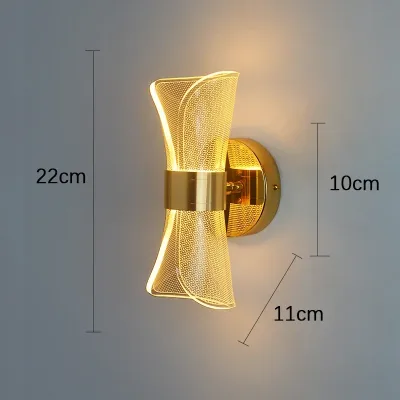
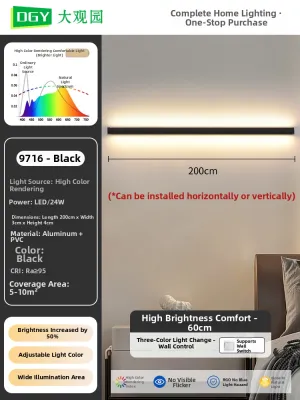
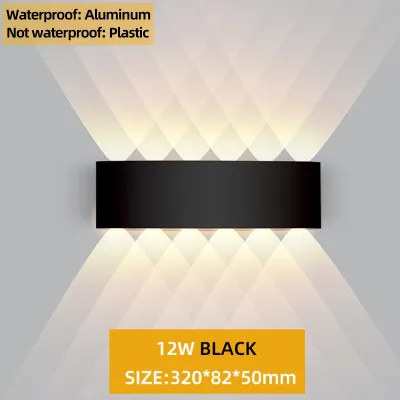
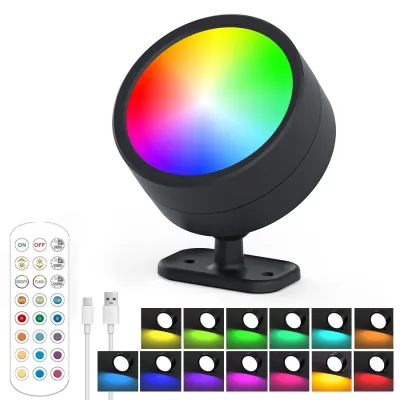
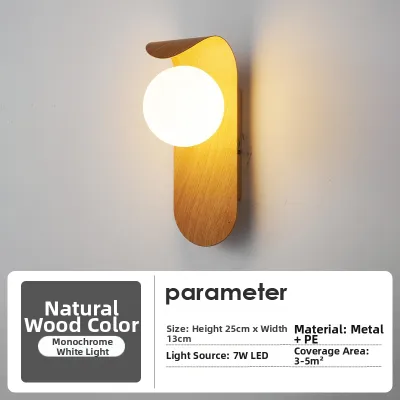
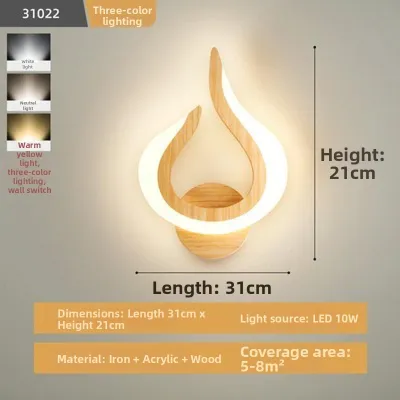
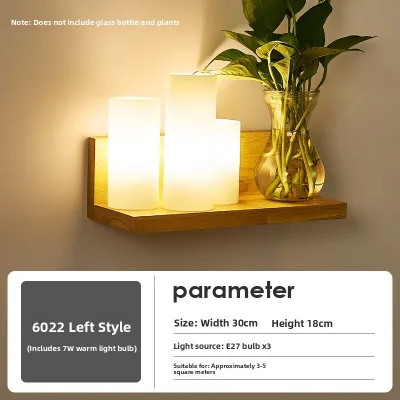
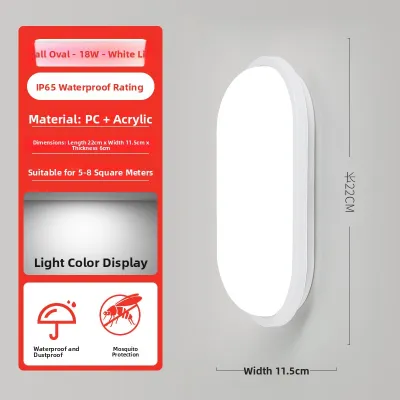
Prices are valid at publication and may change. Please refer to the product page for the latest price.
Wall lights address this spatial limitation by introducing lateral illumination. When light is directed onto the walls—a technique known as wall washing—it reflects off the vertical surfaces and visually pushes the boundaries of the corridor outward, making the entire walkway feel wider and more open. To achieve this effect, the illumination must be uniform. Dark spots or high-contrast shadows along the floor or walls not only shrink the space visually but also present safety hazards for family members navigating the home at night.
Furthermore, because corridors are high-traffic zones, the quality of light directly impacts visual comfort. Harsh, unshielded light sources create intense glare that can cause temporary blindness or eye strain as you walk from a dimly lit bedroom into the hallway. Ensuring a smooth, glare-free transition requires a careful selection of fixtures that shield the light source from direct view while distributing light evenly across the walls and floor.
Essential Specifications for Corridor Wall Lights
Before browsing specific brands, you must understand the technical specifications required for a safe and functional corridor installation in Singapore. These criteria will help you filter out incompatible fixtures and focus on products that meet local building standards and spatial realities.

Voltage and Compliance
Singapore’s electrical grid operates at a standard voltage of 230V and a frequency of 50Hz. Any wall light you purchase must be rated for this voltage. More importantly, look for products that carry the Safety Mark issued by Enterprise Singapore. This certification indicates that the light fixture, particularly its integrated LED driver or transformer, has been rigorously tested against electrical failures, short circuits, and fire hazards under local operating conditions. Avoid importing uncertified fixtures online, as they may lack the necessary thermal protection and fail to comply with local insurance and safety standards.
Dimensions and Protrusion
In a standard HDB corridor, which typically measures between 1.1 and 1.2 meters in width, physical space is at a premium. A bulky wall light that protrudes too far from the wall becomes a physical hazard. It can easily be bumped by occupants carrying laundry baskets, moving furniture, or walking past in the dark. To maintain safe clearance, prioritize low-profile or slimline wall lights. Ideally, the protrusion depth of the fixture should not exceed 100 mm. If your walls allow for structural modifications, recessed wall lights—which sit flush within the wall cavity—are an excellent way to completely eliminate physical obstruction.
Optical Design
To prevent glare in a narrow hallway, avoid fixtures with exposed bulbs or clear glass covers. Instead, opt for wall lights with indirect optical designs. Up-and-down lights are highly effective for corridors because they cast light simultaneously toward the ceiling and the floor, emphasizing the height of the space while illuminating the walking path. If you prefer a single-direction light, look for fixtures with frosted diffusers, deep-recessed light sources, or integrated anti-glare louvers. These design features soften the light output and ensure the physical LED chip is hidden from direct line of sight.
IP Ratings
While corridors are generally considered dry indoor environments, their proximity to other areas of the home can introduce moisture. If your corridor is directly adjacent to a bathroom, a kitchen, or an open service yard prone to wind-blown rain, standard indoor fixtures may degrade prematurely due to humidity. In these transitional zones, select wall lights with an Ingress Protection (IP) rating of at least IP44, which protects the internal electronics from water splashes and moisture ingress. For fully enclosed, air-conditioned, or dry corridors, a standard IP20 rating is perfectly adequate.
Recommended Wall Light Brand Profiles for Corridor Lighting
Navigating the lighting market in Singapore is easier when you understand the three main brand categories available. Each category serves a distinct purpose, ranging from budget-friendly utility to high-end architectural integration and advanced automation.
Global Lighting Giants
Global lighting manufacturers like Philips (Signify), Megaman, and Ledvance (formerly Osram) are highly reliable choices for standard HDB and condominium upgrades. These brands are characterized by highly standardized manufacturing processes, ensuring that the color temperature and lumen output remain completely consistent across multiple fixtures. This consistency is crucial when installing a series of identical wall lights down a single corridor, as even minor variations in color matching can ruin the visual flow.
Furthermore, these global giants offer robust product warranties and have established local distribution networks in Singapore. If a driver or LED module fails several years after installation, sourcing a compatible replacement part or claiming a warranty replacement is straightforward. Their product ranges include a wide variety of minimalist, low-profile surface-mounted wall lights that are easy to install on existing concrete walls without extensive modification. These brands are best suited for homeowners who prioritize long-term reliability, ease of maintenance, and straightforward installation over highly customized design aesthetics.
Specialized Architectural Lighting Brands
For luxury condominiums or design-focused HDB renovations, specialized architectural lighting brands—such as Sol Luminaire, Flos, Artemide, or premium fixtures curated by local lighting showrooms—offer superior optical performance. The standout feature of these brands is their commitment to light quality, often boasting a Color Rendering Index (CRI) of 90 or higher. A high CRI ensures that the paint colors, artwork, and natural wood textures along your corridor appear vibrant and true to life, rather than washed out or gray.
Architectural brands excel in precise beam control. Instead of scattering light indiscriminately, their fixtures use advanced lenses and reflectors to shape the light beam, allowing you to create clean, dramatic wall-washing effects or precise pools of light on the floor. These brands also offer highly sophisticated, minimalist designs, including trimless recessed wall lights that blend seamlessly into plasterboard walls. While these fixtures require a higher initial investment and professional installation, they are the ideal choice when you want the lighting to serve as a key architectural feature of your home.
Smart and Sensor-Integrated Brands
Automating your corridor lighting is one of the most practical upgrades you can make for daily convenience and safety. Brands like Philips Hue, Yeelight, and Lutron specialize in smart lighting ecosystems that integrate seamlessly with motion sensors and home automation platforms like Apple Home, Google Home, or Samsung SmartThings. Rather than searching for a physical light switch in the dark, a smart system uses passive infrared (PIR) motion sensors to automatically illuminate the corridor as soon as you step into the space.
These smart brands allow you to program customized lighting schedules and behaviors. For example, you can configure the corridor wall lights to operate at 100% brightness during the evening, but automatically transition to a dim, warm 10% brightness after midnight. This low-level night-light mode provides just enough illumination for safe navigation to the bathroom or kitchen without waking up the rest of the household or shocking your eyes with blinding glare. This functionality is particularly beneficial for households with young children, elderly residents, or pets.
Comparing Wall Light Brand Categories for Corridor Use
To help you determine which brand category best aligns with your budget, renovation timeline, and functional needs, the table below outlines the key differences between these three options.
| Brand Category | Best For | Key Strengths | Potential Limitations | Typical Price Positioning |
|---|---|---|---|---|
| Global Lighting Giants | Standard HDB/condo upgrades, rental properties, and low-maintenance installations. | High reliability, consistent color matching, long warranties, and easy replacement. | Limited customized design options; can look utilitarian. | Budget-friendly to Mid-range |
| Specialized Architectural Brands | Luxury renovations, art display corridors, and seamless plasterboard integrations. | Exceptional light quality (CRI 90+), precise beam shaping, and premium aesthetics. | Higher fixture cost; often requires professional installation and plastering work. | Premium |
| Smart & Sensor Brands | Night navigation, elderly safety, and automated smart home integration. | Automated motion triggering, customizable dimming schedules, and app control. | Higher upfront cost; requires a stable home Wi-Fi or Zigbee network setup. | Mid-range to Premium |
When deciding between these categories, consider your current renovation stage. If you are doing a complete overhaul with new partition walls, investing in specialized architectural brands allows you to plan for seamless, recessed installations. If you are performing a minor upgrade or retrofitting an existing space, global giant brands offer the easiest one-for-one replacement of older fixtures, while smart brands can be integrated using existing wiring combined with wireless smart sensors.
Planning the Layout: Spacing and Placement Guidelines
Even the highest-quality wall light will fail to perform if it is poorly positioned. To achieve balanced, uniform illumination along your corridor, you must follow specific spacing and mounting guidelines.
Mounting Height
The standard mounting height for corridor wall lights in Singapore residential properties is between 1.5 meters and 1.7 meters above the finished floor level (FFL). This height ensures that the fixture sits roughly at eye level for most adults. Because of this proximity to your line of sight, the physical light source must be shielded or diffused to prevent direct glare. If your home features exceptionally high ceilings—such as in loft units or penthouses—you can increase the mounting height to 1.8 meters to maintain visual balance with the higher volume of the space.
Spacing Calculations
To prevent a patchy, high-contrast effect where bright pools of light alternate with dark, shadowy gaps, space your wall lights systematically. A reliable rule of thumb is to space the fixtures at intervals equal to 1.5 to 2 times their mounting height. For example, if your wall lights are mounted at 1.6 meters above the floor, they should be spaced approximately 2.4 to 3.2 meters apart along the length of the corridor.
If you are using narrow-beam up-and-down lights, place them slightly closer together (around 2 meters apart) to ensure the light cones overlap gracefully on the wall. For wide-angle, diffused fixtures, you can extend the spacing to 3 meters or more. Always ensure that the first and last lights in the sequence are positioned close to the entry and exit points of the corridor to eliminate dark thresholds.
Positioning Relative to Architectural Features
Never place a wall light directly behind the swing path of a door. When the door is opened, it will block the light and could physically strike and damage the fixture. Position your lights at least 300 mm away from any door frames. Additionally, try to align the fixtures symmetrically with other architectural elements, such as centering them between bedroom doors or placing them directly opposite key entryways, to create a clean, intentional visual rhythm.
Installation Rules and Electrical Safety in Singapore
Installing wall lights involves working with mains electricity and, in many cases, modifying your home’s physical structure. In Singapore, these activities are governed by strict safety regulations to protect residents from electrical hazards.
Engaging a Licensed Electrical Worker (LEW)
Under Singapore law, any installation, modification, or repair of fixed electrical wiring must be carried out by a Licensed Electrical Worker (LEW) certified by the Energy Market Authority (EMA). Attempting to wire wall lights yourself is highly dangerous and illegal. A certified LEW will ensure that your new fixtures are properly grounded, that the wiring is safely insulated, and that all connections comply with the SS 638 (formerly CP 5) Code of Practice for Electrical Installations. Always request to see the electrician’s EMA license before permitting any work to begin.
HDB-Specific Structural Rules
HDB flats are constructed using precast concrete panels, some of which are load-bearing structural walls. Hacking these structural walls to conceal electrical wiring is strictly prohibited, as it compromises the safety of the entire building. If you wish to install wall lights on a structural concrete wall, your LEW must run the cables through surface-mounted PVC trunking. To maintain a clean aesthetic, use paintable, low-profile trunking that matches your wall color, or construct a slim plasterboard false wall in front of the concrete to conceal the wiring safely.
Checking Circuit Load Limits
Before adding multiple new wall lights to an existing corridor, your LEW must verify the capacity of your existing lighting circuit. Most residential lighting circuits in Singapore are protected by a 6-Ampere or 10-Ampere Miniature Circuit Breaker (MCB). While modern LED wall lights draw very little power—typically between 5W and 15W per fixture—adding a large number of lights alongside existing ceiling fans, track lights, and downlights could overload an older circuit. Your electrician will calculate the total current draw to ensure your system remains well within safe operational limits.
Frequently Asked Questions (FAQ)
Can I install wall lights in an HDB corridor without hacking the walls?
Yes, you can install wall lights without hacking your concrete walls. The most common method is to use surface-mounted wall lights and run the electrical wiring through slim, paintable PVC trunking along the surface of the wall. Once painted to match your wall color, the trunking becomes virtually invisible. Alternatively, you can construct a shallow plasterboard feature wall or false wall over the existing concrete, which provides a cavity to run all cables cleanly without any structural hacking.
What is the ideal color temperature for corridor wall lights?
For residential corridors, a warm white color temperature between 2700K and 3000K is highly recommended. This range creates a cozy, welcoming atmosphere and is gentle on the eyes, which is particularly important when navigating the hallway late at night. If your corridor also serves as a gallery space to display artwork or family photos, a neutral white temperature of 4000K can be used to provide clearer color definition, provided the fixtures feature high-quality diffusion to prevent harsh glare.
Are motion-sensor wall lights worth it for indoor corridors?
Motion-sensor wall lights are highly beneficial for indoor corridors, offering hands-free convenience, energy savings, and enhanced safety for children and elderly residents. However, you must consider potential drawbacks, such as a slight sensor delay or false triggers caused by roaming household pets. To avoid these issues, select sensors with adjustable sensitivity and detection angles, and position them so they only trigger when someone physically steps into the corridor path rather than merely walking past the doorway.
Community discussion
Share your experience or ask a question. Comments are reviewed before publication.