
Finding the perfect balance between spiritual devotion and modern apartment living is a common challenge for homeowners in Singapore. With the average size of Housing & Development Board (HDB) flats and private condominiums becoming more compact, floor space is at an absolute premium. Traditional floor-standing altars, while majestic, often dominate limited living areas and disrupt contemporary design schemes.
Selecting a wall mount altar offers an elegant, space-saving alternative that respects sacred traditions while seamlessly integrating into modern interiors. Choosing the right setup requires a careful assessment of structural capacity, material durability, and spatial dimensions. Because these altars are suspended, homeowners must prioritize safety, proper anchoring, and fire prevention. By understanding your apartment’s wall construction and selecting materials suited to Singapore’s tropical climate, you can establish a serene, secure sacred space that complements your home’s aesthetic.
Space-Saving Benefits of Wall Mount Altars in HDBs and Condos
In typical Singapore apartments, every square meter of floor space must be utilized efficiently. Traditional floor-standing altar cabinets can occupy a footprint of up to one square meter or more, which can significantly restrict movement in narrow living rooms or dining areas. By opting for a wall-mounted alternative, you reclaim this valuable floor area. This spatial optimization allows you to place low-profile furniture underneath, such as a sleek sideboard, storage chest, or decorative console, or simply leave the space clear to enhance the room’s flow and visual openness.
Products mentioned in this guide
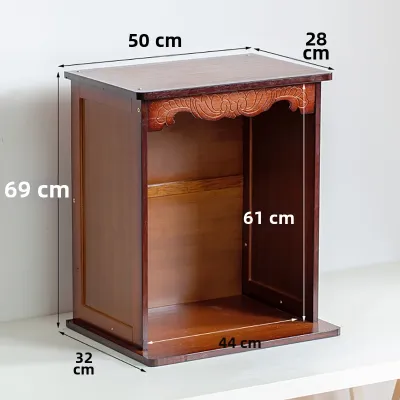
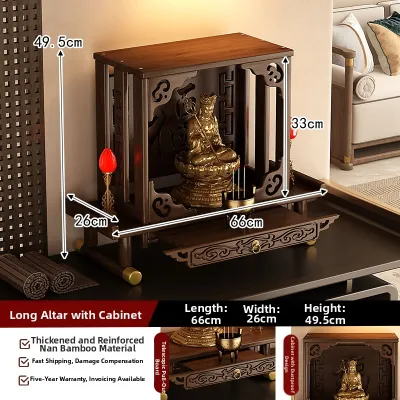
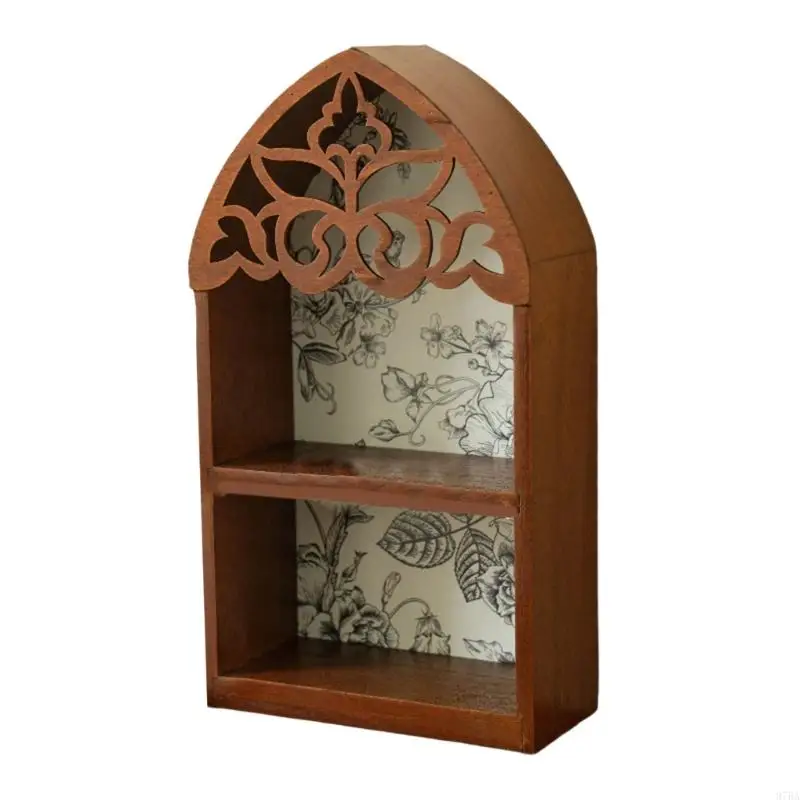
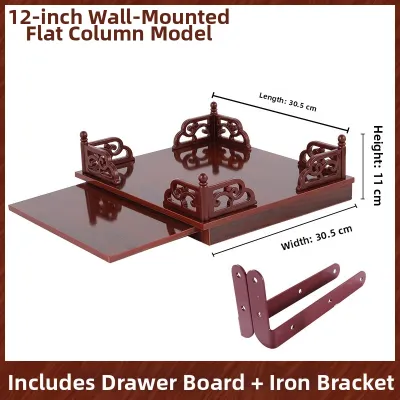
Prices are valid at publication and may change. Please refer to the product page for the latest price.
Beyond physical space, wall-mounted designs dramatically improve home hygiene and maintenance. Cleaning around heavy, floor-standing wooden cabinets is notoriously difficult, often creating hard-to-reach dust traps where pet dander, lint, and moisture accumulate. A wall-mounted unit leaves the floor completely unobstructed, allowing robotic vacuums, mops, and brooms to glide underneath effortlessly. This ensures your living room remains clean and hygienic with minimal manual effort.
From a cultural and spiritual perspective, elevation is a core requirement for sacred altars. Traditional practices dictate that deities and ancestral tablets must be positioned above waist height, and ideally at eye level or higher, as a sign of respect. Wall mounting naturally fulfills this requirement without the need for a massive, dedicated pedestal or cabinet. It allows you to customize the exact height of the altar to suit your family’s height and spatial constraints. Furthermore, keeping the altar elevated protects sacred items, incense burners, and offerings from being accidentally bumped by young children or disturbed by curious household pets.
How to Choose the Right Wall Mount Altar for Your Space
Dimensions and Proportions Before purchasing any wall mount altar, precise measurements are essential. You must measure not only the width and depth of the altar itself but also the surrounding clearance zone. Ensure there is at least 30cm to 50cm of vertical clearance between the top of the altar and the ceiling to prevent heat buildup and smoke discoloration. Additionally, check the swing paths of nearby doors, wardrobe panels, or kitchen cabinets to guarantee they will not collide with the altar or its offerings. The depth of the altar is a critical factor in structural physics: a deeper shelf projects further from the wall, creating a larger cantilevered load that exerts significantly more pulling force (torque) on the wall anchors. For safety, keep the depth of a wall-mounted altar within 30cm to 45cm.

Weight Capacity and Wall Structures The structural integrity of your wall dictates the maximum weight your altar can safely support. HDB flats are primarily constructed using precast concrete panels, structural load-bearing concrete, or lightweight concrete blocks. These solid walls are exceptionally strong and can easily support heavy solid wood altars (weighing 20kg to 30kg or more) when mounted with appropriate steel anchors. Conversely, private condominiums frequently utilize lightweight drywall partitions (gypsum boards mounted on thin metal studs) to divide internal rooms. Drywalls have very limited weight-bearing capacity. If you are mounting an altar on drywall, you must locate the internal metal studs using a stud finder and secure the brackets directly into them, or limit yourself to lightweight acrylic or engineered wood altars weighing under 10kg, utilizing heavy-duty toggle bolts to distribute the load.
Material Durability Singapore’s tropical climate is characterized by high relative humidity, often averaging above 80%. This moisture-rich environment can severely affect certain materials. High-quality solid hardwoods, such as teak, are highly recommended because their natural oils resist moisture, warping, and insect damage, though they are heavy and require robust wall anchoring. Engineered woods, such as medium-density fibreboard (MDF) or particle board, are lighter and more budget-friendly but are prone to absorbing atmospheric moisture. Over time, this absorption can cause the material to swell, sag, or peel, especially when subjected to the weight of heavy brass incense burners or water offerings. Powder-coated metals and high-grade acrylics offer excellent modern alternatives that are completely immune to humidity, though they present different aesthetic and heat-management profiles.
Ventilation and Heat Management Traditional worship often involves burning incense sticks, coils, or candles, which generate significant heat and smoke. If you plan to burn real fire, your wall mount altar must feature excellent ventilation. Enclosed wooden cabinets must have open tops, integrated ventilation grilles, or heat-resistant backing plates (such as tempered glass or stainless steel sheets) to prevent the wood from scorching or catching fire. Alternatively, many modern households are shifting toward electronic LED candles and electric incense burners. When choosing electric options, verify that all power adapters and USB plugs carry the Enterprise Singapore Safety Mark to prevent electrical short circuits. Ensure that any electrical wiring is routed neatly without being pinched behind the mounting brackets, and avoid overloading multi-way adaptors.
Top Wall Mount Altar Designs for Singapore Apartments
Modern Minimalist Floating Shelves
Minimalist floating shelves are an exceptional choice for contemporary condominium and HDB interiors, particularly those styled with Scandinavian, Japandi, or industrial themes. These designs feature clean, horizontal lines without side panels or bulky frames, making the altar appear to float weightlessly on the wall. This open-concept design is highly effective at reducing visual clutter in small rooms, as it allows the wall paint to remain visible around the sacred items.
Because floating shelves have no roof or side enclosures, they offer unrestricted natural ventilation. However, this open design means that rising smoke and soot from traditional incense can directly contact your wall and ceiling, leading to yellowing over time. To preserve your wall paint, it is highly advisable to pair floating altars with smokeless incense, oil diffusers, or safety-certified LED tea lights.
The visual neatness of a floating shelf relies on a hidden bracket system. These systems typically consist of a steel backplate bolted to the wall with two or more solid steel rods that slide into pre-drilled holes within the rear of the wooden shelf. Because there are no visible supporting brackets underneath, the leverage on the wall anchors is intense. You must ensure that the internal steel bracket is heavy-duty and rated for at least 15kg to 20kg to safely support deities, heavy metal offering cups, and daily food offerings.
Traditional Wooden Cabinets with Fold-Down or Sliding Doors
For multi-purpose rooms, studio apartments, or shared living spaces where visual privacy is preferred, traditional wooden cabinets with integrated doors are highly functional. These enclosed designs allow you to close the doors when the altar is not in active use, concealing the sacred space and maintaining a clean, neutral room aesthetic. This is particularly useful in modern homes where a dedicated prayer room is not available.
An enclosed cabinet provides excellent protection for your sacred statues, ancestral tablets, and decorative items. It shields them from airborne dust, kitchen grease, and household pets. When selecting an enclosed cabinet, look for designs that feature sliding doors or fold-down front panels that double as extended offering trays.
The mechanical hardware of these cabinets is a critical point of inspection. Fold-down doors rely on hinges, pneumatic struts, or support chains to hold them horizontally. When you place heavy offerings, such as fruit plates or brass water cups, on a folded-down door, it experiences substantial downward torque. Always verify with the manufacturer that the hinges and sliding tracks are heavy-duty and rated to support both the weight of the door panel and the maximum intended load of your daily offerings.
Acrylic and Glass Enclosed Altars
Acrylic and glass enclosed altars represent a highly popular trend in modern Singapore home renovations. By utilizing transparent or semi-transparent materials, these designs allow light to pass through freely, which visually minimizes the altar’s footprint. This transparency prevents a small HDB living room from feeling dark, cramped, or visually obstructed, creating a bright and airy atmosphere.
One of the greatest practical benefits of acrylic and tempered glass is the ease of cleaning. Traditional carved wooden altars feature intricate grooves and crevices that trap soot, ash, and dust, requiring meticulous hand-cleaning. In contrast, smooth acrylic and glass surfaces can be wiped clean in seconds with a soft cloth, making daily maintenance effortless.
However, safety must be your primary consideration when choosing these materials. Acrylic (polymethyl methacrylate) is a thermoplastic with a relatively low melting point. If you burn traditional wax candles or oil lamps inside an acrylic enclosure, the heat can cause the panels to warp, discolor, or emit toxic fumes. In worst-case scenarios, direct contact with an open flame can ignite the material. If you prefer traditional burning methods, you must opt for tempered glass panels secured within a sturdy metal frame, as tempered glass offers high heat resistance. If you choose an acrylic altar, restrict your worship accessories strictly to cool-running LED candles and electronic incense.
Safe Installation and Weight Limits for HDB and Condo Walls
Identifying Wall Structures Before attempting to mount any altar, you must accurately identify the composition of your wall. You can perform a simple tap test: knock firmly on the wall surface with your knuckles. A dull, solid, and heavy sound indicates a load-bearing concrete wall or precast concrete panel, which is standard in HDB flats. A hollow, echoing sound indicates a drywall partition (common in condos) or a hollow brick wall. Never guess your wall type, as using concrete anchors in drywall, or vice versa, will inevitably lead to structural failure and cause the altar to collapse.
Anchoring Requirements Standard plastic wall plugs (often included free in retail packaging) are entirely inadequate for supporting the dynamic and cantilevered loads of a wall mount altar. For solid concrete walls, you should use heavy-duty steel sleeve anchors or high-performance nylon expansion plugs (such as Fischer DuoPower or UX plugs) paired with high-tensile steel screws. These anchors expand deep inside the concrete, creating a secure grip that can support substantial weight. For drywall partitions, standard plugs will pull straight out. Instead, you must use heavy-duty metal toggle bolts (butterfly anchors) that expand behind the gypsum board, or physically secure your mounting brackets directly into the internal vertical metal studs.
Professional Installation Boundaries Installing a wall-mounted altar is a high-stakes task that requires precision. If the altar is mounted unevenly, items may slide off; if it is anchored poorly, the entire unit could fall, causing severe injury or structural damage. Furthermore, drilling into walls carries a hidden danger: puncturing concealed electrical conduits or water pipes. This risk is exceptionally high when drilling near light switches, power outlets, or walls shared with bathrooms and kitchens. Always use a digital wall scanner to detect live wires and pipes before drilling. If you do not possess a high-powered rotary hammer drill (which is necessary for penetrating HDB concrete), are uncomfortable working at height, or need to drill into delicate tiled surfaces, you should stop and hire a qualified, HDB-registered handyman or professional installer. If drilling yourself, always isolate the main electrical breaker at your home’s distribution board (DB box) before commencing work.
Fire and Smoke Safety Fire safety is paramount when dealing with elevated altars. Ensure the altar is positioned far away from windows, ceiling fans, air conditioning units, and fluttering curtains, as sudden drafts can blow flames onto flammable materials. Maintain a minimum safe clearance of one meter between the altar and any soft furnishings, tapestries, or hanging decorations. Never store spare matches, lighter fluid, or ritual oils directly inside or underneath a heated altar cabinet. If you reside in a private condominium, consult your MCST by-laws; some developments have highly sensitive optical smoke detectors and automated water sprinkler systems installed in living areas, which can be triggered by traditional incense smoke, making LED alternatives a practical necessity.
Cleaning and Maintenance Tips for Wall-Mounted Altars
To preserve the beauty and structural safety of your wall mount altar, establishing a regular cleaning and maintenance routine is essential. Because these units are mounted at an elevated height, safety must always come first during maintenance. Never stand on unstable household furniture, such as plastic stools, dining chairs, or wheeled office chairs, to reach the altar. Always use a sturdy, slip-resistant step ladder placed on a flat, level floor. Keep one hand free to grip the ladder for balance, or have another household member stand nearby to secure the base of the ladder while you clean.
Cleaning methods must be tailored to the specific materials of your altar to prevent damage. For acrylic panels, never use standard window cleaning sprays, paper towels, or abrasive scouring pads. Acrylic is highly susceptible to micro-scratches and chemical clouding (crazing) when exposed to ammonia or harsh solvents. Instead, use a clean, ultra-soft microfiber cloth lightly dampened with warm water and a single drop of mild dishwashing liquid, or use a specialized anti-static acrylic cleaner. Tempered glass panels can be cleaned with standard glass cleaner, but take care to spray the cleaner onto your cloth first rather than directly onto the altar, preventing liquid from seeping into adjacent wooden joints or metal frames.
Over time, Singapore’s high humidity and temperature fluctuations can cause wooden components to expand and contract, which may gradually loosen mounting screws. Additionally, subtle vibrations from slamming doors, high-speed ceiling fans, or nearby road traffic can affect wall anchors. Every six months, perform a quick structural inspection. Gently apply upward and downward pressure to the altar to check for any physical play, sagging, or gaps forming between the bracket and the wall. If you notice any movement, immediately tighten the mounting screws or consult a professional handyman to reinforce the installation.
Accumulated incense ash and soot are not only unsightly but can also cause permanent damage. Ash contains alkaline compounds that can stain wood laminates, strip paint, and corrode metal surfaces if left in contact with moisture. Always wipe away fallen ash promptly using a dry microfiber cloth first to prevent smearing, followed by a lightly damp cloth. To protect the shelf surface from heat and ash stains, consider placing a removable, heat-resistant silicone mat, a ceramic tile, or a tempered glass runner directly beneath your incense burner.
Frequently Asked Questions (FAQ)
Can I install a wall mount altar on an HDB household shelter wall or door?
No. Under the Housing & Development Board (HDB) renovation guidelines, drilling, hacking, or making any structural modifications to the walls, floor, ceiling, or steel door of an HDB household shelter (commonly referred to as the bomb shelter) is strictly prohibited. These walls are heavily reinforced with thick steel rebars and specialized concrete designed to withstand extreme blast forces. Any drilling compromises the structural integrity and safety rating of the shelter, and can result in heavy fines from authorities. You must choose an alternative solid concrete wall within your living room, dining room, or entrance foyer for your altar installation.
Are there specific Feng Shui guidelines for wall-mounted altars in high-rise apartments?
Yes, adapting traditional Feng Shui principles to modern high-rise apartments is highly common. The altar should never be mounted on a wall that is shared with a bathroom, kitchen, or master bedroom, as these areas are associated with waste, heat, or private activities, which can disrupt spiritual energy. Additionally, avoid positioning the altar directly facing a bathroom door or placing it directly underneath a prominent structural ceiling beam, as beams are believed to exert heavy downward pressure on the household’s energy. For optimal harmony, the altar should face outward toward an open area, such as the living room or foyer, avoiding direct alignment with the main entrance door in a way that causes incoming energy to clash.
Do I need condo management approval to install a wall-mounted altar?
Generally, installing a standard wall-mounted altar inside your private condominium unit does not require formal approval from your condo’s Management Corporation Strata Title (MCST), as it is classified as an internal cosmetic fixture. However, you must seek formal management approval if your installation involves hacking structural shear walls, drilling into shared common property (such as the external corridor walls), or installing external venting systems for smoke extraction. It is always wise to review your condominium’s specific house rules regarding indoor burning, as some developments have strict policies regarding smoke generation and fire alarm systems.
Community discussion
Share your experience or ask a question. Comments are reviewed before publication.