
Selecting the ideal wall photo frame styles is a critical step in defining the character of your home. The right frames do not merely hold your artwork; they act as structural elements that bridge the gap between your prints and your interior architecture. For minimalist, Scandinavian, and industrial design styles, the choice of frame material, profile thickness, and mounting method can either seamlessly reinforce your aesthetic or create distracting visual friction. By understanding the core design elements of each style, you can confidently choose frames that elevate your living space.
To make an informed decision, you must evaluate how frame profiles, materials, finishes, and matting choices interact with your walls. This guide breaks down the essential features of high-quality photo frames for wall displays, details the best styling choices for the three major design movements, and provides practical layout and safety tips tailored for Singaporean homes.
Core Features to Evaluate in Wall Photo Frames
Before matching frames to a specific interior design style, you must understand the fundamental physical characteristics that dictate their visual weight and performance. Evaluating these features ensures your frames harmonize with your walls rather than overpowering them.
Products mentioned in this guide

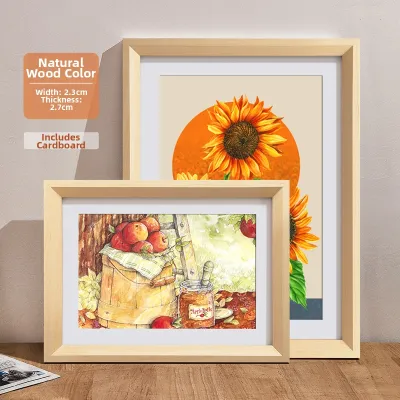
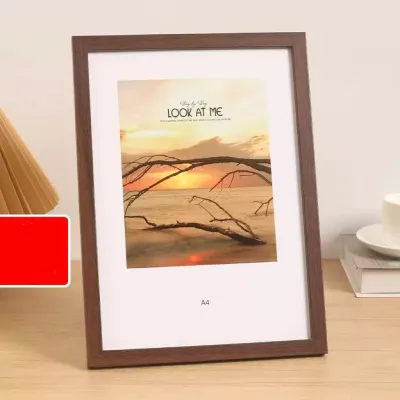
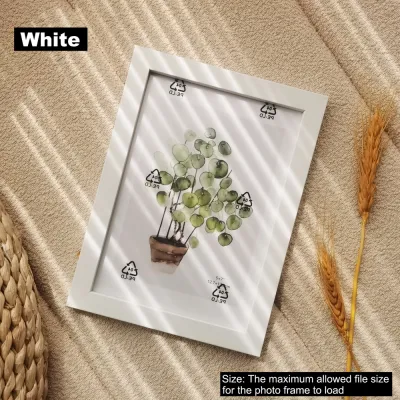
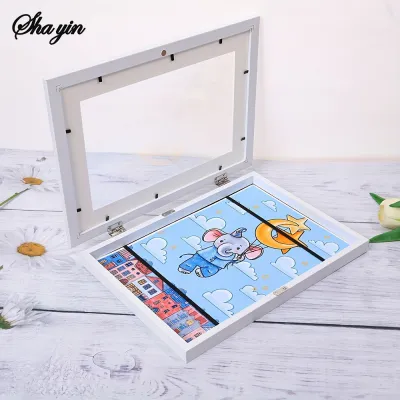
Prices are valid at publication and may change. Please refer to the product page for the latest price.
Frame Profile and Visual Weight
The profile of a frame refers to its face width (the visible border when looking directly at it) and its depth (how far it projects from the wall). A frame with a thin face width of 5mm to 10mm has a low visual weight, making the artwork appear light and modern. Conversely, a wide profile of 30mm to 50mm commands attention and anchors the artwork, but can overwhelm small rooms. The depth also plays a role; shadowbox frames with a depth of 30mm or more create dramatic shadows that add three-dimensional interest to flat walls.
Material Characteristics
Frame materials influence both durability and aesthetic expression. Solid wood (such as oak, ash, or walnut) offers natural grain patterns and a premium, tactile quality, though it is heavier and requires proper sealing against moisture. Engineered wood (MDF) is a highly uniform, budget-friendly alternative, but it is susceptible to swelling in high-humidity environments if the protective laminate is compromised. Metal frames, typically crafted from extruded aluminum, are incredibly strong, lightweight, and warp-resistant, allowing for ultra-thin profiles. Acrylic frames offer a modern, frameless look where the art is sandwiched between two clear panels, creating a floating effect.
Color, Finish, and Hardware
The finish of a frame dictates how it interacts with light. Matte finishes absorb light, preventing distracting reflections and keeping the focus entirely on the image. Gloss finishes reflect light, adding a polished, formal touch that works well in sleek, contemporary settings. Distressed or textured finishes introduce raw character, mimicking natural weathering or industrial wear. Additionally, consider hardware visibility; while most frames rely on concealed rear brackets, some industrial designs feature exposed corner bolts or visible hanging chains that serve as decorative accents.
The Function of Matting (Passe-Partout)
Matting is the cardboard border that surrounds the artwork inside the frame. Beyond its aesthetic role of creating deliberate negative space to draw the eye inward, matting serves a vital protective function. It prevents the surface of the photograph from directly touching the glass or acrylic glazing. In humid climates, direct contact can cause the print to stick to the glazing, leading to permanent damage. Matting also elevates the perceived quality of the print, transforming a basic poster into a gallery-worthy display.
Best Frame Styles for Minimalist Spaces
Minimalism centers on the philosophy of “less is more,” prioritizing clean lines, open space, and the elimination of unnecessary clutter. Frame selections for minimalist interiors must respect this restraint, serving as quiet structural borders rather than decorative statements.

Ultra-Thin Metal Profiles
For a minimalist aesthetic, ultra-thin metal frames are highly recommended. Look for aluminum profiles with a face width of 5mm to 8mm in matte black, matte white, or brushed titanium. These frames provide the necessary structural rigidity to support large-format prints while presenting an incredibly slim, clean border that does not distract from the artwork itself.
Frameless Acrylic and Flush-Mount Designs
To push the boundaries of minimalism, consider frameless acrylic blocks or flush-mount float frames. These styles eliminate the traditional border entirely. Acrylic float frames suspend the artwork between two sheets of polished acrylic, allowing the wall color to show through the edges and making the photo appear as if it is hovering in mid-air. This approach maximizes visual openness and integrates the art directly into the architecture.
Wide, Crisp White Matting
In minimalist framing, the matting is often as important as the frame itself. Use generous, extra-wide white matting to create a vast field of negative space around your photograph. For example, a small 10x15cm print housed in a 40x50cm frame with a wide, crisp white mat looks highly intentional, luxurious, and clean. Ensure the mat board is acid-free and matches the undertone of your wall paint to maintain a cohesive look.
Avoiding Distractions
Steer clear of frames with ornate carvings, beveled edges, visible wood grains, or high-gloss metallic finishes like polished chrome or gold. These elements introduce visual noise that disrupts the serene, uncluttered atmosphere of a minimalist room. Stick to flat, square-edged profiles that align perfectly with the flat surface of the wall.
Strict Grid Symmetry
When displaying multiple photo frames for wall arrangements in a minimalist space, layout discipline is essential. Opt for identical frame sizes and identical matting widths, arranging them in a strict, mathematically precise grid (such as a 2×2 or 3×3 layout). Keep the spacing between frames tight and uniform—typically between 3cm and 5cm—to create a unified, architectural installation.
Best Frame Styles for Scandinavian Interiors
Scandinavian design balances modern functionality with a warm, cozy, and nature-inspired aesthetic. Often referred to as “hygge,” this style embraces soft textures, natural light, and organic materials to create inviting, comfortable living spaces.
Light-Toned Natural Woods
To complement the bright and airy feel of a Scandinavian interior, choose frames crafted from light-toned natural woods. Oak, ash, birch, and light pine are excellent choices. These woods feature visible, gentle grain patterns that introduce organic warmth and tactile texture to the walls, preventing the light-colored rooms from feeling cold or sterile.
Slim, Unadorned Wooden Profiles
Select slim, flat wooden profiles with a face width of 15mm to 20mm. These profiles are slightly wider than minimalist metal frames, offering a softer visual weight that grounds the artwork without feeling heavy or imposing. The natural, unlacquered matte finish of the wood should be preserved to highlight its organic origin.
The Curated Gallery Wall
Scandinavian homes frequently utilize the “gallery wall” or “salon hang” approach, which feels more relaxed and lived-in than a rigid grid. You can achieve this by mixing different frame sizes while maintaining visual harmony. To keep the display cohesive, use the same wood species (such as light oak) across all frames, or mix light wood with a few slim white frames to add subtle variety without cluttering the wall.
Off-White and Cream Matting
Instead of the stark, bright white matting used in minimalist spaces, opt for off-white, cream, or soft ivory mat boards. These warmer tones soften the transition between the natural wood frame and the wall, complementing the warm neutral color palettes (such as beige, greige, and soft taupe) commonly found in Scandinavian homes.
Materials to Avoid
Avoid dark, heavy, or highly industrial materials. Chunky black frames, distressed metals, and high-gloss finishes will clash with the soft, luminous, and nature-driven palette of a Scandinavian room. Keep the materials honest, light, and visually gentle.
Best Frame Styles for Industrial Lofts and Homes
Industrial design celebrates raw materials, exposed architectural elements, and utilitarian functionality. Frame selections for these spaces should embrace an unpolished, structural, and weathered aesthetic that complements concrete, brick, and metal surfaces.
Unfinished and Distressed Metals
For an authentic industrial feel, select frames made from unfinished or distressed metals. Blackened iron, raw steel, antique brass, and weathered copper are ideal. These frames often feature visible welds, rivets, or minor surface imperfections that echo the look of factory fixtures, exposed piping, and structural beams.
Reclaimed and Rough-Sawn Wood
If you prefer wood, opt for dark, reclaimed, or rough-sawn timber frames. Profiles featuring visible knots, nail holes, saw marks, and weathered, greyed finishes add incredible tactile depth. These rugged frames pair beautifully with exposed brick walls or textured concrete screed, adding a sense of history and warmth to the industrial environment.
Structural and Grid-Style Frames
Consider structural multi-opening frames or grid frames that mimic the look of multi-pane factory windows. These frames are excellent for displaying a series of black-and-white architectural blueprints, engineering drawings, or urban photography. The black metal dividers reinforce the geometric, utilitarian lines of industrial architecture.
Leaning and Floor Displays
Industrial spaces benefit from a relaxed, art-studio atmosphere. Instead of hanging every frame, lean large, heavy, oversized frames directly against the wall on the floor or atop a low concrete console table. This casual, non-permanent presentation style feels effortless and highlights the grand scale of industrial rooms.
Asymmetrical and Mixed-Material Layouts
Embrace asymmetry and mixed materials when planning your display. You can successfully combine a blackened steel frame with a rough-sawn barn wood frame on the same wall. This eclectic, collected-over-time approach fits perfectly within the relaxed, unpolished boundaries of industrial design.
Layout Strategies and Safe Installation Guide
Achieving a professional-looking wall display requires both aesthetic planning and structural safety. Different design styles call for different layout strategies, and each wall type demands specific hardware to prevent damage.
Layout Styles Compared
To visualize how your frames will look, compare the three primary layout strategies:
- Strict Grid: Best suited for minimalist spaces. It uses identical frames aligned precisely along horizontal and vertical axes, creating a clean, architectural block.
- Organic Gallery: Ideal for Scandinavian interiors. It arranges frames of varying sizes around a central horizontal or vertical axis, maintaining balance without rigid symmetry.
- Leaning & Layering: Perfect for industrial settings. Large frames sit on the floor or a deep shelf, with smaller frames slightly overlapping them to create depth.
Wall Identification Before Drilling
Before mounting any photo frames for wall displays, you must identify your wall material. In Singapore, residential walls are typically solid concrete (such as structural walls and HDB partition walls) or drywall/gypsum partition boards (common in newer condominiums and renovated rooms).
To identify your wall type, gently knock on the surface. A hollow, echoing sound indicates drywall, while a solid, dull thud indicates concrete or brick.
Hardware Selection and Weight Limits
Using the wrong hardware can cause your frames to fall, damaging your walls and your artwork. Follow these hardware guidelines based on wall type:
- For Concrete Walls: You must use a hammer drill with a masonry drill bit to create a hole. Insert a plastic wall plug (anchor) fully into the hole, then drive a steel screw into the plug, leaving about 5mm of the screw head exposed to catch the frame's hanging wire or D-ring. Adhesive hooks are highly unreliable on concrete walls and often fail due to humidity.
- For Drywall Partition Walls: Use self-drilling drywall anchors or heavy-duty toggle bolts. Never drive a standard wood screw directly into plasterboard without an anchor, as it will pull out under the weight of the frame.
- Hanging Wire and D-Rings: Ensure your frame is fitted with sturdy D-rings on both sides of the back. For wide or heavy frames, run a braided steel hanging wire between the D-rings to distribute the weight evenly.
Safety Boundaries
For exceptionally heavy frames (exceeding 5kg), complex multi-frame installations above high-risk areas like bed headboards or sofas, or when you are uncertain of your wall’s internal composition (such as the location of hidden electrical conduits or water pipes), you must stop. Do not guess load limits or drill blindly. Consult a qualified handyman or professional installer to ensure a safe, secure mount.
Final Buying Checklist for Singapore Homes
When shopping for photo frames for wall displays from local home decor retailers, keep these practical, Singapore-specific considerations in mind to ensure your purchase fits your space and lasts for years.
Sizing and Proportions
Never estimate frame sizes by eye. Measure your wall space precisely and map out your planned layout. Use low-tack painter’s tape to mock up the exact dimensions of the frames on your wall. Leave the tape outlines up for a few days to evaluate how the scale and proportions feel as you move around the room.
Glazing Choices: Glass vs. Acrylic
When choosing the protective front panel (glazing) for your frames, consider the trade-offs between traditional glass and acrylic (plexiglass):
- Glass: It is highly scratch-resistant, rigid, and easy to clean, but it is heavy and fragile. Glass is suitable for small to medium frames.
- Acrylic: It is incredibly lightweight, shatterproof, and safer for large-format frames (such as A1 or A0 sizes). It is highly recommended for homes with young children, pets, or high-traffic corridors where frames might accidentally be bumped.
Glare and UV Protection
Singapore’s bright, tropical sunlight can cause severe glare on standard glass, making it difficult to view your photos. If your frames will be positioned opposite or near large windows, balconies, or bright light sources, select frames with anti-reflective (AR) glass or non-glare acrylic. Additionally, look for UV-filtering glazing to protect your prints from fading or yellowing over time due to sun exposure.
Humidity Considerations
With Singapore’s high relative humidity often exceeding 80%, protecting your prints from moisture is crucial. Ensure your frames feature a tightly sealed backing board. Use professional framing tape to seal the seams where the backing board meets the frame profile, preventing humid air from seeping inside. Always use acid-free matting to keep the print from pressing directly against the glass, which prevents moisture condensation from trapping and ruining the image.
Frequently Asked Questions (FAQ)
Can I mix different frame styles in one room?
Yes, mixing frame styles is an excellent way to add visual depth, provided you maintain a unifying element to prevent the display from looking chaotic. To achieve cohesion, keep at least one design dimension consistent. For example, you can mix natural oak frames with matte black metal frames if you use the exact same color and width of matting across all of them, or if all the artwork shares a consistent color palette.
What is the safest way to hang heavy frames on concrete walls?
The safest method for concrete walls is to drill a hole using a hammer drill and a masonry bit, insert a matching plastic wall plug, and secure a heavy-duty screw into the plug. This mechanical anchor provides the shear strength necessary to support heavy loads. Avoid using adhesive strips or adhesive plastic hooks for heavy frames, as the high humidity in Singapore can degrade the adhesive over time, causing the frame to fall. If the frame is extremely heavy or you are uncomfortable drilling, hire a professional handyman.
How do I prevent glare on photo frames near windows?
To minimize distracting reflections in brightly lit rooms, avoid standard float glass. Instead, look for frames equipped with specialized anti-reflective (AR) glass, non-glare matte glass, or museum-grade acrylic. These materials are treated with micro-textures or optical coatings that diffuse or cancel out light reflections. Alternatively, position your frames on walls that run perpendicular to your windows rather than directly opposite them.
Community discussion
Share your experience or ask a question. Comments are reviewed before publication.