
Selecting the right waterproof lamp for your corridor in Singapore is a critical decision that directly impacts both home safety and long-term durability. Singapore’s unique tropical climate—characterized by high relative humidity, frequent heavy downpours, and persistent ambient moisture—creates a challenging environment for electrical fixtures. Whether you are illuminating an open-sided HDB common corridor, a sheltered condominium walkway, or a private landed property entrance, standard indoor lighting fixtures are highly susceptible to premature failure and electrical hazards.
To make an informed purchase, homeowners and property managers must look beyond aesthetic appeal and evaluate key technical specifications, such as Ingress Protection (IP) ratings, material compositions, and local regulatory certifications. Trusted global brands like Philips and Panasonic, alongside specialized commercial-grade manufacturers like Opple and NVC, offer robust waterproof wall light solutions designed to withstand Singapore’s demanding weather conditions. This comprehensive guide details why moisture protection is essential, how to decode technical specifications, and which brands provide the most reliable fixtures for your corridor lighting needs.
Why Your Singapore Corridor Needs Waterproof Wall Lights
Singapore’s tropical climate features an average relative humidity that consistently exceeds 80%, climbing even higher during the monsoon seasons. This continuous moisture exposure means that even covered outdoor areas are constantly subjected to water vapor. Over time, this high ambient humidity leads to moisture accumulation inside electrical fixtures, making standard indoor lights highly vulnerable to degradation.
Products mentioned in this guide
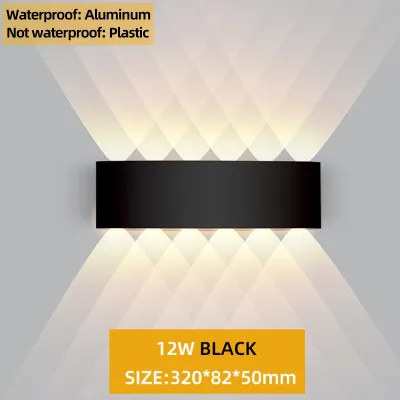
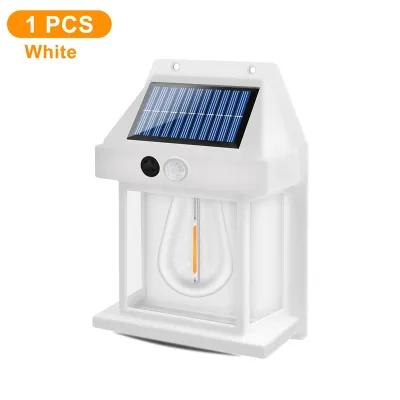
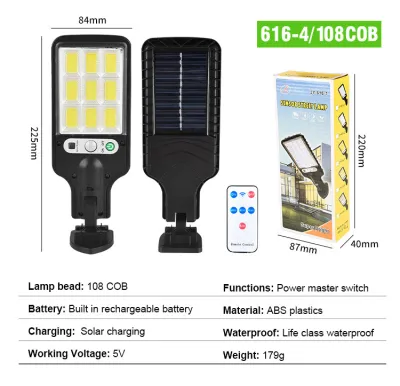
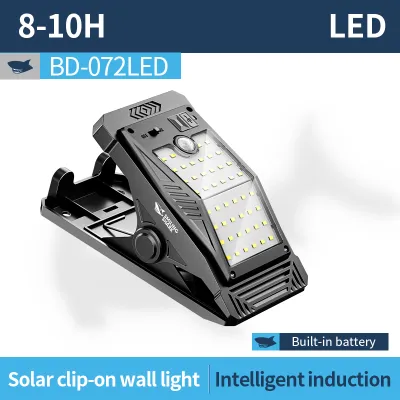
Prices are valid at publication and may change. Please refer to the product page for the latest price.
There is a significant difference between fully enclosed, air-conditioned corridors and naturally ventilated walkways. Air-conditioned corridors in commercial buildings or modern condominiums experience temperature differentials that can cause micro-condensation to form inside light fixtures. Naturally ventilated or open-sided walkways, common in HDB estates and older apartment blocks, are directly exposed to wind-blown rain, driving mist, and fluctuating outdoor temperatures, requiring a much higher level of physical protection.
As a light fixture operates, it generates heat, causing the air inside the housing to expand. When the light is turned off, the internal temperature drops, creating a slight vacuum that draws in the surrounding humid air. Over time, this moisture accumulates as liquid water inside the fixture if the unit lacks adequate sealing. This internal condensation is one of the leading causes of premature fixture failure in tropical climates.
Moisture inside an electrical fixture leads to rapid oxidation of copper wiring, corrosion of terminal blocks, and degradation of the LED driver’s delicate circuitry. This can cause intermittent flickering, premature bulb failure, or worse, a direct short circuit. In Singaporean households, such faults will instantly trip the Residual Current Circuit Breaker (RCCB) at the main distribution board, plunging the home or common area into darkness and requiring professional troubleshooting.
Key Specifications to Check Before Buying a Waterproof Lamp
Before investing in any waterproof lamp, it is crucial to understand that “waterproof” is a relative marketing term rather than a standardized technical specification. Buyers must learn to read and verify the exact engineering specifications provided on product labels, packaging, and manufacturer specification sheets. Relying solely on brand names or general product descriptions can lead to purchasing an inadequate fixture that fails to meet local safety standards or environmental demands.

When evaluating any wall light for installation in Singapore, verify the following core specifications:
- Voltage and Frequency: Ensure the fixture is rated for Singapore's standard mains voltage of 230V at 50Hz.
- SAFETY Mark Certification: In Singapore, controlled goods like ballasts, LED drivers, and certain luminaires must carry the Enterprise Singapore SAFETY Mark. Always check the physical driver or the manufacturer's specification sheet for this certification to ensure compliance with local electrical safety regulations.
- Wattage Limits and Base Types: Verify whether the fixture uses integrated LEDs or replaceable bulbs (such as E27 or GU10 bases). Ensure the wattage of any replacement bulb does not exceed the fixture's rated maximum thermal capacity.
- Dimming Compatibility: If your corridor uses a dimming switch or motion-activated sensor, confirm that the driver supports the specific dimming protocol (e.g., Triac, 1-10V, or DALI).
- Physical Dimensions: Measure the mounting surface and clearance space. Ensure the fixture does not obstruct corridor pathways, especially in narrow HDB corridors where civil defense regulations require clear passage.
Decoding IP Ratings for Corridor Environments
The Ingress Protection (IP) rating system is the international standard for measuring a fixture’s resistance to solids and liquids. An IP44 rating indicates that the fixture is protected against solid objects larger than 1 millimeter and is resistant to water splashes from any angle. This level of protection is generally sufficient for covered, well-sheltered corridors, lift lobbies, and walkways where direct exposure to driving rain is physically blocked by structural walls or deep overhangs.
For corridors that are open to the elements, semi-outdoor walkways, or perimeter walls, an IP65 rating is highly recommended. The digit “6” denotes that the fixture is completely dust-tight, preventing even microscopic dust particles from entering the housing. The digit “5” indicates protection against low-pressure water jets from any direction, ensuring the fixture remains safe and operational even during intense tropical monsoons with strong, driving winds. Always verify this rating on the physical product label or the manufacturer’s official technical datasheet.
Material Durability and Corrosion Resistance
The choice of housing material plays a significant role in how well a wall light survives Singapore’s intense heat and humidity. Polycarbonate (PC) is a highly durable, impact-resistant thermoplastic that does not rust, making it an excellent choice for coastal or highly humid areas. However, lower-grade plastics can become brittle and yellow over time due to intense ultraviolet (UV) radiation from the tropical sun. When choosing synthetic materials, verify that the manufacturer specifies UV-stabilized polycarbonate.
Metal housings offer superior structural rigidity and a premium aesthetic. Die-cast aluminum is highly favored for its excellent thermal conductivity, which helps dissipate heat from the LED driver. However, it must be treated with a high-quality powder coating or anti-corrosion finish to prevent oxidation. For coastal corridors exposed to salt-laden air, marine-grade 316 stainless steel is the gold standard, as standard 304 stainless steel can develop surface rust or “tea-staining” when exposed to high humidity and salt. Always check the manufacturer’s care instructions to verify these material treatments.
Corridor-Specific Lighting Features
Corridor lighting must balance safety, visibility, and visual comfort. Color temperatures between 3000K (warm white) and 4000K (cool white) are optimal for residential and commercial walkways. Warm white (3000K) creates a comfortable, inviting atmosphere suitable for residential corridors, while cool white (4000K) provides crisp, clear visibility that aids navigation and security. Avoid extremely high color temperatures (5000K or above), as the harsh blue-white light can cause intense glare off reflective corridor walls and strain the eyes.
To optimize energy efficiency, look for waterproof wall lights equipped with integrated passive infrared (PIR) motion sensors or dusk-to-dawn photocells. PIR sensors automatically activate the light when movement is detected, which is ideal for low-traffic corridors during late-night hours. Photocells ensure the light only operates when ambient light levels drop below a certain threshold. When selecting a sensor-equipped fixture, verify the manufacturer’s specified detection range and angle to ensure it matches your corridor’s layout without detecting irrelevant movement from adjacent areas.
Trusted Wall Light Brands for Waterproof Corridor Lighting
Navigating the local lighting market in Singapore reveals a wide array of options, from budget-friendly unbranded fixtures to premium architectural luminaires. While choosing an established brand provides a baseline of quality and engineering reliability, buyers must still exercise due diligence. Every model chosen must be individually verified for its specific IP rating, local warranty terms, and compliance with local electrical safety regulations. The following brands represent reliable starting points, categorized by their primary design and engineering strengths.
Philips: Versatile Ranges and Smart Integration
Philips, managed globally by Signify, is a household name in Singapore, known for its extensive distribution network and reliable lighting technology. Their range of outdoor and damp-rated wall lights is highly versatile, spanning classic bulkhead designs to modern, minimalist wall sconces. Homeowners can easily source these fixtures through authorized local lighting showrooms, home improvement stores, and official online brand stores.
One of the primary advantages of choosing Philips is their seamless integration with smart home ecosystems. Many of their waterproof wall lights are compatible with the Philips Hue or WiZ smart lighting systems. This compatibility allows users to establish automated lighting schedules, synchronize corridor lights with local sunset and sunrise times, and adjust brightness levels remotely via a smartphone app. This smart integration is particularly valuable for enhancing home security and reducing energy consumption in private residential corridors.
However, buyers must remain vigilant when selecting a Philips fixture. The brand produces a vast range of indoor decorative wall lights that carry only an IP20 rating, which is entirely unsuitable for damp or semi-outdoor corridors. Always inspect the product packaging or technical specification sheet to confirm the model is specifically rated IP44 or IP65. Additionally, ensure that the product is covered by a valid local Singapore warranty, as parallel-imported models may not be eligible for local after-sales support.
Panasonic: Sensor Technology and Energy Efficiency
Panasonic has long established a reputation in Singapore for engineering high-quality, exceptionally durable consumer electronics and home fixtures. Their lighting division focuses heavily on functional, energy-efficient designs that are highly suited for the practical demands of HDB and condominium corridor lighting.
The standout feature of Panasonic’s waterproof wall lights is their advanced, integrated sensor technology. Panasonic utilizes highly reliable PIR sensors engineered to operate consistently in tropical climates, minimizing false triggers caused by wind-blown foliage or ambient heat fluctuations. These fixtures are designed with high-efficacy LED modules that deliver maximum lumen output while consuming minimal wattage, helping homeowners and building management committees keep communal electricity bills low.
Panasonic fixtures are also built to comply strictly with regional safety and quality standards. When selecting a Panasonic sensor-equipped wall light, it is important to review the manufacturer’s user manual to verify the sensor’s horizontal and vertical detection angles. This ensures the sensor will trigger reliably as soon as someone enters the corridor, rather than requiring them to walk halfway down a dark corridor before the light activates.
Architectural and Commercial Lighting Specialists
For homeowners or condominium management councils seeking highly durable, heavy-duty, or architecturally sophisticated lighting solutions, specialized commercial brands like Opple, NVC, or local architectural lighting suppliers are excellent choices. These brands specialize in manufacturing lighting solutions designed to withstand demanding commercial and public environments.
Commercial-grade waterproof wall lights from these specialist brands typically feature superior build specifications compared to standard retail consumer products. They often utilize heavy-duty die-cast aluminum housings with specialized multi-layer anti-corrosion powder coatings and high-impact polycarbonate diffusers. Many of these fixtures carry high impact-resistance ratings (IK ratings, such as IK08) alongside robust IP65 or IP66 ingress protection ratings, making them virtually impervious to heavy tropical downpours and accidental physical impacts in high-traffic communal walkways.
Because these specialized brands primarily target the commercial and construction sectors, their products are best sourced through authorized local distributors or specialized lighting showrooms in Singapore rather than general e-commerce platforms. Sourcing through official channels ensures that you receive genuine products, professional technical advice regarding driver compatibility, and valid commercial-grade warranties that offer robust coverage.
Safe Installation and Maintenance for Corridor Lighting
Electrical safety is paramount when installing or replacing any fixed wiring or mains-connected lighting fixture in Singapore. Under the Energy Market Authority (EMA) regulations, all fixed electrical wiring work, including the installation of new corridor wall lights connected to the 230V mains supply, must be carried out by a Licensed Electrical Worker (LEW). DIY electrical installations in damp or outdoor environments are highly dangerous and can lead to severe electric shocks, electrical fires, or voiding of home insurance policies. Before any maintenance or inspection, always ensure the main power supply is completely isolated at the distribution board (DB box) by switching off the corresponding circuit breaker.
Achieving and maintaining the rated waterproof protection of your lamp depends heavily on the quality of the physical installation. The mounting surface must be completely flat, clean, and free of debris to allow the fixture’s rear gasket to form a tight seal against the wall. When mounting the fixture, the installation screws must be tightened evenly in a diagonal pattern to ensure uniform pressure on the rubber or silicone gasket. Avoid overtightening the screws, as excessive force can warp the plastic or metal housing, pinch or tear the gasket, and create microscopic gaps that allow humid air and rainwater to bypass the seal.
Regular, low-risk maintenance is essential to preserve the structural integrity and aesthetic appeal of your corridor wall lights. To clean the fixture, first switch off the power at the wall switch or distribution board. Gently wipe the housing and the diffuser with a soft microfiber cloth slightly dampened with clean water or a very mild, diluted dishwashing liquid. Never use abrasive scrubbers, steel wool, or harsh chemical solvents (such as acetone, thinners, or bleach), as these substances will chemically degrade the plastic diffusers, strip away protective anti-corrosion coatings from metal surfaces, and dry out rubber gaskets, causing them to crack and fail.
In addition to regular cleaning, perform a visual inspection of the fixture’s physical condition at least once a year. Check the rubber or silicone seals for any signs of brittleness, cracking, hardening, or mold growth. If you observe any moisture accumulation or condensation inside the diffuser, turn off the power immediately and consult a professional or refer to the manufacturer’s care instructions to determine if the seals or the entire fixture needs replacement.
Frequently Asked Questions (FAQ)
Can I use a standard indoor wall light in a covered HDB corridor?
Standard indoor wall lights are typically rated IP20, meaning they offer zero protection against water ingress or high humidity. Even though an HDB corridor is covered, it remains a naturally ventilated semi-outdoor environment. In Singapore, these corridors are constantly exposed to high ambient humidity, wind-blown rain mist, and temperature-induced condensation. Installing an IP20-rated light in such an environment will lead to rapid internal corrosion of the copper terminals, premature failure of the LED driver, and a high risk of electrical short circuits that can trip your home’s main circuit breaker. To ensure safety and long-term reliability, always use a fixture rated at least IP44 for covered corridors.
How do I maintain the waterproof seal on my corridor wall light?
To maintain the integrity of the waterproof seal, clean the fixture periodically using only a soft microfiber cloth and a mild, non-abrasive soap solution. Avoid using high-pressure water sprays or harsh chemical cleaners, which can erode the rubber or silicone gaskets. During your regular cleaning routine, inspect the gasket for physical signs of aging, such as cracking, stiffness, or loss of elasticity. If the gasket is damaged, consult the manufacturer’s user manual to obtain an official replacement seal, or contact a qualified professional to service the fixture and reapply appropriate silicone sealant if recommended by the manufacturer.
Do waterproof wall lights require special wiring in Singapore?
Waterproof wall lights do not require a fundamentally different type of electrical wiring, but the installation must comply strictly with Singapore’s electrical safety standard, SS 638 (formerly CP 5). This standard dictates that all outdoor and semi-outdoor electrical installations must be properly earthed (grounded) if they feature metal-clad housings, and they must be connected to a circuit protected by a Residual Current Device (RCD) with a rated operating current not exceeding 30mA. Additionally, any cable entries into the fixture must use appropriate weatherproof cable glands or silicone sleeves to prevent water from traveling along the cable into the terminal block. All such fixed wiring and connections must legally be performed by a Licensed Electrical Worker (LEW).
Community discussion
Share your experience or ask a question. Comments are reviewed before publication.