
Selecting a wearable blanket in Singapore requires a careful understanding of the country’s unique indoor-outdoor temperature dynamics. While the outdoor climate remains consistently hot and humid, indoor environments—from residential bedrooms to commercial offices—are often heavily air-conditioned. To stay comfortable without overheating, the ideal wearable blanket must be crafted from highly breathable, moisture-wicking materials like bamboo viscose, bamboo-cotton blends, or lightweight cotton muslin. These fabrics provide the necessary barrier against the indoor chill while ensuring that heat and sweat do not accumulate against your skin.
Why Singapore's Climate Changes Your Blanket Needs
Singapore’s tropical climate is characterized by high temperatures, usually hovering between 31°C and 33°C during the day, and relative humidity levels that frequently exceed 80 percent. This heavy, moisture-laden air makes natural cooling through sweat evaporation difficult when you are outdoors. However, once you step indoors, you are immediately met with powerful air-conditioning systems designed to strip moisture from the air and lower temperatures, often down to a chilly 18°C to 22°C.
This dramatic contrast creates the “AC chill” phenomenon. When your body transitions from a hot, humid outdoor environment to a cold, dry indoor space, your skin temperature drops rapidly. A wearable blanket serves as an adjustable, cozy layer that helps your body adapt to these sudden microclimate shifts, keeping you warm while you work, study, or lounge at home.
Products mentioned in this guide
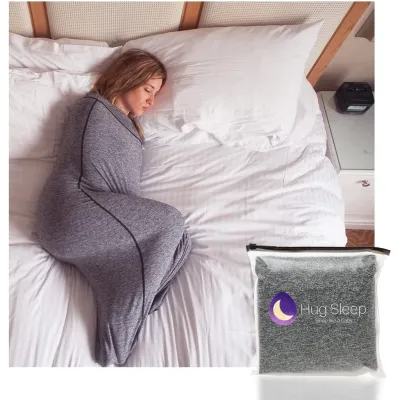
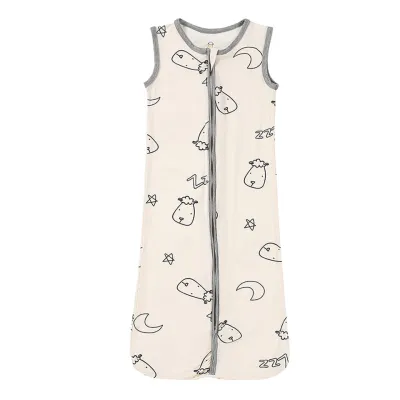
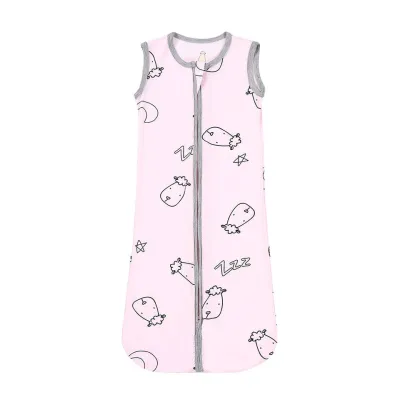
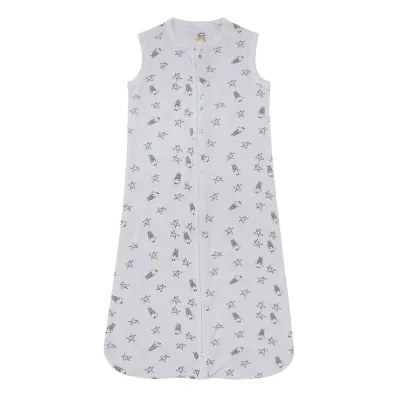
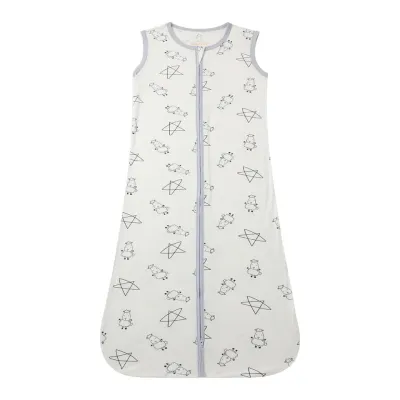
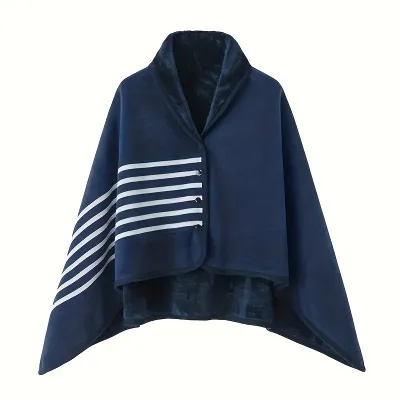
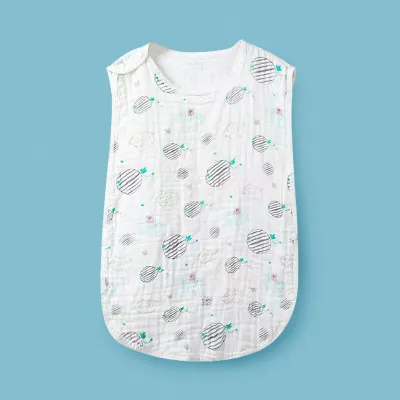
Prices are valid at publication and may change. Please refer to the product page for the latest price.
In a tropical setting, breathability and moisture management are just as vital as thermal retention. Traditional cold-climate blankets focus solely on trapping body heat, which quickly leads to sweating in a moderately cooled room. If a wearable blanket uses non-breathable synthetic fibers, it traps this sweat against your skin, creating a damp, clammy feeling. When you eventually turn off the air-conditioner or step out of the cooled room, this trapped moisture can cause a sudden, uncomfortable chill as it evaporates rapidly, highlighting the need for fabrics that breathe.
Best Fabric Choices for Air-Conditioned Comfort
Finding the right wearable blanket for indoor use in Singapore involves looking for materials that offer lightweight insulation, efficient moisture-wicking capabilities, and moderate warmth. The goal is to find a fabric that feels cozy when the air-conditioner is running, but does not turn into a personal sauna if the room temperature fluctuates.

Unlike winter-grade blankets designed to lock in every degree of body heat, tropical-friendly alternatives focus on air circulation. By selecting fabrics with open weaves or natural moisture-regulating properties, you can enjoy the comforting weight of a wearable blanket without the risk of waking up in a sweat.
Bamboo Viscose and Bamboo-Cotton Blends
Bamboo viscose has emerged as a premier fabric choice for tropical climates due to its exceptional temperature-regulating properties. Derived from natural bamboo cellulose, this semi-synthetic fiber features microscopic gaps and holes along its structure. These micro-gaps allow air to circulate freely, preventing heat from building up around your body while still offering a gentle layer of insulation against the air-conditioned draft.
One of the most notable characteristics of bamboo viscose is its cool-to-the-touch sensation. When you first slip into a bamboo wearable blanket, the material feels refreshing against the skin, making it highly comfortable for Singapore’s warm evenings. Additionally, bamboo is highly hygroscopic, meaning it can absorb significantly more moisture than cotton before feeling damp, making it an excellent option for individuals with sensitive skin or those prone to eczema.
For those who prefer a bit more structure and durability, bamboo-cotton blends offer the best of both worlds. The addition of cotton provides structural integrity and weight, while the bamboo maintains a silky, soft drape. This combination is ideal for mild air-conditioning settings—typically between 24°C and 25°C—where you need light, non-restrictive warmth that drapes elegantly over your loungewear.
Lightweight Cotton and Muslin Weaves
Cotton remains a timeless, highly reliable choice for tropical loungewear due to its natural breathability and ease of maintenance. When shopping for a wearable blanket, opting for lightweight cotton or specialized muslin weaves is key. Muslin is a loosely woven cotton fabric that utilizes a plain weave technique, resulting in an incredibly airy, light material that allows heat to escape easily.
A cotton muslin wearable blanket excels at preventing sweat buildup. Because the fibers are natural and the weave is open, any moisture generated by your body is quickly absorbed and evaporated into the surrounding air. This keeps your skin dry and comfortable, even if you fall asleep with the air-conditioner running on a timer that eventually shuts off during the night.
However, it is important to note that lightweight cotton may lack the plush, immediate warmth of synthetic fleeces. If your household air-conditioning is set to a very cold temperature—such as 20°C or lower—a single-layer muslin blanket might feel slightly too thin. To counter this, look for multi-layered muslin designs (such as four-ply or six-ply muslin) or check the weave density to ensure the blanket offers a balanced weight that suits your personal temperature preferences.
Low-Weight Microfiber and Breathable Fleece
If you prefer a classic, plush feel that mimics the sensation of a traditional winter blanket, synthetic options can still work in Singapore, provided you choose the correct density. Low-weight microfiber and lightweight polar fleece are engineered to offer a soft, velvety texture without the heavy, suffocating bulk of standard winter blankets. These materials work by trapping tiny pockets of air within their low-pile fibers, providing immediate, cozy warmth.
To make synthetic fleece practical for a tropical climate, it is crucial to focus on the fabric’s weight, which is typically measured in grams per square meter (GSM). For Singapore’s air-conditioned spaces, look for wearable blankets with a GSM rating of 150 to 200. These low-density variants drape easily and do not restrict airflow as severely as their heavier, winter-grade counterparts.
While microfiber and polyester fleece are inherently less breathable than natural bamboo or cotton, they are highly effective if you tend to feel exceptionally cold in air-conditioning. If you keep your bedroom or home office cooled to below 23°C, a lightweight fleece wearable blanket can provide the deep, comforting warmth you need, acting as a reliable shield against aggressive drafts.
Fabrics to Avoid to Prevent Overheating
When browsing online marketplaces or local home decor shops, it is easy to be tempted by thick, ultra-plush wearable blankets designed for cold climates. However, materials such as heavy Sherpa lining, thick high-pile fleece, and dense, multi-layered polyester are highly impractical for daily use in Singapore. These fabrics are specifically engineered to retain maximum body heat in sub-zero or single-digit temperatures, making them entirely unsuitable for a tropical home.
Wearing a heavy, non-breathable synthetic blanket in Singapore—even in an air-conditioned room—rapidly leads to overheating. Because these materials do not allow air to circulate, your body temperature will rise quickly, causing you to sweat. Once you begin sweating, the dense polyester fibers trap the moisture against your skin, creating a humid, uncomfortable microclimate inside the blanket.
The real discomfort occurs when you eventually step out of the air-conditioned room or turn off the cooling unit. The sudden transition to Singapore’s natural heat and humidity, combined with damp skin and a sweat-soaked blanket, can cause an immediate, unpleasant chill. This rapid temperature shift can also lead to skin irritation, heat rashes, or clogged pores. Unless you have specific medical conditions that require intense heat retention, or you live in a specialized, exceptionally cold environment, it is best to avoid heavy winter fabrics entirely.
While standard wearable blankets are non-electrical, some specialty models feature built-in heating elements. If you choose an electric wearable blanket, always verify that the voltage is compatible with Singapore’s standard 230V/50Hz power supply, check the plug type, and ensure the product carries the appropriate local electrical safety certifications, such as the Safety Mark, to prevent electrical hazards.
Design Features That Improve Airflow and Comfort
While fabric composition is the foundation of a comfortable wearable blanket, the physical construction and design of the garment play a significant role in regulating temperature. A well-designed wearable blanket should incorporate features that facilitate airflow, allowing you to easily adjust your level of warmth as you move throughout your home.
One of the most important design choices is the silhouette: open-front cardigan styles versus closed, pullover hoodie styles. Open-front designs, which often feature a robe-like tie or a simple button closure, offer superior versatility for tropical living. If you begin to feel warm, you can simply open the front to let cool air circulate, or drape it loosely over your shoulders. Closed pullover styles, while incredibly cozy, trap air more effectively and can be more cumbersome to remove quickly if you start to overheat.
Sleeve construction is another critical factor influencing ventilation. Wide, loose sleeves (such as kimono or batwing styles) allow air to flow freely up your arms, helping to cool your body naturally. Conversely, tight elastic cuffs can trap heat around your wrists and forearms. While elastic cuffs are practical for keeping your sleeves out of the way while typing or cooking, they should not be excessively tight, as some degree of wrist ventilation is helpful for overall temperature regulation.
Finally, the overall fit of the wearable blanket should be loose and oversized. A billowy, generous cut creates a spacious pocket of air between your clothing and the blanket, preventing the fabric from clinging to your skin. This loose fit also allows you to layer the blanket over light, breathable indoor clothing—such as a simple cotton t-shirt and shorts—without creating a restrictive, heavily insulated layer that traps body heat.
Washing and Drying Tips for Singapore's Humidity
Maintaining a wearable blanket in Singapore’s humid climate requires regular care to prevent the buildup of body oils, sweat, and environmental moisture. Because these blankets are worn directly over loungewear or skin, they quickly absorb natural oils and perspiration. Over time, these organic residues can clog the weave of breathable fabrics like bamboo and cotton, significantly reducing their moisture-wicking and air-circulation performance. Establish a routine of washing your wearable blanket every one to two weeks to keep it fresh and functional.
Always check the product’s care label and the manufacturer’s instructions before washing or drying. If instructions conflict or are missing, consult the manufacturer directly to avoid damaging the fibers or shrinking the garment.
Drying a large, fabric-heavy item can be challenging in Singapore, where high humidity and sudden tropical downpours are common, especially during the monsoon seasons. Line-drying outdoors is excellent for natural sanitization, but if the air is highly humid, the drying process can take days. This prolonged dampness creates an ideal breeding ground for mold, mildew, and musty, unpleasant odors that are difficult to wash out.
To dry your wearable blanket safely and thoroughly, always consult the manufacturer’s care label first to check for specific temperature limits. If the fabric is dryer-safe, tumble dry it on a low-heat or air-dry setting; high heat can damage the delicate fibers of bamboo viscose and cause cotton to shrink. If you do not have a dryer, hang the blanket indoors in an air-conditioned room or in close proximity to a dehumidifier. This controlled environment strips moisture from the air, ensuring the fabric dries completely and remains free of mildew before you fold it away for storage.
Frequently Asked Questions (FAQ)
Can I use a wearable blanket outdoors in Singapore?
Using a wearable blanket outdoors in Singapore is generally not recommended due to the country’s high ambient temperatures and intense humidity. Wearing an insulated garment in outdoor conditions will quickly lead to rapid overheating, excessive sweating, and physical discomfort. However, if you plan to use a wearable blanket in semi-outdoor spaces—such as a breezy high-rise balcony during a rainy evening, an early morning walk, or an outdoor movie screening—opt for an ultra-lightweight, single-layer cotton muslin or a thin bamboo blend. These materials offer just enough protection against a cool breeze without trapping heat.
How do I match the blanket weight to my air-conditioner setting?
To maximize comfort, correlate your wearable blanket’s material and weight with your typical air-conditioning temperature. If you run your AC at a moderate 24°C to 26°C, choose highly breathable, lightweight fabrics like single-layer bamboo viscose or lightweight cotton muslin with a low GSM (under 150). For cooler settings between 21°C and 23°C, a bamboo-cotton blend or a light, double-layer cotton blanket provides the perfect balance of warmth and airflow. If you prefer aggressive cooling below 21°C, a low-weight polar fleece or a plush microfiber blanket (around 150 to 200 GSM) will offer the necessary insulation to protect against the cold draft without causing you to sweat.
Community discussion
Share your experience or ask a question. Comments are reviewed before publication.