
A well-chosen window ledge cushion transforms an underutilized bay window into a comfortable reading nook, a daybed, or an elegant focal point. In Singapore, where bay windows are a common architectural feature in HDB flats and private condominiums alike, selecting the right cushion requires balancing aesthetics with practical durability. The local tropical climate—characterized by intense afternoon sun and high humidity—poses unique challenges, such as fabric fading, moisture accumulation, and foam degradation.
To find the ideal window ledge cushion, you must evaluate materials based on their environmental resilience and match them to your budget. High sun exposure demands UV-resistant or light-colored fabrics that resist fading, while high humidity requires breathable covers and mold-resistant fillings. By understanding the trade-offs between natural and synthetic materials, and knowing what features to look for at different price points, you can secure a cushion that offers lasting comfort and style.
Choosing the Right Material for Your Window Ledge
Unlike standard living room sofa cushions, window ledge cushions are subjected to harsh environmental conditions. Direct sunlight streaming through window glass creates a greenhouse effect, raising the surface temperature of the ledge and accelerating the breakdown of fabric fibers. Furthermore, when windows are left open for ventilation, high outdoor humidity can penetrate the cushion, creating a breeding ground for mold and mildew if the materials are not sufficiently breathable.
Products mentioned in this guide
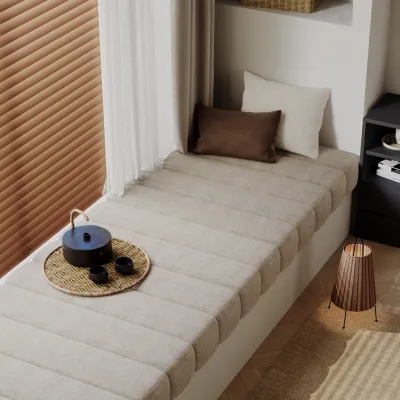
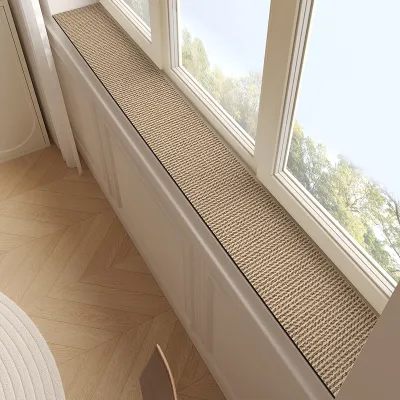
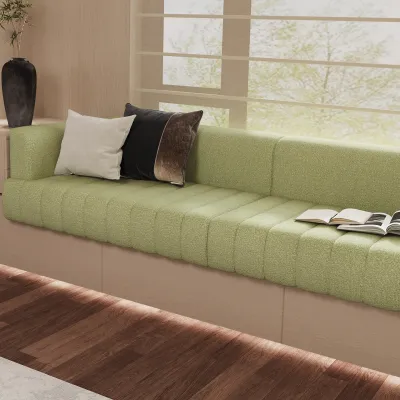
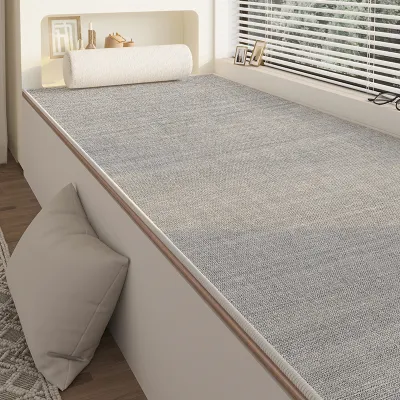
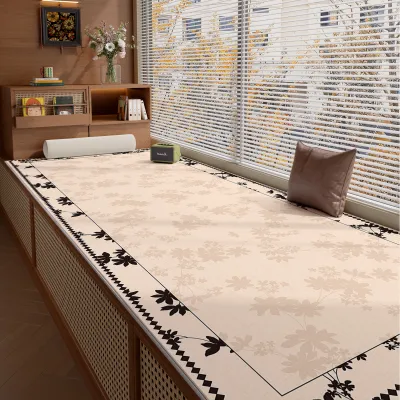
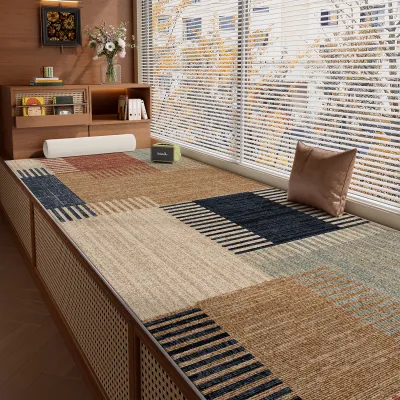
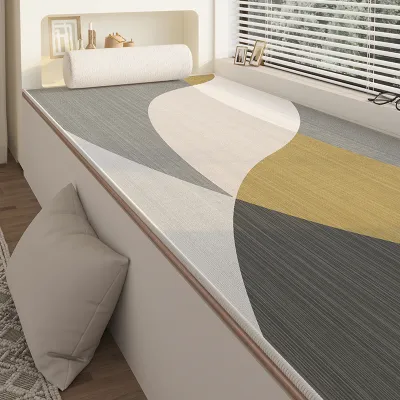
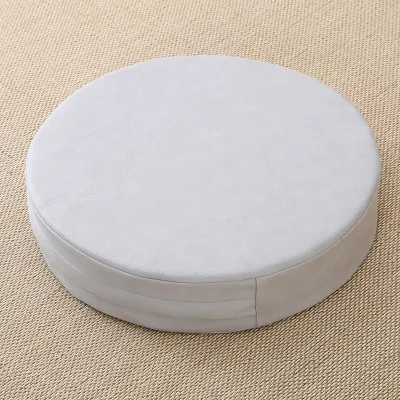
Prices are valid at publication and may change. Please refer to the product page for the latest price.
To make an informed purchase, you should first understand how different fabric categories perform under these specific stressors. The two primary material categories available are natural fibers and synthetic or textured fabrics, each offering distinct advantages and limitations for Singaporean homes.
Natural Fibers: Cotton and Linen
Natural fibers like cotton and linen are highly favored for their organic texture, exceptional breathability, and cooling sensation against the skin. On a warm afternoon, these fabrics remain comfortable to sit on because they do not trap body heat, making them an excellent choice for homes that rely on natural ventilation rather than continuous air conditioning.
However, natural fibers have notable vulnerabilities when placed in direct sunlight. Over time, ultraviolet (UV) radiation breaks down the natural dyes in cotton and linen, leading to noticeable fading and patchy discoloration. Additionally, natural fibers are highly absorbent; they easily soak up ambient moisture from the air, which can lead to musty odors or mold growth if the cushion is not regularly aired out.
When shopping for cotton or linen window ledge cushions, keep the following buying tips in mind:
- Removable Covers: Always choose cushions with removable, machine-washable covers so you can launder them regularly to remove dust mites and moisture buildup.
- Pre-Shrunk Fabrics: Verify that the fabric is labeled as "pre-shrunk" or "sanforized" to prevent the cover from shrinking and warping after its first wash.
- Color Selection: Opt for lighter, neutral shades such as beige, cream, soft grey, or pastel tones. These colors reflect light better and show far less visible fading over years of sun exposure compared to dark blues, greens, or blacks.
- Fabric Weight: Look for heavy-weight cotton canvas or thick-weave linen, which offer greater structural integrity and resist wrinkling better than thin garment-grade fabrics.
Synthetics and Textured Fabrics: Polyester, Velvet, and Faux Fur
Synthetic fabrics, particularly high-grade polyester blends, are engineered for high durability and ease of maintenance. Polyester fibers are naturally resistant to UV degradation, meaning they retain their color vibrancy far longer than natural fibers when exposed to intense afternoon sun. They are also hydrophobic, meaning they resist absorbing moisture from the air, making them highly resistant to mold and mildew.
Textured synthetics like velvet and faux fur offer a luxurious, tactile experience that adds depth and warmth to a room. Velvet reflects light beautifully, creating a sophisticated look, while faux fur provides an ultra-cozy aesthetic. The primary trade-off with these textured fabrics is heat retention; their dense piles trap air, which can feel uncomfortably warm in a non-air-conditioned room during a Singapore afternoon.
To ensure your synthetic cushion remains comfortable and retains its shape over time, you must look closely at the internal construction:
- High-Density Foam: Ensure the core consists of high-density polyurethane foam (ideally 35D or higher) rather than cheap polyester fiberfill. High-density foam provides firm support and prevents you from "bottoming out" against the hard marble, granite, or tiled ledge.
- Breathable Backing: If the cushion features a non-slip backing, ensure it is made of breathable, heat-stable silicone dots rather than a solid, cheap plastic layer that can melt or stick to your window sill under high heat.
- Pilling Resistance: Check if the polyester fabric has been treated to resist pilling, which prevents the formation of unsightly fabric balls in high-friction seating areas.
Navigating Price Ranges and Budget Tiers
The price of a window ledge cushion in Singapore is primarily determined by three factors: the quality of the outer fabric, the density and type of the inner foam, and whether the cushion is mass-produced or custom-tailored to your exact dimensions. Understanding what each budget tier offers helps you manage expectations and avoid common purchasing pitfalls.

Budget-Friendly Options
Budget-friendly window ledge cushions typically range from S$15 to S$40. These are readily available on various e-commerce platforms and online marketplaces. They are almost always mass-produced in standard, pre-cut dimensions (such as 50x150cm or 60x180cm) and feature basic polyester covers with standard polyester fiberfill or thin, low-density foam inserts.
While highly affordable, budget cushions come with significant trade-offs. The thin padding (often only 2 to 3 cm thick) tends to flatten quickly under regular use, offering minimal comfort against a hard stone sill. Additionally, many budget options do not feature removable covers, meaning you must spot-clean the entire cushion or risk ruining the inner filling in a washing machine. They also tend to fade quickly if placed in direct sunlight.
If you decide to purchase a budget cushion, take these actionable steps to maximize its utility:
- Measure Twice: Because these are pre-made, measure your window ledge precisely. A cushion that is even slightly too long will bunch up at the ends, while one that is too short will leave awkward gaps.
- Add a Non-Slip Mat: Budget cushions rarely come with effective non-slip backings. Purchase a cheap, rubberized rug underlayment grid and cut it to size to place beneath the cushion, preventing it from sliding off smooth marble or polished wood sills.
- Rotate Frequently: Flip and rotate the cushion weekly to distribute wear and sun exposure evenly, extending its limited lifespan.
Mid-Range and Premium Choices
Mid-range and premium options range from S$50 to S$200 or more. In this tier, you are paying for high-resilience (HR) foam, thicker profiles (typically 5 to 8 cm), premium treated fabrics (such as UV-resistant linen or commercial-grade polyester velvet), and superior craftsmanship like piped edges, hidden zippers, and custom-tailored fits.
At the mid-range level, you can often find modular ready-made sets. These allow you to purchase multiple smaller, high-quality cushion segments that you can arrange together to fit longer or L-shaped bay windows. This offers a semi-custom look without the premium price tag of a fully bespoke service.
Premium custom upholstery services, which can be sourced through local Singaporean soft-furnishing shops, are highly recommended for the following scenarios:
- Irregular Ledges: If your bay window has curved edges, angled corners, or structural pillars cutting through the sill, a custom-cut foam insert is the only way to achieve a seamless, professional fit.
- High-Resilience Support: Custom services allow you to select specific foam densities (such as medical-grade or high-resilience foam) that provide firm, therapeutic support for lounging or sleeping.
- Fabric Matching: You can select exact fabric matches from designer textile books to ensure your window cushion coordinates perfectly with your existing curtains, sofa, or wallpaper.
Essential Sizing and Installation Checks for Singapore Homes
To ensure your window ledge cushion is safe, functional, and visually appealing, you must perform several precise measurements and safety checks before making a purchase or ordering a custom piece.
Measuring Guide
Do not rely on a single measurement across the center of your window ledge. Walls in both older HDB flats and modern condominiums are rarely perfectly square, and minor structural variations can cause a cushion to fit poorly.
- Measure Width and Depth at Three Points: Measure the depth (front to back) and the length (left to right) at the left end, the center, and the right end of the sill. Use the smallest of the three measurements to ensure the cushion fits into the space without bunching.
- Account for Obstructions: Look for skirting boards, window frames, protruding pillars, or decorative trim. Subtract the thickness of these obstructions from your final measurements.
- Account for Fabric Tension: If you are ordering a custom cushion with a thick cover, subtract about 0.5 cm to 1 cm from the total length and width to allow the cushion to slide easily into place without scraping against the walls.
Clearance Checks
Before deciding on the thickness of your cushion, you must check how it will interact with your windows. A cushion that is too thick can obstruct essential window operations, leading to safety hazards or damage to the fabric.
- Sliding Window Tracks: Ensure the height of the cushion does not spill over or press against the sliding tracks of your windows, which can trap dirt and make the windows difficult to slide.
- Casement Handles: If your windows swing outward on hinges, make sure the cushion thickness does not block your ability to reach, turn, or lock the casement handles.
- Inward-Opening Windows: If you have inward-opening windows, measure the clearance between the bottom of the window frame and the top of the bare sill. Your cushion must be thinner than this clearance gap to allow the window to swing open freely.
Securing Methods
Keeping your cushion securely anchored to the ledge is crucial for both comfort and safety, especially in homes with active pets or young children who might climb onto the bay window.
- Silicone Non-Slip Backing: Look for cushions featuring built-in silicone micro-dots on the underside. These provide excellent grip on smooth marble, granite, or tiled sills without leaving sticky residues.
- Velcro Strips: For a semi-permanent hold, you can apply adhesive-backed Velcro strips to the sill and sew the matching strips to the bottom of the cushion cover. Caution: Before applying adhesive to your sill, consult the manufacturer or a stone specialist, as strong adhesives can permanently stain or damage natural marble and polished wood.
- Tie-Down Straps: If your window ledge has adjacent railings or structural pillars, look for cushions with integrated fabric ties that can be secured directly to these fixtures.
Maintenance and Safety
To keep your window space clean and safe, establish a regular maintenance routine and observe key safety boundaries:
- Weekly Vacuuming: Dust, pet dander, and outdoor allergens collect quickly on window sills. Vacuum the cushion surface and the crevices between the cushion and the wall weekly using an upholstery attachment.
- Sun Protection: If your window receives intense afternoon sun, consider installing high-quality solar window films to block UV rays, protecting both your skin and your cushion fabric from premature aging.
- Child Safety Warning: A raised, comfortable cushion makes a window sill highly attractive to toddlers and young children. Never place a cushion on a window ledge unless the window is fitted with safety grilles or secure lock-restrictors that prevent the window from being opened wide enough for a child to fall through.
Frequently Asked Questions (FAQ)
How do I prevent my window ledge cushion from fading in direct sunlight?
To minimize sun fading, apply a high-quality UV-blocking solar film to your window glass, which can block up to 99% of harmful ultraviolet rays. Additionally, choose light, neutral fabric colors like beige, cream, or light grey, as they reflect light and show minimal color loss compared to dark, saturated hues. You should also rotate or flip the cushion 180 degrees every few weeks to ensure any inevitable sun exposure is distributed evenly across the fabric surface.
Can I use regular sofa cushions on my window ledge?
Using standard sofa throw cushions on a window ledge is generally not recommended. Sofa cushions are typically square, thick, and lack a flat, stable base, causing them to slide off narrow sills easily. They are also usually too deep, which can block window handles or prevent sliding tracks from operating smoothly. For safety and comfort, it is best to use a flat, rectangular cushion specifically sized to match the depth of your window sill, complete with a non-slip backing.
What is the best filling for a window bay cushion that gets heavy daily use?
For a window bay cushion that is used daily for sitting, lounging, or working, high-density polyurethane foam (specifically 35D or 45D grade) is the best filling choice. High-density foam offers firm, resilient support that prevents you from feeling the hard stone or wood sill underneath, and it retains its shape for years without sagging. In contrast, standard polyester fiberfill is much softer but will flatten permanently within a few months of regular use, requiring constant fluffing and eventual replacement.
Community discussion
Share your experience or ask a question. Comments are reviewed before publication.