
Finding the perfect essential oil wood diffuser in Singapore involves balancing aesthetic appeal with practical functionality tailored to the tropical climate. A high-quality wood diffuser not only disperses therapeutic scents but also serves as an elegant home decor piece that complements Singapore’s popular interior styles, such as Japandi, modern organic, and minimalist Scandinavian. Whether you want to scent a spacious living room in a high-rise condominium or add a subtle aroma to a compact office desk, selecting the right device requires understanding the differences between active and passive diffusion technologies, material durability under high humidity, and local electrical safety requirements.
Active vs. Passive Wood Diffusers: Which Type Suits Your Space?
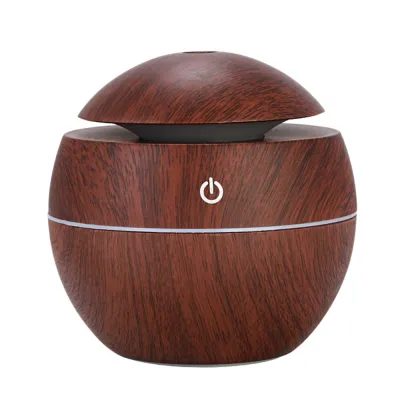
An essential oil wood diffuser generally falls into one of two categories: active or passive. Active wood diffusers are powered devices—most commonly ultrasonic or nebulizing—that use electricity to actively disperse essential oils into the air. Many of these feature real wood bases, solid wood covers, or high-quality wood-grain synthetic finishes. They rely on water or pressurized air to create a fine mist, making them highly effective at distributing fragrance across large living areas, open-concept kitchens, or master bedrooms. These devices provide continuous scenting and can double as mild humidifiers, which can be useful in air-conditioned spaces that tend to dry out the skin and respiratory pathways.
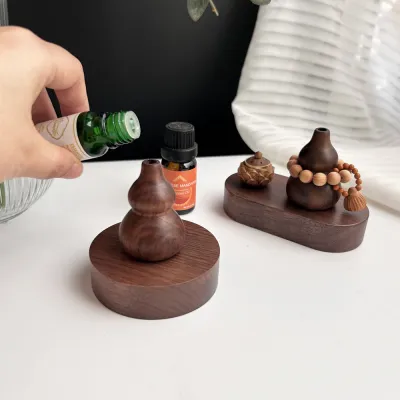
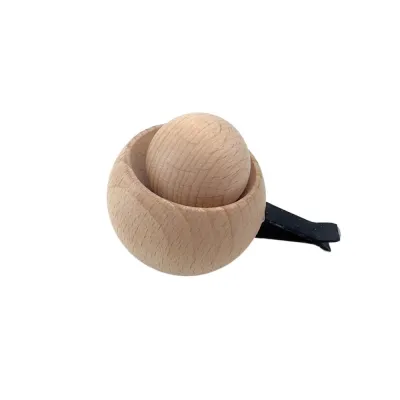
Passive wood diffusers, on the other hand, require no electricity, batteries, or water. These are solid blocks, rings, or spheres crafted from porous woods like beech, walnut, hinoki, or rosewood. You simply apply a few drops of essential oil directly onto the wood’s surface, which absorbs the oil and slowly evaporates it into the immediate surroundings. Because passive diffusion relies entirely on natural airflow, the scent throw is highly localized. This makes passive wood blocks ideal for personal micro-spaces, such as a study desk, a bedside table, a wardrobe, or inside a car, where a subtle, non-intrusive fragrance is preferred.
Products mentioned in this guide
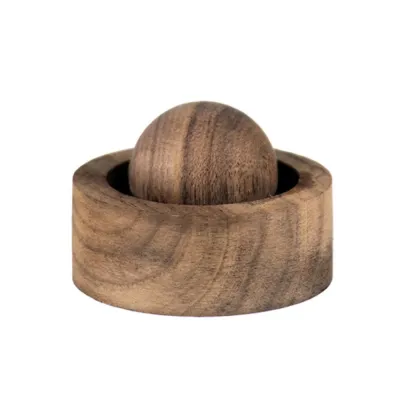
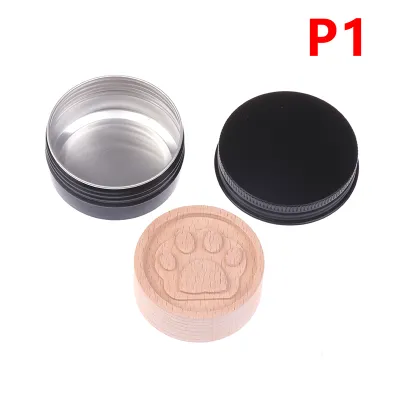
![[SG Seller] Essential Oil Diffused Wood Aroma Essential Oils Diffuser Wooden Essential Oil Aromatherapy Diffuser](https://img.lazcdn.com/g/p/7d9d516a223080d3a0d24d9aa764023f.jpg_400x400q80.jpg_.webp)
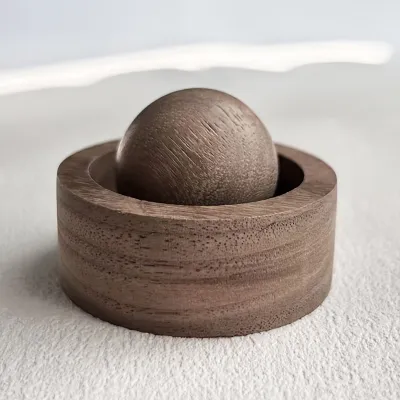
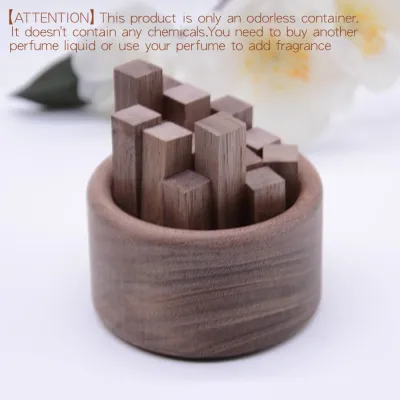
Prices are valid at publication and may change. Please refer to the product page for the latest price.
Selecting between the two depends heavily on your lifestyle and the specific layout of your home. If you want a device that can scent an entire HDB living room and run for several hours unattended, an active ultrasonic diffuser is the practical choice. However, if you prefer a silent, completely portable option that does not require a power outlet or regular water refills, a passive solid wood block offers a safer and more minimalist solution.
Essential Buying Criteria for an Essential Oil Wood Diffuser
To find the best essential oil wood diffuser for your home, you must evaluate several factors beyond mere visual appeal. Singapore’s unique environment and electrical standards play a significant role in how well these devices perform and how long they last.

Material and Finish When shopping, differentiate between genuine solid wood and wood-grain synthetic materials (such as water-transfer-printed ABS or PP plastic). Genuine wood offers an organic, premium texture and unique grain patterns, but it requires more care. Essential oils are highly concentrated and can strip away varnishes or cause certain raw woods to discolor over time. Synthetic wood-grain finishes are highly resistant to oil spills and water damage, making them a low-maintenance alternative for busy households, though they lack the tactile warmth of real timber.
Capacity and Coverage For active ultrasonic models, the water tank capacity directly dictates the run time and coverage area. In Singapore’s typical residential layouts, a compact 100ml to 150ml diffuser is perfect for a small study room or bedroom, running for about three to five hours. Larger spaces, such as open-plan living and dining areas, benefit from tanks ranging from 300ml to 500ml, which can operate continuously for up to ten hours. For passive wood diffusers, the coverage depends on the wood’s porosity and surface area; larger blocks or those with deep carved wells hold more oil and offer a slightly wider scent radius.
Electrical and Safety Standards Active diffusers must be safe for local electrical grids. In Singapore, household electricity is supplied at 230V and 50Hz. Always ensure that any plug-in diffuser you purchase is equipped with a standard Type G three-pin plug suitable for Singapore wall sockets. For peace of mind, check that the device or its power adapter carries the Safety Mark issued by Enterprise Singapore, which certifies that the appliance has been tested and meets stringent local safety standards. Avoid using uncertified travel adapters or voltage converters, which can pose electrical hazards.
Climate Considerations Singapore’s tropical climate features high ambient relative humidity, often averaging above 80%. This moisture-rich environment can impact real wood components. If a real wood diffuser is left unused in a damp, non-air-conditioned room, it may absorb atmospheric moisture, leading to warping, cracking, or mold growth. When choosing real wood, look for models treated with oil-resistant, food-safe protective sealants, and place them in well-ventilated areas or air-conditioned rooms to minimize moisture-related degradation.
Top Wood Diffuser Categories and Brand Directions to Explore
Understanding the local market landscape helps narrow down your choices. Rather than focusing on fleeting model numbers, look at the primary categories and reputable brand directions available in Singapore.
Ultrasonic Diffusers with Wood Finishes for Large Rooms
Ultrasonic models with wood aesthetics are the most popular choice for general home scenting in Singapore. These devices use ultrasonic vibrations to break down water and essential oils into a microscopic mist that is easily dispersed. Leading minimalist home decor brands and established wellness labels—such as MUJI, HYSSES, or FLO—frequently offer diffusers featuring real oak, bamboo, or high-quality wood-grain bases.
These diffusers blend seamlessly with modern interior themes, particularly Japandi, Scandinavian, or rustic industrial designs. When selecting an ultrasonic model, prioritize features that enhance convenience and safety:
- Auto-Shutoff: The device must automatically turn off when the water reservoir is empty to prevent the ultrasonic plate from overheating.
- Adjustable Mist Modes: Look for intermittent and continuous mist settings to control the scent intensity.
- Warm Ambient Lighting: Many models feature built-in LEDs that emit a soft, warm glow, allowing the diffuser to double as a bedside nightlight.
The primary limitation of ultrasonic diffusers is their reliance on water, which requires regular cleaning to prevent mineral buildup and bacterial growth. They also require placement near an electrical outlet, limiting their portability.
Passive Solid Wood Blocks for Desks and Cars
For those seeking a silent, cord-free, and highly portable option, passive solid wood diffusers are an excellent alternative. These are often crafted by local artisan brands, specialty aromatherapy boutiques, and boutique car accessory makers in Singapore.
Passive wood diffusers operate entirely without heat or electricity, making them incredibly safe to leave unattended in wardrobes, children’s bedrooms, or vehicles parked under the hot Singapore sun. They are virtually maintenance-free, requiring no water refills or descaling.
The type of wood used significantly influences the diffusion experience:
- Hinoki (Japanese Cypress): A highly porous, soft wood that absorbs oils quickly and contributes its own subtle, woody, and clean aroma.
- Beech and Maple: Denser woods that release fragrance more slowly, making the scent last longer, though they absorb oils at a slower rate.
- Walnut and Rosewood: Darker, premium hardwoods that offer excellent durability and a striking, elegant aesthetic that darkens beautifully as it absorbs essential oils.
The main trade-off with passive wood blocks is their limited scent throw. They are designed for close-range personal use, meaning they will not scent an entire room but are perfect for creating a personal sensory bubble around your workspace or bedside.
How to Clean and Maintain Your Wood Diffuser
Proper maintenance preserves the aesthetic appeal of the wood and ensures the device operates safely and hygienically.
Active Diffusers For ultrasonic wood-finish diffusers, clean the water tank at least once a week. Empty any remaining water from the drain side (away from the air outlet) and wipe the interior with a soft cloth dipped in a solution of warm water and a few drops of white vinegar or citric acid to remove mineral scale. Never submerge the device in water or allow moisture to contact the exterior wood shell or electrical ports. Wipe the outer wood surface with a dry, lint-free microfiber cloth.
Passive Wood Blocks Passive wood diffusers naturally accumulate essential oil residue over time. If you notice the wood has become fully saturated, or if the scent begins to smell muddled or rancid, you can gently restore the block. Lightly sand the surface with fine-grit sandpaper (such as 320 or 400 grit) to remove the top saturated layer and expose fresh wood pores. To prevent mold growth in Singapore’s humid climate, avoid placing passive blocks in damp bathrooms without ventilation, and store them in a dry, airy spot when not in use.
Safety Boundaries Always prioritize safety when operating electrical appliances. Immediately disconnect the power and stop using an active diffuser if you notice a frayed power cord, unusual operating noises, a burning smell, or cracks in the wood near the water reservoir. Do not attempt to repair internal electrical components yourself; always consult the manufacturer’s instructions or contact a qualified professional for assistance.
Where to Buy Authentic Wood Diffusers in Singapore
When purchasing an essential oil wood diffuser in Singapore, sourcing from reputable channels ensures you receive a genuine, safe, and durable product.
To inspect the wood finish, grain quality, and weight in person, visit physical boutiques in major shopping districts like Orchard Road, or drop by specialty wellness retailers located in suburban malls. Seeing the product firsthand allows you to verify if the “wood” is genuine timber or a synthetic print and lets you experience the mist output of active models.
If shopping online, utilize official brand stores or authorized distributors on major ecommerce platforms. Avoid buying from unverified third-party sellers who offer suspiciously cheap imports, as these products often lack the necessary Safety Mark, use non-compliant two-pin plugs, or feature low-grade plastics that degrade when exposed to pure essential oils. Always check the seller’s return policy for electrical goods and ensure the product comes with a valid local warranty of at least six to twelve months.
Frequently Asked Questions (FAQ)
Can I use any essential oil in a passive wood diffuser?
It is highly recommended to use 100% pure, therapeutic-grade essential oils in passive wood diffusers. Avoid using thick carrier oils (like jojoba, sweet almond, or coconut oil) or synthetic fragrance oils, as these contain heavy molecules that do not evaporate. Instead, they will permanently clog the wood’s natural pores, leaving a sticky, dust-attracting residue that can turn rancid. Stick to thin, volatile essential oils such as lavender, peppermint, sweet orange, or eucalyptus for optimal absorption and clean evaporation.
Will the high humidity in Singapore damage my real wood diffuser?
High humidity can potentially affect untreated or poorly sealed real wood by causing it to swell, warp, or develop mold. To protect your diffuser, choose models that have been treated with a protective, oil-resistant coating. Avoid placing the diffuser directly in the path of cold air-conditioning drafts, which can cause rapid temperature changes and wood cracking, and keep it away from humidifiers. Ensuring the room has decent air circulation will prevent moisture from settling on the wood.
How often should I clean an ultrasonic wood diffuser?
For optimal hygiene and performance, you should rinse and wipe down the water tank of your ultrasonic diffuser after every few uses, especially if you are changing essential oil scents. A deeper descaling clean using white vinegar or citric acid should be performed once a week or after every 5 to 6 uses. Regular cleaning prevents mold, mildew, and mineral scale from building up on the ultrasonic transducer, which can otherwise diminish mist output and shorten the lifespan of the device.
Community discussion
Share your experience or ask a question. Comments are reviewed before publication.