
When a sudden power outage hits your HDB flat, having reliable illumination is essential for safety, navigation, and peace of mind. Choosing the right wurkkos lighting equipment ensures you are prepared for both localized circuit trips and rare grid blackouts. For a typical Singapore household, the best setup combines a high-capacity wurkkos lantern for broad area lighting in the living room, a hands-free headlamp for safe kitchen navigation and DB box inspection, and compact, low-lumen flashlights placed strategically in bedrooms and hallways. By matching specific light designs to the unique layout and tropical climate of your flat, you can keep your family safe and comfortable without relying on candles or weak smartphone screens.
Understanding Your HDB Flat's Lighting Needs During a Blackout
HDB flats in Singapore, ranging from compact 3-room units to spacious 5-room configurations and executive maisonettes, feature distinct spatial layouts that require localized lighting strategies. Unlike open-concept houses, HDB flats often have segmented rooms, long central hallways, and enclosed utility zones. During a blackout, a single central light source cannot penetrate these separate spaces. Placing a light in the living room will leave the kitchen, bathrooms, and bedrooms in complete darkness. To navigate safely, you must treat each zone as an independent lighting environment, selecting devices that match the specific physical boundaries of your home.
In Singapore, the vast majority of electrical outages are localized power trips rather than widespread grid failures. These trips are typically caused by a faulty household appliance overloading the circuit or triggering the Residual Current Circuit Breaker (RCCB) in your distribution board (DB box). Because these incidents are usually resolved within a few hours—either by resetting the breaker or waiting for an electrician—extreme, long-distance beam throw is unnecessary. Instead, your priority should be reliable, continuous runtime on low-to-medium settings. A light that can run steadily for four to eight hours is far more valuable than one that produces blinding brightness for only a few minutes before exhausting its battery.
Products mentioned in this guide
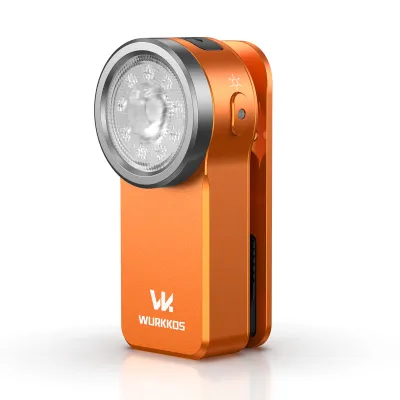
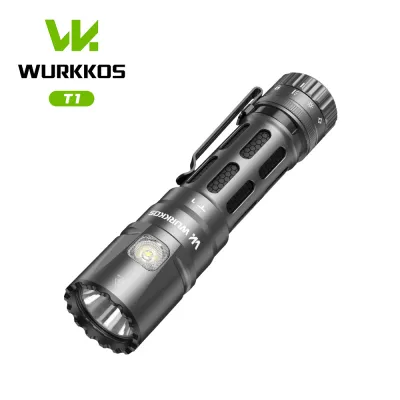
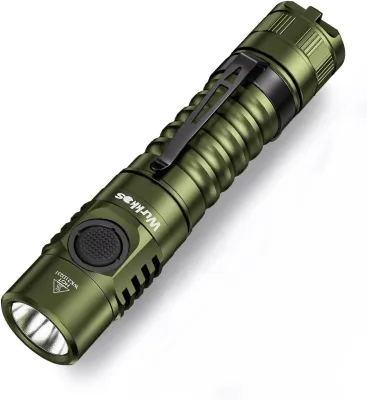
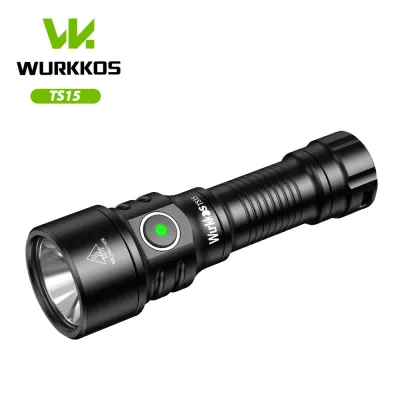
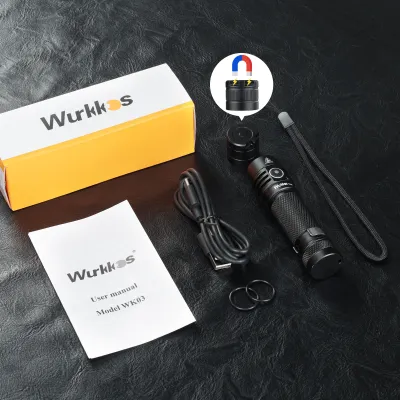
Prices are valid at publication and may change. Please refer to the product page for the latest price.
When planning your emergency lighting, you must distinguish between area lighting and task lighting. Area lighting is designed to illuminate an entire room, allowing family members to sit together, read, or play games without feeling confined by the dark. This requires diffused, wide-angle light that mimics natural ambient illumination. Task lighting, on the other hand, is highly directional and focused. It is essential for specific activities such as checking the DB box, preparing food, navigating narrow hallways, or finding medical supplies. Using the wrong type of light—such as pointing a narrow-beam tactical flashlight at a dining table—creates harsh glare and deep shadows, which can cause eye strain and increase the risk of accidental trips.
Furthermore, Singapore’s tropical climate introduces a unique challenge during a power outage. Without electricity, ceiling fans and air conditioning units will shut down immediately, causing enclosed HDB interiors to become warm and humid very quickly. High-powered LED lights can generate significant heat when operated on maximum settings, further warming the surrounding air and potentially causing the device to thermal-throttle or become too hot to hold comfortably. Selecting energy-efficient emergency lights that remain cool to the touch on medium settings is crucial for maintaining safety and comfort in a non-air-conditioned environment.
Matching Wurkkos Light Categories to HDB Rooms and Tasks
To build a resilient emergency plan, you should match the physical design and optical characteristics of different wurkkos devices to the specific tasks and environments within your flat.

Living and Dining Areas: Lanterns for Broad Coverage
The living and dining areas serve as the central gathering points for your household during an outage. To keep these shared spaces functional, you need multi-directional, diffused area lighting. Dedicated camping lanterns or specialized work lights from the wurkkos lineup are ideal for this purpose because they emit 360-degree or wide-angle light. Unlike standard flashlights that project a concentrated spot, a lantern uses a frosted diffuser to scatter light evenly, reducing harsh shadows and creating a comfortable, reassuring atmosphere for children and elderly family members.
When selecting a lantern for your living area, pay close attention to its physical stability and mounting options. Look for models with a wide, flat, non-slip base that can sit securely on a dining table, coffee table, or TV console without tipping over. Additionally, integrated hanging hooks or folding handles are incredibly useful. These allow you to suspend the light from curtain rods, wall hooks, or existing ceiling fan fixtures, casting light downward to maximize coverage across the entire room.
To ensure your light lasts throughout the night, prioritize models that feature fine-grained or stepless brightness adjustments. By running the lantern on a low or medium setting, you can conserve battery capacity while still providing ample ambient light. Many modern lanterns also allow you to adjust the color temperature; selecting a warm white tone (around 2700K to 3000K) can make the dark environment feel much more relaxed and less clinical during a stressful blackout.
Kitchen and Utility Spaces: Headlamps for Hands-Free Safety
The kitchen and utility yard are high-risk zones during a power failure due to the presence of sharp utensils, hot surfaces, and water. Navigating these areas while holding a traditional flashlight limits your mobility and increases the risk of household accidents. Utilizing a headlamp allows you to keep both hands free, ensuring you can safely handle food, use manual tools, or clear away hazards.
Hands-free lighting is also critical when inspecting your HDB flat’s electrical distribution board (DB box), which is typically located near the main entrance or utility shelter. When a circuit trips, you must open the DB box and safely toggle the switches to identify the faulty circuit. Before attempting to inspect or reset your DB box, ensure your hands are completely dry, and always follow the safety instructions labeled on the panel. If you suspect a serious electrical fault, contact a licensed electrical worker or your town council’s maintenance line immediately. Having a headlamp securely strapped to your forehead directs light exactly where you look, allowing you to use both hands to operate the breakers safely and inspect the labels without fumbling.
Because kitchens and utility areas are prone to moisture, steam, and occasional water splashes, you must verify the environmental protection rating of your lighting device. Check the product label or manufacturer’s manual for an IPX water-resistance rating. A rating of IPX4 or higher is recommended for these spaces, ensuring that the light remains safe and operational even if it is exposed to humid conditions or accidental splashes near the kitchen sink.
Bedrooms and Hallways: Compact Flashlights for Navigation
Bedrooms require a more personal, low-intensity approach to emergency lighting. When a blackout occurs in the middle of the night, turning on a high-output light can instantly blind you and disrupt others who may be sleeping. For these private spaces, compact Everyday Carry (EDC) flashlights or slim tube lights are the most practical choice. Keep one on each bedside table or inside a drawer within arm’s reach.
When choosing a bedroom flashlight, ensure it features a dedicated “moonlight” or ultra-low output mode (typically 1 lumen or less). This setting provides just enough light to help you find your slippers and navigate to the door without ruining your night vision or waking up family members. Additionally, look for models equipped with a magnetic tail cap or a strong side magnet. This feature allows you to stick the flashlight to metal surfaces around your flat, such as the metal main door gate, the refrigerator door, or steel window grilles, instantly transforming a personal flashlight into an elevated hallway marker or hands-free wall sconce.
Rather than relying on a single, high-powered flashlight stored in the living room, make it a rule to place a dedicated, easily identifiable light source in every bedroom. This ensures that each family member can immediately locate a light without having to navigate a pitch-black home in search of the main emergency kit.
Essential Specs to Verify on Your Wurkkos Device
To guarantee that your emergency lighting will perform reliably when the power goes out, you must understand how to interpret technical specifications and inspect the physical condition of your devices.
First, look at the battery capacity, which is measured in milliampere-hours (mAh) and printed on the battery sleeve or the product label. Do not make the mistake of choosing a light based solely on its maximum “turbo” lumen rating. High-lumen output drains batteries rapidly and generates intense heat. Instead, consult the manufacturer’s runtime chart in the user manual to see how many hours the device can run on its “medium” or “low” settings (typically between 10 and 150 lumens). For emergency preparedness, a battery capacity of 3000mAh to 5000mAh is ideal, offering a balanced combination of manageable weight and multi-hour runtime.
Next, verify the charging interface of your device. Modern emergency lights should utilize a standardized USB-C port, allowing you to recharge them using the same cables and wall adapters you use for your smartphone. In an extended outage that lasts longer than your flashlight’s battery life, the ability to recharge the device via a portable power bank is a critical safety net. Check the manufacturer’s documentation to confirm the maximum charging input voltage and current (usually 5V/2A) to avoid damaging the internal charging circuitry with incompatible high-voltage fast chargers.
Regular physical maintenance is also essential for keeping your lights in working order. Perform a visual and tactile check of your devices at least twice a year:
- Inspect the O-rings: Check the rubber O-rings located at the threaded joints of the flashlight body. If they appear dry, cracked, or worn, replace them immediately or apply a small amount of silicone grease to maintain the water-resistant seal.
- Test the switch: Press the power button several times to ensure it clicks firmly and does not stick. A sticky or unresponsive switch can prevent you from turning the light on during an emergency.
- Check the lens: Inspect the front lens for deep scratches, cracks, or dirt buildup. A damaged lens can scatter the light beam unpredictably, reducing the overall efficiency and reach of the light.
Strategic Storage and Placement for Quick Access
An emergency light is only useful if you can find it instantly in the dark. Proper storage and placement are just as important as selecting the right device.
Establish designated, highly visible “grab-and-go” spots throughout your HDB flat. Excellent locations include a specific drawer near the main entrance door, a dedicated shelf on your bedside nightstand, or a fixed hook in the central hallway. Ensure that every member of the household, including older children and elderly relatives, knows exactly where these lights are stored and how to operate them.
Avoid storing your emergency lights in areas subjected to extreme temperatures. In Singapore’s tropical climate, closed spaces like metal cabinets on a hot balcony, areas near the kitchen stove, or the interior of a car parked in direct sunlight can experience high heat build-up. Excessive heat accelerates the self-discharge rate of lithium-ion batteries and can permanently degrade their capacity, reducing their lifespan and, in extreme cases, posing a safety risk. Store your devices in a cool, dry, well-ventilated indoor cupboard.
While emergency lights must be easily accessible to adults, keep them out of reach of very young children who might treat them as toys. To prevent the batteries from slowly draining while stored in a drawer, utilize the device’s physical lockout feature by slightly loosening the tail cap (usually a quarter-turn is enough to break the electrical contact) to mechanically disconnect the battery. Alternatively, check the user manual to see if your model has an electronic lockout mode, which disables the power switch via a specific button sequence to prevent accidental activation.
Frequently Asked Questions (FAQ)
Can I use a high-lumen Wurkkos flashlight for reading during an outage?
While high-lumen flashlights offer exceptional brightness, they are generally unsuitable for close-up reading. The intense, concentrated beam creates a harsh hotspot on paper or screen surfaces, resulting in severe glare that can quickly strain your eyes. Additionally, running a flashlight on high-power modes drains the battery rapidly and generates unnecessary heat. For comfortable reading, switch the device to its lowest setting, or point the flashlight upward to bounce the beam off a white ceiling or wall for soft, indirect illumination. Alternatively, use a dedicated lantern with a frosted diffuser to distribute light evenly.
How should I maintain the battery health of stored emergency lights?
To ensure your emergency lights are ready when needed, you should check and recharge their lithium-ion batteries every three to six months. Storing batteries at a complete 100% charge or letting them drain to 0% for extended periods can degrade their long-term health. Aim to store them at approximately 50% to 80% capacity if they will not be used for several months, and perform a full charge cycle right before storm seasons or planned maintenance. Always store your devices in a cool, dry place away from direct sunlight, and consult the specific user manual for your model’s storage guidelines and safety recommendations.
Community discussion
Share your experience or ask a question. Comments are reviewed before publication.