
Quick Answer: Which Porcelain Vase Style Fits Your Space?
Selecting the ideal Chinese porcelain vase for your home is not merely a matter of historical appreciation; it is a strategic design decision that shapes the mood, color balance, and visual flow of your living space. The choice between the classic elegance of Blue and White (Qinghua) and the vibrant, painterly warmth of Famille Rose (Fencai) depends primarily on your room’s existing color palette, the quality of natural light it receives, and the decorative role you want the vase to play.
Blue and White porcelain offers high contrast, exceptional styling versatility, and a serene, cooling presence. It acts as a timeless neutral that integrates seamlessly into both traditional and contemporary interiors. Conversely, Famille Rose porcelain delivers rich warmth, intricate narrative detail, and a striking injection of color. It is designed to capture attention, serving as an immediate focal point that anchors a room’s decor.
To help you make an immediate assessment, consider these direct styling paths:
Products mentioned in this guide
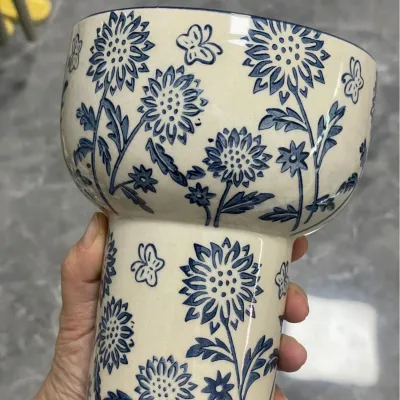
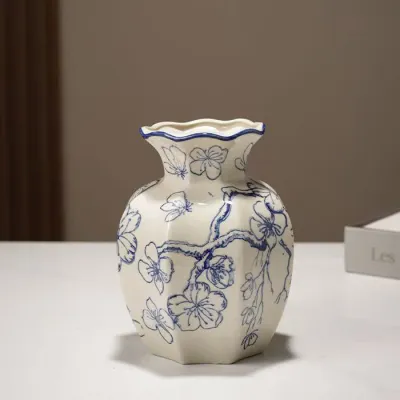
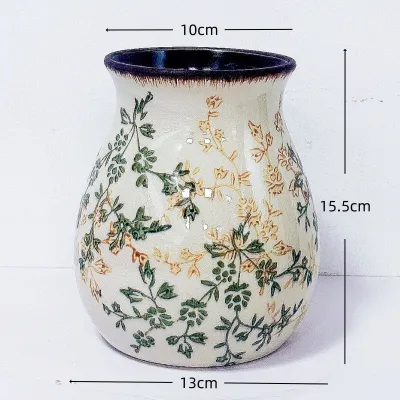
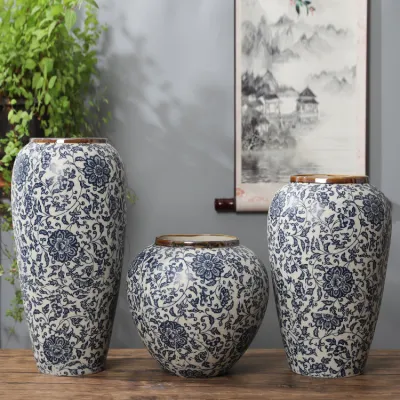
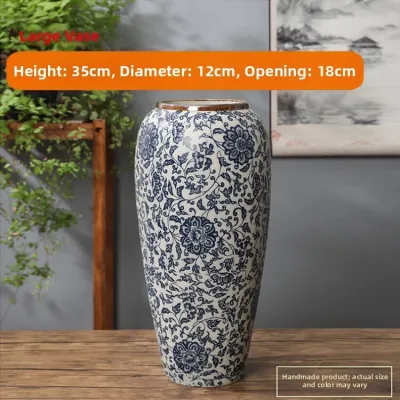
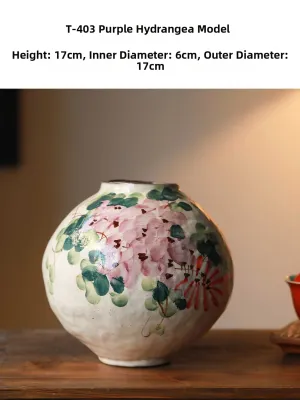
Prices are valid at publication and may change. Please refer to the product page for the latest price.
- Choose Blue and White if you want a versatile, calming accent that complements cool or neutral color schemes, fits easily into modern, minimalist, or coastal interiors, and can be styled in pairs or groupings without overwhelming the room.
- Choose Famille Rose if you want a vibrant, warm focal point that introduces a rich palette of pinks, yellows, and greens, complements eclectic, maximalist, or classic wood-toned interiors, and stands alone as a singular conversation piece.
Understanding the Classics: Visual and Historical Profiles
To appreciate how these ceramic styles interact with modern interiors, it is essential to understand their distinct visual structures and physical textures. Both styles represent pinnacles of Chinese ceramic artistry, yet they utilize entirely different glaze techniques, chemical compositions, and firing processes that dictate their final appearance and tactile quality.

Blue and White porcelain, known historically as Qinghua, relies on an underglaze decoration technique. Artisans paint intricate designs directly onto the unfired, dry clay body using a pigment formulated from cobalt oxide. The vessel is then coated with a transparent liquid glaze and fired in a kiln at temperatures ranging between 1200°C and 1300°C. This intense heat vitrifies both the clay and the glaze, fusing the cobalt pigment deep beneath a glassy, protective surface. Visually, this creates a crisp, permanent design with a smooth, highly reflective finish. The patterns can range from sparse, minimalist floral sprays to dense, sweeping landscapes, but they always maintain a clean, high-contrast two-tone palette that feels exceptionally unified.
Famille Rose, known in Chinese as Fencai (literally “soft colors”) or Yangcai (“foreign colors”), represents a significant technological evolution developed during the late Kangxi and early Yongzheng periods of the Qing Dynasty. Unlike Blue and White, Famille Rose is an overglaze enamel technique. The porcelain body is first glazed and fired at a high temperature to create a white canvas. Artisans then paint detailed scenes onto the fired glaze using specialized enamels mixed with metallic oxides. The defining characteristic of this style is the use of an opaque white enamel containing arsenic, which is blended with other pigments to create soft, pastel shades and delicate color gradients. The signature rose-pink hue is derived from colloidal gold. Once painted, the vase is fired a second time in a lower-temperature muffle kiln (around 700°C to 800°C) to fuse the enamels to the glaze. This process results in a painterly, slightly three-dimensional texture where the colorful enamels sit physically raised on top of the smooth glaze surface.
In modern interior design, these historical techniques translate directly into visual weight and physical presence. A Blue and White vase offers a smooth, cool, and optically deep surface where the pattern seems to float beneath a protective glass layer. A Famille Rose vase, by contrast, presents a tactile, richly textured surface with a matte-to-semi-gloss finish on the enamel work, offering a warmer, more substantial visual density that commands close inspection.
Key Comparison Dimensions for Interior Styling
Integrating a traditional chinese porcelain vase into a modern home requires analyzing how the object’s visual properties interact with your existing architecture, furniture, and light. Rather than viewing a vase as an isolated collectible, interior designers treat it as a dynamic styling tool. To choose the right style, you must evaluate three primary dimensions: color palette harmony, pattern complexity, and design style compatibility.
Color Palette and Visual Weight
The color spectrum of your chosen vase dictates how it alters the perceived size and mood of a room. Blue and White porcelain operates on a cool, monochromatic spectrum. Because blue is a receding color, these vases tend to make spaces feel airier, more open, and tranquil. They perform exceptionally well in rooms dominated by cool undertones, such as soft grays, crisp whites, muted blues, and natural wood tones like ash or pale oak. If your space feels slightly cramped or visually busy, a Blue and White vase introduces a calming, organizing element that does not compete for spatial dominance.
Famille Rose porcelain, on the other hand, utilizes an advancing color palette dominated by warm pinks, soft yellows, vibrant lime greens, and rich iron reds. These colors visually step forward, drawing the eye directly to the object and making the surrounding space feel cozier, warmer, and more physically filled. This style is highly effective in large, open-plan rooms that risk feeling cold or sterile, or in spaces with warm undertones like cream, beige, terracotta, and deep mahogany or walnut furniture. Before purchasing, observe the dominant undertones of your room’s walls and large furniture pieces to determine whether a cool, receding accent or a warm, advancing focal point will better balance the space.
Pattern Complexity and Focal Points
The density and style of the patterns painted on a vase determine its visual noise level. While both Blue and White and Famille Rose can feature incredibly complex designs, they handle visual attention differently. Blue and White porcelain maintains a strict tonal unity. Because it uses only shades of cobalt blue against white, even a highly detailed, fully covered vase (such as a dense “thousand floral” or continuous landscape pattern) retains a sense of graphic order. This allows you to place large-scale Blue and White vases in a room without creating visual chaos, as the single-color scheme naturally harmonizes with its surroundings.
Famille Rose porcelain is inherently multi-colored and multi-layered, often depicting elaborate narrative scenes, courtly figures, botanical studies, or auspicious birds. Because of the contrasting enamel colors and the physical texture of the paint, a Famille Rose vase naturally demands immediate attention. It acts as a powerful visual anchor. To style a Famille Rose piece successfully, the surrounding decor must provide breathing room. Placing a highly detailed Famille Rose vase on a busy, cluttered shelf or against patterned wallpaper can create visual exhaustion. Instead, position it against a solid, neutral backdrop where its intricate artistry can be appreciated as a singular work of art.
Ideal Interior Design Styles
Both porcelain styles can bridge the gap between traditional heritage and modern living, but they naturally align with different design aesthetics.
- Blue and White Compatibility: This style is a staple of Coastal, Hamptons, Scandinavian, and Modern Classic interiors. Its clean, crisp contrast pairs beautifully with natural fibers like jute, linen, and rattan, as well as light-toned timbers and polished marble. It also fits seamlessly into minimalist spaces, where a single, large-scale blue and white ginger jar adds a touch of organic form without disrupting the clean color scheme.
- Famille Rose Compatibility: This style is highly prized in Maximalist, Eclectic, Bohemian, and traditional Chinoiserie designs. Its rich, multi-hued palette complements jewel tones, velvet upholstery, brass fixtures, and dark, antique wooden furniture. A Famille Rose vase brings life and warmth to formal dining rooms, library shelves, or eclectic living spaces where diverse textures and historical periods are layered together.
While these pairings serve as reliable starting points, they are not rigid rules. A striking modern design trend involves placing a highly detailed Famille Rose vase in an otherwise ultra-minimalist, monochromatic room to create an unexpected, high-contrast artistic statement.
Space-by-Space Styling Guide for Singapore Homes
In Singapore’s residential landscape—characterized by a mix of high-rise HDB flats, contemporary condominiums, and landed properties—decor choices must account for specific spatial constraints, high humidity, and the unique quality of tropical natural light. Here is how to strategically place and style these porcelain classics in your home.
Living Room Placement and Structural Safety
Large floor vases (ranging from 60cm to over 100cm in height) make magnificent statements in living rooms, but they require careful structural consideration. Large ceramic vases are heavy and have a high center of gravity, making them prone to tipping if bumped. Always place large floor vases on flat, level flooring, ideally in low-traffic corners or flanking a solid media console. If you are placing a medium-to-large vase on a floating shelf or a glass-topped console table, verify the manufacturer’s load-bearing capacity first. Porcelain is dense and heavy; a large vase filled with water and floral arrangements can easily exceed 10 to 15 kilograms. To protect delicate wooden or glass surfaces from scratches, apply adhesive felt pads to the unglazed underside of the vase’s foot rim.
For styling, use a tall, slender Blue and White vase in a bright, sun-drenched corner to create a serene, cooling backdrop that mimics the soothing tones of the sky. If you prefer a warmer, more welcoming atmosphere, place a bulbous Famille Rose vase on your primary sideboard or coffee table, surrounding it with simple, solid-colored decorative objects to let the vase’s detailed enamel scenes shine.
Dining Area and Table Settings
The dining room is an ideal space for hosting and conversation, and your choice of centerpiece should facilitate this. When styling a dining table, ensure the height of the vase and its floral arrangements remains below eye level—typically under 30 centimeters—so guests can converse across the table without obstruction. Alternatively, reserve taller, more dramatic vases for a buffet or sideboard against the wall. Pair a Blue and White vase with crisp white linen tablecloths, silver cutlery, and simple green foliage (such as eucalyptus or monstera leaves) for a clean, sophisticated table setting. For a festive, warm, or formal dinner setting, style a Famille Rose vase on a dark wood sideboard, pairing it with warm brass candlesticks and floral arrangements that echo the pink and yellow tones found in the porcelain’s overglaze enamels.
Entryways and Consoles
Your entryway sets the tone for your entire home. Creating a balanced, symmetrical arrangement is a classic design technique that instills an immediate sense of order and calm. Flanking an entryway mirror or a piece of art with a matching pair of Blue and White ginger jars or baluster vases creates an elegant, timeless welcome. If your entryway is compact, a symmetrical pair may feel too crowded. In smaller spaces, opt for a single, asymmetrical statement piece. A solitary, highly detailed Famille Rose vase placed on a narrow console table against a neutral wall creates a vibrant, artistic first impression that draws visitors into the home.
Tropical Lighting Considerations
Singapore’s proximity to the equator means homes are often flooded with bright, direct tropical sunlight, which has a cool, high-intensity color temperature (often exceeding 5500K to 6500K). This bright daylight can dramatically alter how porcelain glazes appear. Under direct natural light, the white glaze of Blue and White porcelain looks exceptionally crisp and clean, while the cobalt blue appears vibrant and deep. However, this same intense light can sometimes wash out the delicate pastel gradients of Famille Rose enamels.
Conversely, artificial indoor lighting plays a significant role in the evening. Warm-toned LED lighting (around 2700K to 3000K) enhances the rich pinks, yellows, and gold accents of Famille Rose, making the vase glow with a cozy, inviting warmth. Cool white artificial light (4000K or higher) can make Famille Rose look slightly flat or muddy, but it keeps Blue and White looking sharp and modern. Before finalizing your vase’s placement, observe it in its intended spot at different times of the day—during mid-day sun, late afternoon shade, and under your home’s evening artificial lighting—to ensure the colors perform beautifully in every environment.
Evaluating Craftsmanship, Authenticity, and Value of a Chinese Porcelain Vase
When shopping for a chinese porcelain vase on online marketplaces, specialty boutiques, or antique galleries, understanding how to evaluate quality and craftsmanship is essential. The market ranges from mass-produced, factory-printed decorative items to highly prized, hand-painted artisan masterpieces. Knowing what physical details to look for will help you make an informed purchase and ensure you pay a fair price for the level of craftsmanship provided.
Inspecting the Glaze and Surface
Begin by examining the overall quality of the glaze. High-quality porcelain should have a smooth, glass-like finish that is free from excessive pinholes, deep pits, or warp lines. Run your hands gently over the surface of a Blue and White vase; the glaze should feel completely uniform, with no physical ridge between the blue patterns and the white background, as the paint is safely sealed under the glaze. For a Famille Rose vase, you should feel a slight, physical raise when you run your fingers over the colored patterns. This tactile texture is a natural result of the overglaze enamel process. However, the background white glaze should still be smooth, glossy, and free from cloudiness.
Differentiating Hand-Painted Artisan Work from Decal Prints
The most critical factor driving both the visual beauty and the financial value of a porcelain vase is whether it was painted by hand or decorated using a mass-produced transfer decal.
- Hand-Painted Vases: Look closely at the brushwork under good lighting. Hand-painted pieces display natural, organic variations. You will see subtle differences in line thickness, visible brush strokes, and variations in pigment density. In Blue and White pieces, the cobalt blue will have areas of deeper concentration (sometimes referred to as "heaping and piling") where the brush held more paint. In Famille Rose pieces, you will observe delicate color blending, shading, and tiny hand-painted outlines that frame the colored enamels.
- Decal-Printed Vases: Mass-produced pieces use printed transfer sheets applied to the ceramic before firing. Under close inspection (or with a simple magnifying glass), decal prints reveal a highly uniform, mechanical structure. You may see a tiny dot-matrix pattern similar to a newspaper print. The lines will be perfectly identical across repeating patterns, lacking any human variation, and the colors will appear flat, without the rich, layered gradients of hand-applied enamel.
Checking the Base and Material Integrity
Turn the vase over to inspect the unglazed foot rim. This area reveals the true nature of the clay body. High-quality porcelain uses refined kaolin clay, which fires to a clean, bright white or slightly off-white color and feels smooth and dense to the touch. If the foot rim is rough, dark gray, or gritty, it may indicate lower-grade clay or stoneware rather than fine porcelain. The foot rim should also be ground smooth by the manufacturer to prevent it from scratching your furniture. Additionally, you can gently test the material’s density. When lightly tapped with a fingernail or a small wooden dowel, a high-fired, genuine porcelain vase will produce a clear, high-pitched, bell-like ring. A dull, flat thud often indicates a lower firing temperature, thicker earthenware, or a hidden structural crack.
Understanding Value Drivers
The value of a Chinese porcelain vase is primarily driven by three factors: the complexity of the craftsmanship, the reputation of the artist or kiln studio, and the age or historical provenance of the piece. Hand-painted artisan vases require days or even weeks of meticulous labor, justifying a significantly higher price point than mass-produced printed pieces. While antique vases from the Ming or Qing dynasties command premium collector prices at specialty auctions, high-quality modern reproductions hand-painted in traditional kiln centers like Jingdezhen offer exceptional visual beauty and durability for contemporary home decor. Always read the seller’s product descriptions carefully, check for artist marks or kiln signatures on the base, and verify the merchant’s reputation before investing in a high-value piece.
Final Decision Framework: Choose Blue and White or Famille Rose?
To finalize your decision and choose the perfect chinese porcelain vase for your home, review this practical, condition-based framework designed to match your specific aesthetic preferences and environmental conditions.
Choose Blue and White if:
- You prefer a timeless, classic aesthetic that transcends changing design trends and integrates effortlessly into cool, neutral, or coastal color schemes.
- You want a versatile decor piece that can be styled in pairs, grouped with other ceramics, or filled with bright green foliage without overwhelming the room.
- Your home features bright, cool natural light that will highlight the crisp, clean contrast of the cobalt underglaze.
- You appreciate a smooth, low-maintenance, glass-like finish that is highly durable and easy to clean.
Choose Famille Rose if:
- You want a vibrant, warm, and highly detailed focal point that adds visual density, cozy warmth, and artistic storytelling to a room.
- Your interior style leans toward maximalist, eclectic, traditional, or rich vintage aesthetics with warm wood furniture and brass accents.
- Your room is illuminated by warm artificial lighting or soft, indirect natural light that enhances the delicate pastel gradients of the overglaze enamels.
- You appreciate the tactile, painterly texture of hand-applied enamels and want a standout conversation piece.
Verify First Before You Buy:
- Dimensions and Weight: Measure your intended shelf, console, or floor space carefully. Ensure the vase's height and diameter are proportional to the surrounding furniture, and verify that shelves or glass tabletops can safely support the physical weight of dense porcelain.
- Safety and Placement: If you have active pets or young children, avoid placing heavy, tall vases in high-traffic pathways. Consider securing them with museum putty or placing them on sturdy, elevated surfaces out of reach.
- Surface Protection: Always check the bottom of the vase's foot rim. If it feels rough, plan to apply small felt pads to protect your wood, lacquer, or glass surfaces from accidental scratches.
Community discussion
Share your experience or ask a question. Comments are reviewed before publication.