
A blue vase is far more than a simple container for flowers; it is a deliberate design choice that can anchor a room, introduce a sophisticated splash of color, and define the overall mood of your living space. Blue is a unique hue in interior design, offering a spectrum that ranges from the tranquil, airy qualities of a morning sky to the dramatic, grounding presence of the deep ocean. Because of this versatility, a blue vase can adapt to almost any decorative style, provided you select the correct shade, material, and silhouette.
Matching a blue vase to your existing interior design aesthetic requires an understanding of how form, finish, and color saturation interact with your surroundings. A glossy cobalt glass vase that looks spectacular in a sleek, contemporary living room might feel jarring in a rustic, bohemian space. Conversely, a hand-thrown, textured indigo clay vessel could lose its charm when placed in a highly polished, minimalist setting. By carefully evaluating these design elements and looking to brands that specialize in your preferred aesthetic, you can find the perfect piece to elevate your home.
How to Choose the Right Blue Vase for Your Space
Selecting the perfect blue vase involves more than simply finding a piece you like on a retail shelf. You must consider how the specific shade of blue affects the room’s atmosphere and spatial perception. Deep, saturated blues such as navy, indigo, and cobalt possess a high visual weight, drawing the eye immediately and acting as powerful focal points. These darker tones bring a sense of stability, sophistication, and intimacy, making them excellent choices for spacious rooms, formal dining tables, or study shelves. On the other hand, lighter shades like pastel, powder, and dusty blue have a lower visual weight. These soft tones reflect more light, creating an airy, expansive feeling that can make smaller rooms or cozy corners feel more open and serene.
Products mentioned in this guide
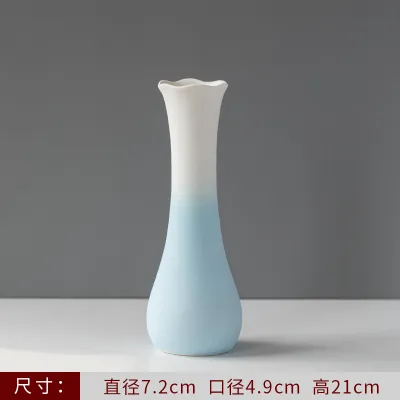
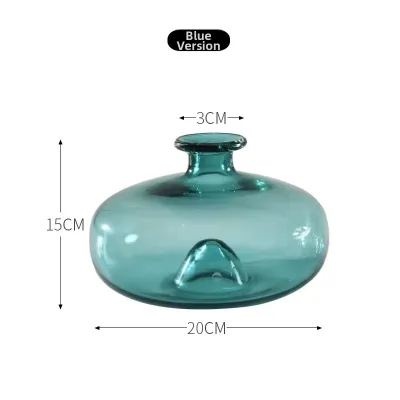
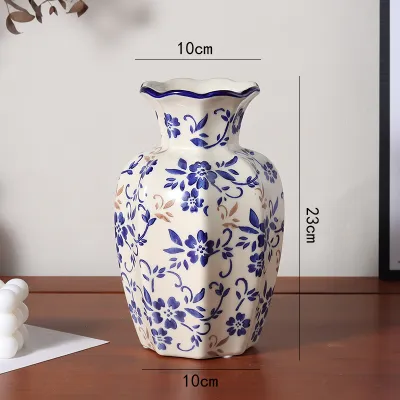
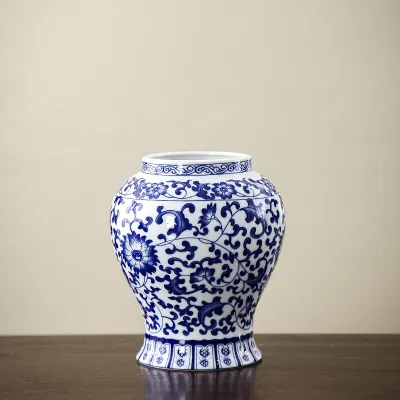
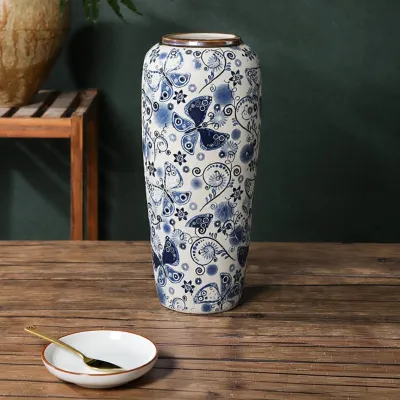
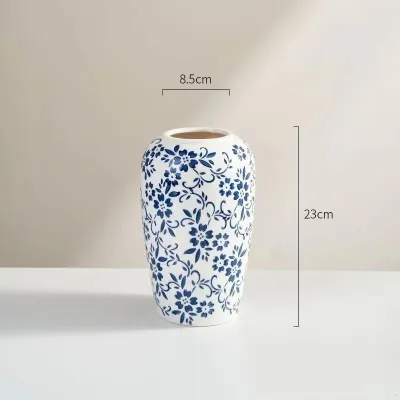
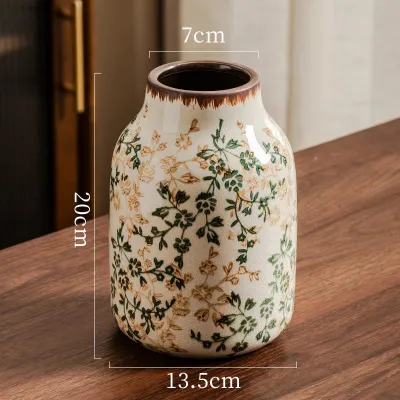
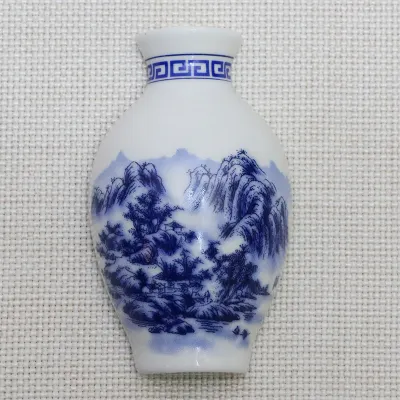
Prices are valid at publication and may change. Please refer to the product page for the latest price.
The material and finish of the vase play an equally critical role in how it integrates with your room’s lighting. Glossy glass vases interact dynamically with both natural sunlight and artificial light fixtures. They create bright highlights, cast colorful shadows, and add a sense of movement and fluidity to a space. This makes glass particularly effective in well-lit rooms where daylight can pass through the material. In contrast, matte ceramic finishes absorb light rather than reflecting it. This absorption emphasizes the physical silhouette and structural lines of the vase, offering a quiet, tactile quality that feels grounded and modern. Textured clay, stoneware, or unglazed terracotta diffuses light softly across its uneven surface, highlighting organic imperfections and adding a rustic, tactile depth that feels highly artisanal.
Proportion and scale are the final structural considerations when placing a vase on a shelf, console table, or mantel. A vase that is too small will look lost and insignificant, while one that is too large can overwhelm the surrounding decor and make the surface feel cluttered. When styling a narrow mantelpiece or a slender wall shelf, opt for tall, vertical silhouettes with a small footprint to maintain a sense of height without crowding the surface. For large, expansive surfaces like a kitchen island or a substantial entryway console, a bulbous, wide-mouthed vase provides the necessary visual weight to anchor the space. A helpful rule of thumb for floral arrangements is to ensure the height of the vase represents approximately one-third to one-half of the total height of the display, maintaining a balanced, natural proportion.
Ultimately, the success of your choice depends on how well the vase harmonizes with the existing color palette and texture profile of your room. If your space is dominated by neutral tones and smooth surfaces, a textured, matte blue vase can introduce a welcome layer of tactile contrast. If your room already features a rich mix of patterns and materials, a simple, solid-colored blue glass vase can provide a calm spot for the eye to rest. By analyzing your room’s light, scale, and color dynamics beforehand, you can narrow down your search to the styles that will truly enhance your home.
Minimalist and Scandinavian Aesthetics
Minimalist and Scandinavian interior designs are celebrated for their clean lines, functional simplicity, and deep connection to natural elements. In these uncluttered, light-filled spaces, every decorative object must earn its place through either utility or understated beauty. When incorporating a blue vase into a Nordic-inspired home, the goal is to introduce a soft, soothing accent that complements natural wood tones, neutral textiles, and clean architectural lines without creating visual noise.

The ideal styles for this aesthetic revolve around simplicity of form and subtlety of color. Look for vases with soft matte finishes, chalky textures, or frosted glass surfaces that diffuse light gently. Muted, dusty blues, pale pastels, and soft slate tones work beautifully here, as they mimic the natural colors of Nordic landscapes—such as cold northern skies and misty lakes. Silhouettes should be clean and geometric, featuring simple cylinders, spheres, or soft, organic curves that feel sculptural yet restrained. Avoid any pieces with intricate patterns, heavy ornamentation, or high-gloss glazes that compete with the quiet atmosphere of the room.
When searching for brands that align with this design direction, look to retailers that prioritize functional, everyday design. Muji is an excellent starting point for those seeking ultimate simplicity, offering clear and frosted glass vessels with clean, unadorned lines that blend seamlessly into the background. For accessible, Scandinavian-designed stoneware, IKEA provides a wide range of minimalist vases in muted blue shades that emphasize clean shapes and practical beauty. If you want to introduce a slightly more contemporary, organic feel, H&M Home offers a curated selection of ceramic vases with soft, chalky finishes and asymmetrical, hand-carved silhouettes that add a touch of warmth and modern craftsmanship to your shelves.
Styling a blue vase in a minimalist or Scandinavian space requires a restrained hand. Rather than filling the vase with a large, colorful bouquet, opt for single-stem botanicals, a single dried branch, or a few delicate blades of grass. This minimalist approach highlights the unique form of both the plant and the vessel, allowing the arrangement to feel like a deliberate piece of art. Alternatively, you can leave the vase entirely empty, placing it on a floating shelf or a light wood sideboard where its clean silhouette can be appreciated as a subtle, standalone sculptural object.
Modern Luxury and Contemporary Aesthetics
Modern luxury and contemporary interiors are defined by their polished sophistication, bold architectural lines, and high-quality materials. These spaces often feature rich textures, such as polished marble, brushed metals, and plush velvet, creating an environment that feels curated, elegant, and deeply comfortable. In a contemporary setting, a blue vase should not fade into the background; instead, it should serve as a statement piece that adds depth, visual weight, and a sense of refined craftsmanship to the room.
To achieve this look, opt for bold, dramatic styles that command attention. Deep cobalt blue, rich navy, and translucent indigo are the perfect shades for a luxury aesthetic, offering a regal contrast to metallic accents like gold, brass, or polished chrome. Look for heavy, thick-walled hand-blown glass vases that showcase the depth of the color and catch the light beautifully. Architectural silhouettes, faceted geometric cuts, and ribbed or fluted textures add a layer of sophisticated complexity that elevates the piece. Glazed ceramics with subtle metallic rims or high-gloss finishes also work exceptionally well, reflecting the ambient lighting of a contemporary room.
Several premium home decor retailers specialize in these elevated, high-quality designs. Crate & Barrel is renowned for its selection of substantial, contemporary glassware and sculptural ceramic vessels that feature bold shapes and rich, deep glazes. For a classic yet luxurious look, Pottery Barn offers heavy stoneware and artisanal glazed vases that bring a sense of timeless elegance and structural weight to your decor. If you are looking for fashion-forward, highly editorial pieces, Zara Home provides a rotating collection of contemporary blue glass and ceramic vases that feature unique, sculptural shapes and sophisticated finishes, perfect for adding a modern, artistic touch to your home.
When styling a blue vase in a modern luxury or contemporary space, position it as a prominent focal point. Place a large, heavy cobalt glass vase on your entryway console table, dining table, or living room mantelpiece to immediately draw the eye. Pair the vase with structured, elegant floral arrangements that match the scale of the vessel. Monochromatic arrangements of white hydrangeas, structured calla lilies, or lush bundles of silver dollar eucalyptus create a stunning, high-contrast look that highlights the deep blue of the vase while maintaining a clean, sophisticated aesthetic.
Keep in mind that heavy glass and ceramic vases require careful placement to ensure safety and protect your furniture. Always verify the stability of the base, especially for tall, top-heavy, or thick-walled glass pieces that could tip over on polished or uneven surfaces. Placing a discreet, soft felt pad underneath the base of a heavy vase can prevent it from scratching delicate marble, glass, or polished wood tabletops, ensuring your decorative investments remain beautiful and undamaged.
Bohemian and Eclectic Aesthetics
Bohemian and eclectic interiors are a celebration of individuality, artistic expression, and global influences. These spaces are layered with rich textures, vibrant patterns, and a curated mix of vintage and modern elements, creating a warm, inviting, and highly personal atmosphere. In a boho or eclectic home, a blue vase is an opportunity to introduce hand-crafted charm, organic warmth, and a relaxed, lived-in energy that tells a story of travel and creativity.
The ideal styles for a bohemian aesthetic embrace imperfection and the beauty of handmade objects. Look for vases featuring hand-painted indigo patterns, intricate Moroccan-inspired motifs, or rich ombre glazes that blend deep ocean blues with sandy terracotta tones. Raw, textured clay, unglazed stoneware, and irregular, hand-thrown ceramic shapes are perfect for this style, as they celebrate the touch of the artisan’s hand. These organic forms and varied textures bring a grounded, earthy quality to the space, harmonizing beautifully with natural fibers like rattan, jute, and woven textiles.
To find unique pieces that fit this creative aesthetic, look beyond mass-market retailers and explore boutique online home decor shops, local artisan marketplaces, and specialty global-inspired collections. Sourcing hand-thrown pottery from local ceramic studios or independent makers ensures that your blue vase is a one-of-a-kind piece with its own distinct character, glaze variations, and organic imperfections. Online artisan platforms and boutique shops often feature collections of globally sourced stoneware and terracotta vases decorated with traditional hand-painted techniques, making them ideal for an eclectic home.
Styling in a bohemian or eclectic space is all about layering and creating visual interest through contrast. Instead of displaying a single vase, group multiple blue vessels of varying heights, shapes, and textures together on a bookshelf, windowsill, or coffee table. This grouping creates a rich, collected-over-time look that feels natural and relaxed. Fill your vases with unstructured, organic arrangements such as dried pampas grass, bunny tails, eucalyptus, or a wild mix of colorful wildflowers that spill casually over the sides of the vessels.
While these highly textured and hand-painted pieces add immense character, they do require specific care considerations. Hand-painted, unglazed, or highly porous clay vases can sometimes allow moisture to seep through their walls if filled with water for fresh flowers. To protect your wooden tables and shelves from water damage, always use a plastic liner inside unglazed vases, or place a protective cork or ceramic coaster underneath them. Additionally, keep delicate hand-painted or vintage pieces out of direct, intense sunlight, as prolonged exposure to harsh UV rays can fade the pigments and alter the unique character of the glaze over time.
Practical Tips for Styling and Caring for Blue Vases
Once you have selected the perfect blue vase for your interior design aesthetic, proper styling and maintenance are key to ensuring it remains a beautiful, lasting feature in your home. When styling your vase alongside other decorative objects, you can achieve a balanced and visually engaging composition by applying the rule of thirds and utilizing odd numbers. Grouping three items of varying heights—for example, a tall blue glass vase, a medium-sized brass candlestick, and a small stack of art books—creates a dynamic, triangular arrangement that is naturally pleasing to the eye. To make your blue vase stand out, contrast its cool undertones with warm, complementary materials. Placing a blue ceramic vase against a warm oak backdrop, or pairing a navy glass vessel with polished brass or terracotta accents, creates a striking visual balance that enhances the beauty of both materials.
To keep your blue vases looking pristine, it is essential to use safe, reversible cleaning methods that protect the integrity of their materials and finishes. Always check the applied product’s label and the treated item’s manufacturer instructions before applying any cleaning agents. If instructions conflict, the item is unidentified, or the use is not covered, stop and consult the manufacturer or a qualified professional. For routine maintenance of matte ceramic or unglazed clay vases, gently sweep away dust using a dry, soft microfiber cloth or a soft-bristled brush, ensuring you do not rub dust into any textured crevices. For glossy glass or fully glazed ceramic vases, wash them by hand using lukewarm water and a mild, non-acidic dish soap. Rinse the vessel thoroughly with clean water and dry it immediately with a lint-free cloth to prevent unsightly water spots or mineral build-up.
When caring for specialty finishes, it is crucial to avoid harsh cleaning practices that can cause permanent damage. Never use abrasive scrubbers, steel wool, magic erasers, or harsh chemical degreasers on matte, painted, or delicate glazed surfaces. These abrasive materials can permanently scratch the finish, wear away hand-painted details, or create unwanted shiny patches on a matte surface, ruining its uniform, chalky appearance. If you are dealing with a highly valuable, delicate vintage piece, or an antique blue vase, do not attempt any DIY deep cleaning or chemical stain removal. In these cases, it is always best to consult a professional art or ceramic conservation specialist who can safely clean and preserve the piece without risking its structural or aesthetic value.
Frequently Asked Questions (FAQ)
What color flowers look best in a blue vase?
The best flower colors for a blue vase depend on the visual effect you want to create and the specific shade of blue of your vessel. If you are looking for a vibrant, high-energy contrast, apply basic color theory by choosing flowers in warm, complementary tones such as peach, coral, soft orange, and pale yellow. These warm colors create a striking contrast against the cool tones of the vase, making both the container and the blooms stand out dramatically. For a more serene, harmonious, and calming look, opt for a monochromatic palette using soft purples, lavender, and varying shades of blue. If you prefer a classic, timeless, and clean aesthetic that works in any interior design style, crisp white flowers—such as lilies, roses, or hydrangeas—paired with rich, dark green foliage offer an elegant, sophisticated presentation that never goes out of style.
How do I clean a matte blue ceramic vase without damaging the finish?
Cleaning a matte blue ceramic vase requires a gentle touch to preserve its characteristic flat, non-reflective finish. Begin by checking any manufacturer care instructions that came with the vase. For regular dusting, use a dry, soft microfiber cloth or a soft-bristled brush to gently sweep away dust from the surface. If the vase has light water stains or dirt, mix a few drops of mild, neutral dish soap with lukewarm water. Dampen a soft, non-abrasive sponge in the solution, squeeze out the excess water, and gently wipe the affected areas. Rinse the sponge with clean water, wipe away any soap residue from the vase, and pat the surface dry immediately with a clean, soft towel. Never use abrasive scrubbers, magic erasers, or harsh chemical cleaners, as these can permanently scratch the matte surface or create polished, shiny spots that ruin the uniform look of the vase.
Community discussion
Share your experience or ask a question. Comments are reviewed before publication.