
When selecting the perfect boba wall light for your home corridors, the ideal choice balances soft, glare-free illumination with a compact physical profile that does not obstruct your daily movement. Corridors are the connective tissue of your home, yet they are frequently neglected during the lighting design process, resulting in spaces that feel either clinical or dim. Introducing a spherical, globe-style luminaire can transform these narrow passages into warm, inviting transitions. By understanding how these fixtures distribute light and how to evaluate their material quality, you can make an informed purchase that enhances both safety and style.
Understanding the Boba Wall Light Aesthetic for Hallways
The “boba” aesthetic in modern lighting design refers to spherical, globe, or pearl-like diffusers that mimic the soft, rounded shape of bubble tea pearls. These fixtures are celebrated for their ability to provide omnidirectional illumination, casting light evenly in a complete 360-degree pattern. Unlike directional spotlights or downlights that create harsh cones of light and leave the ceiling or upper walls in deep shadow, a spherical diffuser washes the entire surrounding area in a gentle, uniform glow. This soft illumination is highly effective in narrow corridors, where harsh shadows can make the space feel cramped and uninviting.
From a design perspective, the perfect geometry of a sphere introduces a welcome contrast to the rigid, linear architecture typical of home hallways. Corridors are naturally defined by long parallel walls, rectangular door frames, and straight floor lines. Adding a rounded fixture breaks up this structural monotony, softening the visual transition between rooms. The balanced visual weight of a globe light anchors the space without overwhelming it, making it an exceptional choice for minimalist, Japandi, or contemporary interior themes that prioritize clean lines and organic shapes.
Products mentioned in this guide
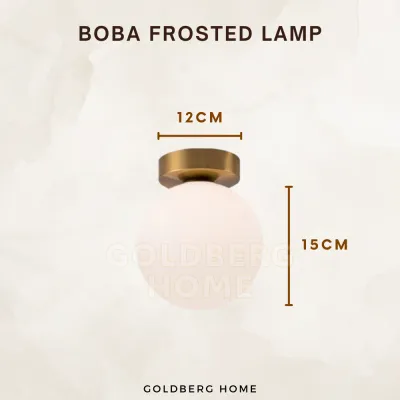
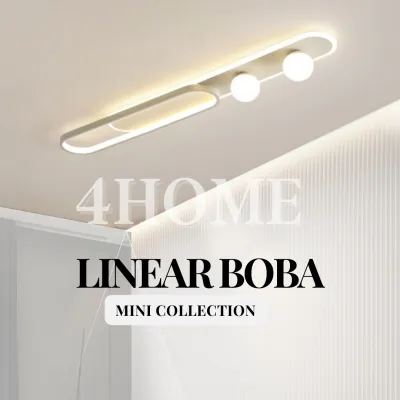
Prices are valid at publication and may change. Please refer to the product page for the latest price.
Beyond mere aesthetics, the psychological impact of soft, diffused lighting in transitional spaces is significant. Moving from a brightly lit living room to a dark hallway can feel jarring and uncomfortable. A boba-style fixture provides a gentle visual bridge, guiding you safely through the home with a calming, glare-free glow. This welcoming atmosphere is particularly beneficial during late-night hours, offering enough visibility for safety without shocking your eyes with intense, direct light.
Essential Design and Functional Criteria for Corridors
Before purchasing any wall luminaire for a hallway, you must evaluate several physical and technical specifications to ensure the fixture is both practical and safe for a high-traffic transitional area.

Protrusion and Clearance
In Singapore apartments, including HDB flats and private condominiums, corridors are often compact, typically measuring between 900mm and 1200mm in width. In these tight spaces, the physical projection of a wall light is a critical safety consideration. A fixture that protrudes too far from the wall can easily obstruct movement, snag on clothing, or be knocked loose when you are carrying bulky items like laundry baskets or groceries. When selecting a fixture, measure your hallway width carefully and prioritize slim-profile or semi-spherical designs that project no more than 120mm to 150mm from the wall. Maintaining a clear passage width of at least 900mm is standard for comfortable two-way foot traffic and wheelchair accessibility. If a corridor is exactly 1000mm wide, installing a wall light with a 200mm projection reduces the walking space to 800mm, which violates standard clearance comfort and makes moving large appliances or furniture incredibly difficult. You must also map out the swing arc of all adjacent doors before finalizing the installation points. If a bedroom door opens outward into the corridor, a protruding wall light placed too close to the door frame can block the door from opening fully or cause the door handle to smash into the glass globe. Alternatively, plan to mount the fixtures at a height of 1.8 to 2 meters from the finished floor level to ensure they clear head height, provided your ceiling height allows for it.
Glare and Diffusion
Because you walk directly alongside or toward wall lights in a corridor, the type of glass diffuser you choose directly impacts your visual comfort. Clear glass globes expose the bare bulb filament, which can cause intense, blinding glare in a narrow sightline. To prevent eye strain, look for diffusers made of opal glass, frosted glass, or ribbed glass. Opal glass, which contains microscopic light-scattering particles, is the gold standard for diffusing light evenly across the entire surface of the sphere, eliminating harsh hot spots. Frosted glass, created through acid-etching or sandblasting, also offers good diffusion but may still reveal a faint outline of the bulb. Ribbed or fluted glass adds a beautiful tactile texture, refracting the light into elegant patterns on the wall while still softening the direct glare.
Color Temperature
Perceived color temperature is a personal preference, but it plays a crucial role in how a corridor functions at different times of the day. For a cozy, relaxing evening transition between living zones and bedrooms, a warm white light of 2700K to 3000K is highly recommended, as it mimics the soothing tones of sunset. However, if your corridor serves a dual purpose—such as displaying artwork, housing utility closets, or leading to a home office—a neutral white light of 3500K to 4000K provides superior clarity, color rendering, and safety. Avoid cool white light (5000K or higher) in residential hallways, as it can create a cold, clinical atmosphere that feels unwelcoming.
Beam Angle and Light Distribution
The inherent advantage of a spherical design is its 360-degree light distribution. This omnidirectional beam angle is highly effective for narrow spaces because it projects light upward toward the ceiling and downward toward the floor simultaneously. This vertical light distribution eliminates the “cave effect” often caused by recessed ceiling downlights, which leave the upper walls and corners dark. By illuminating the entire wall surface, the corridor visually expands, making a narrow passage feel wider, taller, and more open than it actually is.
Bulb Compatibility and Maintenance
When choosing a fixture, you must decide between integrated LED modules and traditional replaceable bulb sockets, such as E14 or E27 bases. Integrated LED fixtures allow manufacturers to create incredibly sleek, low-profile designs because they do not require space for a bulky bulb socket. These integrated systems often boast excellent energy efficiency and long lifespans, but if the internal LED driver or diode fails, the entire fixture must typically be replaced or repaired by a professional. Conversely, fixtures with standard screw-in sockets offer unmatched flexibility. You can easily select your preferred bulb brand, wattage, and color temperature, and replace a burnt-out bulb in seconds without touching the wall wiring. If you choose replaceable bulbs, always check the fixture’s maximum wattage limit to prevent overheating within the sealed glass globe.
Evaluating Brands and Material Quality for Spherical Lights
To ensure your chosen wall light maintains its beauty and functionality over years of daily use, it is essential to focus on established lighting manufacturers and verify the quality of the materials used in construction.
Brand Selection
When searching for high-quality globe lights, look for reputable Scandinavian, contemporary, or specialized architectural lighting brands known for geometric precision and premium materials. Well-known design houses, available through authorized local showrooms in Singapore, prioritize strict quality control, durable finishes, and certified electrical safety. Purchasing from established brands ensures that the fixture’s glass is of uniform thickness and that the internal wiring meets safety standards. This is a far safer and more durable investment than purchasing unbranded, generic replicas from online marketplaces, which often cut corners on material thickness and electrical insulation.
Material Verification
The quality of the spherical diffuser is the defining characteristic of a premium boba wall light. High-end fixtures utilize mouth-blown glass, a traditional craftsmanship technique where molten glass is hand-shaped by artisans. This process results in a seamless, high-clarity sphere with uniform light transmission and no visible seams. When shopping in a physical showroom, you can inspect the glass globe by holding it up to the light. Look for tiny air bubbles, impurities, or uneven thickness. In mouth-blown glass, minor, almost microscopic bubbles are a natural characteristic of the artisanal process and do not affect structural integrity, whereas large, uneven pockets or visible seams indicate cheap, machine-molded glass. Also, be aware of the difference between true opal glass and painted white glass. Some low-end fixtures use clear glass that has been sprayed with a thin layer of white paint on the inside. Over time, the heat from the bulb can cause this paint to peel or crack, leading to highly uneven light distribution. True opal glass is colored throughout the material during the melting process, ensuring the diffusion properties never degrade. Lower-quality alternatives often use plastic diffusers made of acrylic (PMMA) or polycarbonate. While plastic is lightweight and shatter-resistant, it has significant long-term drawbacks. Over time, exposure to heat from the bulb and ambient UV light causes plastic to yellow, cloud over, and become brittle. Plastic also scratches easily during routine cleaning, which permanently degrades the quality of the diffused light. For a timeless, premium aesthetic, genuine glass remains the superior choice.
Hardware and Mounting Quality
Because glass globes are heavy, the metal hardware that secures the fixture to the wall must be exceptionally robust. Inspect the construction of the backplate, mounting brackets, and any visible screws. Premium fixtures utilize solid brass, stainless steel, or heavy-gauge powder-coated aluminum to resist corrosion, which is particularly important in Singapore’s humid climate. Look for secure locking mechanisms, such as threaded glass collars that screw directly into the metal base, or robust metal spring clips. Avoid fixtures that rely on flimsy plastic components or thin metal tabs to hold the heavy glass sphere, as these can degrade over time and pose a risk of the globe falling.
Warranty and Support
Always verify that the brand or local retailer offers a clear warranty of at least 12 to 24 months on electrical components and finishes. Because glass is inherently fragile, it is equally important to check the retailer’s transit damage policy. Reputable sellers will guarantee safe delivery and promptly replace any glass components that are damaged or broken during shipping, ensuring you are not left with a useless fixture.
Analyzing Customer Reviews
When researching brands online, look beyond star ratings and read the detailed feedback from verified buyers. Look for specific mentions of the physical weight of the fixture, the ease of installation, and whether the glass diffuser distributes light evenly without creating bright hot spots. Pay attention to reviews discussing the long-term durability of the metal plating or paint finish, as low-quality finishes can quickly tarnish, peel, or rust in humid environments.
Installation Safety and Electrical Compliance in Singapore
Installing hardwired wall lights requires strict adherence to local safety standards and electrical regulations to protect your home and family.
Voltage and Electrical Certification
Before purchasing any lighting fixture, especially when importing from overseas, you must confirm that it is rated for Singapore’s standard electrical grid of 230V and 50Hz. Fixtures manufactured for markets with different electrical standards, such as North America (110V/60Hz), will fail or pose a severe fire hazard if connected directly to Singapore’s power supply without a compatible transformer or bulb replacement. Ensure the fixture carries recognized international safety certifications, such as the CE mark, to guarantee it has undergone rigorous electrical safety testing.
Professional Installation and Power Isolation
In Singapore, any modification or addition to your home’s fixed electrical wiring is legally required to be performed by a Licensed Electrical Worker (LEW) or a qualified, licensed electrician. This includes running new cables behind drywall, chasing concrete walls to create new light points, or modifying existing corridor light switches. Before any installation or maintenance work begins, the power must be completely isolated at the main distribution board (DB) by switching off the corresponding miniature circuit breaker (MCB) to prevent accidental shocks or short circuits.
Assessing Wall Types and Structural Support
Because high-quality glass boba wall lights carry significant weight, you must ensure your corridor walls can safely support the load. In Singapore, wall construction varies:
- Concrete or Brick Walls: Common in HDB flats and structural walls of private condominiums. These require a rotary hammer drill to create precise holes, followed by the insertion of high-quality plastic rawlplugs and heavy-duty screws to secure the mounting bracket firmly.
- Drywall or Partition Walls: Often found in newer condominium layouts or customized home renovations. Standard plastic wall plugs are insufficient for supporting heavy glass fixtures on drywall. The electrician must anchor the mounting bracket directly into the internal timber or metal studs, or utilize specialized metal toggle bolts that expand behind the plasterboard to distribute the weight safely across a larger surface area.
Switch and Dimmer Compatibility
If you wish to install a dimmable corridor lighting system to create a soft, low-light ambiance during the evening, you must verify compatibility across all components. If you select an integrated LED fixture, ensure the LED driver is dimmable and compatible with the specific dimming technology of your wall switch (such as trailing-edge phase dimming or smart home dimmers). If you are using fixtures with replaceable bulbs, you must purchase bulbs explicitly labeled as “dimmable.” Pairing incompatible dimmers and LEDs will result in annoying flickering, loud buzzing noises, and premature failure of both the light source and the wall switch.
Many modern homes in Singapore are adopting smart lighting systems. If you plan to integrate your boba wall lights into a smart home ecosystem, you must choose your setup carefully. If you use smart bulbs in an E14 or E27 fixture, the wall switch must remain turned on for the smart functionality to work, which can be inconvenient if family members accidentally flip the physical switch off. Alternatively, installing a smart dimmer switch behind the wall plate allows you to control standard dimmable LED bulbs or integrated LED fixtures smart-ready, but you must ensure the smart switch’s dimming protocol matches the driver of the fixture. A Licensed Electrical Worker can help you navigate these technical requirements to avoid damaging your smart components.
Frequently Asked Questions (FAQ)
Are glass boba-style wall lights too fragile for busy household corridors?
Glass boba-style wall lights are constructed using high-quality, thickened borosilicate or tempered glass, making them highly resilient to everyday household vibrations and minor bumps. However, because corridors are high-traffic zones, proper placement is essential to minimize the risk of accidental damage. Mount the fixtures at a height of approximately 1.8 to 2 meters from the floor, ensuring they are well above the typical path of swinging arms, carried items, or active children. Ensure the mounting bracket is securely anchored flush against the wall to eliminate any wobble. If you have an exceptionally narrow hallway, active pets, or young children, you might consider high-grade, UV-stabilized acrylic or polycarbonate diffusers from reputable brands as a shatterproof alternative, though they may require more frequent replacement over time due to yellowing or scratching.
Do spherical wall lights provide enough illumination for a dark hallway?
Spherical wall lights excel at providing ambient, omnidirectional light that fills a space evenly, but their overall light output depends on the bulb’s lumen rating and the opacity of the glass diffuser. Because opal or frosted glass diffusers absorb a portion of the light to eliminate glare, a single wall light is rarely sufficient to illuminate a long, windowless corridor safely. For optimal visibility, treat wall lights as part of a layered lighting scheme. Combine your boba wall lights with low-profile recessed ceiling downlights or discrete LED strip lighting hidden in a ceiling cove. This allows you to use the bright ceiling lights for functional tasks and cleaning during the day, while relying solely on the warm, gentle glow of the wall lights to create a welcoming, low-glare ambiance in the evening.
Community discussion
Share your experience or ask a question. Comments are reviewed before publication.