
Selecting the right prayer oil lamp for daily worship involves balancing tradition, maintenance, and safety. There is no single universal option that fits every home; instead, the ideal material depends on your daily routine, how much time you can dedicate to upkeep, and the physical setup of your altar. Brass offers exceptional durability and a classic heritage look but requires regular polishing to prevent tarnish. Ceramic provides a cooler exterior and diverse, modern designs but is susceptible to chipping or cracking if dropped. Glass maximizes the visibility of the flame for a bright, open feel but demands frequent cleaning to keep soot and oil residue from clouding the surface. By comparing these materials across practical daily dimensions, you can find the lamp that best supports your spiritual practice.
Durability and Heat Resistance
Daily worship requires a lamp that can withstand prolonged exposure to open flames and regular handling. Brass is highly resilient, making it an excellent long-term investment for busy altars. While a brass lamp will not shatter if accidentally knocked over, it can dent under heavy impact, and the metal will naturally develop a dark patina or tarnish over time due to heat and oxidation. This natural aging process does not affect the structural integrity of the metal, but it does alter its appearance.
Ceramic lamps offer reliable heat resistance, but they are inherently brittle. A minor slip during cleaning or a bump on a stone altar surface can chip the glaze or cause the body to crack. If a ceramic lamp develops even a hairline fracture, it must be retired immediately, as oil can seep through the crack and create a serious fire hazard. The thermal properties of ceramic are generally excellent, allowing it to handle the heat of a steady flame without warping, but physical impacts remain its primary vulnerability.
Products mentioned in this guide
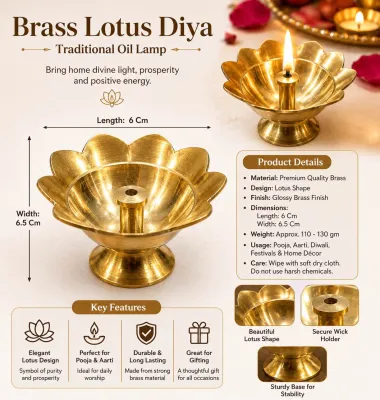
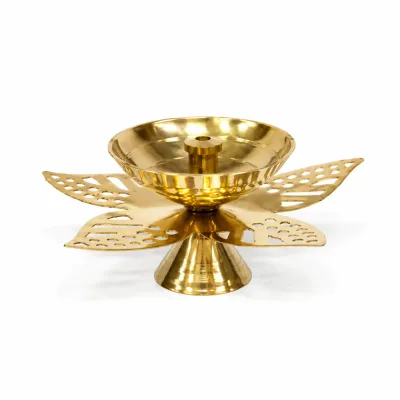
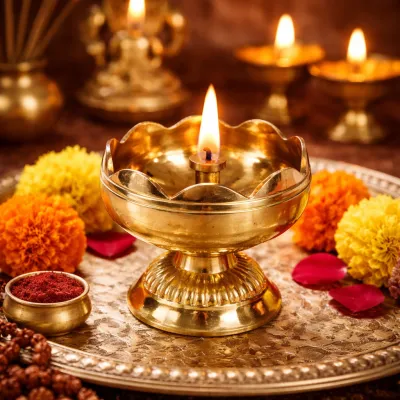
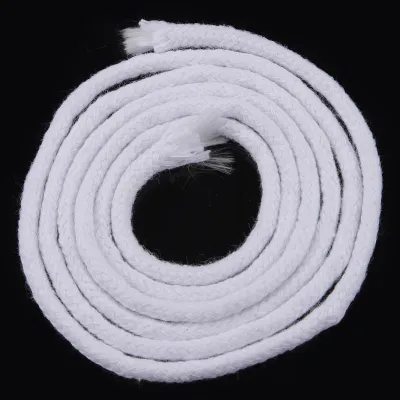
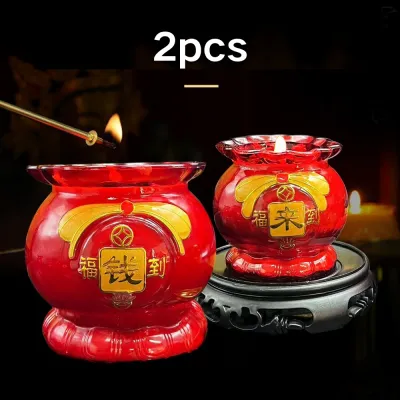
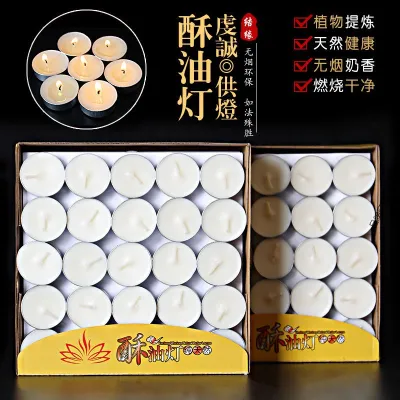
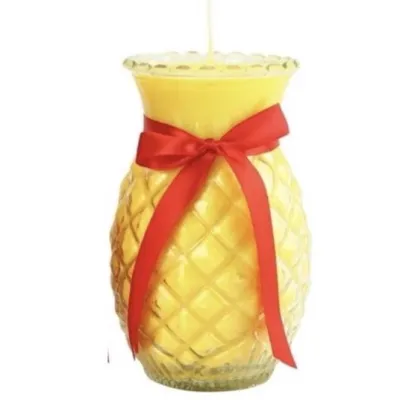
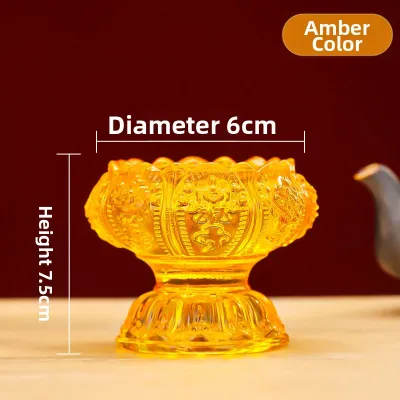
Prices are valid at publication and may change. Please refer to the product page for the latest price.
Glass lamps vary widely in their durability depending on how they are manufactured. Standard glass is highly sensitive to thermal shock, meaning rapid temperature changes—such as adding cool oil to a hot lamp—can cause it to shatter. If you choose glass, look for heat-treated or borosilicate options, and always check the manufacturer’s specifications regarding maximum recommended burn times to prevent overheating. Thinner glass lamps require extremely gentle handling during cleaning and refilling to avoid structural failure.
Cleaning and Maintenance Effort
Keeping your prayer oil lamp clean is essential for both visual appeal and safe operation, but different materials demand very different levels of upkeep. Brass lamps require a dedicated maintenance routine to preserve their bright, reflective finish. Over time, spilled oil and heat will tarnish the metal, requiring regular polishing with specialized brass cleaners, though some modern brass lamps feature a protective lacquer coating that only requires a gentle wipe with a damp cloth. Using abrasive scrubbers on lacquered brass can strip the protective layer, so it is vital to verify the finish before cleaning.

Ceramic lamps are generally straightforward to clean, especially if they have a smooth, fully glazed finish. Oil spills and soot can usually be wiped away with mild dish soap and warm water. However, if you select a ceramic lamp with an unglazed, matte, or highly textured surface, soot and oil can seep into the pores of the clay, leaving permanent stains that are difficult to remove. For these textured designs, prompt cleaning after each use is necessary to prevent long-term discoloration.
Glass lamps are the most demanding when it comes to daily maintenance because their transparency reveals every imperfection. Fingerprints, dust, water spots, and black soot buildup show up immediately on glass surfaces. To maintain a clear view of the flame, you will need to wipe the glass frequently with a soft, non-abrasive cloth, ensuring the lamp is completely cool and empty before you begin. Regular washing with warm, soapy water is often required to dissolve stubborn oil film that accumulates on the interior walls.
Aesthetic and Altar Environment Fit
The visual style of your prayer oil lamp should harmonize with your existing altar accessories and the overall decor of your home. Brass lamps offer a traditional, warm, and highly reflective aesthetic that has been favored in heritage worship spaces for generations. The polished metal catches and multiplies the warm glow of the flame, creating a bright, solemn atmosphere that pairs beautifully with classic wood or stone altars. This reflective quality can make even a small flame feel more prominent and luminous.
Ceramic lamps provide incredible versatility in color, shape, and texture, making them ideal for contemporary or minimalist homes. Whether you prefer a clean matte white, an earthy terracotta, or a vibrant glazed finish, ceramic can be easily matched to your personal style. These lamps tend to have a more grounded, understated presence on the altar compared to highly reflective metals, allowing them to blend seamlessly into modern living spaces without drawing excessive attention.
Glass lamps offer a modern, airy aesthetic by providing an unobstructed view of the flame and the oil level. This transparency allows light to disperse freely in all directions, maximizing the ambient brightness of your worship space. A glass lamp fits seamlessly into modern, light-filled interiors and works well on smaller altars where a heavy metal or ceramic piece might feel visually overwhelming. Seeing the oil level clearly also provides a practical benefit, as you can easily monitor when a refill is needed.
Safety and Handling Considerations
Operating an open-flame lamp in the home requires careful attention to physical stability and heat management. The stability of the lamp is your first line of defense against accidental fires, especially in active households with children or pets. Brass lamps often feature a heavier, wider base that lowers the center of gravity, making them highly resistant to tipping, whereas lightweight glass or tall ceramic designs require extra care and a flat, secure surface. Ensuring the lamp has a non-slip base can further reduce the risk of accidental movement.
Heat transfer is another critical factor to consider during daily handling. Brass is an excellent conductor of heat, meaning the entire body of the lamp can become extremely hot to the touch after it has been lit for a short period. In contrast, thick-walled ceramic and glass lamps transfer heat more slowly, though you should still avoid touching or moving any lamp while the flame is active. Always allow the lamp to cool completely before attempting to adjust the wick or clean the reservoir.
Always position your prayer oil lamp on a heat-resistant surface, well away from drafts, window curtains, hanging decorations, or overhead cabinets. Before lighting the lamp, inspect it thoroughly for any signs of wear. If you notice hairline cracks in a ceramic or glass body, or if a brass lamp shows structural weakness at the joints, stop using it immediately and consult the manufacturer for guidance. Proper ventilation is also important to ensure clean combustion and prevent the buildup of indoor soot.
Decision Framework: Which Material is Right for You?
To choose the right prayer oil lamp, consider how your daily habits and altar setup align with the characteristics of each material.
Choose brass if you want a lifetime piece that can withstand accidental drops and you enjoy the process of polishing metal to maintain a traditional, brilliant shine. This material is ideal for classic altars where durability is the highest priority and where the warm, reflective glow of polished metal complements existing heritage decor.
Choose ceramic if you prefer a low-maintenance option that stays relatively cool on the exterior and offers a wide range of colors to match modern home decor. This is a great fit for those who want an understated, easy-to-clean lamp and can handle it with care to avoid chips, particularly on busy or multi-use surfaces.
Choose glass if your primary goal is to maximize light output and enjoy the visual clarity of the flame. This option is best if you are committed to regular cleaning to keep the glass free of soot and can place the lamp in a safe, low-traffic area where the risk of accidental tipping is minimal.
Before making your final purchase, always verify the physical dimensions of the lamp to ensure it fits your altar space safely. Additionally, check the manufacturer’s instructions regarding compatible wick sizes and recommended oil types to ensure clean, safe combustion.
Frequently Asked Questions (FAQ)
Can I use any type of oil in brass, ceramic, or glass lamps?
No, you should only use oils that are explicitly approved by the lamp manufacturer for use with wicks. The viscosity of the oil and the design of the wick determine how safely and cleanly the lamp will burn, regardless of whether the outer body is brass, ceramic, or glass. Common choices include highly refined paraffin lamp oil, or traditional vegetable-based oils like sesame or mustard oil, depending on your cultural practice. Always check the product manual or packaging label to verify compatible fuels, and never use highly flammable liquids like gasoline, kerosene, or alcohol, which can cause dangerous flare-ups.
How do I safely extinguish a prayer oil lamp without blowing it out?
To extinguish your prayer oil lamp safely, use a dedicated metal wick snuffer or a small heat-resistant bell to smother the flame. Blowing directly on the flame is not recommended, as the sudden force of your breath can cause hot oil to splatter onto your altar, skin, or nearby flammable materials. It can also dislodge the wick or spread fine soot across your worship space. Once the flame is smothered, allow the lamp, wick, and oil to cool down completely before you attempt to trim the wick, refill the reservoir, or move the lamp.
Community discussion
Share your experience or ask a question. Comments are reviewed before publication.