
Quick Answer: Which Pooja Plate Material Is Best?
Selecting the ideal pooja plate—often referred to as a puja thali—is a deeply personal decision that shapes the daily ritual experience in your home altar. The most suitable material depends entirely on how you balance traditional scriptural authenticity with your daily maintenance willingness. For those who prioritize deep religious significance and traditional aesthetics, copper and brass are the premier choices, though they demand regular polishing to prevent tarnishing.
Conversely, stainless steel serves as a highly practical, durable, and low-maintenance alternative that fits seamlessly into busy modern lifestyles. By evaluating your devotion space through the lenses of spiritual value, physical durability, and the time you can dedicate to upkeep, you can select a vessel that honors your rituals while remaining easy to manage.
Religious and Cultural Significance of Each Metal
In Hindu and Sanatan Dharma practices, the materials used in worship are chosen not just for physical utility, but for their energetic properties. Metals are believed to act as conductors of spiritual energy, influencing the atmosphere of the home altar. Understanding the traditional scriptural weight of copper, brass, and stainless steel allows you to align your altar setup with your personal devotional values.
Products mentioned in this guide
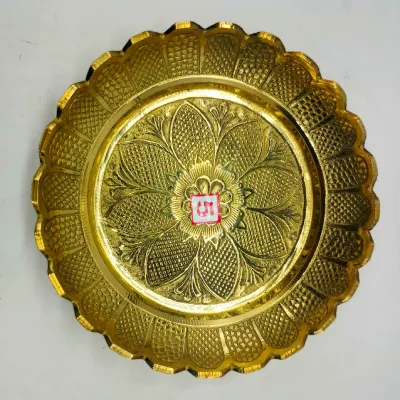
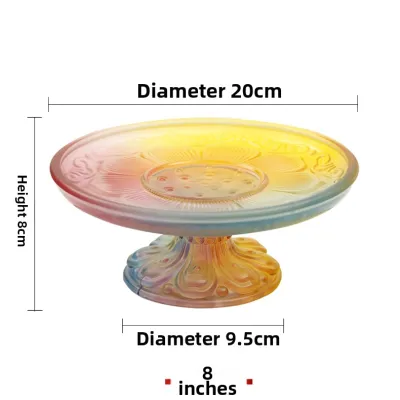
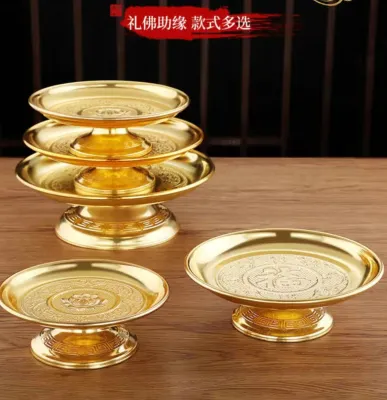
Prices are valid at publication and may change. Please refer to the product page for the latest price.

In Singapore, where many families maintain beautiful home altars in apartments or landed properties, the choice of metal often reflects a bridge between generations. Elders may strongly advocate for the scriptural purity of copper, while younger family members often look for the ease of stainless steel. Understanding these perspectives helps maintain harmony and devotion in the household.
Copper (Tamra)
Copper, known traditionally as Tamra, holds an exceptionally high status in sacred texts. Associated directly with Surya (the Sun) and Agni (the element of fire), copper is regarded as a pure, solar metal that possesses the unique ability to absorb, retain, and transmit positive spiritual vibrations. It is the preferred material for holding sacred water (jal), performing abhishekam (ritual bathing of deities), and offering specific liquid preparations. According to traditional beliefs, water stored in a copper vessel absorbs the metal’s purifying qualities, making it highly auspicious for distribution as Charanamrit.
Brass (Pital)
Brass, or Pital, is perhaps the most ubiquitous metal found in both grand temples and modest home altars. As an alloy composed primarily of copper and zinc, brass inherits much of copper’s spiritual potency while offering its own distinct symbolic value. Its bright, golden luster is associated with prosperity, abundance, and the divine light of the deities. Brass is widely used for crafting larger pooja plates, oil lamps (diyas), bells, and incense holders. The golden hue of a well-polished brass plate beautifully reflects the flame of the aarti, enhancing the visual and spiritual warmth of your prayer space.
Stainless Steel
Stainless steel represents a modern evolution in domestic worship. While it does not possess ancient scriptural references or the symbolic planetary associations of copper and brass, it is widely accepted in contemporary households as a clean, hygienic, and physically pure material. In fast-paced urban environments, stainless steel has become a highly respected choice for daily practical worship. It provides a pristine, spotless surface that is entirely free of rust, ensuring that offerings are presented in a clean environment.
Ultimately, scriptural traditions emphasize that while the physical vessel is important, the purity of your intention (bhava) and the physical cleanliness of the altar are paramount. A meticulously clean, simple stainless steel plate offered with deep devotion carries far greater spiritual value than a neglected, heavily oxidized copper plate.
Durability, Weight, and Daily Usability on Your Altar
Beyond spiritual symbolism, a pooja plate must withstand the physical demands of daily rituals. This involves handling heat from lit diyas, resisting physical impact, and safely holding various types of food offerings (prasad) without chemical reactions.
Copper
Copper is the softest of the three metals, which introduces specific usability challenges. Because it is highly malleable, a copper plate is prone to scratching, denting, or warping if it is dropped or subjected to heavy pressure. Furthermore, copper is highly reactive to acidic substances. If you place sliced lemons, tamarind, yogurt, or certain acidic fruits like oranges on a copper plate as an offering, the metal will react chemically with the food. This reaction can leave dark, stubborn stains on the plate and render the food unsafe for consumption. Consequently, copper plates require immediate, careful washing after every use, and are best reserved for dry offerings or dedicated water rituals.
Brass
Brass offers significantly greater physical resilience than pure copper. The addition of zinc makes brass a much harder alloy, allowing it to resist dents, scratches, and structural warping from daily handling. Brass plates are typically heavier than their copper or steel counterparts. This substantial weight gives the plate a premium, stable feel on the altar, ensuring it does not slide or tip over easily when holding multiple ritual items. However, like copper, brass can still react mildly with highly acidic foods over extended periods, meaning wet or acidic prasad should not be left on a brass surface for too long.
Stainless Steel
Stainless steel is the undisputed champion of durability and daily convenience. It is highly resistant to scratches, virtually immune to denting from accidental drops, and completely non-reactive to any type of food offering, including highly acidic fruits, dairy products, or salty preparations. You can leave wet prasad on a stainless steel plate for hours without any risk of metal contamination or surface staining. Additionally, stainless steel plates are available in a wide range of weights, including lightweight options that are easy for elderly family members or young children to handle safely during family prayers.
Another critical factor in daily usability is heat conductivity. Copper is an exceptional conductor of heat. If you place a lit brass diya or perform camphor aarti directly on a thin copper plate, the heat will transfer rapidly across the entire surface, making the plate uncomfortable or even unsafe to hold without protection. Brass, while still conductive, has a slightly slower heat transfer rate, especially in thicker castings. Stainless steel also conducts heat, but because steel plates are often designed with double-walled insulation or thicker rims, they can sometimes be easier to handle during aarti. Regardless of the material, always ensure that any hot oil lamp or burner is placed on a designated heat-resistant stand or a sufficiently thick portion of the plate to prevent accidental burns.
| Material | Dent Resistance | Weight & Feel | Reactivity to Acidic Offerings |
|---|---|---|---|
| Copper | Low (Soft metal, dents easily) | Moderate to light | High (Reacts quickly; can stain and contaminate) |
| Brass | Moderate to High (Durable alloy) | Heavy and stable | Moderate (Can react over extended periods) |
| Stainless Steel | High (Extremely durable) | Variable (Light to heavy options) | None (Completely non-reactive and food-safe) |
Maintenance, Tarnish, and Cleaning Requirements
The effort required to maintain the physical purity and aesthetic appeal of your pooja plate is a major factor in long-term satisfaction. In tropical climates like Singapore, high humidity levels can accelerate the natural oxidation of traditional metals, making maintenance a frequent task.
Copper and Brass Oxidation
Both copper and brass naturally undergo oxidation when exposed to air, moisture, and the natural oils from your hands. This chemical reaction creates a dark, dull layer known as a patina. Over time, copper can also develop a greenish crust called verdigris, especially if exposed to water or acidic elements. In traditional Hindu worship, presenting a dull, heavily tarnished vessel to the deities is considered disrespectful; the utensils should ideally be polished to reflect the purity of the divine. Therefore, choosing copper or brass requires a commitment to regular, active maintenance.
Living in a tropical climate, where relative humidity levels often hover around 80% or higher, significantly accelerates the tarnishing process for both copper and brass. Moisture in the air acts as a catalyst for oxidation, meaning your brass and copper thalis will lose their luster much faster than they would in a dry climate. To combat this, many practitioners recommend storing polished copper and brass plates in airtight cabinets or wrapping them in soft, dry cotton cloths when they are not in use. This simple storage step minimizes exposure to ambient humidity and reduces the frequency of heavy polishing sessions.
Cleaning Methods for Copper and Brass
Restoring the brilliant shine of copper and brass can be achieved through traditional natural remedies or specialized commercial polishes:
- Tamarind and Salt: This is a time-tested, natural method. The natural tartaric acid in tamarind paste, combined with the mild abrasive action of table salt, quickly breaks down copper oxide. Rubbing the paste onto the plate and rinsing it with warm water restores the metal's natural glow.
- Lemon and Baking Soda: Creating a paste of fresh lemon juice and baking soda is another highly effective natural alternative. The citric acid acts as a gentle cleaning agent, while the baking soda helps scrub away stubborn tarnish.
- Commercial Polishes: Specialized cleaning powders or liquid metal polishes are highly effective for removing heavy oxidation with less physical effort. However, when using commercial chemical polishes, you must wash the plate thoroughly with mild dish soap afterward to ensure no chemical residues remain on surfaces that touch food offerings.
Stainless Steel Upkeep
Stainless steel requires virtually no specialized maintenance. It does not tarnish, oxidize, or develop a patina, regardless of the humidity levels in your home. Cleaning a stainless steel pooja plate is as simple as washing it with standard mild dishwashing liquid and warm water. To maintain a brilliant, spot-free shine, simply dry the plate immediately with a soft microfiber cloth after washing to prevent the formation of unsightly mineral water spots.
Before purchasing, honestly assess your weekly schedule. If you find the process of polishing metal to be a peaceful, meditative extension of your daily devotion (seva), copper or brass will be highly rewarding. If you prefer a quick, hassle-free cleanup that takes less than a minute, stainless steel is the most practical choice.
How to Choose the Right Pooja Plate for Your Home
To finalize your choice, consider how each material aligns with your specific daily routines, the types of offerings you make, and your aesthetic preferences.
Choose Copper if:
- You prioritize maximum traditional and scriptural authenticity for your home altar.
- You are fully prepared to dedicate time to regular polishing and maintenance.
- The plate will primarily be used for holding dry items, flowers, or sacred water during specific rituals.
Choose Brass if:
- You desire a classic, golden, temple-like aesthetic that radiates warmth and prosperity.
- You want a heavy, stable plate that resists minor dents and scratches better than pure copper.
- You are comfortable with moderate polishing maintenance to keep the golden luster bright.
Choose Stainless Steel if:
- You need a highly practical, durable plate for quick daily prayers.
- The plate will frequently hold wet, salty, or acidic food offerings (prasad) that require easy, safe cleanup.
- You prefer a low-maintenance setup that remains completely free of tarnish with simple soap-and-water washing.
When selecting your plate, consider the existing aesthetic of your altar. If your altar is adorned with traditional brass idols (murtis), a brass pooja plate creates a visually cohesive, harmonious space. If your altar features modern, minimalist designs with marble or glass, a high-quality stainless steel plate can complement the clean lines perfectly. Matching the metal of your plate with your primary diya and bell not only enhances the visual appeal but also deepens the sense of order and sacredness in your daily worship.
Crucial Verification Checks for Online Buyers
If you are purchasing your pooja plate online through an ecommerce platform or specialized religious decor site, always verify the product specifications carefully rather than relying solely on product photos:
- Thickness and Weight: Check the listed weight of the plate. A high-quality brass plate of 10 inches (25 cm) diameter should ideally weigh at least 250 to 400 grams. Flimsy, thin metal plates can warp easily when exposed to the heat of a lit diya.
- Diameter and Altar Fit: Measure your physical altar space before ordering. Standard daily plates range from 6 to 8 inches (15 to 20 cm), while festive or multi-item thalis usually require a diameter of 10 to 12 inches (25 to 30 cm) or more.
- Edge and Surface Finish: Ensure the product description or customer reviews confirm that the plate has smooth, rolled, or rounded edges. Sharp, unfinished metal edges can cause accidental cuts during washing or handling.
- Heat and Stability Safety: If you plan to place a lit oil lamp or camphor burner directly on the plate, ensure the plate has a flat, stable base or raised feet. This prevents heat damage to your altar's wooden or stone surface and ensures the hot lamp remains securely in place.
Frequently Asked Questions (FAQ)
Can I use a silver-plated pooja plate instead of solid silver?
Yes, silver-plated pooja plates are an excellent, cost-effective alternative to solid silver, offering the same elegant, premium aesthetic at a fraction of the price. However, they require highly delicate care. The thin layer of silver plating can wear off over time, especially if subjected to aggressive scrubbing, abrasive cleaning powders, or harsh chemical polishes. Once the plating wears away, the base metal—typically brass or copper—will be exposed. To preserve a silver-plated plate, wash it gently using only mild dish soap, warm water, and a soft sponge, and dry it immediately with a microfiber cloth.
Is it okay to use the same pooja plate for different deities?
Generally, using a single, clean pooja plate for the daily worship of all the deities on your home altar is perfectly acceptable. In daily household practice, a single thali is used to hold the essential items for the entire altar. However, if you are performing highly specific, solemn rituals (such as a dedicated Satyanarayan Puja or a specific festival ritual) or making a formal donation to a temple, family traditions (kulachar) or specific scriptural guidelines may dictate using dedicated plates. When in doubt, it is always best to consult your family elders or a trusted priest.
How do I know if my brass or copper pooja plate is good quality?
To verify the quality of a brass or copper plate without professional testing, look for several physical indicators. First, check the weight; genuine, high-quality metal plates feel heavy and substantial in your hand, whereas cheap alloys or plated plastics feel exceptionally light. Second, inspect the color consistency across the surface; a high-quality plate will have a uniform golden (brass) or reddish-brown (copper) hue without patchiness, dark streaks, or bright silver spots underneath. Finally, run your fingers carefully along the edges and underside to ensure the finish is smooth and free of sharp burrs or manufacturing defects. Purchasing from reputable religious decor stores or established traditional metalware artisans is the best way to ensure you receive authentic, food-safe metals.
Community discussion
Share your experience or ask a question. Comments are reviewed before publication.