
Selecting a good luck gourd, traditionally known as a hu lu, is a deeply personal decision that blends cultural heritage, interior design, and spatial planning. There is no single “best” material for every home. Instead, the ideal choice depends on your specific feng shui intentions, the environmental conditions of your display space, and your budget. While brass is historically favored for its association with health and neutralizing negative energy, materials like crystal, wood, and jade offer distinct symbolic meanings and aesthetic qualities. By understanding how these materials behave and what they represent, you can select a piece that harmonizes with both your lifestyle and your living space.
Understanding the Feng Shui Symbolism of Each Material
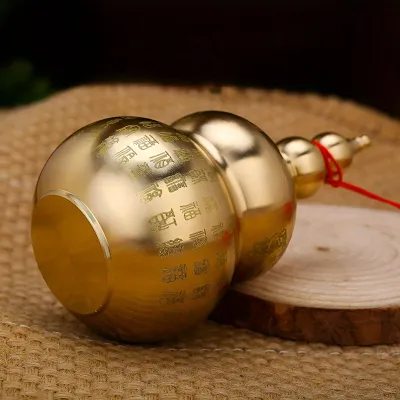
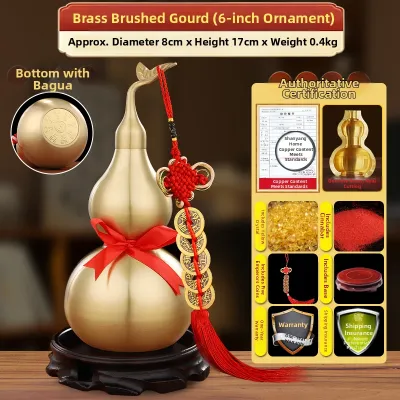
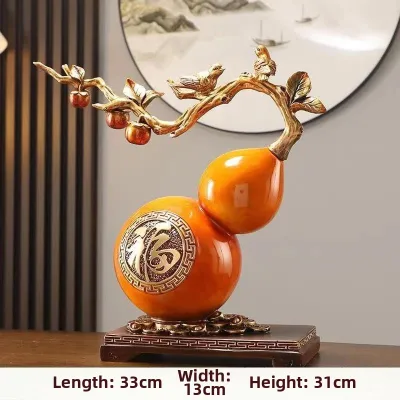
Traditional feng shui practices assign specific elemental properties to different materials, making the composition of your good luck gourd a key factor in its symbolic application. Brass, representing the metal element, is historically utilized to neutralize negative energies, particularly those associated with the traditional Illness Star in classical feng shui calculations. The metallic resonance of brass is culturally believed to absorb and weaken stagnant or unfavorable energies, which is why brass gourds are frequently placed in areas designated for health protection.
Crystal gourds, on the other hand, are highly regarded in modern feng shui for their light-refracting and energy-amplifying properties. Rather than acting as a heavy shield, crystal is associated with clarity, purification, and the smooth flow of energy throughout a room. Placing a crystal gourd near a window allows it to catch natural light, symbolically dispersing positive energy and clearing mental clutter for the home’s occupants.
Products mentioned in this guide
Prices are valid at publication and may change. Please refer to the product page for the latest price.
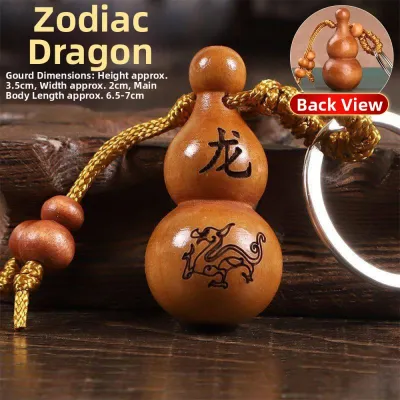
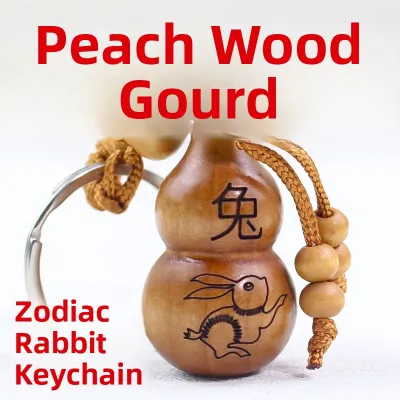
Wood represents the wood element, which is intrinsically linked to growth, vitality, flexibility, and family health. A wooden good luck gourd, often carved from natural gourds or solid timber, carries an organic energy that supports new beginnings and harmonious family relationships. It is a popular choice for living rooms and communal spaces where family members gather, symbolizing continuous development and vitality.
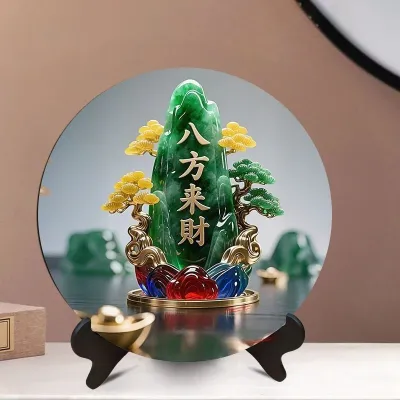
Jade holds a legendary status in East Asian culture, symbolizing wealth, purity, longevity, and protective grace. Often referred to as the “stone of heaven,” jade is believed to attract prosperity while acting as a spiritual shield for the household. A jade gourd is not merely a decorative item but a treasured heirloom that represents enduring value and balanced, peaceful energy. It is important to note that all of these symbolic properties are rooted in cultural traditions and historical practices rather than scientifically verifiable outcomes.
Durability, Maintenance, and Placement Conditions
The physical environment where you plan to display your good luck gourd should heavily influence your material choice. Brass is highly durable and resistant to structural damage, but it is prone to oxidation and tarnishing when exposed to air and moisture. Over time, a brass gourd may develop a dark patina or greenish spots. To maintain its bright, reflective finish, you will need to perform periodic polishing with a specialized metal cleaner and a soft cloth, ensuring you dry it completely to prevent water spots.

Crystal offers exceptional clarity but is highly fragile. It is susceptible to chipping, cracking, or shattering if subjected to physical impacts or sudden, extreme temperature fluctuations. Because of this vulnerability, crystal gourds should be placed on stable, flat surfaces away from high-traffic areas, active children, or playful pets. Avoid placing them on narrow shelves or unstable pedestals where they could easily be knocked over.
Wood is an organic material that reacts dynamically to its surrounding climate. It is highly vulnerable to high humidity, direct sunlight, and wood-boring pests. In humid environments, wood can absorb moisture and swell, while dry conditions or direct sunlight can cause it to shrink, warp, or crack. If you choose a wooden gourd, it must be kept in a stable, climate-controlled indoor environment. Regular dusting with a dry microfiber cloth is usually sufficient, and you should avoid using wet wipes or harsh chemical cleaners that can strip the wood’s natural oils.
Jade is a relatively tough stone, but it is not indestructible. While it resists scratching better than many materials, it can chip or fracture internally if dropped onto hard flooring like tile or marble. To preserve its smooth, lustrous finish, jade requires gentle cleaning with a damp, soft cloth and mild soapy water, followed by immediate drying. Always check the manufacturer’s specific care instructions before placing any decorative gourd in challenging environments like kitchens or bathrooms, where grease, steam, and heat can degrade the material’s surface.
Aesthetic Differences and Interior Styling
A good luck gourd should complement your existing interior design, acting as a seamless addition to your home decor rather than an out-of-place artifact. Brass gourds offer a reflective, classic look that carries a sense of timeless dignity. This metallic finish integrates beautifully with traditional Asian decor, but it also serves as an eye-catching accent in modern industrial, eclectic, or transitional spaces where metallic highlights are used to add warmth and depth.
Crystal gourds are celebrated for their light-catching properties, making them an excellent fit for contemporary, minimalist, or highly modern interiors. When placed in well-lit areas, a crystal gourd creates subtle reflections that add movement and brightness to a room without overwhelming the visual landscape. Its transparent or translucent nature allows it to blend effortlessly with any color scheme.
Carved wood gourds bring a warm, organic texture into a home, making them a natural fit for rustic, Scandinavian, Zen, or traditional interiors. The unique grain patterns and earthy tones of wood create a grounding effect, fostering a cozy and relaxed atmosphere. Wooden gourds work exceptionally well when paired with indoor plants, linen textiles, and other natural materials.
Jade gourds present a smooth, luxurious finish that immediately draws the eye. Whether carved from classic green jade, white nephrite, or other color variations, a jade gourd serves as a sophisticated statement piece. It is ideal for elegant living rooms, formal entryways, or study desks where its refined texture and rich cultural associations can be fully appreciated. Remember that aesthetic preference is entirely subjective, and your choice should balance visual appeal with the practical constraints of your display area.
Budget and Value Considerations
When planning your purchase, understanding the pricing dynamics of these materials will help you find a piece that offers genuine value without exceeding your budget. Mass-produced brass and wood gourds are generally the most accessible options on the market. Because these materials are easier to source and work with, you can find beautifully shaped brass or wooden gourds at very reasonable price points, making them excellent entry-level choices.
In contrast, natural crystal and jade gourds can vary wildly in price. The cost of these premium materials is driven by several key factors, including the purity and clarity of the crystal, the presence of natural inclusions, the specific type of wood or stone, and the complexity of the hand-carving. High-grade jade and flawless natural quartz crystal require skilled craftsmanship to carve, which significantly increases their market value.
Because premium materials command higher prices, the market contains many synthetic or dyed alternatives. It is common to find resin molded to look like jade, or basic glass marketed as high-quality natural crystal. To avoid overpaying for imitation materials, carefully read the product descriptions, ask the seller about the origin of the material, and look for reputable retailers who provide material certifications where applicable.
If you are working with a set budget, it is often wiser to prioritize exceptional craftsmanship and structural integrity over sheer size. A smaller, finely carved gourd made of genuine, high-quality wood or stone will bring far more lasting satisfaction and aesthetic value to your home than a large, poorly made imitation piece.
Decision Matrix: Which Good Luck Gourd Fits Your Needs?
To help you finalize your decision, consider this straightforward framework based on your primary priorities and household conditions:
- Choose Brass if: Your primary goal is to apply traditional feng shui remedies for neutralizing negative energy, you prefer a classic metallic aesthetic, and you are comfortable performing occasional polishing to keep the metal bright.
- Choose Crystal if: You want a modern, light-reflecting decorative piece that symbolizes clarity and energy amplification, and you have a safe, stable display spot away from high-traffic areas.
- Choose Wood if: You appreciate natural, warm textures, want to symbolize growth and family vitality, and can provide a stable, climate-controlled indoor environment free from excess moisture.
- Choose Jade if: You desire a premium, luxurious statement piece that symbolizes wealth and longevity, and you have the budget to invest in verified natural stone from a reputable source.
Before finalizing any purchase, especially when shopping on an online marketplace or ecommerce platform, always verify the exact material composition, physical dimensions, and return policy. Checking these details ensures that the gourd you receive matches your expectations and fits perfectly within its designated space.
Frequently Asked Questions (FAQ)
Does the size of the good luck gourd matter more than the material?
In traditional feng shui practices, both the size and the material of the gourd play distinct roles, but they serve different functions. The material is generally considered more fundamental because it dictates the elemental association (such as metal or wood) and the core symbolic meaning of the piece. The size of the gourd is typically chosen based on the scale of the room; a very small gourd may feel visually lost in a grand entryway, while an oversized gourd might overwhelm a small study desk. For personal carry or subtle desk decor, smaller gourds are ideal, whereas larger gourds are better suited as prominent focal points in spacious living areas.
Can I place a brass good luck gourd in the bathroom or kitchen?
Placing a brass good luck gourd in a bathroom or kitchen presents significant environmental challenges. Bathrooms are subject to high humidity and steam, while kitchens experience elevated heat, airborne grease, and moisture. These harsh conditions will rapidly accelerate the oxidation and tarnishing of untreated brass, leading to discoloration and a loss of its reflective shine. If you wish to place a gourd in these areas, consult the manufacturer’s specific care guidelines to see if the metal has been treated with a protective, moisture-resistant lacquer. Alternatively, consider placing the gourd in an adjacent hallway or choosing a more resilient material that can handle humid conditions without degrading.
Community discussion
Share your experience or ask a question. Comments are reviewed before publication.