
Selecting the ideal material for a Krishna statue depends on balancing its spiritual or decorative purpose with the practical realities of your living space. For active daily worship involving ritual bathing (abhishekam), durable, water-resistant materials like solid brass or sealed marble are highly suitable. Conversely, for an intricate, lightweight decorative piece on a modern apartment shelf or wall-mounted mandir, resin offers detailed artistry without structural strain, while hand-carved wood provides organic warmth for static displays. Evaluating how each material interacts with your home’s microclimate, lighting, and structural limits ensures you select a statue that serves as a beautiful, lasting focal point.
Defining the Purpose and Placement of Your Krishna Statue
Before selecting a material, clarify where the statue will reside and how often it will be handled. An indoor altar or dedicated mandir requires different material considerations than an open living room console. Ambient lighting plays a significant role in how the statue is perceived. Polished brass reflects warm spotlighting beautifully, creating a glowing focal point, whereas matte marble or carved wood absorbs light, offering a serene, understated presence that suits minimalist or contemporary interiors.
The frequency of physical contact is also critical. If the deity is central to daily spiritual practice involving regular handling, dressing, or offerings, you need a resilient material that withstands frequent touch. For purely decorative or meditative spaces where the statue remains untouched, delicate materials with intricate surface details are highly practical.
Products mentioned in this guide
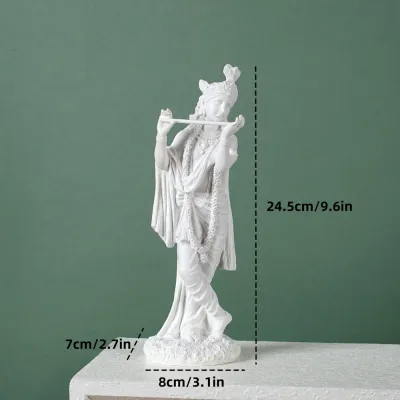
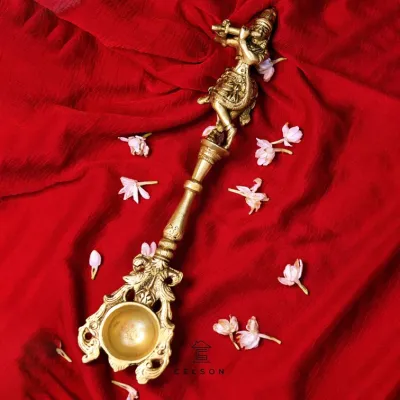
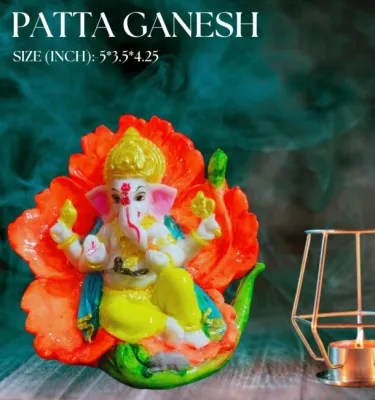
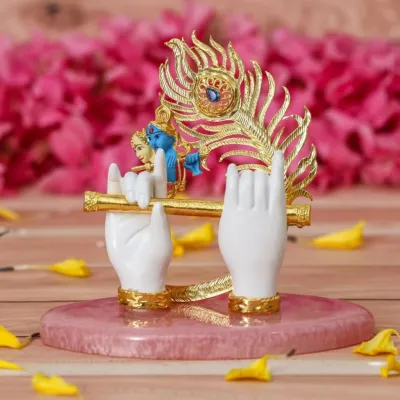
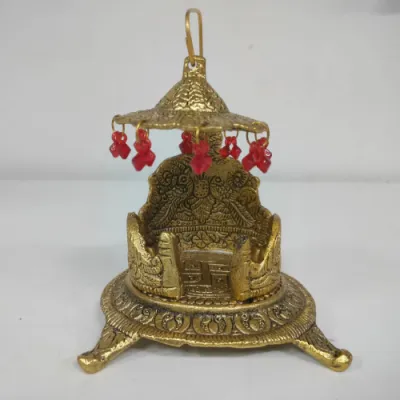
Prices are valid at publication and may change. Please refer to the product page for the latest price.
Finally, consider structural capacity. Modern apartments often feature floating shelves or wall-mounted mandirs with strict weight limits. A large marble or solid brass statue can weigh several kilograms, posing a safety hazard if mounted on standard drywall without reinforced brackets. Always verify weight specifications and ensure your shelving is rated for heavy loads before placing substantial stone or metal pieces.
Comparing Brass, Resin, Wood, and Marble Statues
Each material brings a distinct physical presence, weight, and thermal profile to your living space. The density of the material dictates its durability and how it feels when held during rituals or cleaning. From the cool, substantial heft of natural stone to the lightweight versatility of modern polymers, understanding these physical characteristics helps narrow down the perfect option for your home.

Brass: Traditional Appeal and Durability
Brass is favored for sacred art due to its classic golden hue and deep-rooted significance in traditional Indian craftsmanship. The metal’s warm, reflective surface naturally draws the eye, making it a popular choice for central home altars. When cast solid, a brass statue carries a reassuring, premium weight that ensures stability on any flat surface, reducing the risk of accidental tipping during daily offerings.
Over time, brass undergoes a natural oxidation process, developing a deeper, antique patina that many practitioners highly value. However, if you prefer a bright, mirror-like golden finish, brass requires regular maintenance. Exposure to air, humidity, and oils from handling will cause tarnishing, necessitating periodic polishing with specialized metal cleaners or traditional tamarind paste to restore its original luster.
Resin: Lightweight and Detailed Designs
Resin is a highly versatile synthetic material that allows artisans to capture incredibly fine, intricate details that are difficult or costly to achieve in natural stone or wood. Because it is cast from liquid molds, resin statues can feature complex postures, delicate jewelry, and highly expressive facial features. These pieces are frequently finished with vibrant acrylic paints or metallic electroplating, offering a wide range of colorful and modern aesthetic choices.
One of the primary practical advantages of resin is its lightweight nature. This makes it exceptionally easy to move, clean, and transport, making it an excellent option for renters or those who like to rearrange their decor frequently. However, resin is inherently more fragile than metal. It is susceptible to chipping if dropped, and the painted surface can fade or discolor over time if exposed to direct sunlight.
Wood: Warmth and Artisan Craftsmanship
Wooden Krishna statues, often carved from sandalwood, rosewood, or teak, bring an organic warmth and unique grain pattern to your home. Each hand-carved piece is a unique work of art, showcasing the natural variations of the timber and the skill of the artisan. The earthy tones and matte finish of wood create a grounding, peaceful atmosphere that integrates seamlessly with both traditional and rustic interior styles.
Despite its beauty, wood is highly sensitive to environmental conditions, particularly in humid tropical climates. Fluctuations in indoor humidity and temperature—often caused by switching between air conditioning and natural ventilation—can cause the wood to expand and contract. Over time, this movement can lead to cracking, splitting, or warping. To preserve a wooden statue, keep it in a stable indoor environment away from direct drafts and air conditioning vents.
Marble: Premium Elegance and Heft
Marble statues represent the pinnacle of premium elegance, offering a cool-to-the-touch feel, smooth texture, and beautiful natural veining. Whether carved from pure white marble or detailed with delicate hand-painted accents, a marble Krishna statue commands a powerful, serene presence in any room. Its substantial physical weight provides unmatched stability, making it a permanent fixture of devotion or high-end decor.
This extreme weight, however, demands careful planning. A medium-to-large marble statue cannot be safely placed on standard glass shelves or lightweight console tables; it requires a robust, reinforced wooden or stone pedestal, or direct placement on a solid floor. Additionally, marble is a porous natural stone. Unsealed marble can easily absorb oils, soot from incense, or colored liquids used in rituals, leading to permanent staining if spills are not wiped away immediately.
Balancing Budget, Aesthetics, and Longevity
When deciding on the right material, align your choice with your budget, existing home decor, and long-term expectations. Resin statues generally offer the most accessible entry point, providing highly detailed and colorful designs at a fraction of the cost of natural materials. Small-to-medium brass statues also offer an affordable yet highly durable option, making them excellent choices for those starting their home altar or working within a modest budget.
In contrast, hand-carved wooden sculptures and premium marble statues represent significant financial investments. These pieces are priced based on the rarity of the material and the hours of skilled labor required to carve them. While the initial cost is higher, these natural materials possess exceptional heirloom potential, often appreciating in sentimental and aesthetic value over generations if properly maintained.
Aesthetically, the statue should harmonize with your home’s design language. If your home features a sleek, modern aesthetic with cool color palettes, a white marble or silver-plated brass statue will complement the space beautifully. For homes with warm color schemes, traditional wooden furniture, or classic mandirs, a rich brass or warm-toned wooden statue feels more cohesive.
Material-Specific Care and Maintenance
Preserving the beauty of your Krishna statue requires a care routine tailored specifically to its material properties. For daily maintenance, a soft, dry microfiber cloth is the safest tool for all materials. It effectively removes dust without causing micro-scratches on delicate resin paint or polished marble surfaces. Avoid using feather dusters with exposed wire cores, as these can easily scratch protective lacquers or paint.
When cleaning, avoid harsh chemical sprays, abrasive scrubbing pads, or acidic household cleaners. These substances can strip the protective wax from wooden statues, dissolve the paint on resin, and accelerate the tarnishing of brass. For brass, stick to dedicated metal polishes or mild soapy water, ensuring the piece is dried completely immediately after washing to prevent water spots.
Environmental control is the final pillar of preservation. If you display a wooden statue in a humid climate, consider using a dehumidifier in the room to maintain stable moisture levels. For marble, ensure the stone is professionally sealed upon purchase to create a barrier against oils and moisture. If any liquid, incense ash, or oil comes into contact with a marble or wooden statue, wipe it away immediately with a damp, soft cloth and dry the area thoroughly.
Frequently Asked Questions (FAQ)
Can I keep a brass or marble Krishna statue outdoors?
Placing a brass or marble statue in an outdoor garden or balcony is possible, but it comes with significant maintenance challenges. Rain, high humidity, and atmospheric pollution will rapidly oxidize brass, turning it green or black, while acid rain and bird droppings can permanently etch and stain marble. If you choose to display these materials outdoors, ensure they are placed in a fully covered, sheltered area and treated with a weather-resistant protective sealant designed for outdoor stone or metal.
Which material is best for daily abhishekam (ritual bathing)?
Solid brass is the most practical and traditional material for daily abhishekam, as it is completely non-porous and unaffected by water, milk, honey, or yogurt, provided it is dried thoroughly afterward. High-quality, sealed marble is also suitable, though care must be taken to avoid acidic ritual substances like lemon juice, which can etch the stone. Wood and painted resin should never be used for liquid rituals, as moisture will cause wood to warp and split, and will quickly peel or fade the paint on resin.
Community discussion
Share your experience or ask a question. Comments are reviewed before publication.