
Choosing the right ghee diya for your home altar is a personal decision that shapes the atmosphere of your daily prayers. The ideal material for your lamp depends on balancing daily maintenance effort, your budget, and the specific aesthetic role the lamp plays in your household. While some practitioners prefer the rustic simplicity of traditional earthenware, others seek the enduring elegance of metallic options that can be passed down through generations.
To find the perfect fit, it helps to look at how each material performs under daily use. Clay diyas are ideal for traditional, short-term use, offering an organic connection to the earth but requiring regular replacement. Brass offers durable, everyday reliability, making it the most common choice for busy households seeking a balance of longevity and classic beauty. Silver serves as a premium, long-term investment, bringing a bright, reflective elegance to special occasions and dedicated daily altars. Ultimately, no single material is universally superior; the right choice aligns with your specific worship routine, cleaning tolerance, and safety setup.
Evaluating Durability and Heat Handling
When selecting a ghee diya for daily use, understanding how different materials respond to physical wear and high temperatures is essential for both longevity and safety. Clay, or terracotta, is inherently fragile and porous. While it handles the direct heat of a burning wick remarkably well due to its natural insulation properties, it is highly susceptible to chipping or cracking if dropped on hard tiled floors. Over time, the constant absorption of ghee can also weaken the structural integrity of unglazed clay, making it a temporary or seasonal choice rather than a permanent fixture.
Products mentioned in this guide
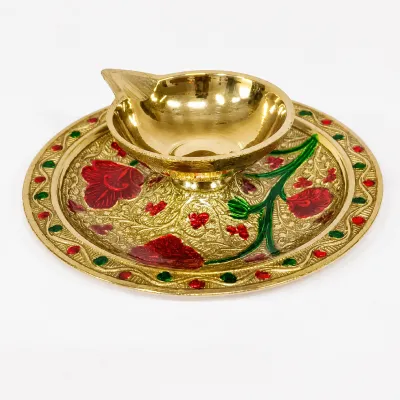
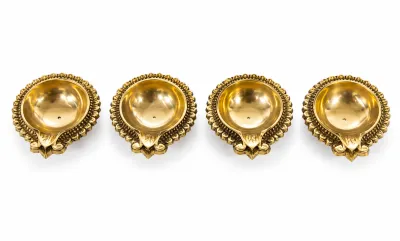
Prices are valid at publication and may change. Please refer to the product page for the latest price.
In contrast, metallic options like brass and silver offer exceptional physical resilience. They will not shatter if accidentally knocked over during cleaning or altar rearrangement. However, metals are highly efficient heat conductors. When a ghee diya burns for an extended period, the entire body of a brass or silver lamp can become extremely hot to the touch. To ensure handling safety, it is crucial to check the thickness of the metal base and look for designs that incorporate integrated handles, extended stems, or raised pedestals. These design features help isolate the heat, allowing you to move or adjust the lit diya without risking burns.
Furthermore, when purchasing metallic diyas, it is important to verify their structural integrity and material composition. Mass-produced items may sometimes contain unknown alloys or thin plating rather than solid metal. These mystery alloys can behave unpredictably under sustained heat, potentially warping, discoloring, or releasing unpleasant odors. Always inspect product labels and manufacturer specifications to confirm the metal composition before making a purchase, ensuring your chosen vessel can safely withstand the daily thermal demands of a burning wick.
Aesthetics, Weight, and Altar Placement
The visual presence of a ghee diya plays a significant role in establishing the spiritual and aesthetic tone of your home altar. Clay diyas offer an earthy, deeply traditional look that evokes a sense of simplicity and connection to nature. Their warm, matte texture diffuses light softly, making them particularly popular during major festivals where dozens of small lamps are lit simultaneously to create a serene, uniform glow across the home.

For those who prefer a more polished or radiant altar space, metallic options provide distinct visual advantages. Brass delivers a warm, classic golden glow that beautifully complements traditional wooden or stone altars, reflecting the flame to create a bright, inviting ambiance. Silver, on the other hand, offers a highly reflective, premium finish that stands out as a focal point. Its cool, brilliant luster contrasts elegantly with the warm yellow of the flame, lending an air of solemnity and refinement to your sacred space.
Physical weight and stability are equally critical factors when planning your altar layout. Heavier metallic diyas, particularly those crafted from solid brass, provide excellent stability on elevated shelves, crowded altars, or surfaces that might experience occasional vibrations. Their substantial weight prevents them from being easily nudged or tipped over. Conversely, lightweight clay diyas require highly secure, draft-free placement. Because they are easily moved by a sudden breeze or an accidental brush of a sleeve, they should always be placed on flat, stable surfaces away from the edges of your altar. Before purchasing any diya, measure your designated altar space and verify the base diameter of the lamp to ensure it fits comfortably alongside your other sacred items without creating clutter or obstruction.
Daily Maintenance and Cleaning Routines
Maintaining a clean and safe altar requires a realistic look at the daily upkeep each material demands. Clay diyas, due to their highly porous nature, naturally absorb a portion of the ghee used during worship. This absorption makes them difficult to clean thoroughly, as soap and water cannot easily draw out the trapped oils. Attempting to wash unglazed clay aggressively can cause it to soften or degrade. Instead, clay lamps are typically treated as semi-disposable items, or they must be allowed to air-dry thoroughly in a well-ventilated area between uses to prevent the trapped ghee from turning rancid.
Brass and silver do not absorb oils, but they require regular polishing to maintain their luster and remove the natural tarnish caused by exposure to air, heat, and soot. Brass naturally oxidizes over time, developing a darker patina that some appreciate for its antique look, while others prefer to restore its bright golden shine using specialized metal polishes or traditional non-abrasive cleaning pastes. Silver tarnishes even more rapidly when exposed to sulfur in the air or the heat of a flame, requiring frequent, gentle polishing with soft microfiber cloths to prevent scratching the delicate surface.
Before applying any cleaning agent, home remedy, or commercial polish to a metallic diya, always consult the manufacturer’s care instructions. Many modern decorative brass and silver items are finished with a protective lacquer or special coating designed to prevent tarnishing. Applying abrasive cleaners or acidic solutions to these coated surfaces can strip away the protective layer, leading to uneven discoloration and permanent damage. If you notice a clear coat on your diya, stick strictly to wiping it down with a damp, soft cloth and mild soap, avoiding harsh chemicals entirely.
Cost Tiers and Authenticity Checks
Aligning your choice with your budget involves understanding both the initial purchase price and the long-term value of each material. Clay diyas sit at the most accessible end of the spectrum, offering a highly affordable option that allows you to purchase them in bulk for festive occasions or daily use without a significant financial commitment. While they are inexpensive, their recurring replacement cost over several years can add up if you prefer to use fresh clay lamps regularly.
Brass represents the mid-range tier, serving as a highly durable, cost-effective staple for most households. A single high-quality brass diya can last for decades, making its moderate upfront cost highly economical over time. Silver occupies the premium tier, representing a significant long-term investment. Because of its material value, silver is often reserved for family heirlooms, wedding gifts, or central altar pieces. When purchasing silver or high-grade brass, it is essential to protect your investment by checking for official hallmarks, purity stamps, or manufacturer certifications that verify the authenticity and grade of the metal.
Beyond the material itself, pay close attention to the functional design of the diya, particularly the wick holder. Look for designs with a stable, well-defined wick channel or a raised center holder. A flat base with no distinct wick support can cause the cotton wick to slide, potentially drowning in the melted ghee or leaning over the edge, which can lead to uneven burning, oil leakage, or overflow. A raised or securely grooved wick holder ensures the flame remains centered and stable, maximizing the burn time of your ghee.
Final Selection Guide for Your Worship Routine
To make your final decision, consider how your daily schedule and worship habits align with each material’s unique characteristics.
Choose clay if you prefer a deeply traditional, rustic aesthetic, have a limited budget, or want a low-maintenance option for temporary or seasonal festivals where you can discard or replace the lamps after use without hassle.
Choose brass if you want a highly durable, classic, and reliable lamp for daily worship that offers excellent stability, handles heat safely, and requires only moderate, straightforward cleaning to maintain its warm golden glow over many years.
Choose silver if you are looking for a premium, heirloom-quality centerpiece for your altar, appreciate a brilliant, reflective aesthetic, and are willing to commit to regular, gentle polishing to keep the precious metal free of tarnish and soot.
Before lighting your new diya for the first time, perform a quick safety and quality inspection. Run your fingers carefully along the edges to check for any sharp metal burrs or rough clay spots that could cause cuts. Place the empty diya on a flat surface and gently press its sides to ensure the base is perfectly level and does not wobble. Finally, insert your preferred cotton wick to verify that it fits snugly in the holder without slipping or drooping.
Regardless of the material you choose, practicing strict fire safety is paramount. Always place your lit ghee diya on a heat-resistant tray, stone slab, or metal plate to protect your altar surface from heat transfer or accidental spills. Keep the burning lamp well away from curtains, hanging garlands, scriptures, or any other flammable materials, and ensure it is positioned out of reach of children and pets. Most importantly, never leave a lit diya unattended, ensuring your daily devotion remains a safe and peaceful experience for your entire household.
Frequently Asked Questions (FAQ)
Can I use the same brass or silver diya for both ghee and oil?
While metallic diyas are physically capable of holding both ghee and liquid oils, it is generally best to dedicate specific lamps to a single fuel type. Ghee has a distinct, sweet aroma and a clean burn profile, whereas vegetable or sesame oils have stronger natural scents and different combustion characteristics. Residual oil left in the metal’s crevices can alter the pure scent and burn quality of your ghee. If you must switch fuels, ensure you thoroughly clean the diya with warm water and a mild, grease-cutting soap according to the manufacturer’s instructions to remove all oily residues before adding ghee.
Why do clay diyas sometimes crack when exposed to heat?
Clay diyas can crack due to thermal shock or the expansion of moisture trapped within the porous earthenware. If a clay lamp has invisible micro-fractures from manufacturing or shipping, the intense, localized heat of the burning wick can cause these cracks to expand rapidly, leading to sudden structural failure. To prevent thermal damage, always inspect new clay diyas closely for hairline cracks before use. Additionally, avoid exposing a hot, recently extinguished clay diya to sudden temperature drops, such as placing it directly on a cold stone countertop or washing it with cold water while it is still warm.
Community discussion
Share your experience or ask a question. Comments are reviewed before publication.